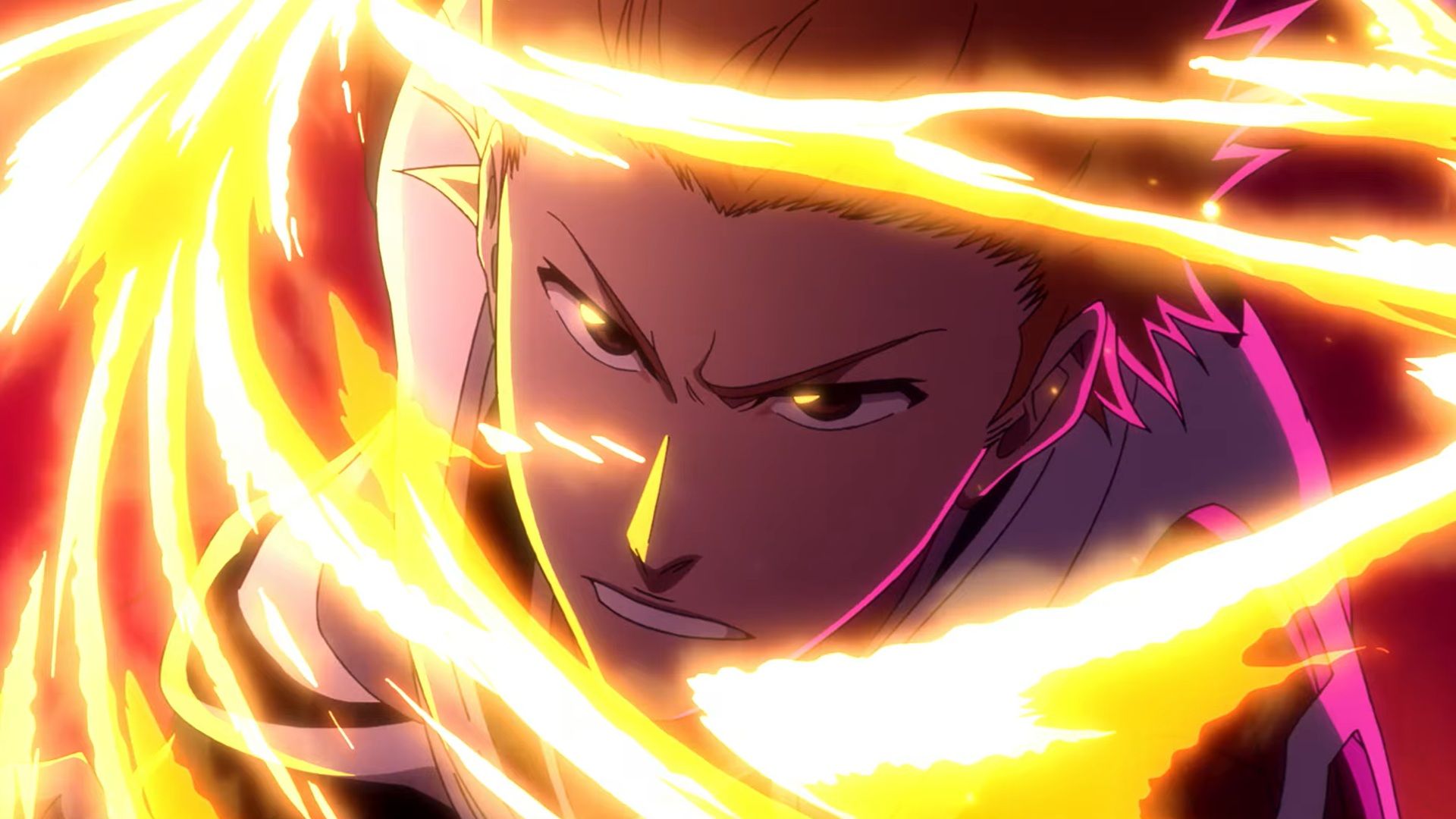
The hugely popular anime series known as the ‘Big 3’ – Naruto, One Piece, and Bleach – first rose to prominence almost 30 years ago, and their stories are still unfolding. While Naruto finished its main run in 2017, new installments continue to be released. One Piece is still years away from its finale, and Bleach even took a ten-year break before returning with Bleach: The Thousand-Year Blood War. Now, after three seasons and four more years of production, one of these iconic series is finally reaching its conclusion.
Watching Bleach finish its run really feels like a turning point. It makes me think about One Piece and Boruto, and how their stories will eventually end. For a long time, those three series – Bleach, One Piece, and Naruto – completely defined the shonen anime world, and anime in general. But that era feels like it’s fading. Back then, everyone watched episodes as they came out each week, creating a huge shared experience. It’s hard to imagine that happening now. These days, anime tends to have shorter seasons, releases are spread out, and there’s a bigger focus on making each episode look amazing, even if it means the series doesn’t last as long. It feels like the industry is prioritizing quality over a decades-long commitment.
The Big 3 Shonen Dominated a Shared Global Fandom
The late 2000s and early 2010s saw a unique moment in anime fandom. Before streaming services offered so many choices, most fans worldwide were experiencing the same few anime series around the same time. The “Big 3” anime dominated this smaller scene, facing little competition even from popular action series like Black Butler, Gintama, and Death Note.
While Bleach, Naruto, and One Piece weren’t necessarily better than other anime series of their time – despite what some fans believe – they benefited from a perfect moment in television history. Anime was gaining popularity in the US in the early 1990s, but Pokémon, which debuted in 1998, really sparked widespread interest. Then, in the 2000s, many countries launched dedicated anime channels, dramatically increasing the audience and exposing a whole new generation to this unique art form.
The success of the “Big 3” anime – Bleach, One Piece, and Naruto – came down to being released at the right time, their widespread appeal, and compelling stories. However, it’s also fair to say they benefited from having incredibly dedicated fans. Since the 2000s, online fan communities have grown rapidly, sparking enthusiastic conversations across the internet. Reddit, in particular, shows just how strong those communities are – even now, in 2026, the three main subreddits for these shows receive over 2 million visits each week, suggesting their peak popularity had a large and active fanbase.
It was incredible being part of the anime community when the “Big 3” – One Piece, Bleach, and Naruto – were at their peak! With so many of us watching and discussing everything together, each new twist – like the epic Marineford War in One Piece or the intense battle between Ichigo and Aizen in Bleach – felt like a shared event. The discussions got really lively, sometimes a little too heated, but honestly, it just showed how much everyone cared. Despite a few bumps along the way, those shows truly reigned supreme!
Many fans discovered anime through popular series like One Piece, Naruto, and Bleach, which became key starting points for exploring the medium. These shows, often called the ‘Big 3,’ began their run almost 27 years ago, and now Bleach is set to conclude, marking the end of this influential era later this year.
Bleach: The Thousand-Year Blood War Signifies the End of the Big 3 Era
One Piece maintained a remarkably consistent release schedule, rarely pausing for breaks, until 2026. It often released episodes continuously, providing a constant stream of content. Eiichiro Oda’s ability to stay ahead of the anime adaptation is impressive, a feat few manga artists have consistently achieved. However, even if One Piece continues for many years, it can’t solely represent the ‘Big 3’ of popular anime and manga, and Boruto isn’t considered one of the original three.
This new adaptation offers a fulfilling ending to the story that initially wrapped up in 2016. The anime has been incredibly well-received, with viewers loving the enhanced animation, dynamic fight scenes, and updated visual style. The adaptation of the TYBW arc includes extra content created or approved by Tite Kubo, which expands on the original manga. Fans are especially excited about this approach, as it suggests anime can improve upon weaknesses in its source material.
Even before it started, the Thousand-Year Blood War arc signaled a shift for the major anime series. Instead of the traditional weekly episode releases seen in shows like One Piece and Naruto, Bleach opted for a different approach. The TYBW anime was divided into four parts, with a total of 52 episodes released over time, reflecting a desire to appeal to modern viewers.
Popular anime like Demon Slayer and My Hero Academia are now releasing new seasons with breaks in between, letting fans fully enjoy each one. This approach avoids unnecessary filler episodes or drawn-out storylines that don’t add to the main plot. As a result, viewers eagerly anticipate each new season, increasing excitement and involvement.
Like many anime series, Black Clover is taking a more relaxed pace, giving the story room to develop over time. It’s been five years since Season 4 in 2021, and a new season is on the way. The way anime used to be released – with long gaps between seasons – isn’t sustainable anymore with streaming services. A clear sign that the once-dominant ‘Big 3’ anime are changing is Toei Animation’s new, more spread-out release schedule for One Piece.
I’ve been watching the anime world change, and it’s interesting to see how things are shifting. While One Piece wasn’t enough to keep the old “Big 3” title going, it’s the only one of those shows still running. But even it is adapting. The new season, coming out on April 5, 2026, will be released in two parts each year, with a maximum of 26 episodes annually. For almost thirty years, One Piece aired almost every week, racking up over a thousand episodes, but now it seems like they’re trying to update it for a new audience.
As a long-time anime fan, I have to say the ending of Bleach: Thousand-Year Blood War feels much more impactful than what’s still happening with One Piece. Don’t get me wrong, Luffy’s adventure is far from over, but after 25 years – if you count back to the very first Bleach chapter in 2001 – Ichigo Kurosaki’s story is genuinely wrapping up, and that feels huge!
The emotional release viewers will experience will be incredibly powerful, similar to the feeling when Naruto finally became Hokage – a moment that marked the end of a beloved era for anime fans. As for Bleach: Thousand-Year Blood War, there are just two things left to wonder about: will the anime adapt the ending in a way that’s better than the manga’s hurried conclusion? And will we get more of the story through the one-shot chapter, “No Breathes from Hell?”
Some fans want Bleach to make a comeback similar to how Boruto was handled, and given the success of Netflix’s One Piece anime, it’s definitely possible. Regardless, the era of the ‘Big 3’ anime – Bleach, Naruto, and One Piece – is over, and things will never be quite the same.
Found an error? Send it so it can be corrected.
Read More
- FRONT MISSION 3: Remake coming to PS5, Xbox Series, PS4, Xbox One, and PC on January 30, 2026
- Best Controller Settings for ARC Raiders
- Mark Zuckerberg & Wife Priscilla Chan Make Surprise Debut at Met Gala
- Meet the cast of Good Omens season 3: All the actors and characters
- Welcome to Demon School! Iruma-kun season 4 release schedule: When are new episodes on Crunchyroll?
- The Boys Season 5 Officially Ends An Era For Jensen Ackles’ Soldier Boy
- 7 Great Marvel Villains Who Are Currently Dead
- Nippon Sangoku Is The Best New Post-Apocalyptic Anime of Spring 2026
- Wistoria: Wand and Sword Season 2 release schedule: When are new episodes out?
- Khloe, Kourtney Kardashian Call Out Kylie Jenner for Mother’s Day Post
2026-03-15 02:46