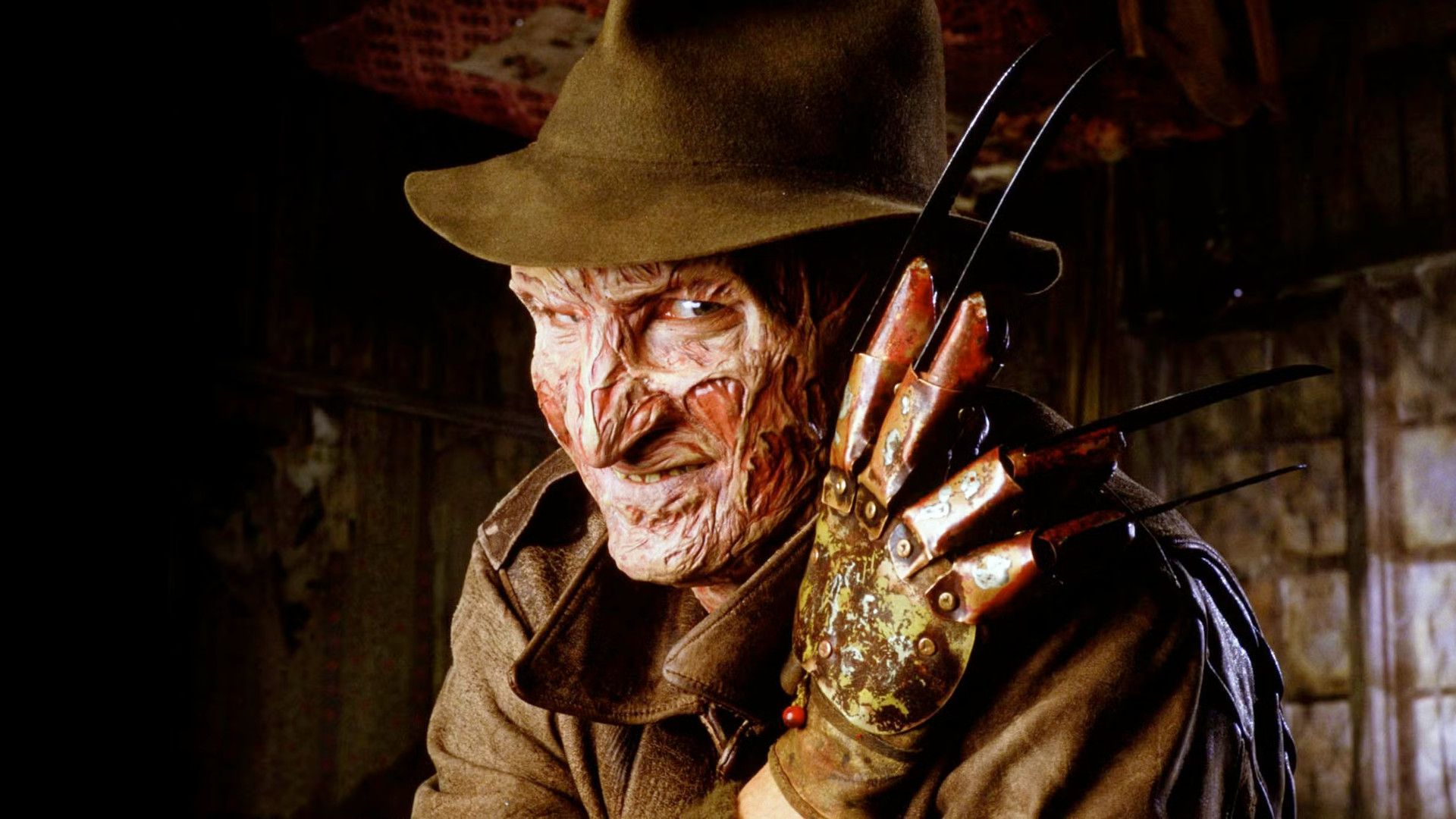
Watching all the Nightmare on Elm Street movies in a row shows some interesting things about the series. What started in 1984 as a truly scary horror film gradually becomes more unusual, humorous, and aware of itself in the later installments. Reviewing the whole story reveals some surprising details about Freddy Krueger and the constantly evolving world of his nightmares.
As a horror fan, I’ve been revisiting the Nightmare on Elm Street movies lately, and it’s really interesting to see how they changed over time. You can actually trace how the filmmakers responded to what audiences wanted – and how Freddy Krueger himself evolved from a scary villain into the pop culture icon we know today. Watching them all in order really highlights those shifts and how the series adapted to the trends in slasher films.
Freddy Doesn’t Get Funny Until A Nightmare On Elm Street 3: Dream Warriors
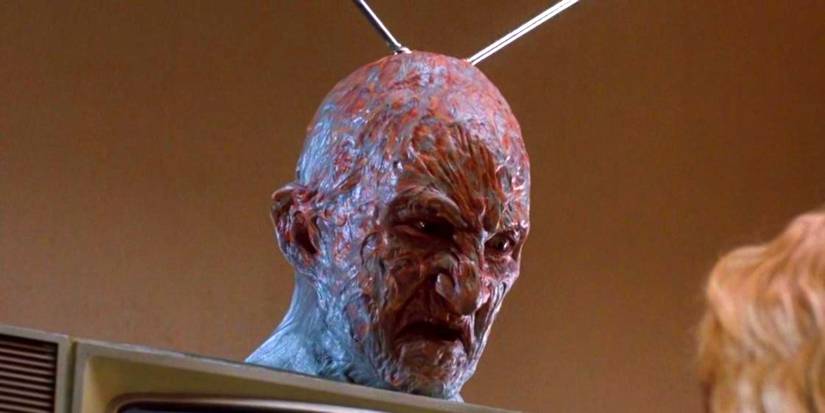
Freddy Krueger is famous for being a funny and frightening villain in horror films, but it wasn’t until the third movie that his wisecracking personality really took shape. In the very first A Nightmare on Elm Street, Freddy is mostly presented as genuinely terrifying. While he has a few unsettling lines and dark humor, he’s mainly shown as a frightening figure who hunts teenagers.
In A Nightmare on Elm Street 2: Freddy’s Revenge, Freddy Krueger is more subdued than most fans remember him being. But that all changes with Dream Warriors. That’s the movie where Freddy transforms into the lively, joke-telling villain that audiences grew to love.
Freddy Krueger’s murders become more creative and showy, and he starts delivering lines that people actually remember. Unlike many silent masked killers, Freddy’s outgoing personality quickly makes him the main attraction of the series. The films then fully embrace Freddy’s comedic side, changing him from a frightening monster into a darkly funny performer.
Freddy’s Backstory Is Quietly Altered As He Became More Popular
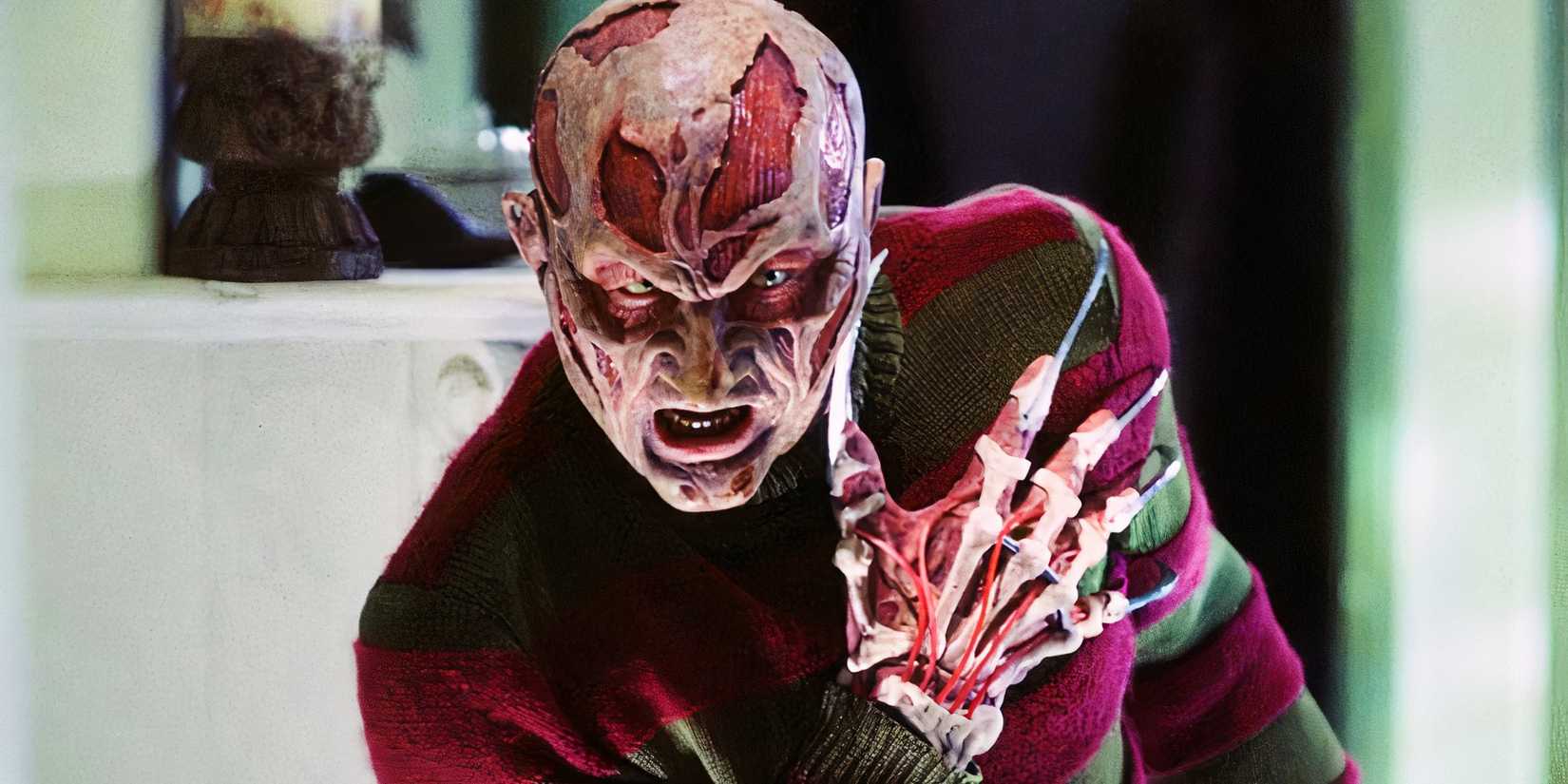
Wes Craven initially envisioned Freddy Krueger as a child molester who was killed by angry parents. But because of highly publicized child abuse cases happening at the time, the filmmakers decided to change the character. They made him a child murderer instead, opting for a less directly sensitive backstory.
As the series progressed and Freddy became a pop culture icon, the films made him more palatable. Rather than just being a monster, he was given tragic and bizarre elements to his history. A Nightmare on Elm Street 5: Dream Child reveals he is the “son of a thousand maniacs.”
Freddy Krueger’s origin story includes a traumatic beginning – his mother was attacked in a mental institution. The film Freddy’s Dead: The Final Nightmare further reveals he endured abuse from his adoptive father, who struggled with alcoholism. These details change Freddy from a simple monster into a deeply damaged character shaped by abuse and violence.
Robert Englund Wasn’t Considered The Star Until Very Late
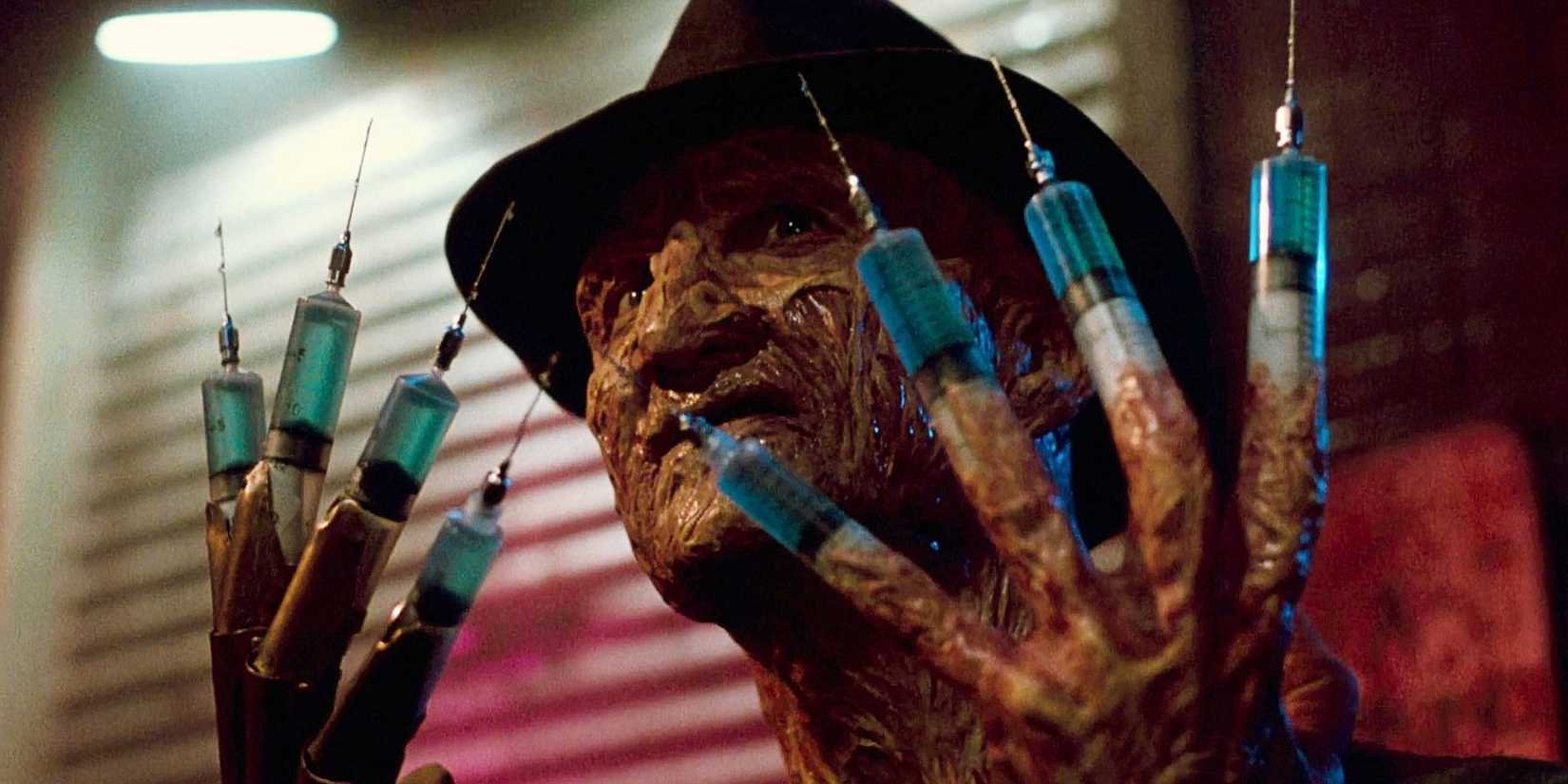
Robert Englund is now inseparable from the Nightmare on Elm Street series. His portrayal of Freddy Krueger is so famous that it’s become the defining characteristic of the films. However, looking back at the earlier movies, it’s clear he wasn’t always seen as the main star.
In the early ‘Nightmare on Elm Street’ movies, Robert Englund’s name wasn’t prominently featured in the credits – he often appeared near the very end, rather than as a main star. The advertising also emphasized the teenage characters who were being hunted, not Freddy Krueger himself. This was because the films followed the typical formula of slasher movies, where the focus was on the people being threatened, not the killer.
As the series continued, it became clear that audiences were primarily drawn to Freddy himself. Robert Englund’s portrayal was the most enjoyable and lasting part of each movie. Eventually, he became the main star and the public face of the entire franchise.
Each Nightmare On Elm Street Has Its Own Distinct Identity
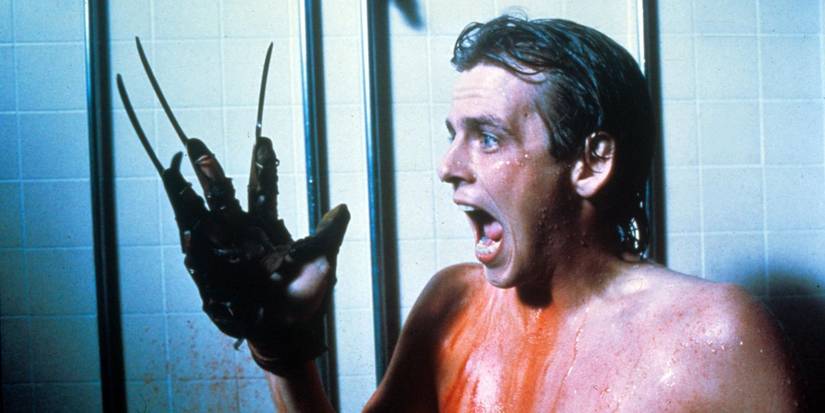
Watching all the Nightmare on Elm Street movies in order really shows how each one has a slightly different feel. While they all share the same scary premise and Freddy’s signature tricks, the series tries out different styles and moods with almost every film. The first movie is straight-up supernatural horror, introducing Freddy as a truly frightening figure who haunts your dreams.
Freddy’s Revenge is now often seen as having hidden themes relating to LGBTQ+ experiences. Dream Warriors is a beloved entry in the series, known for its creative dream-based powers. A Nightmare on Elm Street 4: The Dream Master visually captures the bold, colorful style of late 1980s MTV. And The Dream Child stands out for its use of classic gothic horror imagery.
The Freddy’s Dead movie amps up the quirky humor and features a 3D finale. The crossover Freddy vs. Jason shifts the focus to an action-packed monster battle. Then, the 2010 reboot tries a more realistic and serious approach. This consistent, yet careful, updating of the formula is probably why the Nightmare on Elm Street series has lasted so long.
A Nightmare On Elm Street 3: Dream Warriors Is The Best In The Franchise
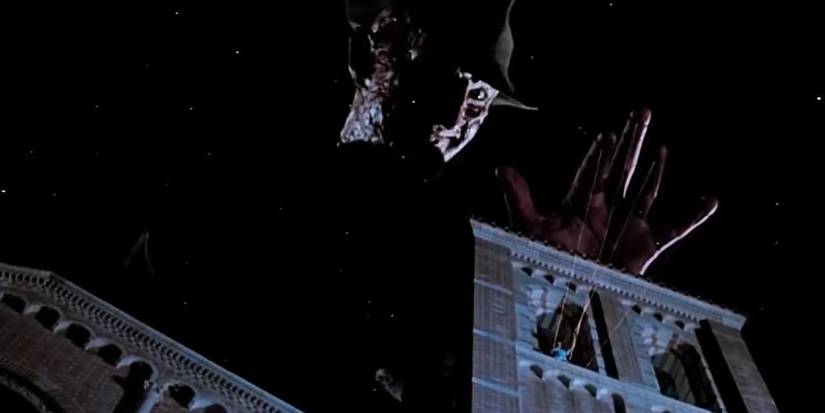
Look, the original Nightmare on Elm Street is a must-see, absolutely. But I recently went back and watched all the films in order, and it really hit me why Dream Warriors is so often hailed as the best. While the first movie was a game-changer, it’s the third installment that really gets what makes Freddy Krueger so terrifying and fun. It just nails everything we love about him.
This movie perfectly blends scary moments, dark humor, and incredibly creative dreamlike scenes. While some films in the series try something completely different—like Freddy’s Revenge—this one builds directly on what came before. It brings back the character Nancy, deepens the established story, and shows that people trapped in nightmares can actually fight back by using the power of their own imaginations.
This movie features some of the franchise’s scariest and most iconic dream sequences. It’s also where Freddy Krueger’s personality really comes into its own – he’s frightening, dramatic, and even humorous, but never at the expense of the horror. While it doesn’t break as much new ground as the first film, this is the defining Nightmare on Elm Street movie.
It’s Going To Be Near-Impossible To Replace Robert Englund
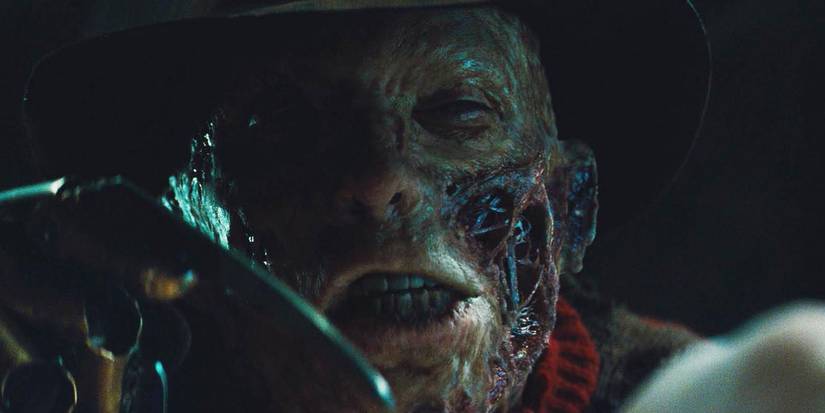
Watching the Nightmare on Elm Street movies again really highlights how much Freddy Krueger and Robert Englund are connected. While many horror villains have been played by different actors, Freddy feels completely defined by the performance Englund gave him. This is partly because of the way the character was written and brought to life.
Unlike villains who hide behind masks, like Jason or Ghostface from the Scream movies, Freddy Krueger is a unique character. His specific look, voice, and personality are essential to who he is. Actor Robert Englund brought a playful, darkly funny, and theatrical energy to the role, making Freddy one of the most enjoyable horror villains ever. That’s why it’s been so difficult to find someone else to play him.
The 2010 remake featured Jackie Earle Haley as a new Freddy Krueger, but the grittier take didn’t connect with viewers. Robert Englund’s portrayal of Freddy is so unique that any future attempt to restart the franchise will struggle with the same issue: paying tribute to what made the character famous without just copying something that’s nearly impossible to match.
How Many Major A-List Stars Started In A Nightmare On Elm Street
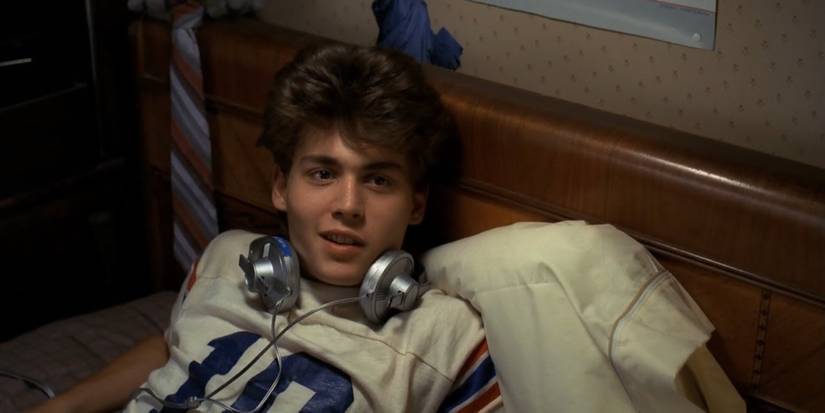
Many actors who later became Hollywood stars got their start in the original A Nightmare on Elm Street. Perhaps the most well-known is Johnny Depp, who played Glen in his first ever film role. His dramatic death scene – featuring a burst of blood from his bed – is still considered one of the most memorable in the entire series.
Lin Shaye, known for her roles in horror films like the Insidious series, had a smaller part in the first film as a teacher. Dream Warriors featured Patricia Arquette, who would later win an Oscar, and Laurence Fishburne, famous for The Matrix, played a hospital orderly in the movie.
Breckin Meyer appeared in Freddy’s Dead long before becoming well-known in teen comedies of the late 1990s. Interestingly, for a horror series centered around dreams, the film unexpectedly helped launch the careers of several actors who would later become famous.
Nancy Was Always The Best Final Girl
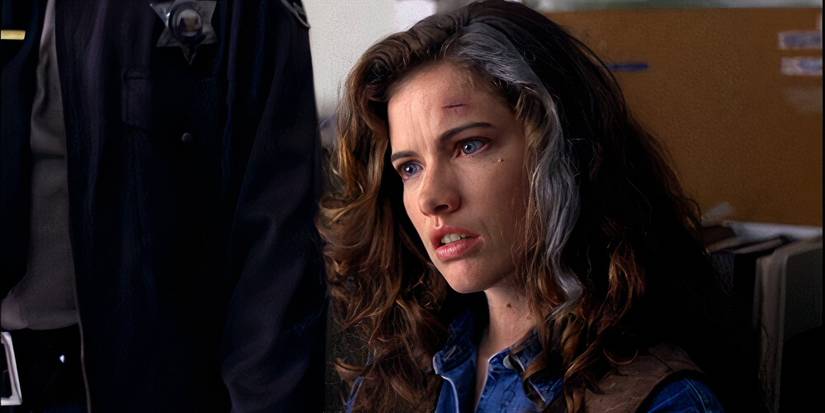
Throughout the Nightmare on Elm Street series, many characters try to defeat Freddy Krueger, but Nancy Thompson stands out as the most memorable and effective hero. Revisiting the films highlights just how much more compelling she is than the other main characters.
You know, I’ve always been fascinated by Nancy from the original Nightmare on Elm Street. What really sets her apart, for me, is that she doesn’t just react to Freddy. So many characters in horror just try to escape, but Nancy? She actually studies him, figures out his rules, and starts building traps. She’s not waiting to be saved – she’s actively fighting back, and that makes her, in my opinion, one of the smartest and most resourceful final girls ever.
Nancy’s reappearance in Dream Warriors solidifies her place as a horror icon. Instead of simply being a past survivor, she takes on a mentor role, guiding a new group of teenagers as they battle Freddy Krueger in their dreams. Although Kristen Parker is also a compelling character, Nancy remains the central hero of the series.
The Dream Logic Evolved Significantly Across The Franchise
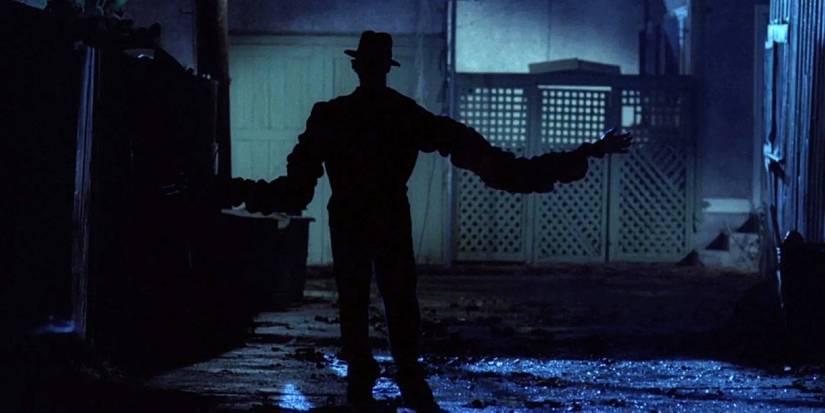
The first Nightmare on Elm Street movie featured scary dreams, but they still felt somewhat realistic. Freddy Krueger haunted nightmares that were twisted reflections of the real world, building suspense by making viewers question when the characters were actually dreaming. However, as the Nightmare series went on, the dream world became much more imaginative and bizarre.
Dreams in these movies become incredibly detailed and fantastical, quickly becoming indistinguishable from real life. In Dream Warriors, characters gain abilities within their dreams, leading to complex, supernatural fights instead of just being chased. The sequels take this idea even further.
Freddy Krueger becomes a terrifying villain powered by demons from the dream world. Later, in the movie Wes Craven’s New Nightmare, one of these demons actually uses Freddy’s form to enter the real world. What starts as a deeply personal and psychological horror story in A Nightmare on Elm Street evolves into a bizarre and fantastical fight where the power of imagination is the most dangerous weapon.
Read More
- FRONT MISSION 3: Remake coming to PS5, Xbox Series, PS4, Xbox One, and PC on January 30, 2026
- Best Controller Settings for ARC Raiders
- Mark Zuckerberg & Wife Priscilla Chan Make Surprise Debut at Met Gala
- Meet the cast of Good Omens season 3: All the actors and characters
- Welcome to Demon School! Iruma-kun season 4 release schedule: When are new episodes on Crunchyroll?
- The Boys Season 5 Officially Ends An Era For Jensen Ackles’ Soldier Boy
- 7 Great Marvel Villains Who Are Currently Dead
- Nippon Sangoku Is The Best New Post-Apocalyptic Anime of Spring 2026
- Wistoria: Wand and Sword Season 2 release schedule: When are new episodes out?
- Khloe, Kourtney Kardashian Call Out Kylie Jenner for Mother’s Day Post
2026-03-15 16:01