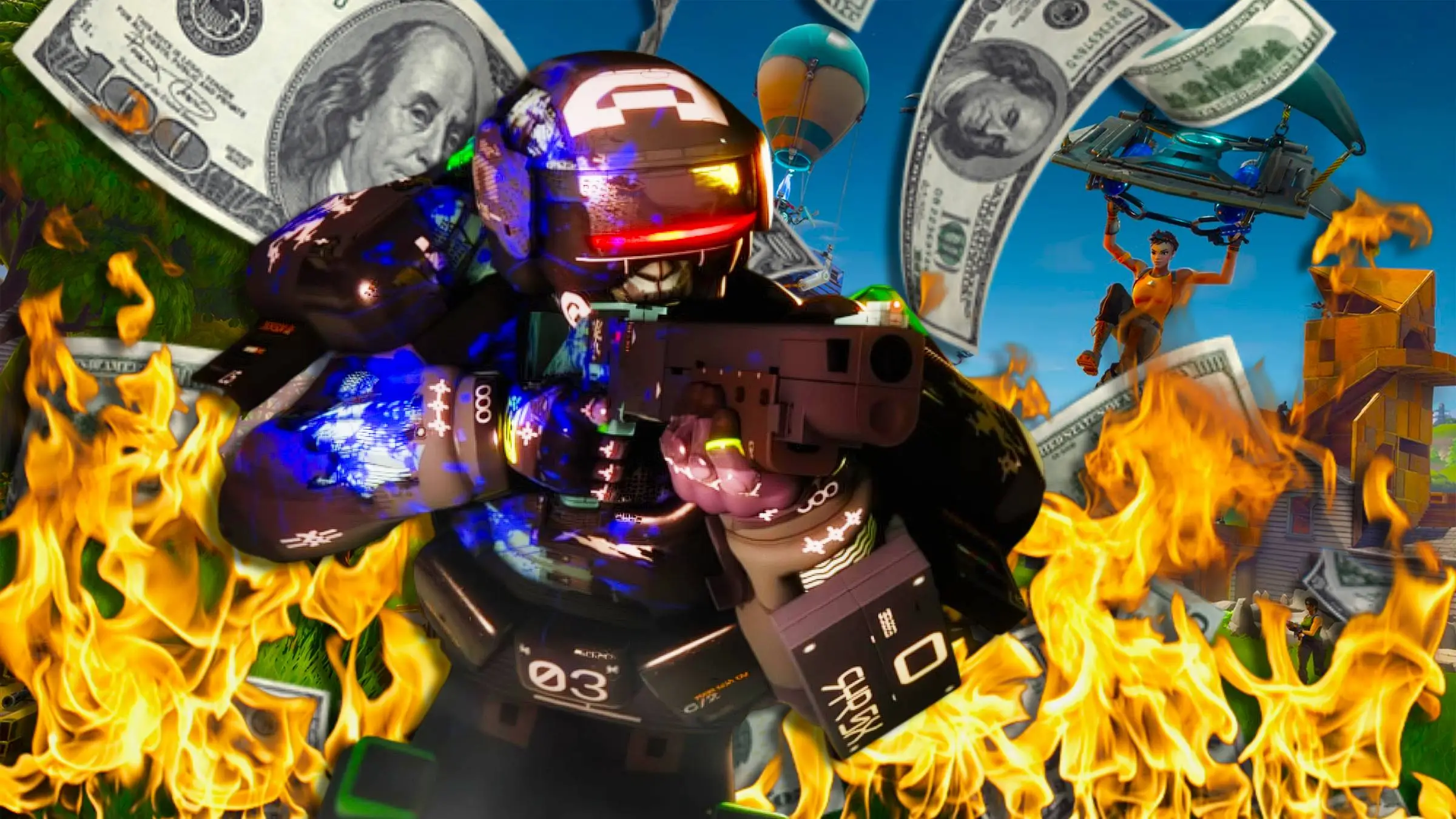
With many popular live service games, like Fortnite, still relying on aggressive monetization tactics and outdated design, it’s encouraging to see games that break the mold and offer a healthier approach. These examples demonstrate that live service games don’t have to be exploitative, and there’s definitely room for this type of evolving gameplay when done right.
Live service games have really redefined the genre and how game companies launch and support them. I initially thought Bungie’s new game, Marathon, wouldn’t stand out or make a significant impact. But Bungie recently made a major change to how Marathon operates as a live service, and it could be a game-changer for the entire industry. Honestly, I’m amazed – this single adjustment might finally fix the biggest problem with live service games.
Marathon’s Monetization Method Is Finally Fair

Though Marathon follows a frustrating trend of full-priced games adding extra costs for in-game items – a practice that was problematic with companies like EA and Ubisoft and remains so – Bungie deserves some credit for moving away from typical ‘live service’ methods and making its system a bit more reasonable. Previously, $10 only bought you slightly less than enough in-game currency (LUX) to purchase the cheapest cosmetic item, forcing players to spend an extra $5 just to get one. Whether you think skins should cost so much compared to the game’s price, this practice of nickel-and-diming players is unfair and exploitative.
Bungie recently updated its game, Marathon, to address concerns about in-game purchases. Now, $10 will always get you exactly 1,120 LUX. While it might seem like a small adjustment, this change actually saves players money – and doesn’t cost Bungie anything, since the value of in-game currency isn’t tied to real-world costs. More importantly, it’s a great example that other games with ongoing updates should consider. This isn’t a new trend, as many major game developers have been trying to make their purchases feel fairer for a while now.
Despite any drawbacks, this is a significant step for Bungie. It demonstrates their commitment to listening to players and moving away from the frustrating monetization strategies used in many older online games. For Bungie to stay competitive and ensure the future of Marathon, this decision feels essential. It also shows they understand that players won’t accept those outdated practices, even from big studios like theirs. The more developers move away from these exploitative microtransactions, the healthier the virtual economy will become, and the better it will be for players’ wallets.
I don’t want to dismiss the good that’s come from Bungie changing how it makes money. It’s encouraging to see them increase rewards for players, especially compared to Epic Games’ strange choice with Fortnite, where they made in-game currency less valuable to cover rising costs. Still, despite these changes, Marathon feels like one of a shrinking number of live service games, and unfortunately, this new approach doesn’t seem to be helping its situation.
Marathon Is At Risk Of Becoming A Dying Breed

As live service games become better at offering fair and subtle ways to spend money, the need for expensive base games with extra purchases will likely decrease. While Helldivers 2‘s innovative battle pass system has been successful, charging $40 for the game and including in-game currency feels odd. Both Helldivers 2 and Marathon are performing well financially and will likely continue to do so for a while. However, this combination of a full-price game and microtransactions doesn’t seem sustainable or desirable in the long run.
Recent improvements in how games like Helldivers 2 handle monetization – including battle passes and shifting strategies – should encourage developers of free-to-play games to do the same. If they don’t, players may have less incentive to buy premium games, no matter how well-made they are. The $400 million failure of Concord perfectly illustrates this point. Ironically, it might have performed better if it had been released as a free game instead of a premium title. Adding a cash shop to a game players were already wary of likely discouraged even more people from spending money on it.
Going free-to-play doesn’t guarantee success, but it definitely helps. It’s surprising Bungie didn’t recognize this, considering they made Destiny 2 free-to-play in 2019 to compete with games like Fortnite and encourage more players to buy cosmetic items. Charging for games like Helldivers 2 and Marathon – and then adding in paid currency and battle passes – feels out of touch. Games like Fortnite, Genshin Impact, and Where the Winds Meet have set the standard: live service games should be free to start, with in-game purchases being the main source of revenue. Marathon’s decision to ignore this expectation hasn’t been groundbreaking; it’s just created a lot of division among players.
The Future Of Live Service Gaming & Marathon Is Precarious

Seeing the expensive skins in Overwatch 2 – some costing players thousands of dollars – and the complicated currency systems in Genshin Impact makes me question where games are headed. While I don’t think the high prices of Marathon will become standard, the efforts developers like Bungie are making to create fairer microtransactions might actually make free-to-play games even more appealing. It’s possible that these fairer systems only work because players initially supported games with purchases, and if those games disappear, we might see unfair practices return.
Because free-to-play games and premium games with in-game purchases don’t work well together—one tends to make the other seem unnecessary—it’s hard to see games like Marathon remaining popular for much longer. That said, Bungie’s shift in how Marathon makes money is a positive step toward creating a fairer system for live service games, and I appreciate them doing so. It’s just interesting how fixing one problem can reveal others, specifically the contrast between traditional premium games and the growing trend of free-to-play games with reasonable monetization.
Ideally, the current trend of paid premium options will push the industry away from predatory microtransactions and create a better free-to-play experience for everyone. However, there’s a risk that these options won’t make a lasting difference, and we’ll return to the frustrating monetization practices that have troubled live service games in the past. I really hope Marathon sets a good example and helps the industry find a balance between making money and treating players fairly. Only time will tell, but at least Marathon fans can now access LUX at a much more reasonable cost, which is a positive step.
Hey everyone, I’m really curious to hear your thoughts – what do you think the future holds for Marathon? Let’s chat about it over on the ComicBook Forum – come share your predictions!
https://comicbook.com/gaming/news/best-hero-shooters-marvel-rivals/embed/#
Read More
- Best Controller Settings for ARC Raiders
- FRONT MISSION 3: Remake coming to PS5, Xbox Series, PS4, Xbox One, and PC on January 30, 2026
- Mark Zuckerberg & Wife Priscilla Chan Make Surprise Debut at Met Gala
- Meet the cast of Good Omens season 3: All the actors and characters
- 7 Great Marvel Villains Who Are Currently Dead
- Welcome to Demon School! Iruma-kun season 4 release schedule: When are new episodes on Crunchyroll?
- Nippon Sangoku Is The Best New Post-Apocalyptic Anime of Spring 2026
- Wistoria: Wand and Sword Season 2 release schedule: When are new episodes out?
- The Boys Season 5 Officially Ends An Era For Jensen Ackles’ Soldier Boy
- Khloe, Kourtney Kardashian Call Out Kylie Jenner for Mother’s Day Post
2026-03-16 04:12