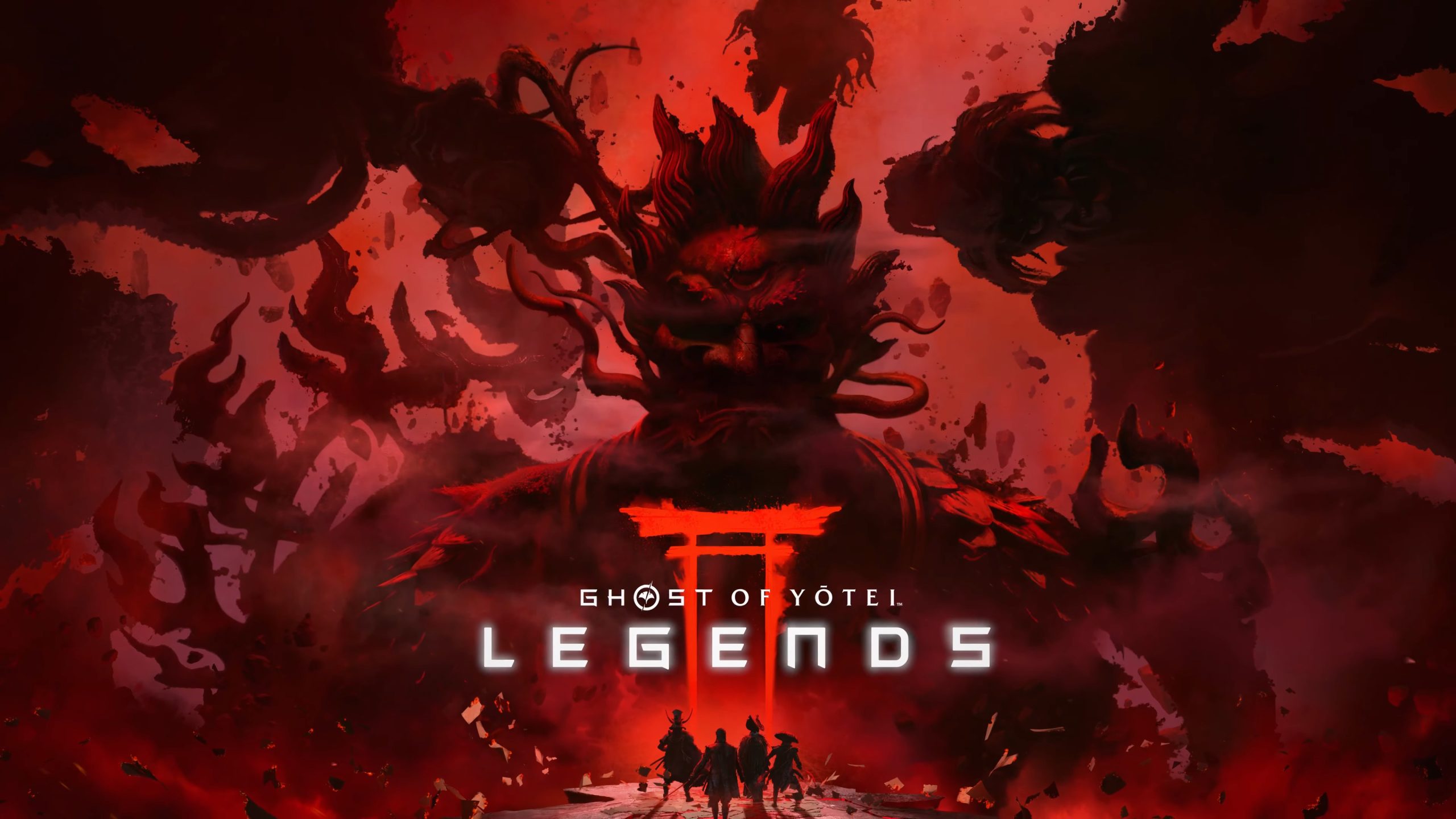
I think Sony’s struggles with ongoing, online games might stem from one thing: Ghost of Tsushima: Legends. This free update unexpectedly added a cooperative mode with a Japanese folklore theme, letting players take on the roles of ghostly warriors fighting demons and other creatures. It was incredibly popular – many, myself included, thought it showed how to do cooperative games with loot well, even though it was free and didn’t get constant updates.
Okay, so Legends is back with Ghost of Yōtei, and honestly, knowing how long this took to develop – basically as long as the main game, with most of the team moving over after launch – makes me really question this whole live-service thing again. But, putting that aside, it’s actually a really fun mode! It builds on the awesome combat from the original game, has four different classes that all feel unique, a gear grind that’s easy to get into but has some nice layers, and tons of stuff to unlock. The best part? No microtransactions at all. Still, it’s not perfect, there are definitely things to nitpick.
This time, the story centers on a different group called the Yōtei Six – powerful, monstrous servants of Lord Saito. Each member gets their own storyline, broken into three chapters playable with up to two players. These storylines culminate in an ‘Incursion,’ a final challenge for up to four players where you battle the Yōtei Six member directly. And to make things even tougher, these enemies have enhanced forms and new attacks, on top of everything you’ve already faced.
Adding to the challenge, you’re limited in the weapons you can use until you progress in the game. Take the Archer, who can eventually wield katanas and swords. But what can they do against enemies with shields when they get close? Not much, at least until you reach Rank 5 and unlock the Kusarigama.
I had a lot of fun playing through the story, both by myself and with a friend, because each chapter introduces new and interesting gameplay elements. For example, the Spider level features Jubokko Trees – plants that explode and create hazardous terrain that can quickly defeat you. You can destroy these trees by using the plants against them, or by shooting their weak spots when they appear. Some gates can only be destroyed using the plants, and it can get pretty hectic managing enemy attacks while doing all of that. The levels are designed more for direct combat than sneaking around, although you can still use smoke bombs to quietly eliminate any unsuspecting enemies.
The core combat feels fantastic, just like before. You can still perform perfect parries to unleash powerful attacks, switch weapons to keep enemies off balance, and quickly eliminate threats by throwing your weapon. However, your available moves depend on the weapon you’re using. For example, the initial Yari spear had one special attack, but later, more powerful versions unlocked new moves and abilities, like automatically blocking scythe attacks with strong hits.
The game also limits your options based on your progress, meaning you can’t use every weapon type right away. For example, even though the Archer can eventually wield katanas and swords, they struggle against shielded enemies up close until they reach Rank 5 and unlock the Kusarigama. Only the Samurai can use all weapon types, but even they don’t get the Kusarigama until Rank 20. Like the original game, choosing the right weapon for each situation is crucial – otherwise, you’re just hoping for the best.
You’ll get plenty of rewards as you progress through different levels, making it fairly simple to fully equip your character and increase their Ki – essentially their power level. Each character class can also use a variety of passive abilities, with more options becoming available as you level up. These abilities can change how their skills and ultimate moves work, and offer other advantages, like an Archer being able to refill ammo using Spirit. There’s a good range of options, though it’s a bit strange that there isn’t a dedicated support class – perhaps the Ronin’s powerful ability from the first game was considered too strong? Luckily, the Mercenary can add a Weakening Blast to their ultimate, providing some of the same effects as a different ability, along with a poison effect.
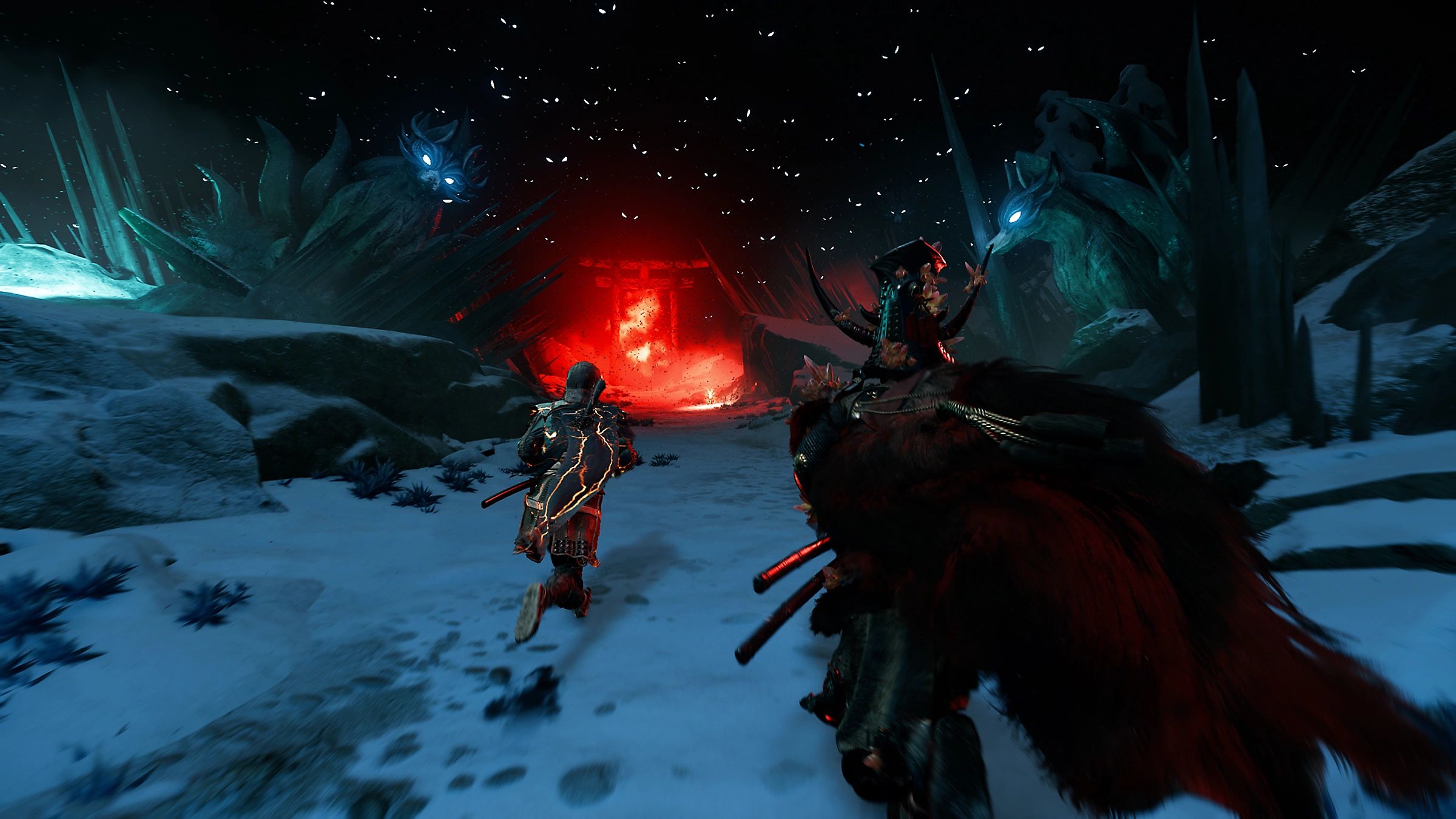
Even at the lowest difficulty, I felt like I could be defeated with just one hit from Yuki-Onna. And that’s not even considering the Bombardier, who can instantly cover a large area with explosives. Even with a 30% health boost, I doubt I would have survived much longer.
As you collect more equipment, you’ll be able to improve it. Each item has a Ki limit, meaning you’ll eventually need to face harder challenges to get better, rarer versions. Once you have those, you can customize the item’s special abilities to perfectly suit your playstyle. It’s a straightforward system, but it’s surprisingly engaging and encourages you to try out different builds with the same gear.
Honestly, the story mode isn’t the point of Legends. It’s all about Survival mode. You’ve got four stages, each with three waves of enemies. The goal is to defend three spots on the map – if you leave them unattended for too long, the enemies will wreck them. At first, I was running all over the place, but I quickly learned the best way to play is to split up with my team, each of us covering a different area. One person can even roam around and help wherever needed, or you could go two to each spot and rotate. It gets pretty intense on higher difficulties, especially when you add Challenge Cards into the mix. Some of those cards give you bigger rewards, but the enemies hit way harder, so you really have to be careful.
The updated survival maps feature more opportunities for climbing and jumping around, and generally offer fewer spots where enemies can easily ambush you – except within the Kitsune’s fortress. They might take a little practice to learn, especially at first, and that’s before you even consider the special challenges, like fox fire that you need to dodge by rolling. You can improve your chances by spending points earned during gameplay on team-wide benefits like health recovery, extra health, or even summoning a powerful Spirit Bear – a fitting tribute to all the bears defeated in the original game. And it’s all incredibly fun!
The game’s balance feels off. I started on Lethal difficulty with the original game, and even on Normal, my character, Atsu, was incredibly fragile at the beginning. While better stats, armor, and tools eventually helped, that feeling of being easily defeated persisted throughout Legends, even when I met the required skill level. It was surprisingly easy to be taken down – even on the Bronze difficulty, a single hit from an enemy like a Yuki-Onna felt fatal, and the bombardier enemy could instantly cover large areas with explosives. Even with health upgrades, I wondered if it would really make much difference in how long I could survive.
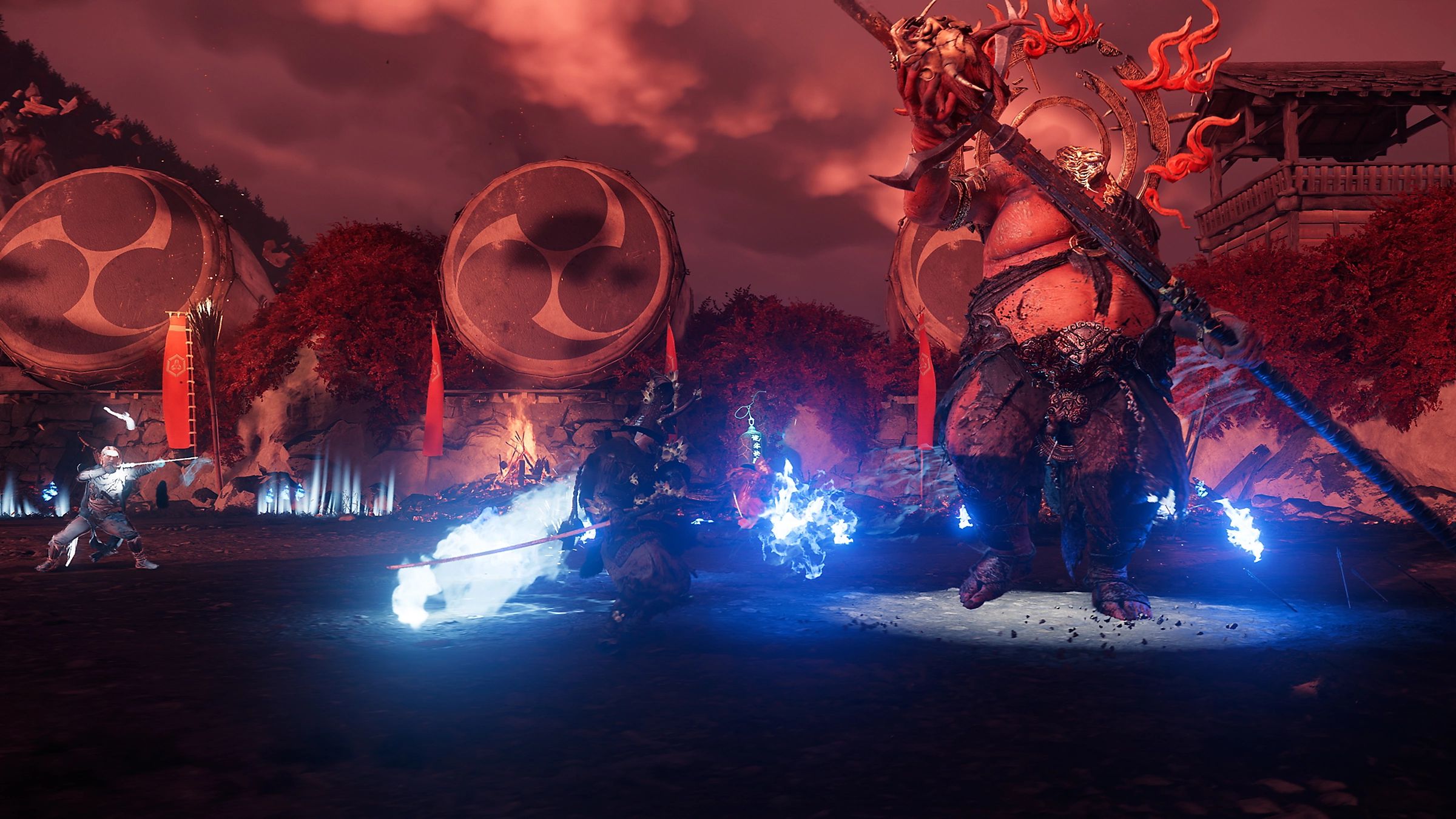
Right now, I don’t think Ghost of Yōtei: Legends is better than Tsushima – except when it comes to fighting. Even with some balancing problems, it’s still really addictive and fun. Mastering the combat and defeating waves of enemies is rewarding, and the story keeps things interesting with a good mix of challenges.
Some enemies felt like they had way too much health, and even with two players attacking, they barely reacted unless you repeatedly used powerful attacks with a specific weapon. This, combined with enemies getting even tougher in later waves and on harder difficulties, makes the game feel a bit unfair to the player characters, the Ghosts.
It’s still too soon to tell for sure, but if these problems continue even after players figure out the best possible character builds, Sucker Punch will likely make some adjustments to balance the game. Right now, it feels like a big change from Tsushima: Legends, and not always for the better. I’m not completely convinced about adding mechanics from the main game, like the way health works, but hopefully they’ll refine things over time – and that’s saying something, considering there’s already a very difficult solo challenge available.
Right now, Ghost of Yōtei: Legends isn’t necessarily better than Tsushima – except when it comes to fighting. Even with some balancing problems, it’s just as captivating and fun to play. Mastering the combat and defeating waves of enemies is really rewarding, and the story keeps things interesting. If the developers continue to improve it, like they did with the first game – a new raid is coming next month – it has the potential to be even better. For now, it’s just getting started, and I’m excited to see what’s next.
This game was reviewed on PlayStation 5.
Read More
- Best Controller Settings for ARC Raiders
- FRONT MISSION 3: Remake coming to PS5, Xbox Series, PS4, Xbox One, and PC on January 30, 2026
- Mark Zuckerberg & Wife Priscilla Chan Make Surprise Debut at Met Gala
- Meet the cast of Good Omens season 3: All the actors and characters
- Nippon Sangoku Is The Best New Post-Apocalyptic Anime of Spring 2026
- Review: Final Fantasy Tactics: The Ivalice Chronicles (PS5) – Still the Benchmark for Turn-Based Tactics
- 7 Great Marvel Villains Who Are Currently Dead
- Welcome to Demon School! Iruma-kun season 4 release schedule: When are new episodes on Crunchyroll?
- Wistoria: Wand and Sword Season 2 release schedule: When are new episodes out?
- The Boys Season 5 Officially Ends An Era For Jensen Ackles’ Soldier Boy
2026-03-16 21:16