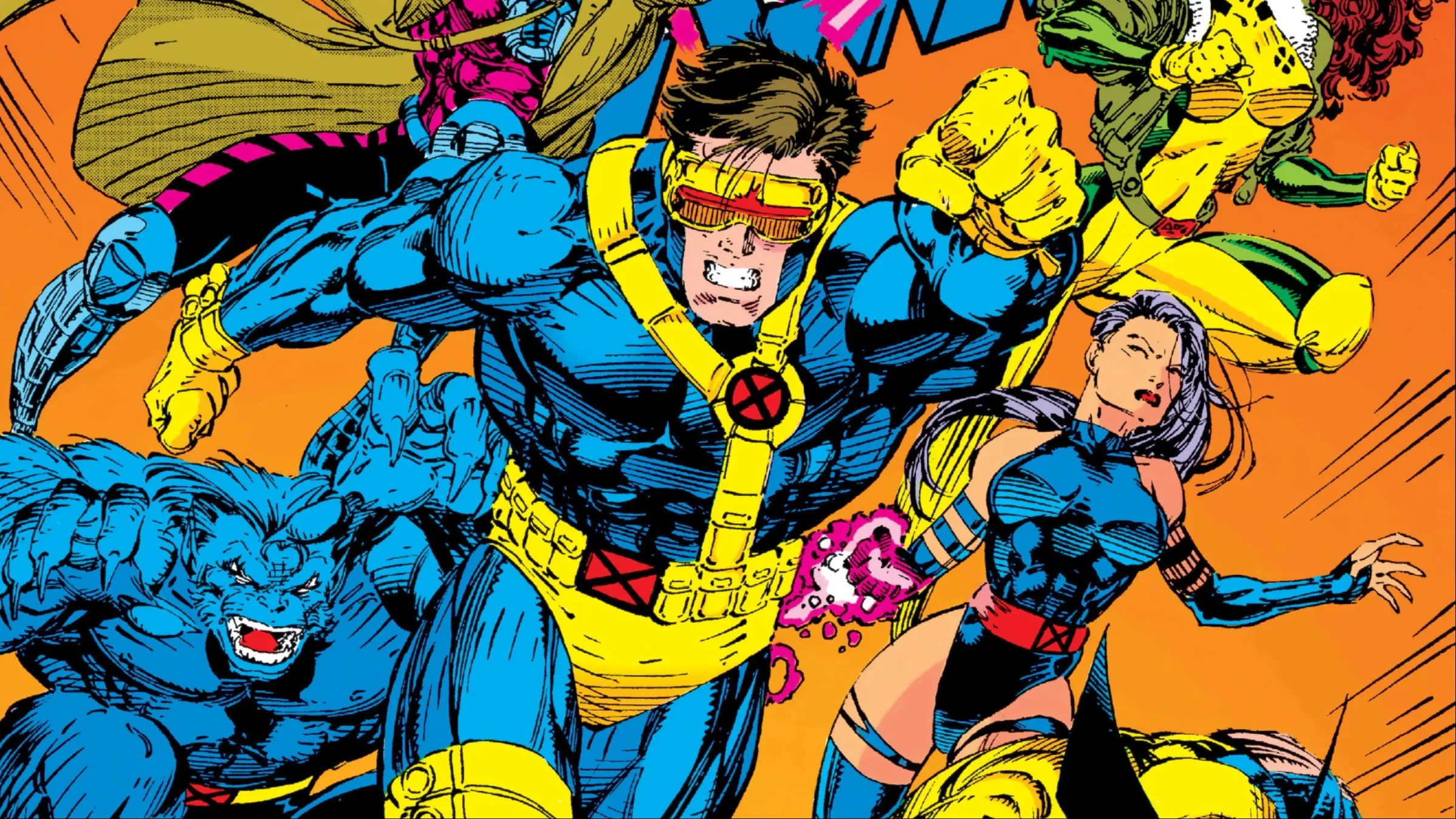
The X-Men are a legendary franchise in the world of comic books. They debuted way back in the 1960s, a time when anything from Marvel – especially creations by Stan Lee and Jack Kirby – was a hit. While the initial run of X-Men did well, it lost popularity after Lee and Kirby moved on, becoming the least successful of the original Silver Age Marvel titles. For years, X-Men (Vol. 1) was just a collection of reprinted stories until 1974’s Giant-Size X-Men #1 revitalized the series. Since then, the X-Men have starred in countless comics, spawning numerous spin-off teams and solo character adventures. Landmark issues within these various series often mark significant milestones, like centennial issues.
Big anniversary issues, like those marking 100 issues, feel a little outdated today, especially since Marvel frequently restarts its series. It’s odd, considering Marvel still tries to compete with DC’s large issue numbers, but they approach it differently. However, there was a time when these milestone issues were a major event, often bringing in fresh ideas and creative talent. Here are ten of the most significant X-Men anniversary issues, each one having a lasting impact on the team.
10) Uncanny X-Men #600
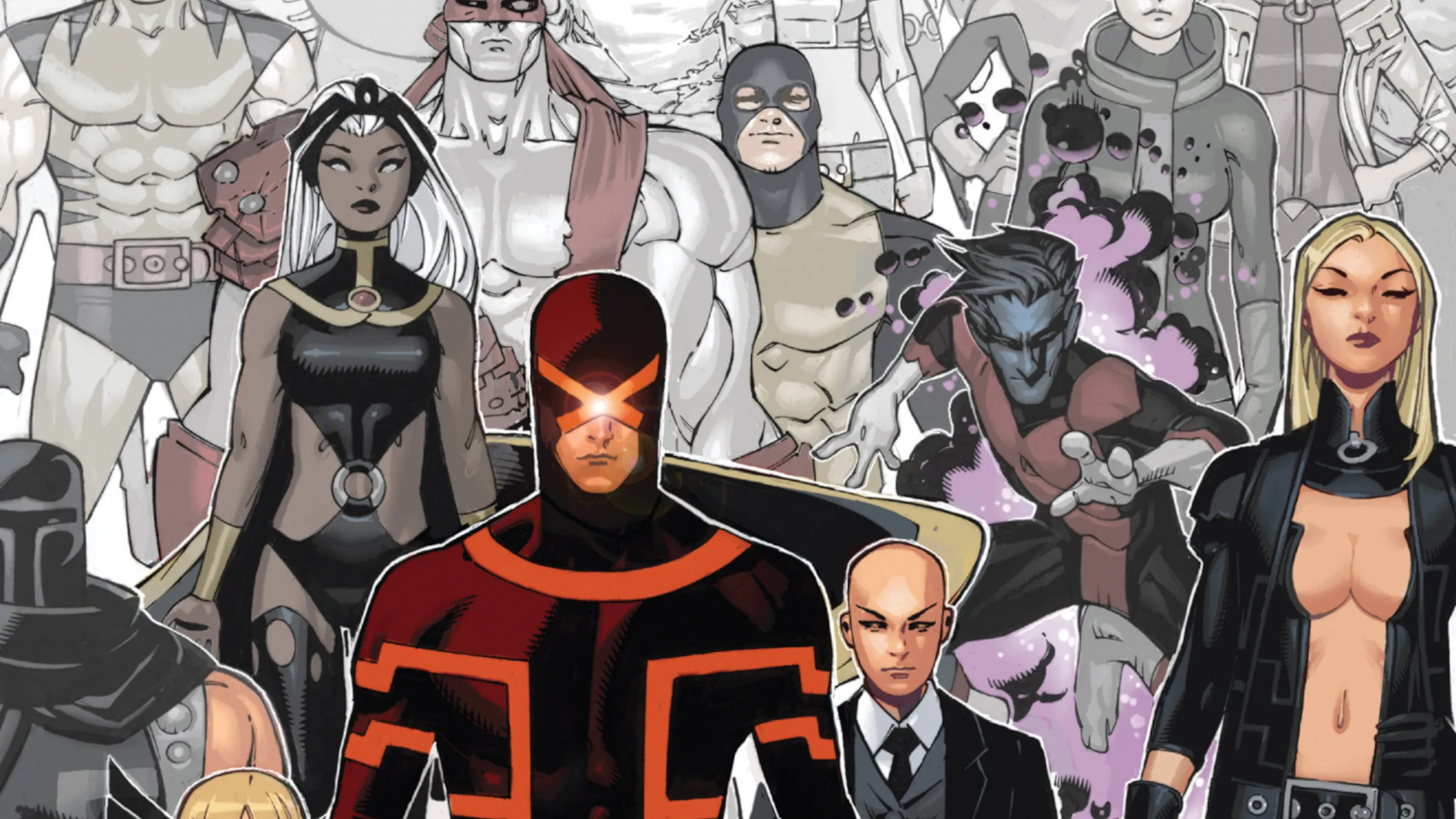
Following the big crossover event Avengers vs. X-Men, writer Brian Michael Bendis switched from working on the Avengers comics to the X-Men, taking on All-New X-Men and Uncanny X-Men. Uncanny X-Men featured Cyclops, Emma Frost, Magneto, and Magik training a new group of mutants to be rebels, but this run is often criticized by fans. Many agree Bendis’s writing didn’t quite work for the team, and his story concluded with issue #600 of Uncanny X-Men. This issue wrapped up the storyline of Cyclops as a revolutionary leader and set the stage for the comics after the Secret Wars event. Overall, it’s an okay story, but it’s mainly remembered for bringing Bendis’s somewhat disappointing run on the title to a close.
9) Uncanny X-Men #400

Most comic book fans have completely forgotten Uncanny X-Men #400, and for good reason – it wasn’t a particularly significant issue. When it was released, Uncanny X-Men was actually the least popular of the X-Men titles, with Ultimate X-Men and New X-Men selling much better. Writer Joe Casey was doing solid work, but he seemed a bit out of place on Uncanny. The issue concluded a storyline he’d been developing about the Church of Humanity, and that’s essentially all it is – a decent, but ultimately unremarkable, conclusion.
8) X-Men #300
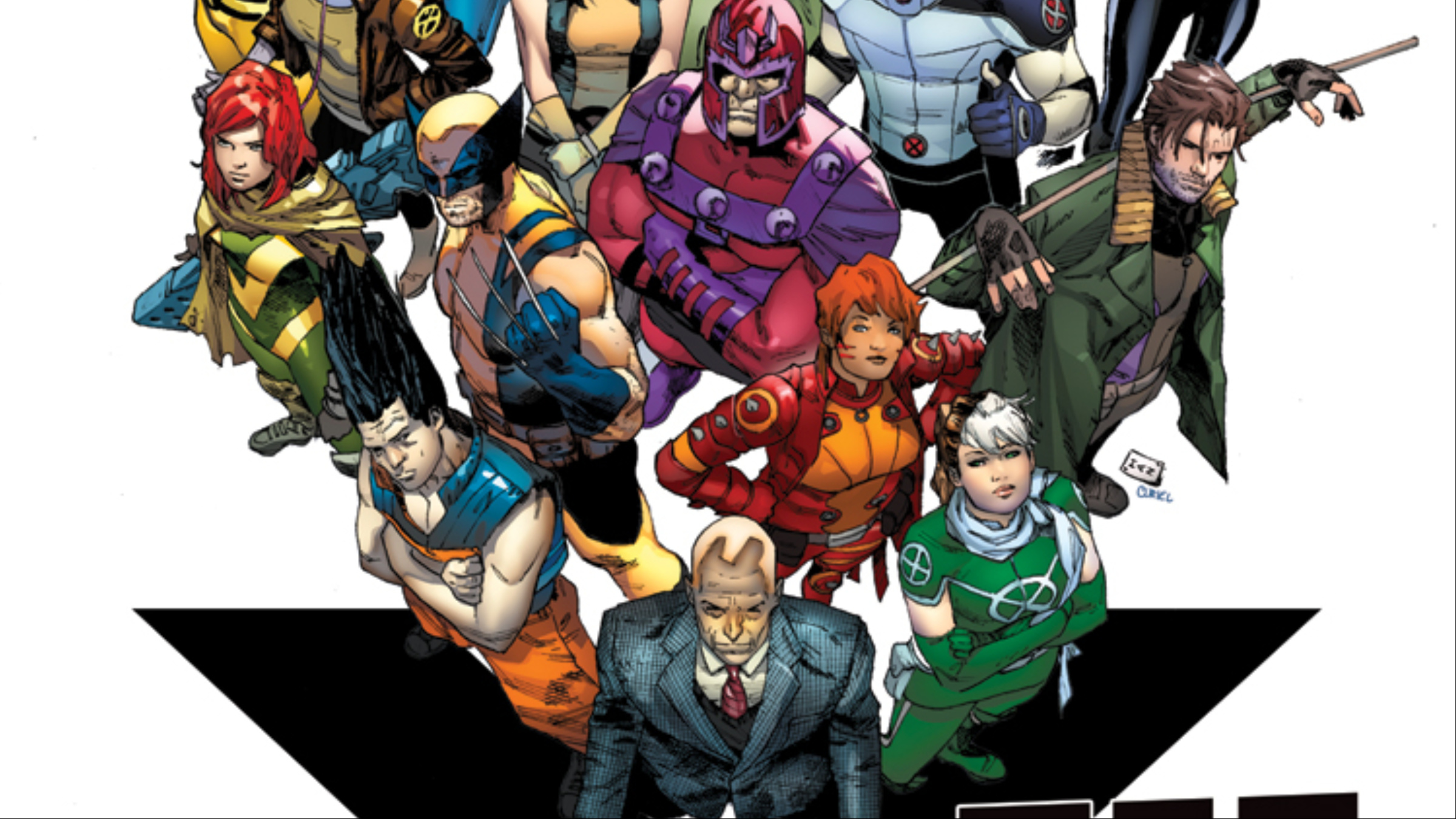
After being known as X-Men (Vol. 2), the comic was renamed X-Men: Legacy and became known for its long run, with writer Mike Carey working on it for nearly ten years. While Simon Spurrier later relaunched X-Men: Legacy, Carey eventually returned to write what would have been issue #300 of the original X-Men (Vol. 2) series. Though not essential reading on its own, this comic serves as a satisfying conclusion to a long and significant era of X-Men stories and is genuinely enjoyable.
7) Uncanny X-Men #300
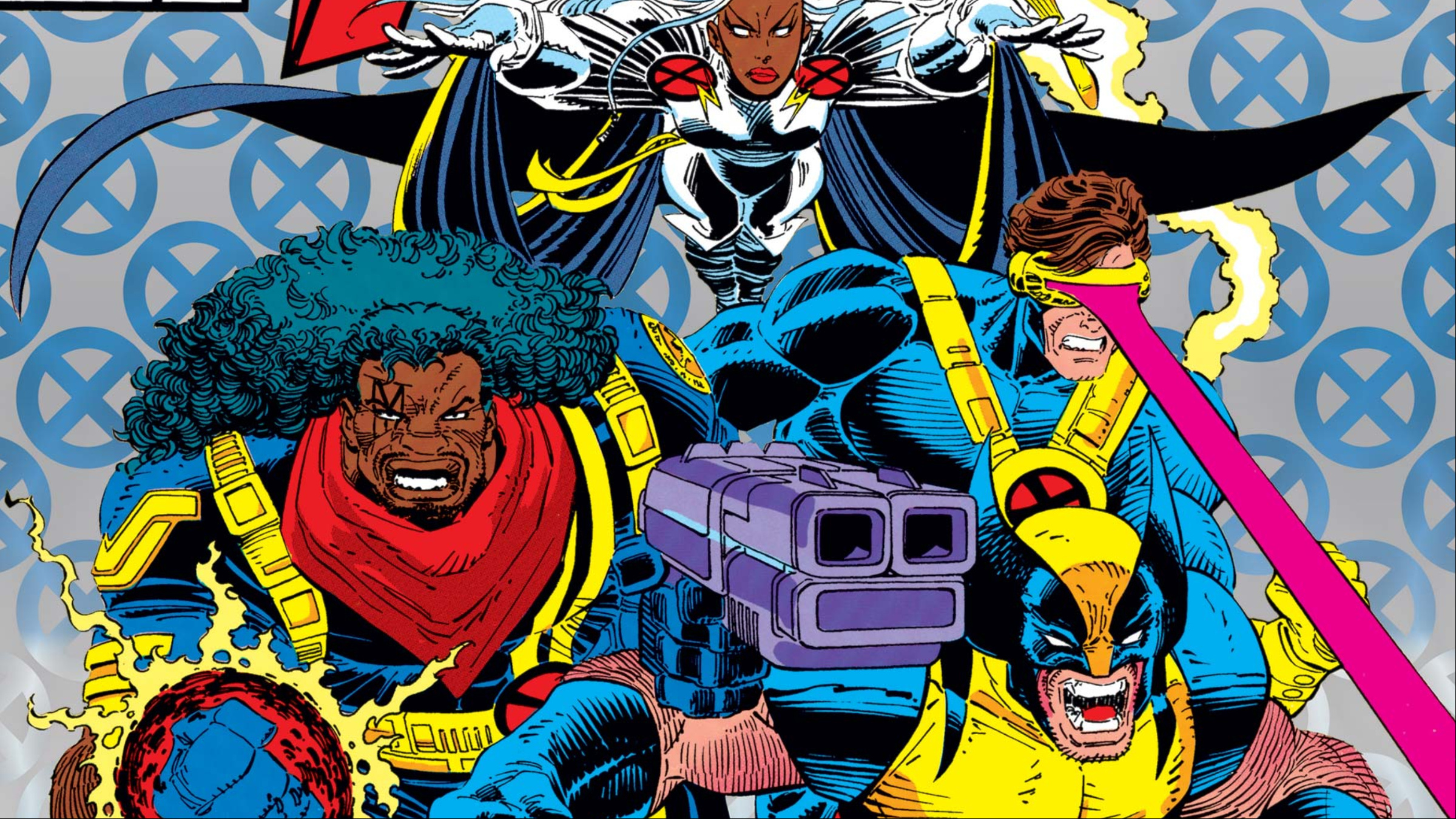
Issue #300 of Uncanny X-Men, released in 1993, arrived when the X-Men were incredibly popular. This issue featured a battle between the X-Men and the Acolytes, a group serving Magneto. It was a crucial part of the story leading up to the major X-Men event of the early ’90s, “Fatal Attractions.” This visually striking comic introduced a fresh set of villains – the previous Acolytes had been defeated in X-Men (Vol. 2) #3 – and set the stage for a pivotal moment for the team. The X-Men comics of the ’90s were unique, and this issue perfectly showcased what made them so great.
6) X-Men (Vol. 2) #100
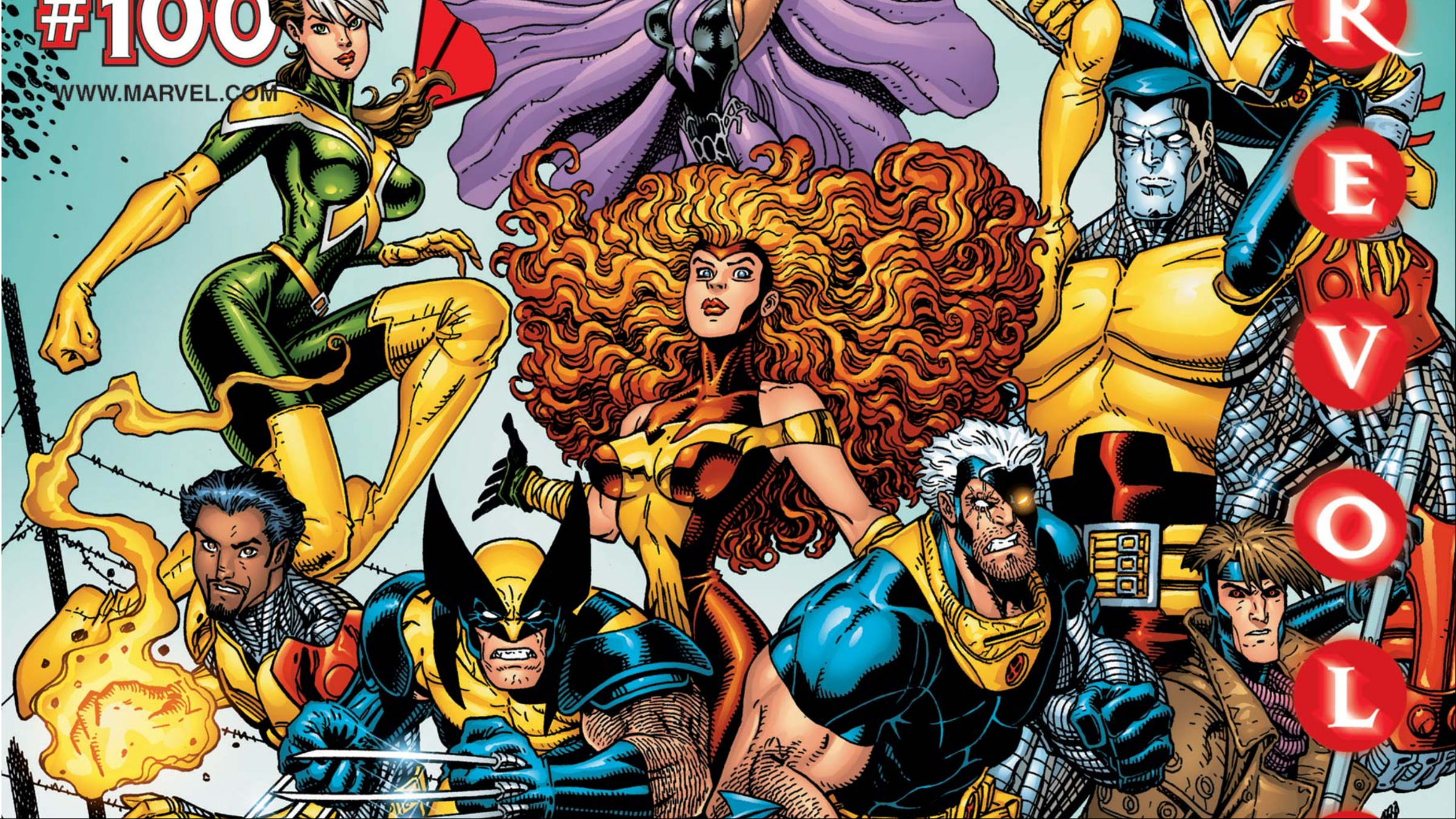
Chris Claremont wrote about the X-Men for an incredible 17 years, from 1974 to 1991, and is largely responsible for the team’s popularity. After he left, many writers tried to emulate his style and finish storylines he’d started, but sales gradually declined throughout the ’90s. He eventually returned with issue #100 of X-Men (Vol. 2), introducing new villains called the Neo in a genuinely well-regarded comic. Despite this, his second run with the X-Men wasn’t widely embraced by fans and is often considered disappointing.
5) X-Men (Vol. 1) #100
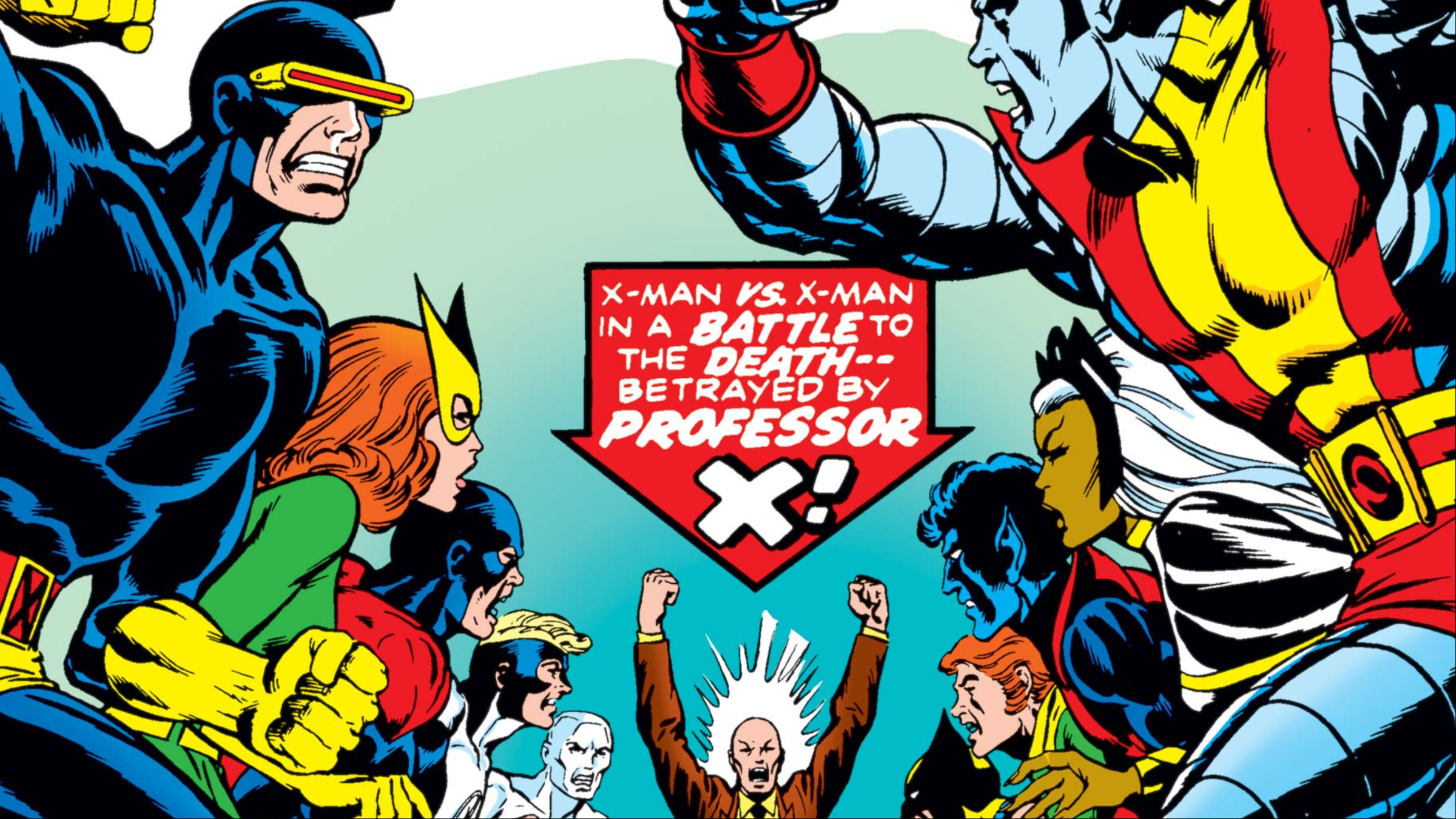
Issue #100 of X-Men (Vol. 1) came relatively early in the team’s relaunch, so they were still finding their footing. This issue sent the new X-Men to a space station where they faced a seeming betrayal by Professor X and the original team. While a fast-paced adventure, its real significance lies in setting up the story of Jean Grey becoming the Phoenix. The very next issue would show her volunteering to fly the X-Men back to Earth, marking a key turning point and making this 100th issue particularly memorable.
4) X-Men (Vol. 2) #200
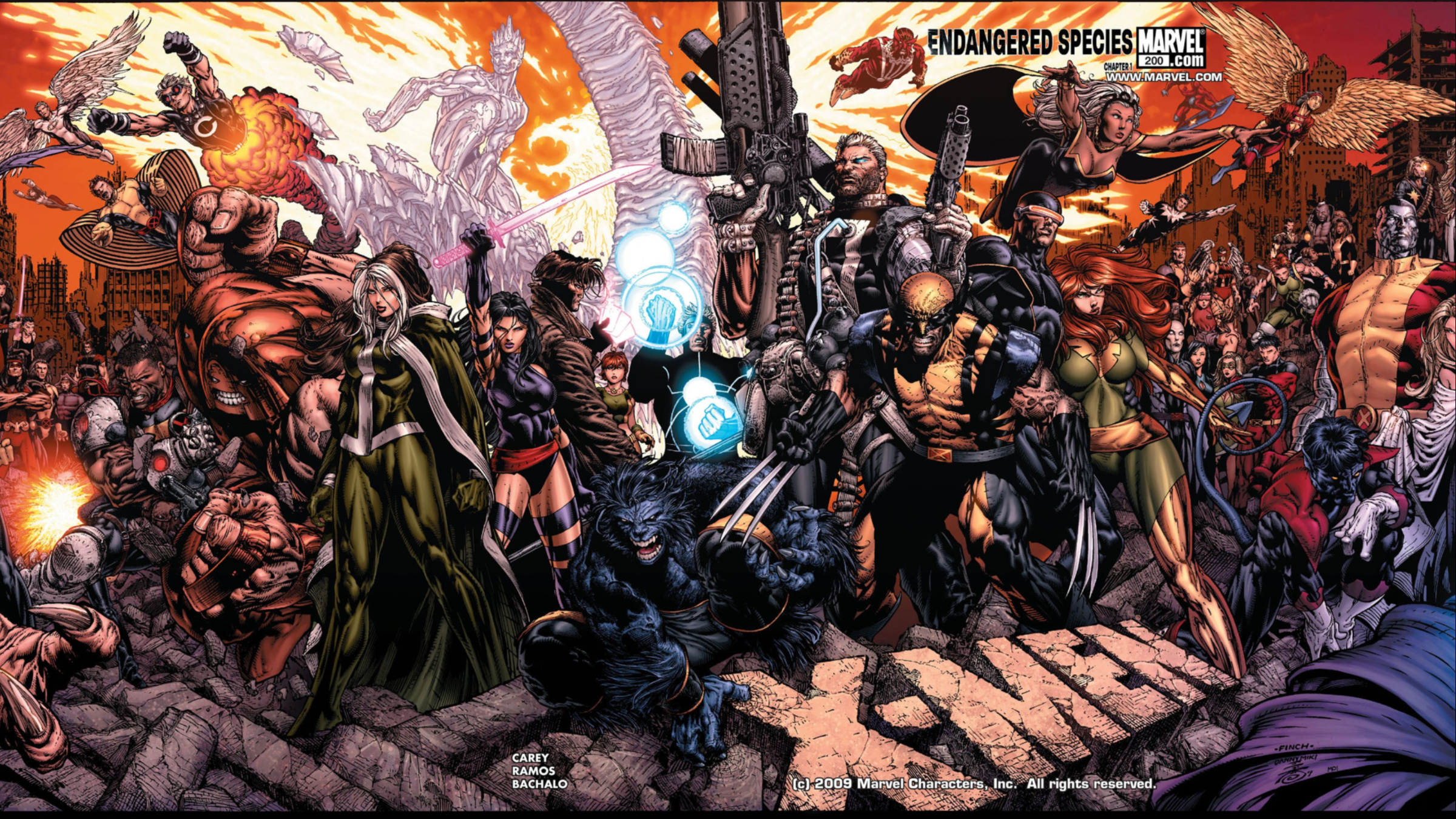
Issue #200 of X-Men (Vol. 2) marked the end of Mike Carey’s first year writing the series, and it was a dramatic one! It was revealed that some of Rogue’s team were secretly working for Mister Sinister, leading to an attack on the X-Mansion by a new version of the Marauders, featuring Gambit and Sunfire. This issue launched a storyline that ultimately led to the destruction of the X-Mansion and the team’s relocation from New York City to San Francisco. It’s a thrilling, action-filled story that was key in starting the team’s ‘Utopia’ era.
3) Uncanny X-Men #500
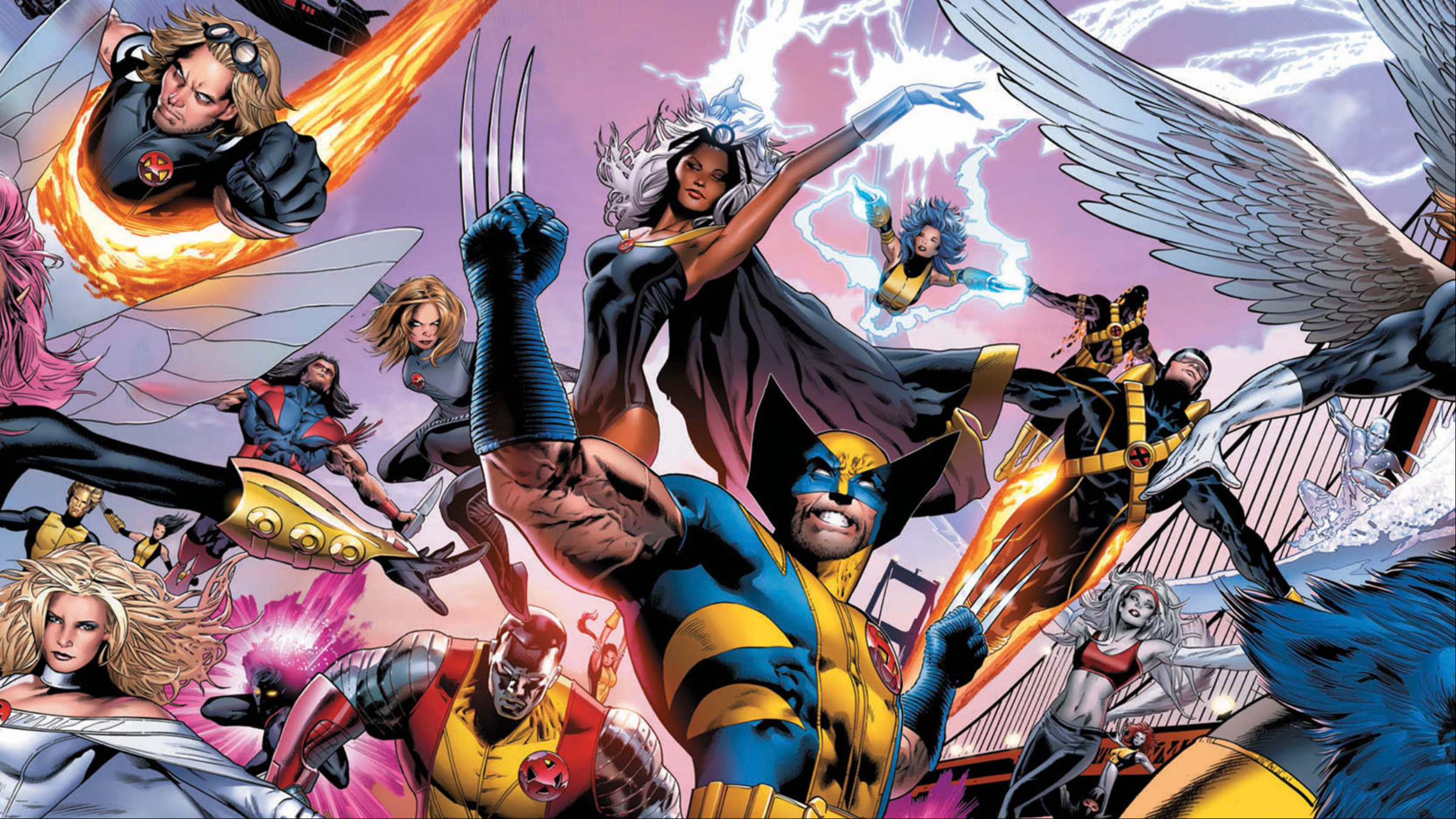
As a huge X-Men fan, I always get asked about issues #500 of Uncanny X-Men and #200 of X-Men (Vol. 2), and honestly, they’re both incredibly important. While some fans actually prefer #200, it’s mostly because the art on #500 by Greg Land wasn’t everyone’s cup of tea – a lot of us were getting tired of his style by then. But #500 is the issue where the team officially moves to San Francisco, which is a huge moment in X-Men history, so you kind of have to forgive the art! Luckily, Terry Dodson did some work on that issue too, so it wasn’t all Land’s… unique style.
2) Uncanny X-Men #700

The Krakoa era was a really creative period for the X-Men, and many fans were sad to see it end. The story concluded with a special, extra-long issue, Uncanny X-Men #700, which was generally well-received despite some issues with the overall ending. However, the issue number itself is a bit misleading. X-Men Legacy #300 previously used the old numbering system to reach that number, but it had been six years since a true Uncanny series had been published, with the team’s last legacy number being #631. This issue counted issues from X-Men volumes 5 and 6 towards the Uncanny numbering, something that hadn’t been done before. Essentially, Marvel wanted to have a symbolic 700th issue to mark the end of the big Krakoa story, even though there aren’t actually 700 issues of Uncanny (a bit of a nerdy detail, but it’s true!).
1) Uncanny X-Men #200
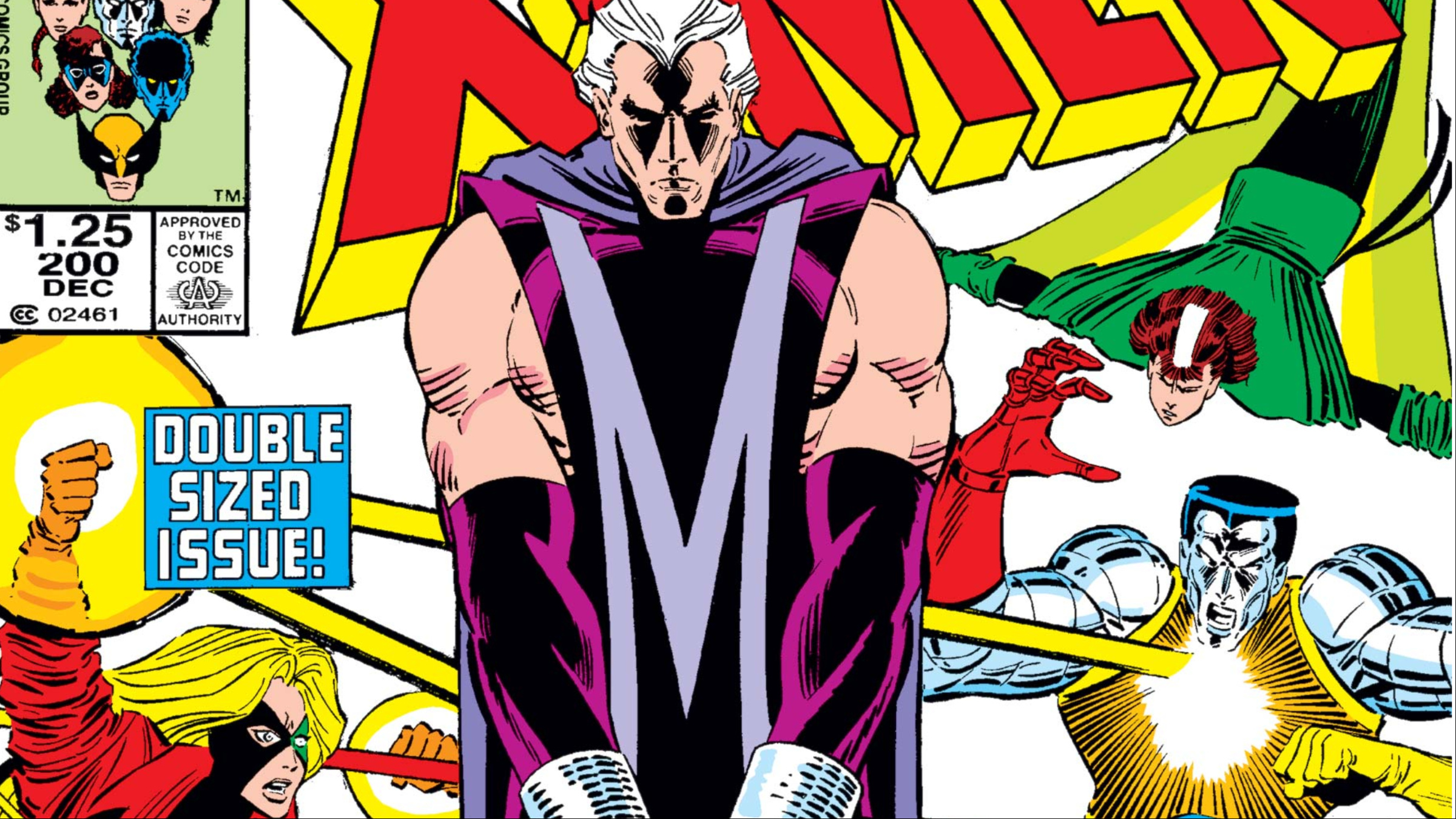
Uncanny X-Men #200 is widely considered the most significant and best X-Men milestone issue. Its impact stems from a permanent change to the character of Magneto. Originally a typical villain created by Stan Lee, writer Chris Claremont deepened Magneto’s backstory by revealing his experiences as a Holocaust survivor, making him a more complex and sympathetic character. This led to the events of “The Trial of Magneto,” where he voluntarily faced judgment for his past actions while being targeted by the Nazi-created Fenris Twins. The issue concluded with Magneto taking over as headmaster of Xavier’s School for Gifted Youngsters – his first act as a hero. This pivotal moment fundamentally altered Magneto’s character and his relationship with the X-Men.
https://comicbook.com/comics/list/10-best-x-men-comics-of-all-time-1-will-never-be-matched/embed/#
Read More
- 4 TV Shows To Watch While You Wait for Wednesday Season 3
- 10 Best Buffy the Vampire Slayer Characters Ranked
- All 6 Takopi’s Original Sin Episodes, Ranked
- PlayStation Plus Game Catalog and Classics Catalog lineup for July 2025 announced
- Best X-Men Movies (September 2025)
- Every Creepy Clown in American Horror Story Ranked
- 10 Great Netflix Dramas That Nobody Talks About
- The 10 Best Episodes Of Star Trek: Enterprise
- Ted’s ‘Dungeons & Dealers’ Episode Accurately Captures D&D Experience
- 32 Kids Movies From The ’90s I Still Like Despite Being Kind Of Terrible
2026-03-19 20:16