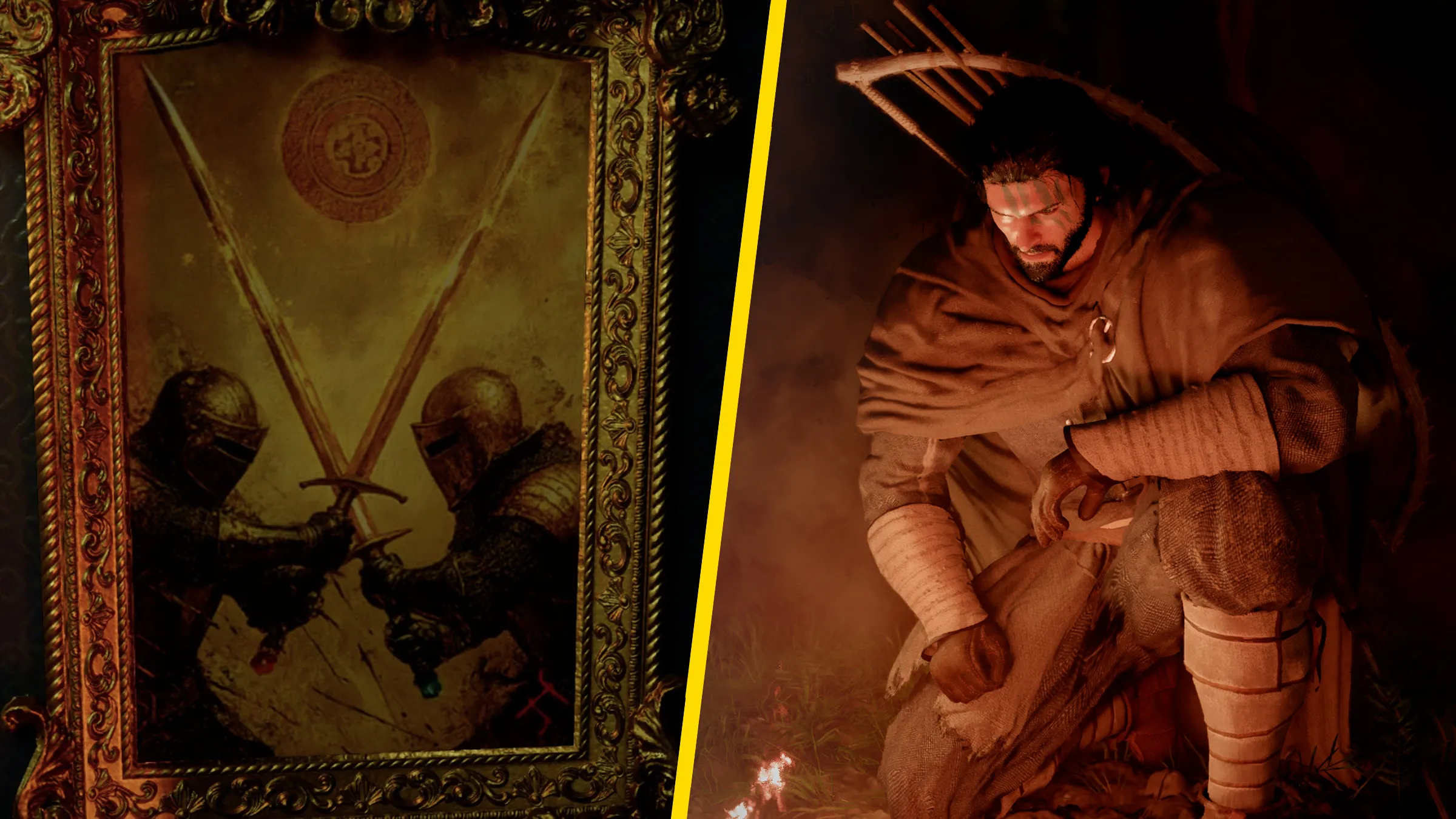
Crimson Desert feels like a patchwork of ideas borrowed from other successful games. It takes inspiration from titles like Red Dead Redemption 2, The Legend of Zelda: Tears of the Kingdom, The Witcher 3, and Dragon’s Dogma 2, but ultimately doesn’t measure up to any of them. To fill out its vast world, the developers at Pearl Abyss quietly used generative AI, and their initial lack of transparency, followed by a weak apology, suggests this practice may become more common – and problematic – in future games.
Pearl Abyss says the low-quality artwork was created with AI as a temporary guide for the game’s visual style. They claim it was mistakenly included in the final version, which is why players noticed the poor quality.
Crimson Desert’s Gen AI Paintings Are Ugly
That’s AI or am I crazy?
byu/Scared_Noise_395 inCrimsonDesert
It’s difficult to accept this explanation, and it feels more like an apology for being discovered than a genuine mistake. Before this situation, the Steam page for the game made no claims about using AI, suggesting Pearl Abyss was deliberately trying to mislead players by quietly using the technology. Game developer Rami Ismail pointed out that truly temporary assets are clearly marked so the studio remembers to remove them. However, the artwork in Crimson Desert looked good enough to potentially pass as final, leading to the impression that Pearl Abyss hoped people wouldn’t notice the shortcut and they could get away with it.
It’s likely other game developers will start using similar strategies. Because there’s so much distrust surrounding generative AI, companies aren’t motivated to be upfront about using it. Valve, which runs Steam, doesn’t appear to require developers to disclose AI usage – and hasn’t responded to questions about it – and console manufacturers don’t offer a place for such disclosures. Therefore, if developers risk criticism for admitting they’ve used AI, they’ll probably try to hide it, only apologizing if they’re discovered – and often only after the game is released and pre-orders are in. It’s a manipulative tactic.
Crimson Desert Isn’t the First Game to Not Disclose Gen AI Use and Won’t Be the Last
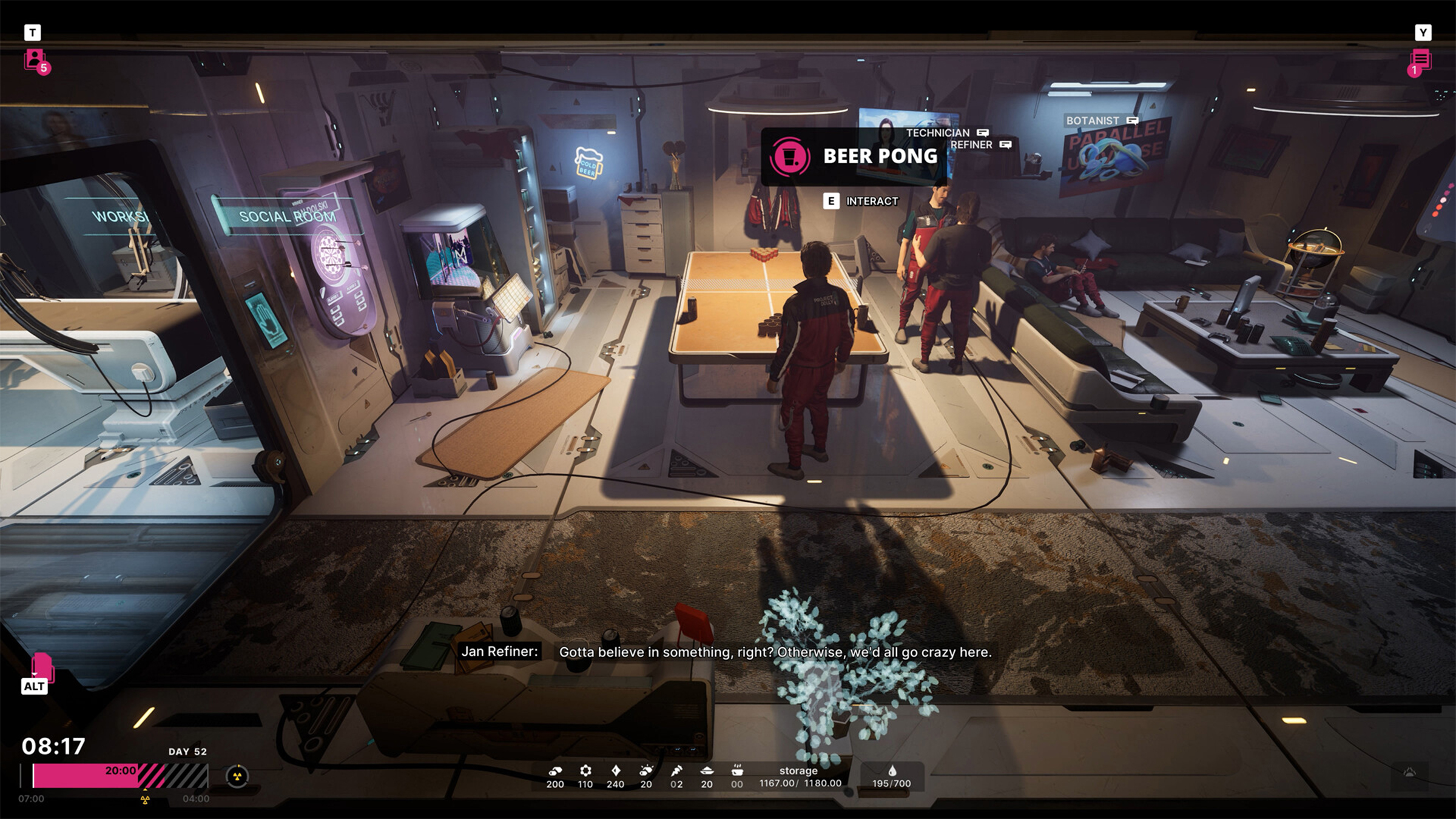
This isn’t limited to poorly received games, either. Even successful titles like Clair Obscur: Expedition 33 quietly launched with some AI-generated textures without informing players, though the issue was quickly fixed. 11 bit studios faced criticism for including the prompts used to create text in The Alters, and Activision was caught using AI art in Call of Duty: Black Ops 7, only admitting it after being called out. DICE took things a step further with Battlefield 6, seemingly avoiding disclosure about their use of generative AI despite clear evidence. The game received AI-generated art post-launch, but the developers didn’t even update the Steam page to reflect this, which is a particularly noticeable tactic.
Honestly, looking at what happened with games like Crimson Desert and Battlefield 6, I think that’s a pretty scary preview of what we’ll see again in the future. It feels like studios are getting squeezed – they’re pressured to cut corners, rush development to meet deadlines, or just try to satisfy people who don’t understand games. That’s when you start getting unfinished, low-quality stuff slipping through, and fans are not happy about it. Some people on the development teams will definitely raise concerns, but when the focus is just on making money quickly, those concerns often get ignored. It’s a really frustrating cycle.
This practice has no place in game development. Beyond being unpleasant to look at and ethically questionable, it goes against our natural drive to create. These tools mostly seem intended to replace workers with promises of future benefits – benefits that rarely materialize. Right now, they just piece together existing work to produce something mediocre at best.
Creating games involves artistry, technical skill, and business considerations. When developers don’t reveal if they’ve used AI-generated art, it feels like they’re prioritizing profit over artistic integrity. They’re using this technology to save time and money, and by keeping it secret—which some stores require them to disclose—they’re trying to have it both ways. This practice will likely continue because companies don’t face significant consequences for it. The technology isn’t improving quickly enough to justify its use, as demonstrated by the negative reaction to NVIDIA’s latest DLSS 5. Currently, AI-generated art isn’t convincing enough for companies to openly embrace, so hiding its use seems like the easiest option.
Because there’s no strong reason for companies to stop using generative AI, and they won’t be penalized for not being upfront about it, many will likely continue using it, even as scrutiny increases within the gaming industry. Generative AI is already a controversial technology, and adding secrecy and dishonesty will only worsen the problem.
What do you think? Leave a comment below and join the conversation now in the ComicBook Forum!
Read More
- Everything You Need To Know About Nikki Baxter In Stranger Things’ Animated Spinoff
- ‘The Bride!’ Review: Jessie Buckley Breathes Life into a Monstrous Mess
- Welcome to Demon School! Iruma-kun season 4 release schedule: When are new episodes on Crunchyroll?
- Miranda Kerr Shares “Quick” Procedure She Got Before Met Gala 2026
- The Boys Season 5, Episode 5 Ending Explained: Why Homelander Does THAT
- How to Build Water Elevators and Fountains in Enshrouded
- Taylor Sheridan’s Gritty 5-Part Crime Show Reveals New Final Season Villain
- Anna Wintour Reacts to Rumors She Approves All Met Gala Looks
- Mark Zuckerberg & Wife Priscilla Chan Make Surprise Debut at Met Gala
- Why There’s No Ghosts Tonight (Nov 27) & When Season 5, Episode 7 Releases
2026-03-24 20:13