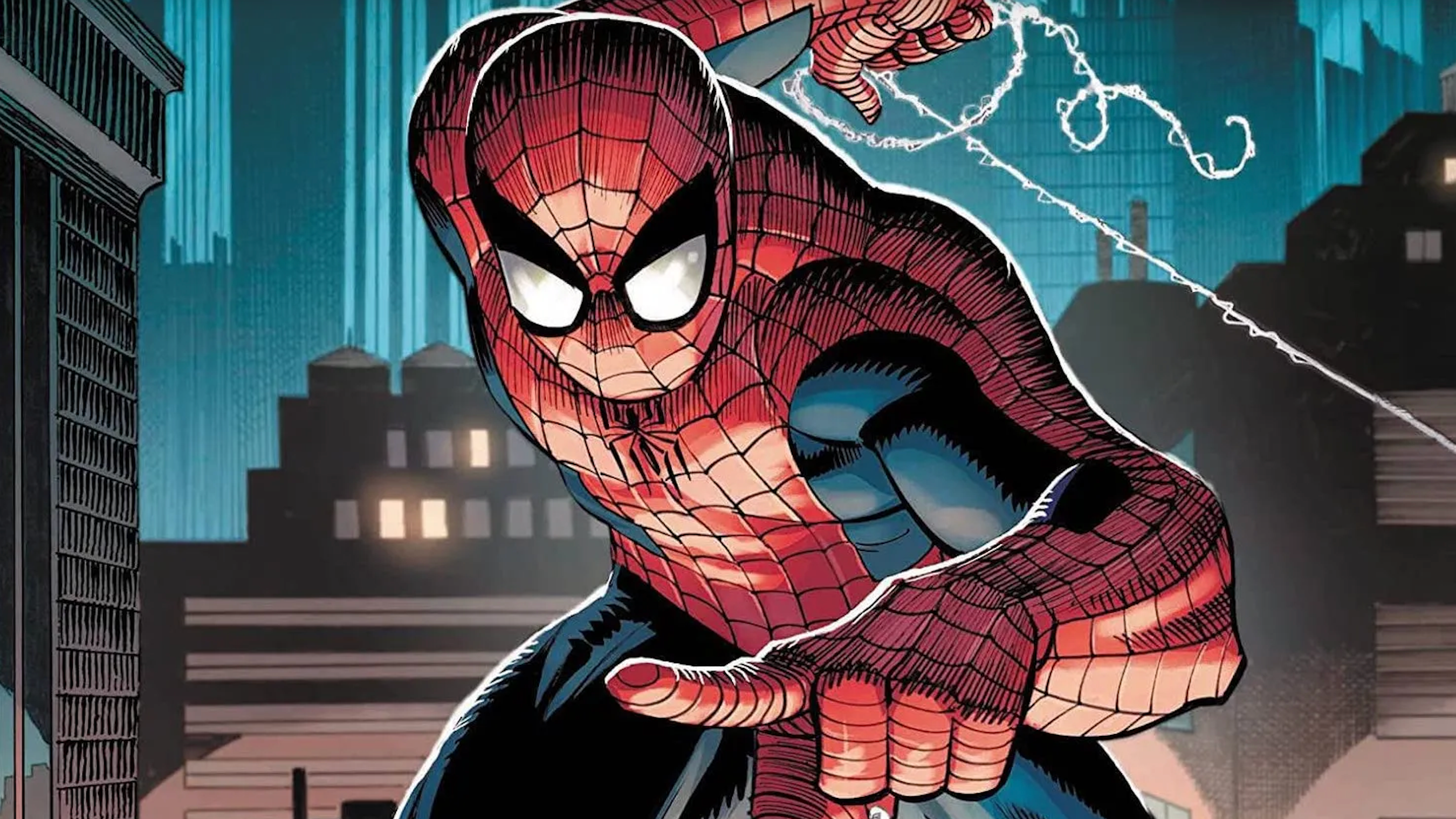
As a huge Marvel fan, I truly believe Peter Parker, Spider-Man, is the best superhero they’ve ever created. He’s instantly recognizable with that amazing suit, and it’s not just about the powers – he’s funny, and at his core, he understands that with great power comes great responsibility. A lot of his stories are legendary and really pushed the boundaries of what comics could be, with compelling plots and characters we all connect with. But let’s be real, not every Spider-Man story is a winner. There are some that are just… bad. Seriously, some of them completely change who Spider-Man is, have ridiculous storylines, or retcon things in a way that just makes everything worse. Those are the stories we could have definitely done without.
It’s normal for not every Spider-Man story to be great, but some writing decisions have been truly baffling. Occasionally, Marvel had to rewrite these bad stories, while other times they stubbornly stuck with them, even when fans strongly disagreed. Here’s a look at some of the very worst Spider-Man storylines.
10) “Clone Saga”

The “Clone Saga” started strong, bringing back the popular character Ben Reilly and introducing the intriguing Kaine, a villain who became an anti-hero. However, despite this promising beginning, the storyline went on far too long. It began with Ben Reilly’s return, claiming he was the original Spider-Man and Peter Parker was the clone. Peter and Ben, sometimes as rivals and sometimes as partners, then discovered a plot involving the villains Jackal, Kaine, and Norman Osborn. But the story quickly became repetitive and overly complicated, filled with endless clones and pointless twists, ultimately becoming a drawn-out mess that lasted for two years.
9) “Parker Industries”
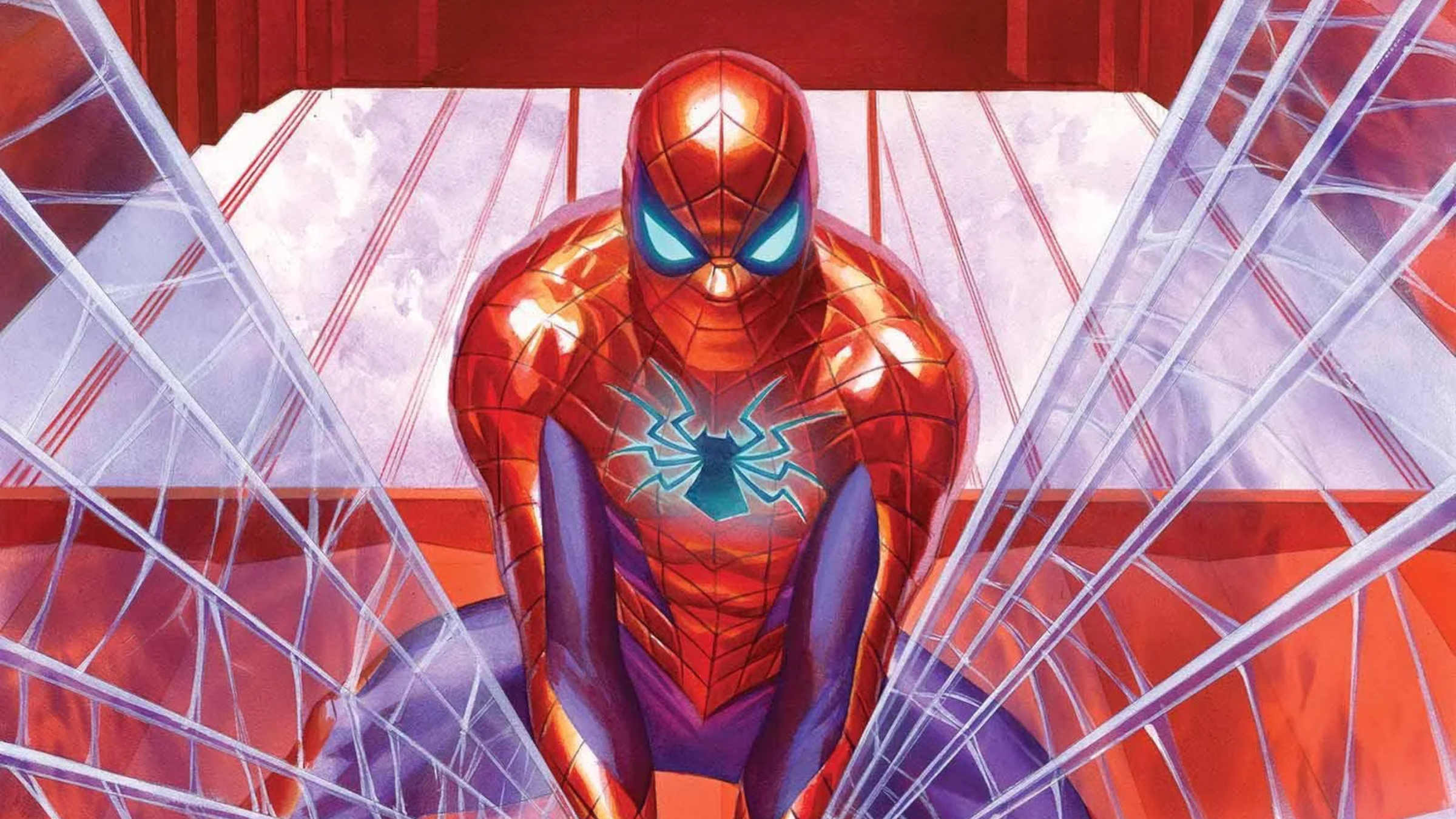
Okay, so the storyline where Doc Ock briefly took over Peter Parker’s body and, using Peter’s intellect, built a massive tech company called Parker Industries? It had potential, honestly. The idea of Peter finally leveraging his smarts to achieve some financial success was intriguing, a nice break from the perpetually struggling hero trope. But wow, did it stumble. Almost overnight, Peter went from the friendly neighborhood Spider-Man we all love to a completely arrogant and unlikeable character. It felt incredibly rushed and unearned – one minute he’s a relatable underdog, the next he’s stealing ideas and acting like a total jerk. And the worst part? When Parker Industries inevitably failed, the whole thing was just dropped. We went right back to Peter being the broke, down-on-his-luck hero, as if this entire arc never even happened. It just felt… unsatisfying.
8) “The Return of Peter Parker’s Parents”
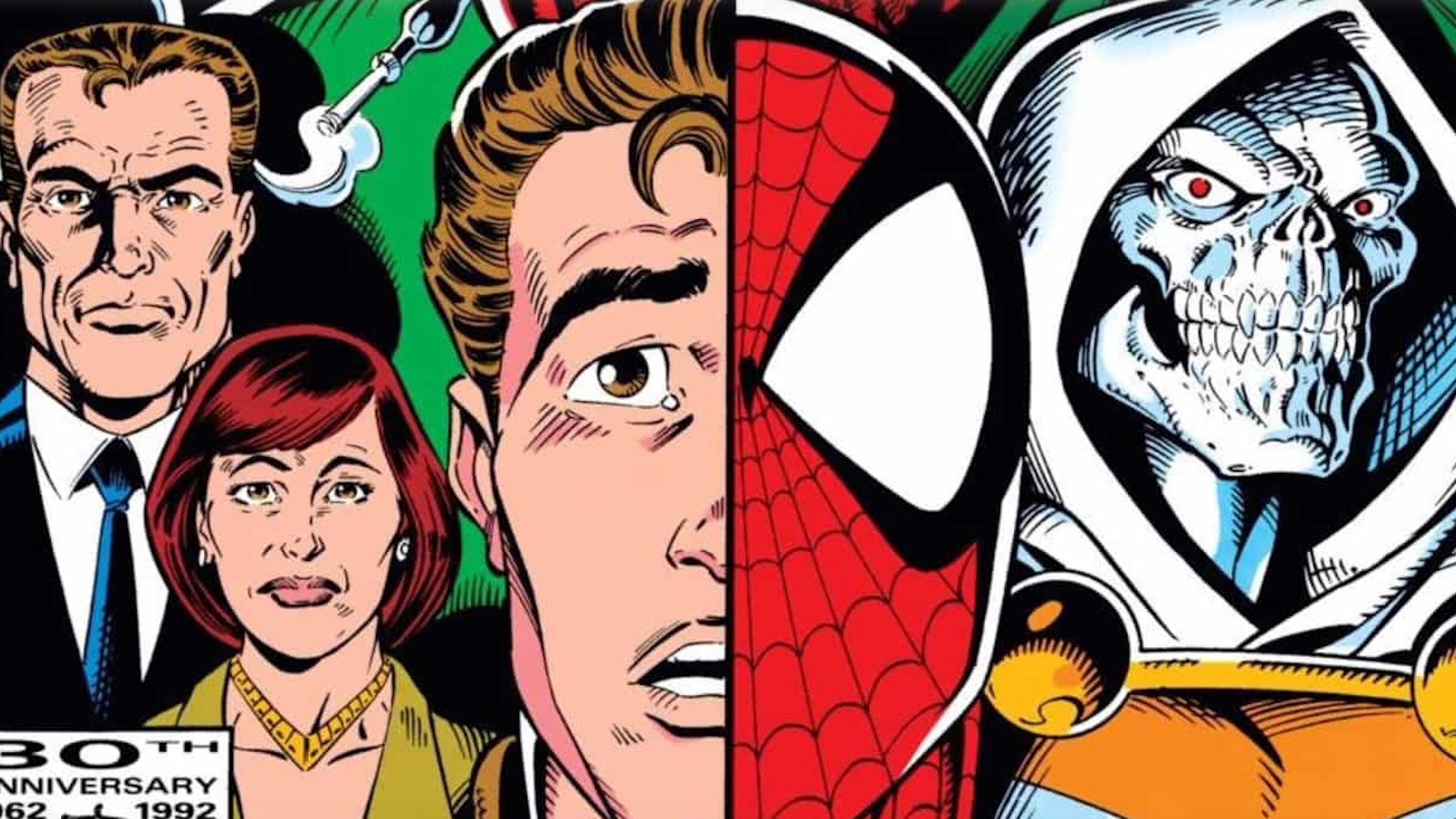
For thirty years, Spider-Man believed his parents, Richard and Mary Parker, had died. Their unexpected return, claiming they’d been imprisoned in Russia, was already bizarre and confusing for fans. But the truth revealed two years later was even stranger: these weren’t Peter’s real parents at all, but shapeshifting robots created by the Chameleon and ordered by the Green Goblin. This complicated storyline, known as “The Return of Peter Parker’s Parents,” was so outlandish that it led most readers and writers to agree that Spider-Man’s parents should stay dead.
7) Spider-Man: Chapter One

Like many superheroes, Spider-Man’s story has been going on for decades and can be hard to follow. To give new readers a place to start as well as update the character, Spider-Man: Chapter One acted as both a retelling and a reboot of the Wall-Crawler’s origin. Unfortunately, this reboot completely fell flat for several reasons. Firstly, Peter’s origin was unnecessarily retooled so that he was in a massive radiation explosion before being bitten by the spider. Secondly and more importantly, the story felt less like a reboot and more like a CliffsNotes version of Spider-Man’s origin, with many iconic moments condensed, skimmed, or skipped over entirely. Lacking emotional weight or pacing, Spider-Man: Chapter One was soon abandoned and retconned.
6) “The Gathering of Five and the Final Chapter”
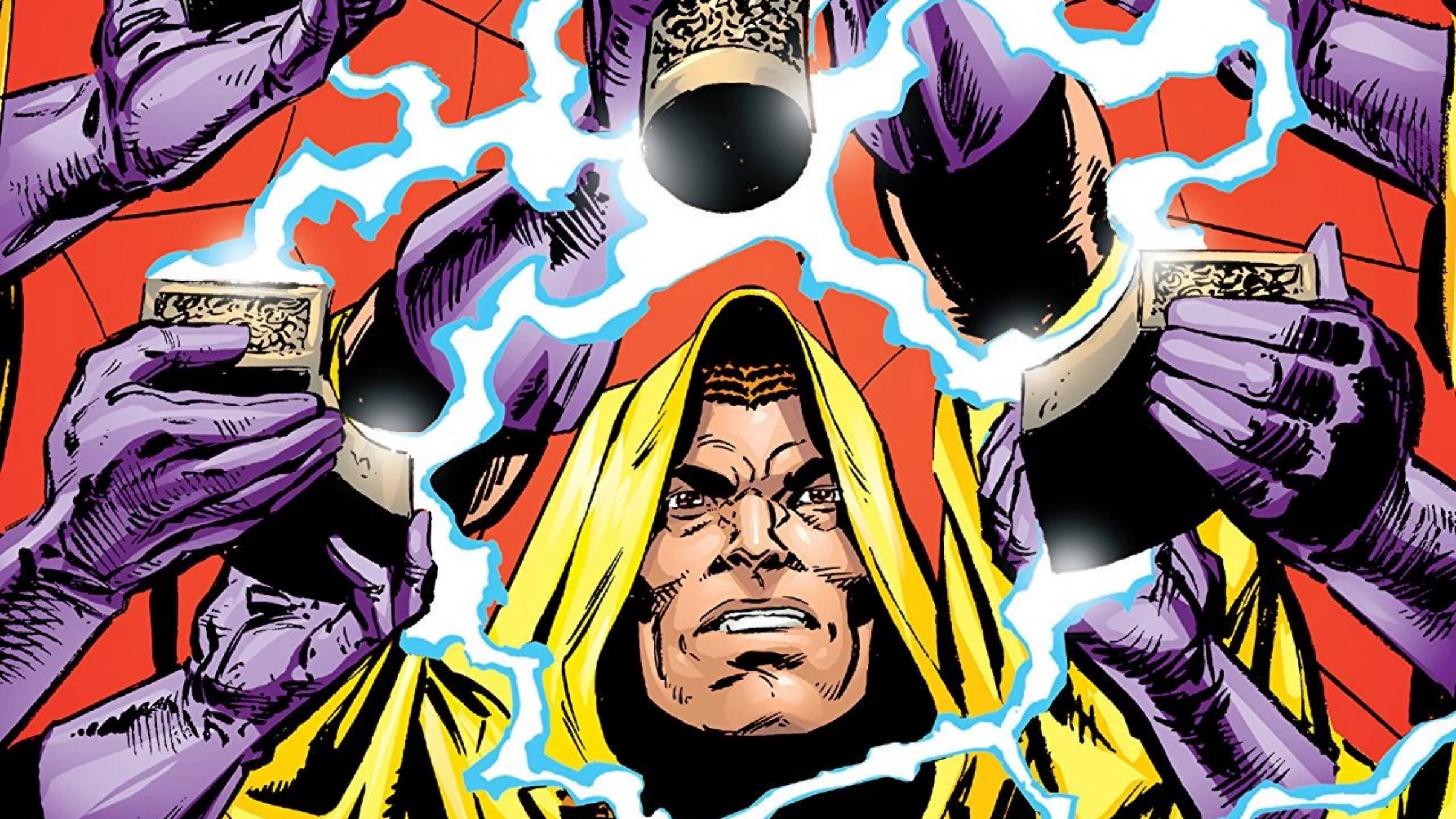
“The Gathering of Five and the Final Chapter” really mishandled the return of Norman Osborn after his apparent death in “The Goblin’s Last Stand.” The story involved a failed attempt by Norman to achieve immortality, and then a shocking reveal: Spider-Man and MJ’s baby, who everyone thought had died at birth, was actually kidnapped by Norman. To make matters worse, it turned out Aunt May, previously believed to be dead, was still alive, having been secretly replaced by an imposter who tragically died in her place. However, the storyline completely dropped the plot thread about Spider-Man and MJ’s baby. By reversing the meaningful death of Aunt May and introducing the unnecessary twist about the baby, the story just doesn’t work.
5) Trouble
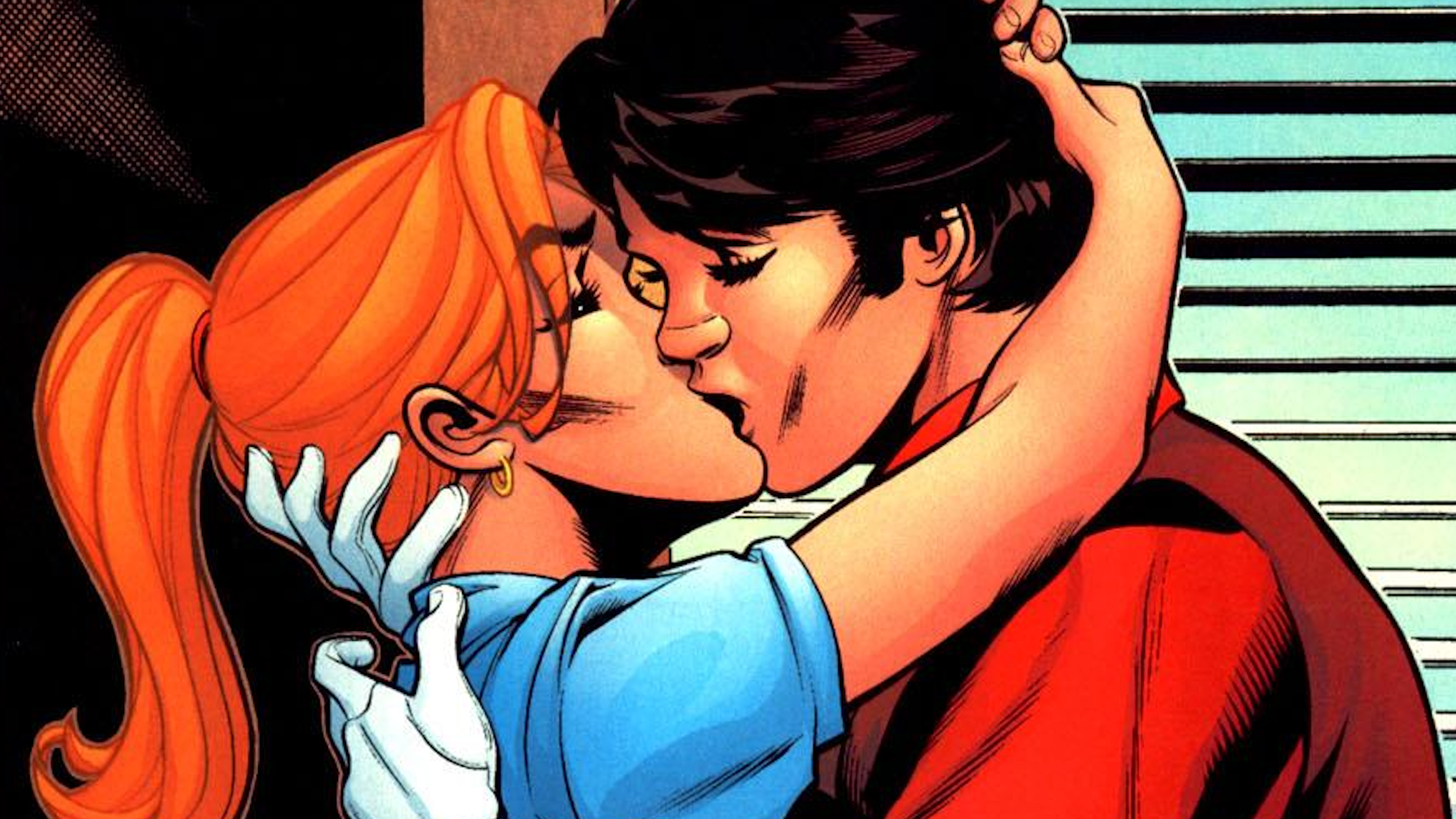
Some Marvel writers apparently disagreed with the established story of Peter Parker being raised solely by Aunt May. They created a strange prequel series called Trouble that explored the younger years of Peter’s parents, Richard and Mary Parker, along with Aunt May and Uncle Ben. In a surprising and out-of-character twist, the story depicted May having an affair with Richard, resulting in Peter’s birth. To hide this from her family, May gave the baby to Richard and Mary to raise. Trouble was an odd and awkward storyline that drastically changed Aunt May’s character and needlessly complicated her relationship with Peter. Fortunately, this story has since been officially disregarded as part of the main continuity.
4) “Dead Language”
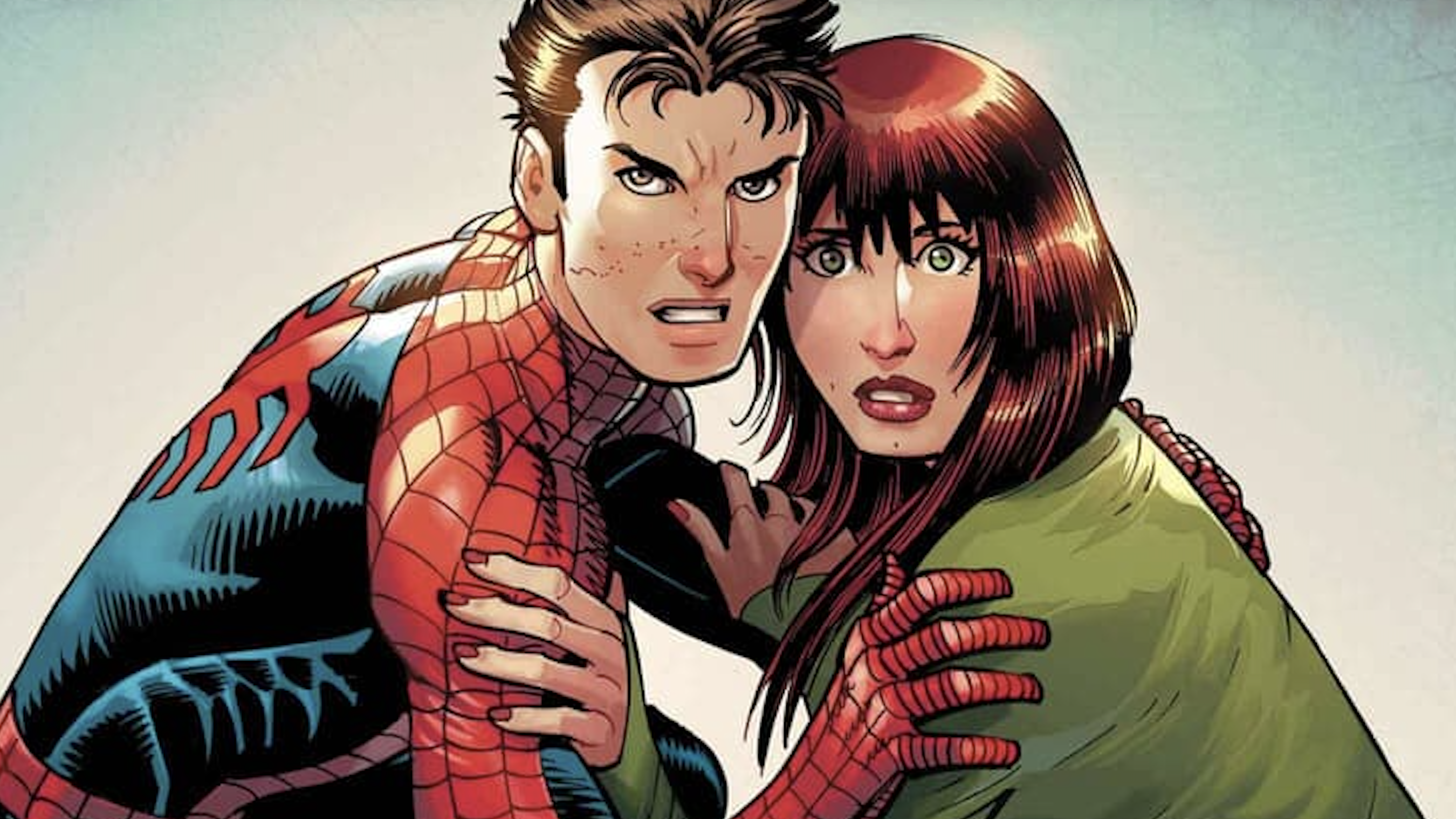
Zeb Wells began his work on The Amazing Spider-Man with a dramatic shift: everyone suddenly distrusts Spider-Man, and Mary Jane is married to a man named Paul. The story “Dead Language” explained the events from six months prior that caused this. Spider-Man attempted to rescue MJ from a dimension where time flows much faster, but when he finally succeeded, years had passed for her. She had met and fallen in love with Paul. Now, Spider-Man is battling the villain responsible again, and Ms. Marvel unexpectedly showed up, only to die. The entire storyline, including the renewed separation of Spider-Man and MJ and Ms. Marvel’s jarring death, feels contrived and doesn’t flow naturally.
3) “One Moment in Time”
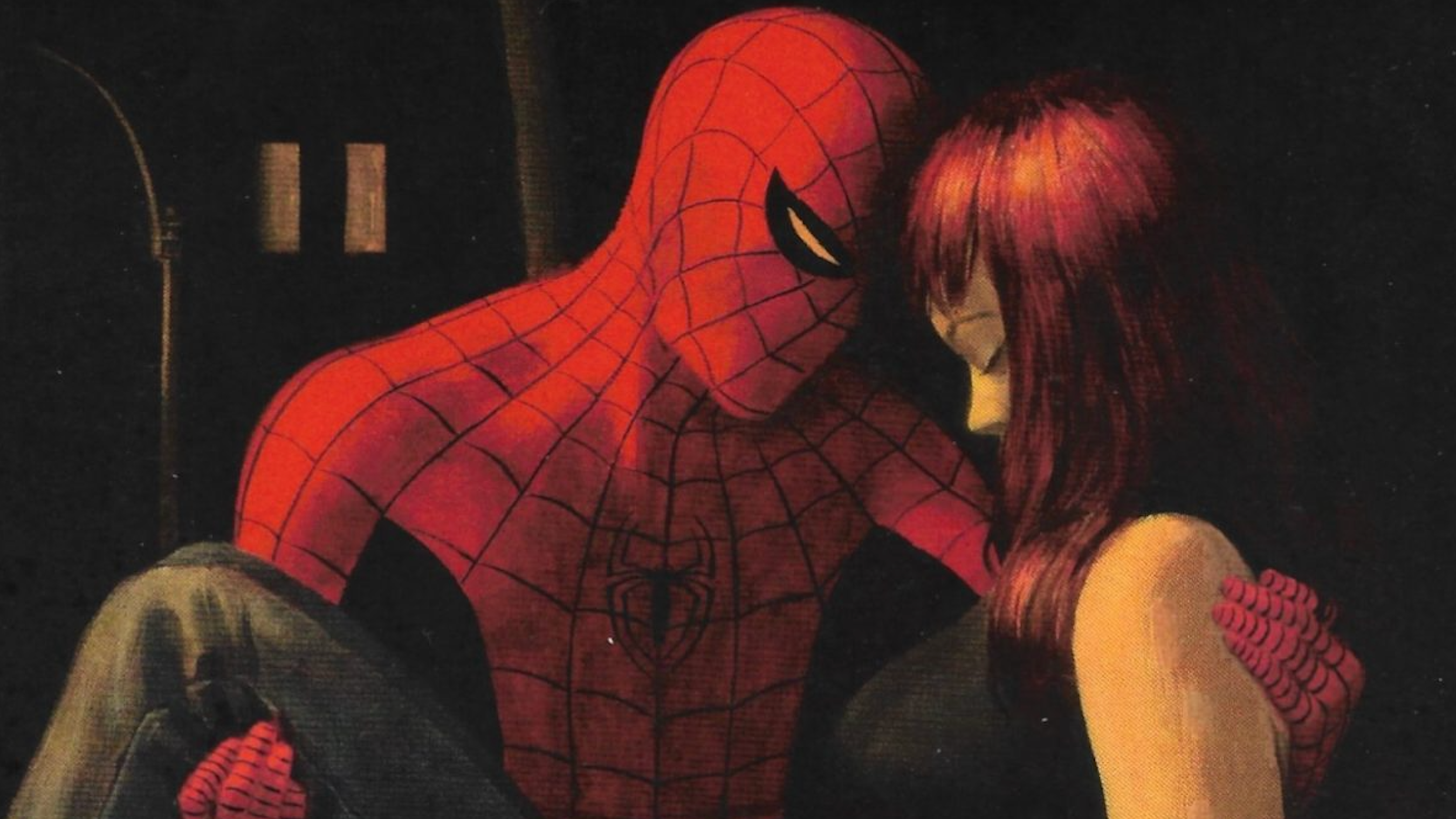
Following the controversial retcon of Spider-Man and Mary Jane’s marriage in “One More Day,” Marvel doubled down with the storyline “One Moment in Time.” This story attempted to explain what would have happened had their marriage not been erased. It revealed that Spider-Man was kidnapped by his brother, Kaine, on his wedding day, preventing the marriage. Later, after publicly revealing his identity, Spider-Man asked Doctor Strange to make the world forget he was Spider-Man. When he excluded MJ from the memory wipe, she reacted with unexpected anger, upset that he didn’t let her forget his secret. Ultimately, this felt like a weak and unsatisfying effort to justify the unpopular changes of “One More Day,” and it only intensified fans’ negative feelings about the retcon.
2) “Sins Past”
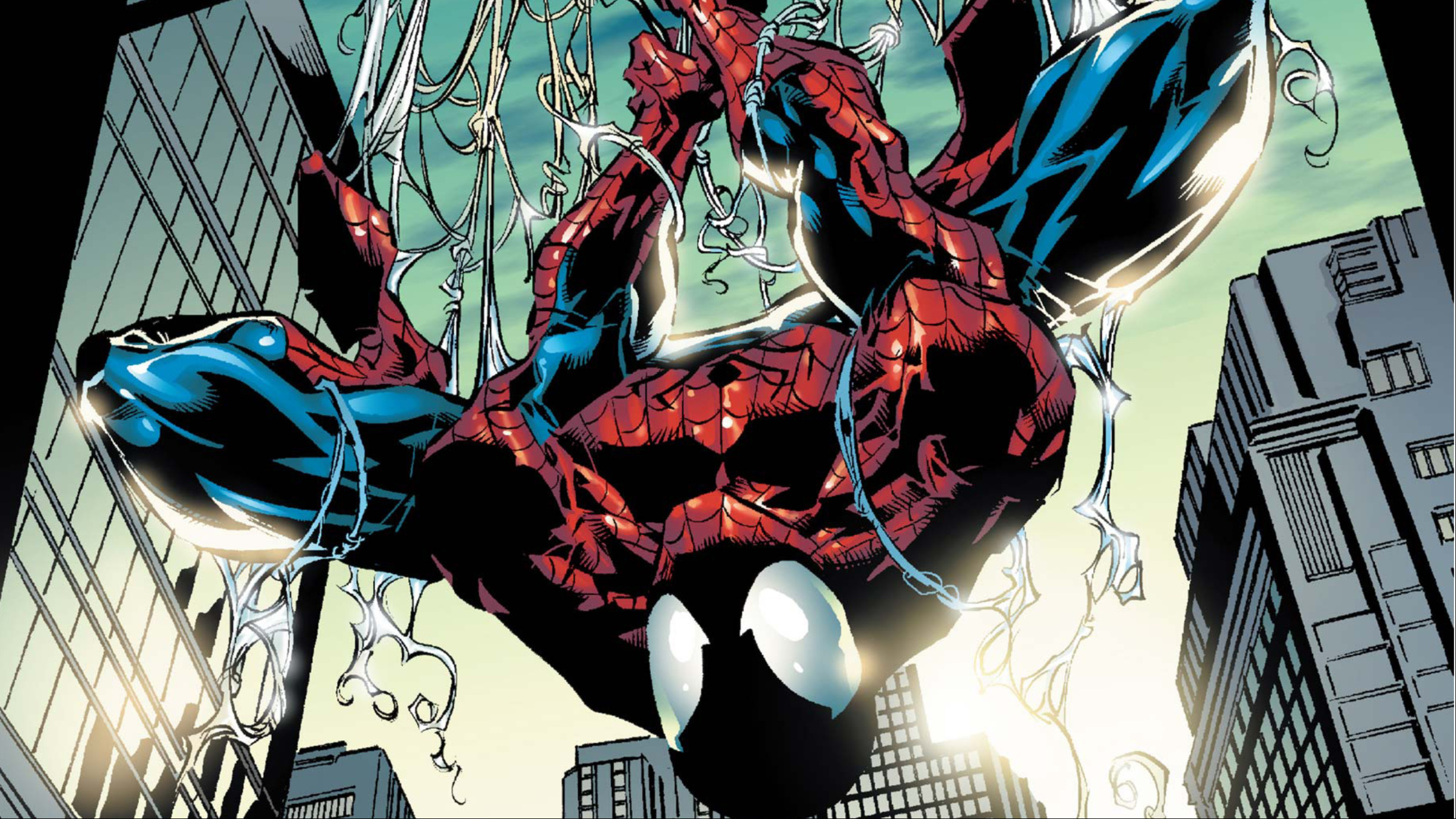
“The Death of Gwen Stacy” is considered a landmark story in comics, but Marvel later made a controversial change to it. In an attempt to create more conflict, they added a storyline revealing Gwen Stacy had a secret affair with Norman Osborn and later gave birth to twins. These twins, Sarah and Gabriel Stacy, eventually led to the creation of the villain known as the Gray Goblin. This affair felt inconsistent with Gwen’s established character, and the story lacked a clear reason for why it happened. Despite widespread criticism, Marvel didn’t reverse this change for 17 years.
1) “One More Day”

It’s no surprise that the Spider-Man storyline “One More Day” is often considered one of the worst comic book stories ever written. It essentially erased 20 years of history, including Spider-Man and MJ’s marriage, seemingly just to keep Spider-Man suffering. To save his Aunt May’s life, Spider-Man made a deal with the devil, Mephisto, trading away his marriage. Instead of letting the relationship develop naturally and potentially end organically, Marvel opted for a dramatic, but ultimately unsatisfying, fix. The story felt less like creative storytelling and more like a forced change dictated by the company. Fans were understandably furious, and the damage to Spider-Man’s reputation is still felt almost two decades later.
What do you think? Leave a Comment below and join the conversation in the ComicBook Forum!
https://comicbook.com/comics/list/the-10-most-powerful-alternate-universe-spider-men-ranked/embed/#
Read More
- Everything You Need To Know About Nikki Baxter In Stranger Things’ Animated Spinoff
- ‘The Bride!’ Review: Jessie Buckley Breathes Life into a Monstrous Mess
- The Boys Season 5, Episode 5 Ending Explained: Why Homelander Does THAT
- Taylor Sheridan’s Gritty 5-Part Crime Show Reveals New Final Season Villain
- Welcome to Demon School! Iruma-kun season 4 release schedule: When are new episodes on Crunchyroll?
- How to Build Water Elevators and Fountains in Enshrouded
- Miranda Kerr Shares “Quick” Procedure She Got Before Met Gala 2026
- Anna Wintour Reacts to Rumors She Approves All Met Gala Looks
- Mark Zuckerberg & Wife Priscilla Chan Make Surprise Debut at Met Gala
- USD JPY PREDICTION
2026-03-24 20:17