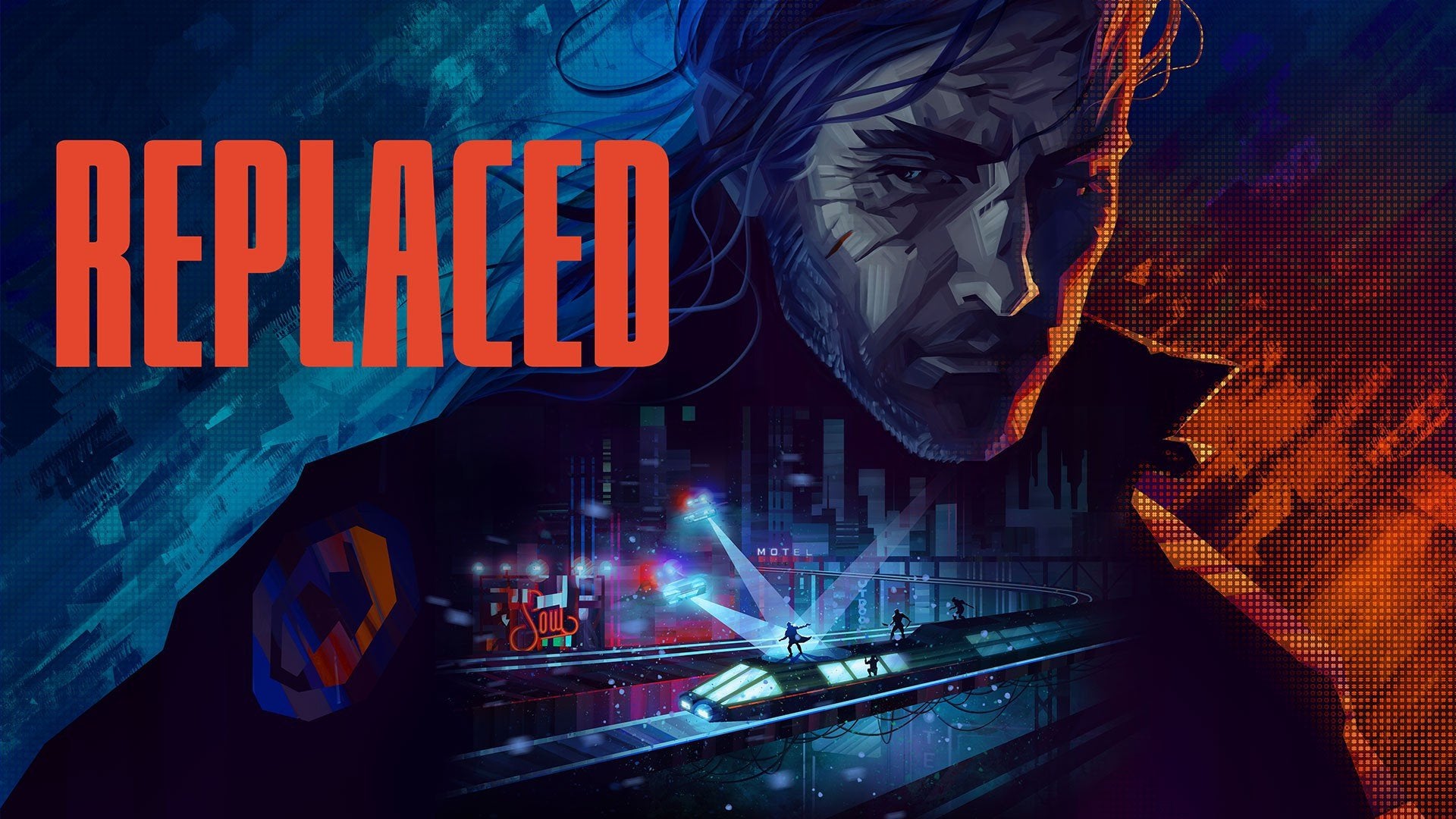
The upcoming side-scrolling game Replaced has generated a lot of excitement with its captivating story, engaging gameplay, beautiful art, and mysterious world. Luckily, we had the chance to ask Yura Zhdanovich and Igor Gritsay from Sad Cat Studios about the game, covering topics like its unique art style, how it plays, and how long it will take to complete the main story.
Replaced has a really unique visual style. Can you talk about what inspired that look, and how you turned those inspirations into the game’s final art direction?
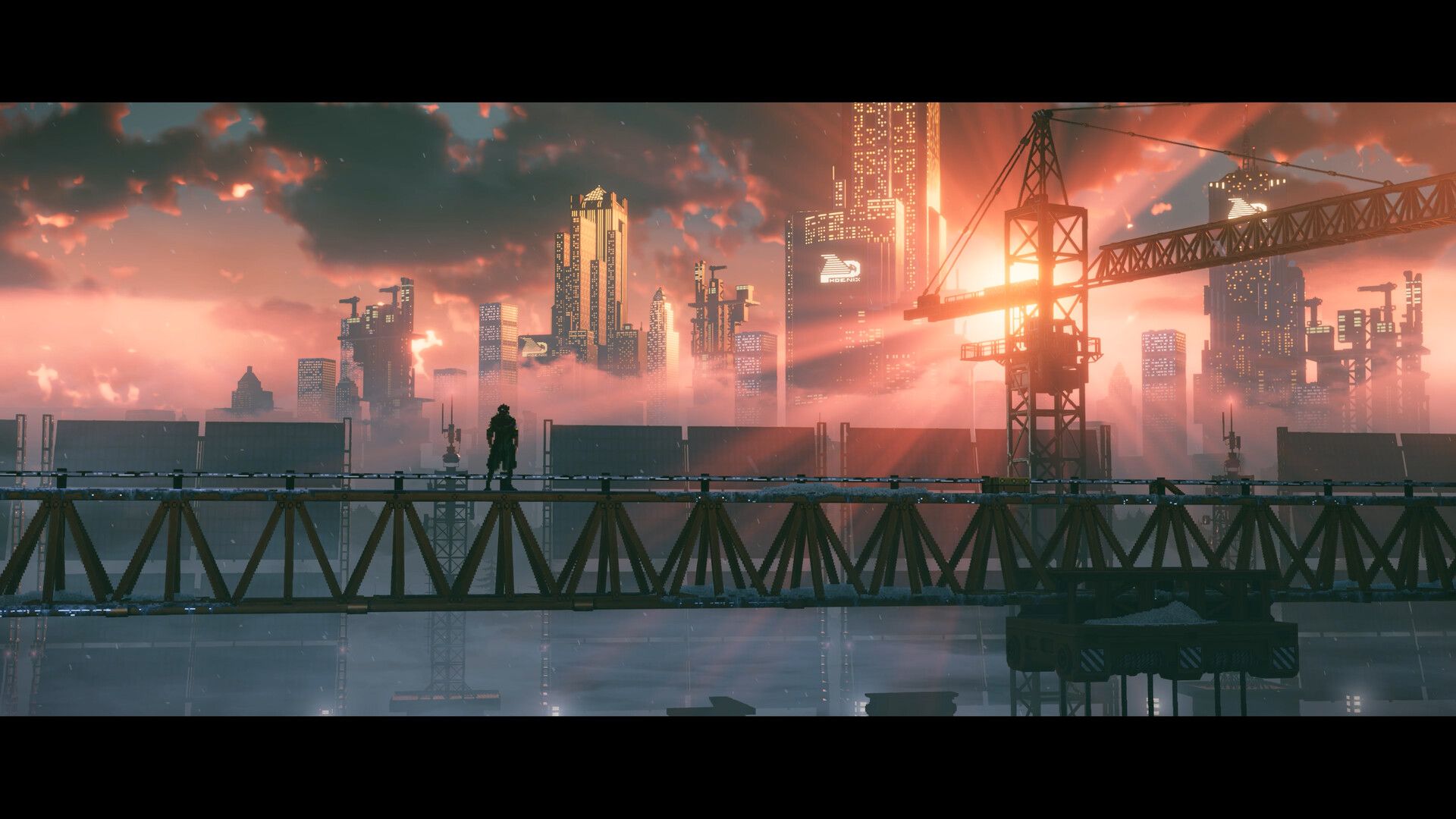
Although the art style in Replaced isn’t groundbreaking, we’ve spent a lot of time blending different techniques to create a unique 2.5D pixel-art look. We were particularly inspired by recent games like Octopath Traveler and The Last Night, but also drew on the classic, more realistic sidescrollers such as Flashback and Another World.
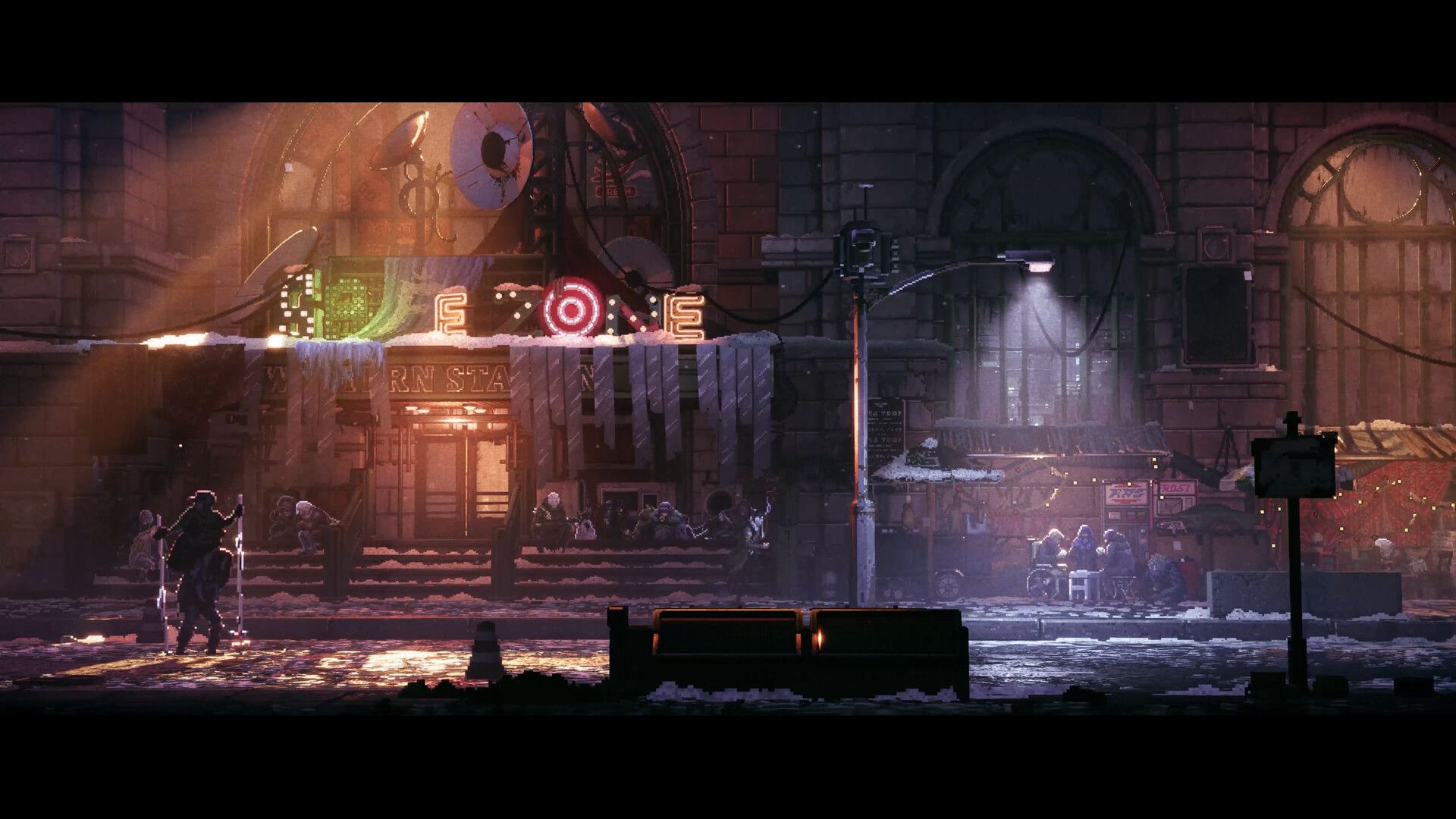
We’ve been diligently exploring various techniques and testing different methods to perfect our 2.5D pixel-art style.
We didn’t just focus on the pixel art style. We also studied games with very different visuals – like Limbo, Inside, and Deadlight – to learn how they create strong atmospheres, compelling lighting, and effective camera angles, all in pursuit of a more cinematic experience.
And how can we forget Disney’s Hercules for PSX? Total next gen 2.5D!
Could you tell us about the main ideas and subjects that Replaced focuses on? Also, considering how much attention AI is getting right now, how central is artificial intelligence to the game’s story?
Our game, Replaced, is fundamentally about what it means to be human. We often see artificial intelligence in cyberpunk and retrofuturistic stories, so we used it as a way to explore this question in a world we love. We didn’t set out to comment on current AI trends – we began developing the game long before the recent surge in AI news. In fact, we see the real-world problems caused by AI as quite ordinary and disheartening. In Replaced, we wanted to imagine a far more complex scenario: what if AI was used to control biotransplantation, and what impact that could have on society?
How do you approach the balance between combat and exploration across the full experience?
Our game emphasizes a strong cinematic experience and atmosphere, but it also includes combat. While the difficulty increases as you progress, we intentionally avoided making it overly challenging. We actually had to make some of the later fights easier to ensure a good balance.
A good game needs a natural flow, with each section ending at the right moment to make way for what comes next.
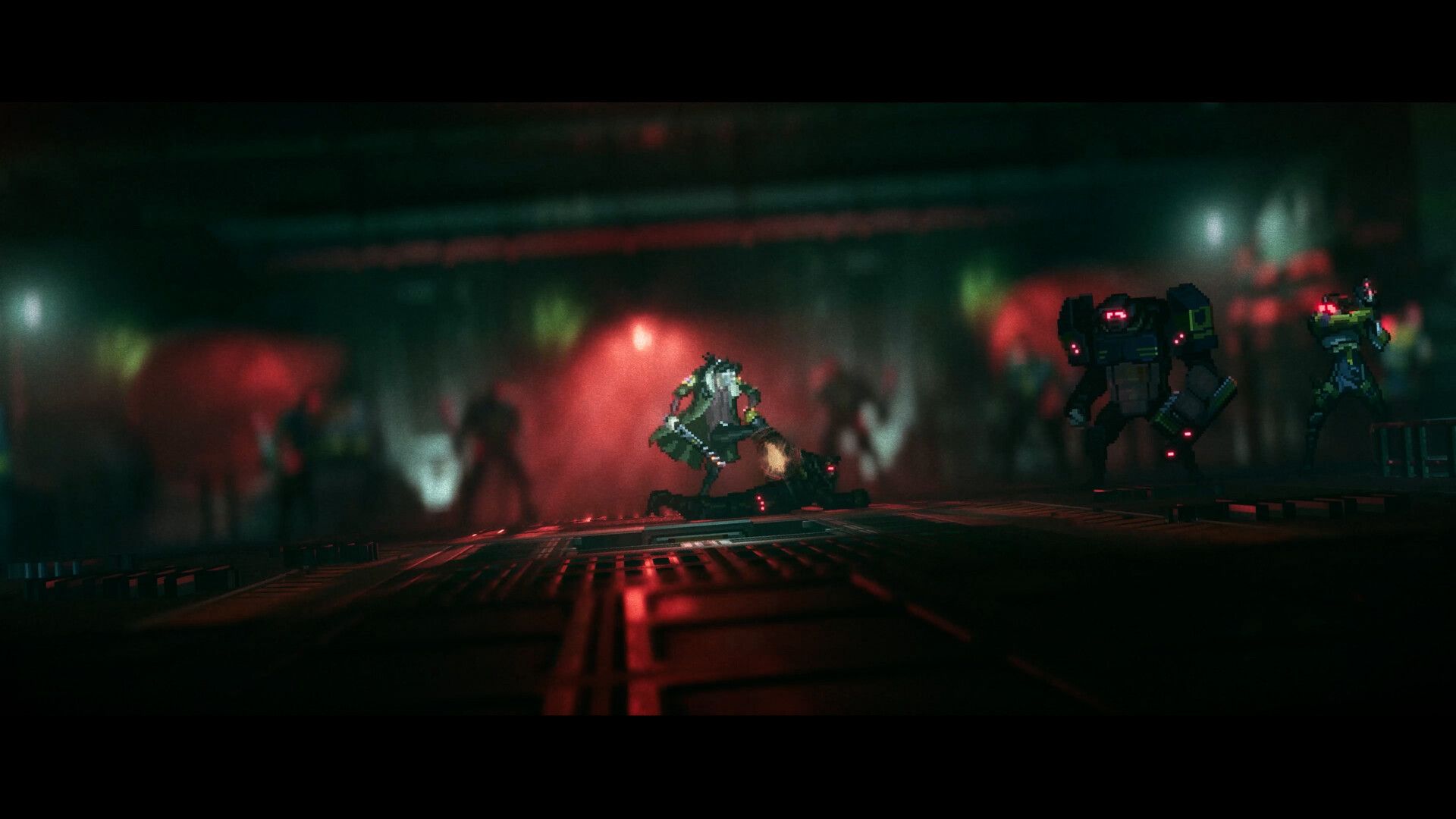
“The main topic of our story is “what does it mean to be a human?”.”
As players advance in the game, what new moves and abilities will become available, and how will these changes affect battles?
Throughout the game, players will find a variety of gadgets. Many of these tools are useful in multiple ways, both when fighting enemies and navigating the environment. For instance, the mechanized pickaxe can break enemy armor and also lets you climb walls. Similarly, upgrading a certain pistol allows you to deflect bullets in combat and gives you a double jump while platforming.
I’ve heard ‘Replaced’ called a ‘cinematic action platformer,’ and I’m really curious what that actually means when you’re playing it. How is it different from a regular platformer? What makes it feel so ‘cinematic’ and what new things does it bring to the table?
The biggest challenge is often how much extra work is involved in creating it! The key difference lies in how the story and gameplay connect. Things like camera angles, visual effects, and the overall visual style are usually much more elaborate than what you’d find in classic arcade platformers.
Classic platformer levels are often abstract and don’t need to feel realistic. However, cinematic platformers require believable level design. We need to integrate all the jumping and platforming challenges into a world that feels grounded and like it could actually exist.
How do you envision melee and ranged combat working together in the game? Do you anticipate players will generally favor one style over the other?
Our game centers around fast-paced, close-quarters combat within a 2D world. While you can use ranged weapons, they’re mainly for dealing with particularly bothersome enemies. We encourage players to be aggressive – the more you attack, the more powerful your gun becomes. Specifically, your gun charges up as you hit enemies, but dodging and playing defensively will cause it to lose power. Since this gun, called Huxley, is your strongest weapon, keeping it charged is crucial. Plus, the main character, R.E.A.C.H., attacks faster and more effectively the longer you maintain a combo without getting hit or playing too passively.
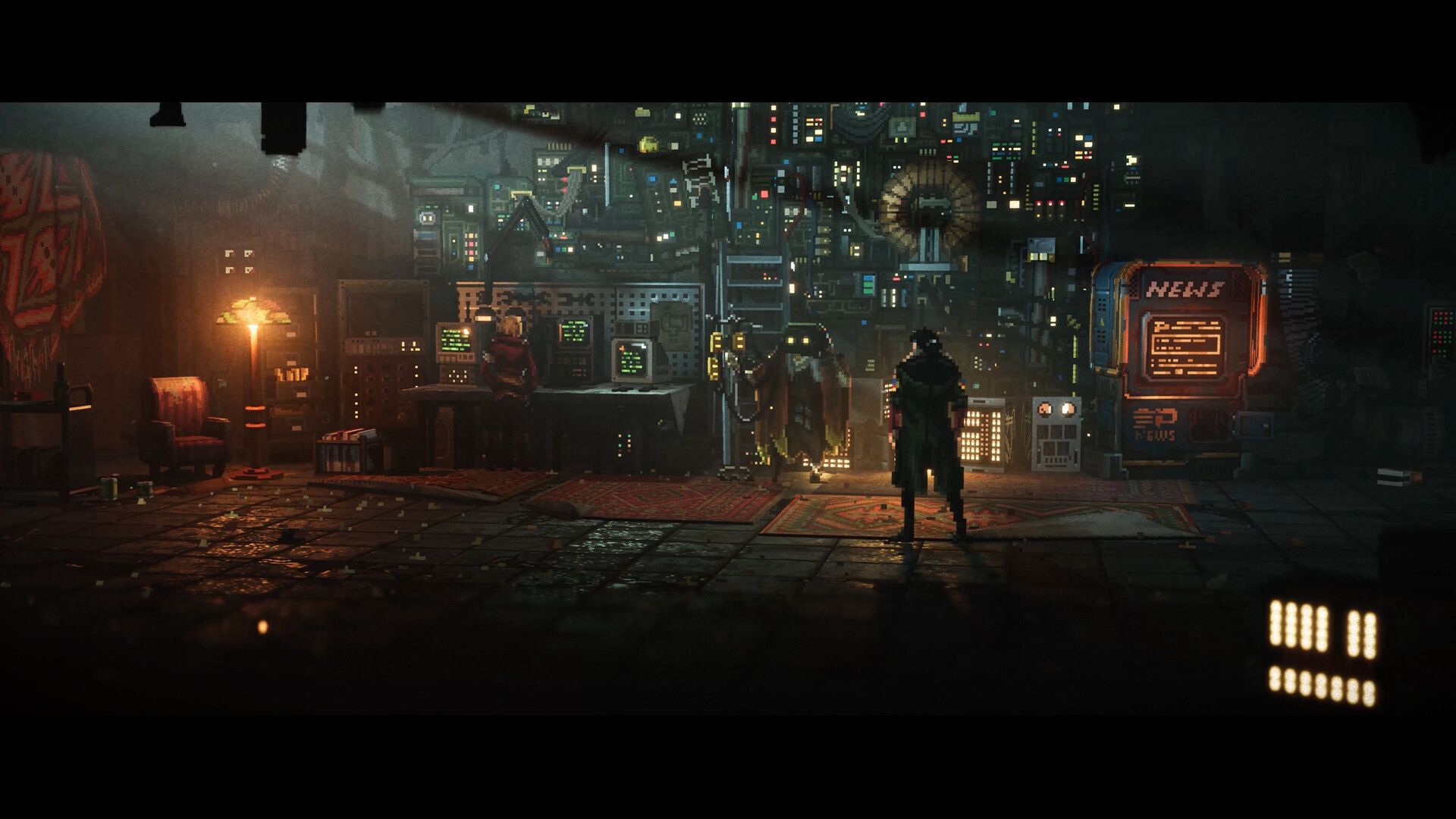
While ranged attacks are a fundamental part of fighting, they’re often used to quickly eliminate troublesome opponents.
The game’s trailers and screenshots have really striking lighting. Can you talk about how the team created that visual style, from both an artistic and technical perspective?
Lighting is essential for creating a cinematic look in any game, and that’s been a key focus for Replaced from the start. To achieve the visual quality you see in our trailers and screenshots, while still allowing the game to run well on less powerful computers, we built a custom rendering system within Unity. This system combines impressive visual features from Unity’s HDRP with performance improvements specifically designed for our game.
Next, the focus shifts to detailed scene planning. This involves making sure each scene works with the game’s overall design, allows for impactful lighting, and takes into account the unique challenges of this specific artistic style.
How long does the game take to finish, and how much extra stuff is there for players who like to complete everything?
We’re not requiring players to complete any extra content, so the game’s length will vary depending on how you like to play. Most players will probably finish in around 8 hours, but completionists who seek out everything optional can expect to spend 11-12 hours.
Is there a specific reason Replaced is not coming to PS5?
When my team and I first started working on Replaced, we talked to a lot of different platform holders. We quickly decided that launching first on Xbox and making it available through Game Pass just felt like the best move for our game. It seemed like the right fit for what we were building.
The game’s length is flexible and isn’t padded with unnecessary content. How long it takes to finish will depend on how you choose to play.
What resolutions and frame rates are you targeting on Xbox Series S and Xbox Series X?
We’re putting the finishing touches on the game – it’s looking really good, but it’s demanding on hardware. We’re aiming for a smooth 4K experience at 60 frames per second on the Xbox Series X, and 1440p at 60fps on the Series S. Fingers crossed we can hit those targets!
Do you have plans to bring Replaced to Nintendo Switch 2?
We can’t confirm any additional platforms at this time.
Read More
- Everything You Need To Know About Nikki Baxter In Stranger Things’ Animated Spinoff
- Taylor Sheridan’s Gritty 5-Part Crime Show Reveals New Final Season Villain
- The Boys Season 5, Episode 5 Ending Explained: Why Homelander Does THAT
- Mark Zuckerberg & Wife Priscilla Chan Make Surprise Debut at Met Gala
- Miranda Kerr Shares “Quick” Procedure She Got Before Met Gala 2026
- USD JPY PREDICTION
- Why There’s No Ghosts Tonight (Nov 27) & When Season 5, Episode 7 Releases
- ‘The Bride!’ Review: Jessie Buckley Breathes Life into a Monstrous Mess
- Anna Wintour Reacts to Rumors She Approves All Met Gala Looks
- How to Build Water Elevators and Fountains in Enshrouded
2026-03-25 17:43