There’s been a lot of discussion lately about NVIDIA’s new DLSS technology. Some gamers are criticizing it, while others are defending it, leading to a lively debate. We think the key points of this discussion deserve a closer look.
We’re here to explore the strengths and weaknesses of DLSS 5’s AI upscaling technology, and share our thoughts on whether this updated feature will limit the creative control of game developers.
Everyone’s been focusing on the jokes and negative reactions to NVIDIA’s new graphics technology, which was intended to be a big step forward for gaming. Instead, it’s become a public relations problem they’d probably like to forget. NVIDIA could have launched it much better, avoiding the immediate criticism and skepticism. Want to know how? Read on to find out.
The Basics
Let’s start with the fundamentals. This section will cover what we currently know about DLSS 5, how gamers have reacted, and NVIDIA’s response. DLSS 5, which stands for Deep Learning Super Sampling, is NVIDIA’s newest version of its technology for improving graphics in games, specifically lighting and materials. It also offers developers more tools to ensure a game looks exactly as the artists intended, giving them greater control over visual details.
Ultimately, artists control how and where this technology is used. It’s not a simple, automatic beauty filter like some people have assumed based on the initial reactions to its demonstrations.
Now that’s covered, let’s address the main issue: concerns that DLSS 5 is attempting to change how games look, potentially against the wishes of the developers and artists who made them.
Many gamers are concerned about DLSS 5, fearing it will be automatically added to games without the developers’ consent, potentially changing their original artistic intent. NVIDIA has responded, clarifying that this isn’t their plan and they’re working to reassure the gaming community.
Okay, so it turns out the studios will actually be the ones deciding how this tech is used, and Bethesda has backed that up. That’s a relief because they’ve said it’ll be for artists and creators, and totally optional for us players – which sounds good! But honestly, I’m still confused why so many gamers are upset about it in the first place. What’s causing all the backlash?
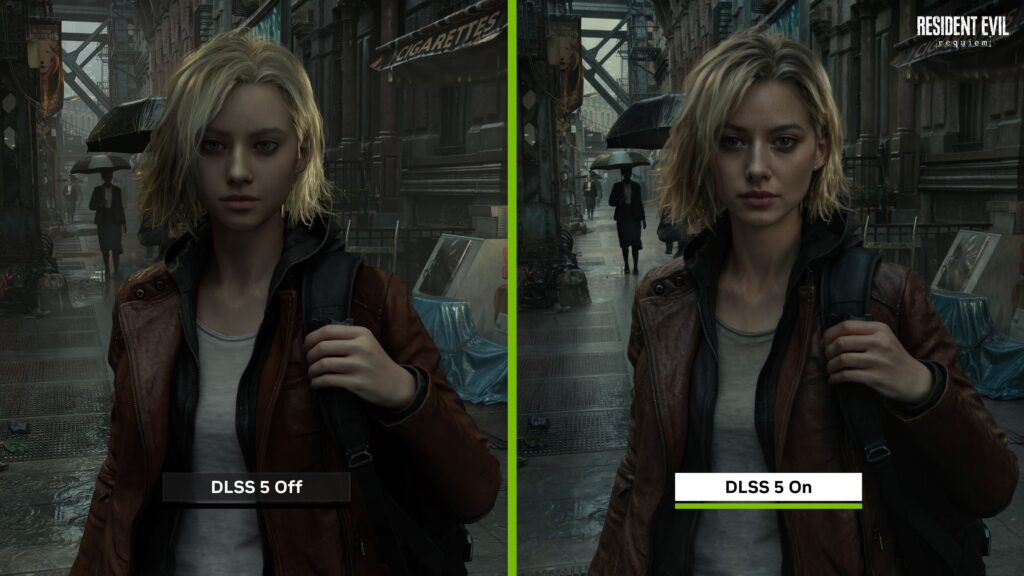
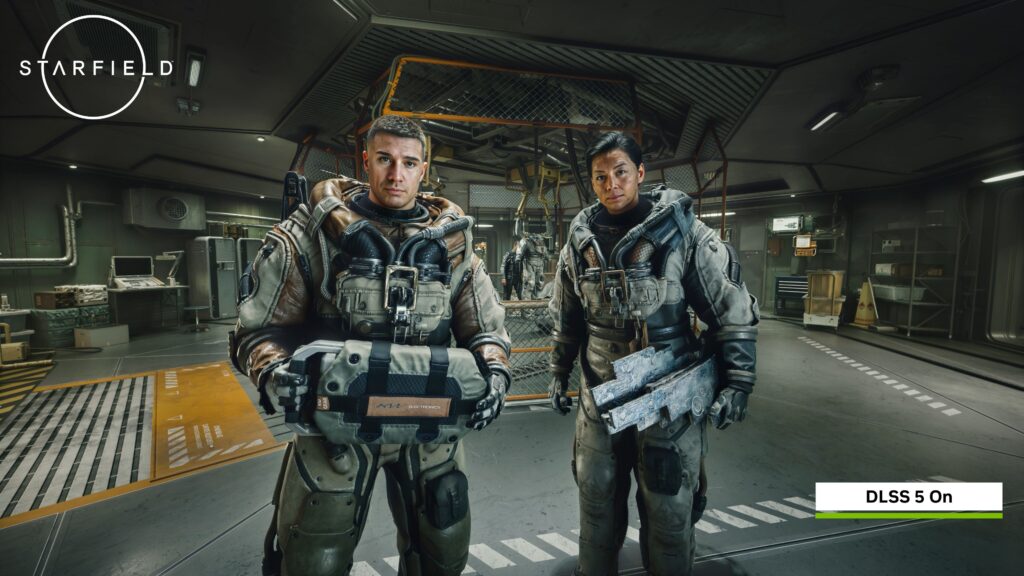
NVIDIA’s choice to demonstrate its technology using popular, well-known games may be the reason for some of the visual discrepancies. For example, the widely shared image of Grace from Resident Evil Requiem didn’t quite match her in-game appearance. Similar differences were noticeable in demonstrations featuring Starfield and Hogwarts Legacy.
People didn’t react negatively to DLSS 5 based on technical explanations or documentation. Instead, they noticed changes in games they enjoyed – things like lighting, character faces, and overall tone. These changes sparked concerns about the use of AI in gaming, as it felt like the technology was altering the games’ artistic style rather than simply improving performance as intended.
NVIDIA was so focused on demonstrating the impressive capabilities of DLSS 5 and its benefits for game developers that they overlooked something crucial: maintaining the trust of their fans.
NVIDIA’s eagerness to showcase their new technology, despite its unclear advantages, overlooked serious concerns about AI and its known negative effects on video game development.
With recent job losses linked to artificial intelligence creating anxiety, people are now questioning whether the visuals created by AI software accurately reflect the intentions of its creators – and NVIDIA should have anticipated this concern. While previous versions of their DLSS technology sparked discussion about image quality and performance, none have generated as much debate as this latest version.
DLSS 5 has sparked a debate about artistic control in games. Players are starting to question whether the technology could significantly alter games, moving them away from their original vision. The way the technology is being implemented may be amplifying these concerns.
We’ve discussed how showing this technology in popular, existing games led to a lot of negative feedback and criticism. You can easily find before-and-after comparisons online, and it’s clear why people worry the technology might change a game’s original vision.
NVIDIA’s strong defense of its technology also played a role. While it’s understandable why they reacted to criticism of DLSS 5 – particularly the claim that the criticisms were ‘completely wrong’ – their response came across as dismissive. This minimized the concerns players had about a feature they feared would actually detract from the quality of their games.
It’s a good idea to look deeper at both sides of this argument at this junction.
The Two Sides
Let’s address the criticisms of DLSS 5. A common concern is that it could make games look too similar, giving them a uniform, AI-generated style. Some worry this might prioritize NVIDIA’s aesthetic preferences over the unique artistic direction of game developers.
Okay, so I was checking out Grace from Requiem, and honestly, the tech they used to show her off made her look way different – like a super-enhanced glow-up that didn’t really match how she looks in the game itself. It kinda freaked me out because it felt like NVIDIA, since they control the tech, was deciding what games should look like, instead of the developers. It just felt…off, you know?
Okay, so Nvidia’s explanation didn’t totally calm my worries, but hearing that DLSS 5 is actually controllable and works with a game’s existing graphics, not just on top of it, is a huge relief. It sounds like it’s way more than just a simple filter that makes things look prettier – it’s a really integrated tech!
This technology gives developers more direct control over how things are created, rather than just adding effects after the image is finished. However, Nvidia’s quick rejection of legitimate worries has overshadowed these positive aspects and weakened their position.
Bethesda adopted a more reassuring tone, explaining that the technology was still new and emphasizing that developers would have full control over how it was used.
Bethesda’s statement about the issues with DLSS 5 had one notable aspect. Given their history of building a good relationship with fans – though that relationship has been strained lately – they were in a strong position to calm concerns. Whether they succeeded in doing so is another question.
Which brings us to our own position on the subject.
Striking A Balance
NVIDIA should have anticipated and addressed worries that its AI technology might overshadow the creative direction of games. By not doing so, they’ve created the current challenges they’re dealing with.
It’s important to take concerns about this technology potentially limiting developers’ creative control seriously, especially considering what companies have said publicly. We’re not dismissing those worries – they’re valid. Right now, the demonstrations of this tech are poor, actually harming the visual style of the games they’re used on. However, let’s wait to see how it performs when fully integrated into games available to the public before making a final judgment. We’ll have a much clearer picture then.
Nvidia just needs to fine-tune things a bit. They have the technology, and it seems adaptable, so why isn’t it shining through? Now it’s up to Nvidia to really impress gamers. The best way to do that isn’t with simple demos that look artificial – it’s by showing us what the technology can really do within a polished, finished game developed by skilled studios.
Please keep in mind that the opinions shared in this article are the author’s own and don’t necessarily reflect the views of GamingBolt.
Read More
- Everything You Need To Know About Nikki Baxter In Stranger Things’ Animated Spinoff
- The Boys Season 5, Episode 5 Ending Explained: Why Homelander Does THAT
- ‘The Bride!’ Review: Jessie Buckley Breathes Life into a Monstrous Mess
- Welcome to Demon School! Iruma-kun season 4 release schedule: When are new episodes on Crunchyroll?
- Taylor Sheridan’s Gritty 5-Part Crime Show Reveals New Final Season Villain
- Mark Zuckerberg & Wife Priscilla Chan Make Surprise Debut at Met Gala
- How to Build Water Elevators and Fountains in Enshrouded
- Miranda Kerr Shares “Quick” Procedure She Got Before Met Gala 2026
- Anna Wintour Reacts to Rumors She Approves All Met Gala Looks
- Why There’s No Ghosts Tonight (Nov 27) & When Season 5, Episode 7 Releases
2026-03-25 17:52