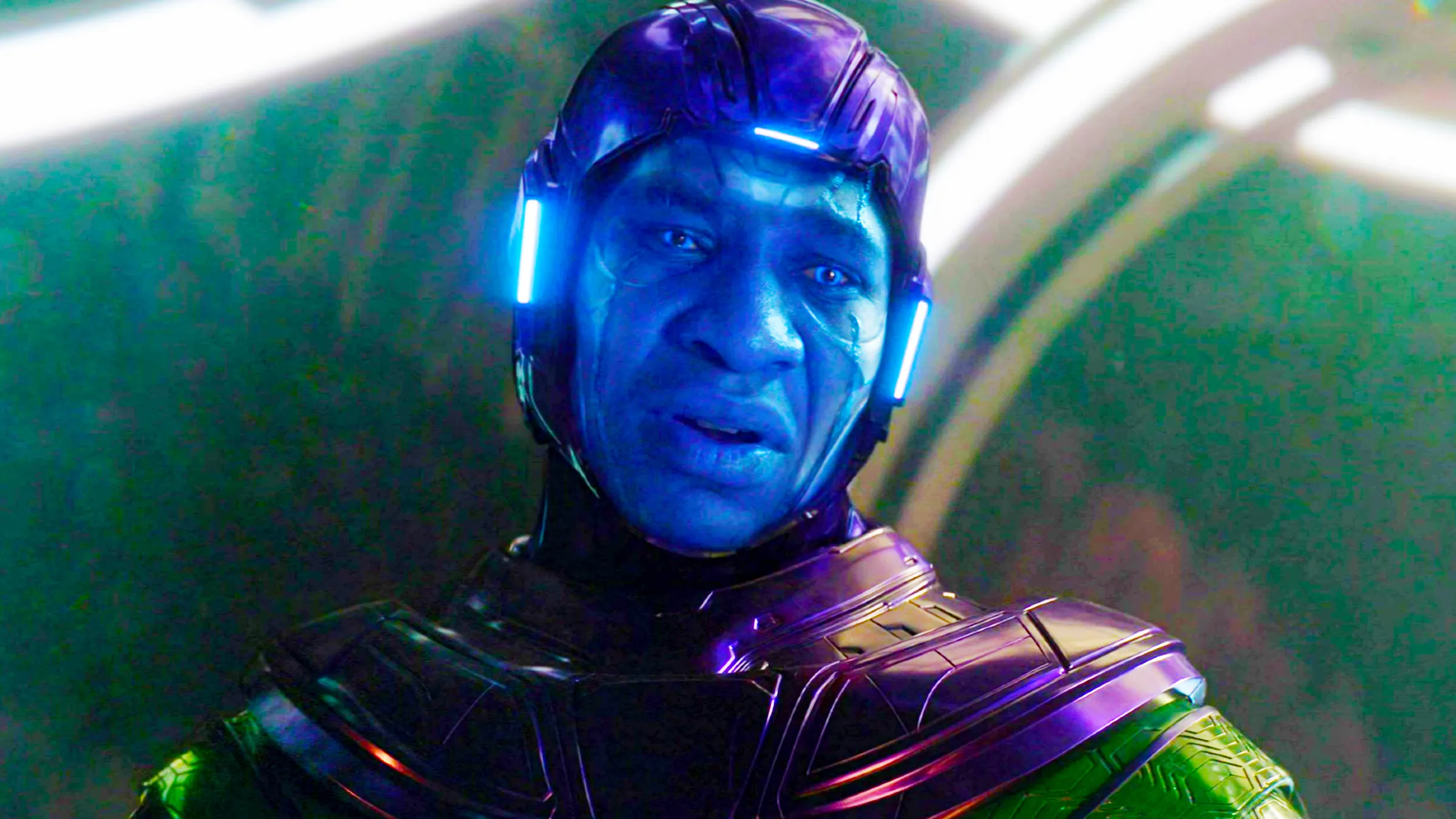
Following the massive success of Avengers: Endgame, Marvel Studios had to figure out how to move forward after finishing its epic Infinity Saga storyline. They decided to focus on the Multiverse, launching Phases Four, Five, and Six – collectively known as the Multiverse Saga – to build towards a showdown with Kang the Conqueror (Jonathan Majors), a time-traveling villain intended to be the next Thanos (Josh Brolin). However, this plan ultimately didn’t work as intended.
Most of the recent Marvel Cinematic Universe movies – like Black Widow, Shang-Chi, Thor: Love and Thunder, and Thunderbolts – didn’t really explore the idea of the multiverse in a significant way. The films that did try, such as Doctor Strange in the Multiverse of Madness and Ant-Man and the Wasp: Quantumania, created confusing and inconsistent rules for how alternate realities worked and didn’t explain why these alternate realities were interesting. Then, the firing of Jonathan Majors after his conviction further disrupted any existing story plans. Loki was the only exception, consistently using the multiverse concept in a logical and impactful way. Overall, the saga showed that Marvel had a great idea but lacked a clear plan for how to tell a cohesive story. The studio didn’t anticipate that a much lower-budget film could demonstrate what a truly ambitious multiversal story could be.
How Everything Everywhere All at Once Became a Massive Hit

Directed by Daniel Kwan and Daniel Scheinert, Everything Everywhere All at Once first premiered at South by Southwest on March 11, 2022. A24 then released the film in theaters, starting with a limited release on March 25 and expanding to a wider release on April 8. Made with a budget of $14 to $25 million, the film went on to earn $143.4 million worldwide, becoming A24’s most successful film ever. It broke records previously held by Uncut Gems in the US and Hereditary internationally. The film was also a critical success, receiving praise from reviewers and earning a 93% approval rating on Rotten Tomatoes.
As award season rolled around, Everything Everywhere All at Once absolutely crushed it at the Oscars, taking home seven out of eleven nominations! They won big prizes like Best Picture, Best Director, and acting wins for Michelle Yeoh, Ke Huy Quan, and Jamie Lee Curtis – truly a night to remember. But it wasn’t just the Oscars. This film swept the major guild awards – the DGA, PGA, WGA, and SAG – which is a huge deal. In fact, it joined a very exclusive club, alongside films like American Beauty, No Country for Old Men, Slumdog Millionaire, and Argo as one of the very few to win all four. As a film lover, it was incredible to watch!
Everything Everywhere All at Once Is the Best Multiversal Story in Movies
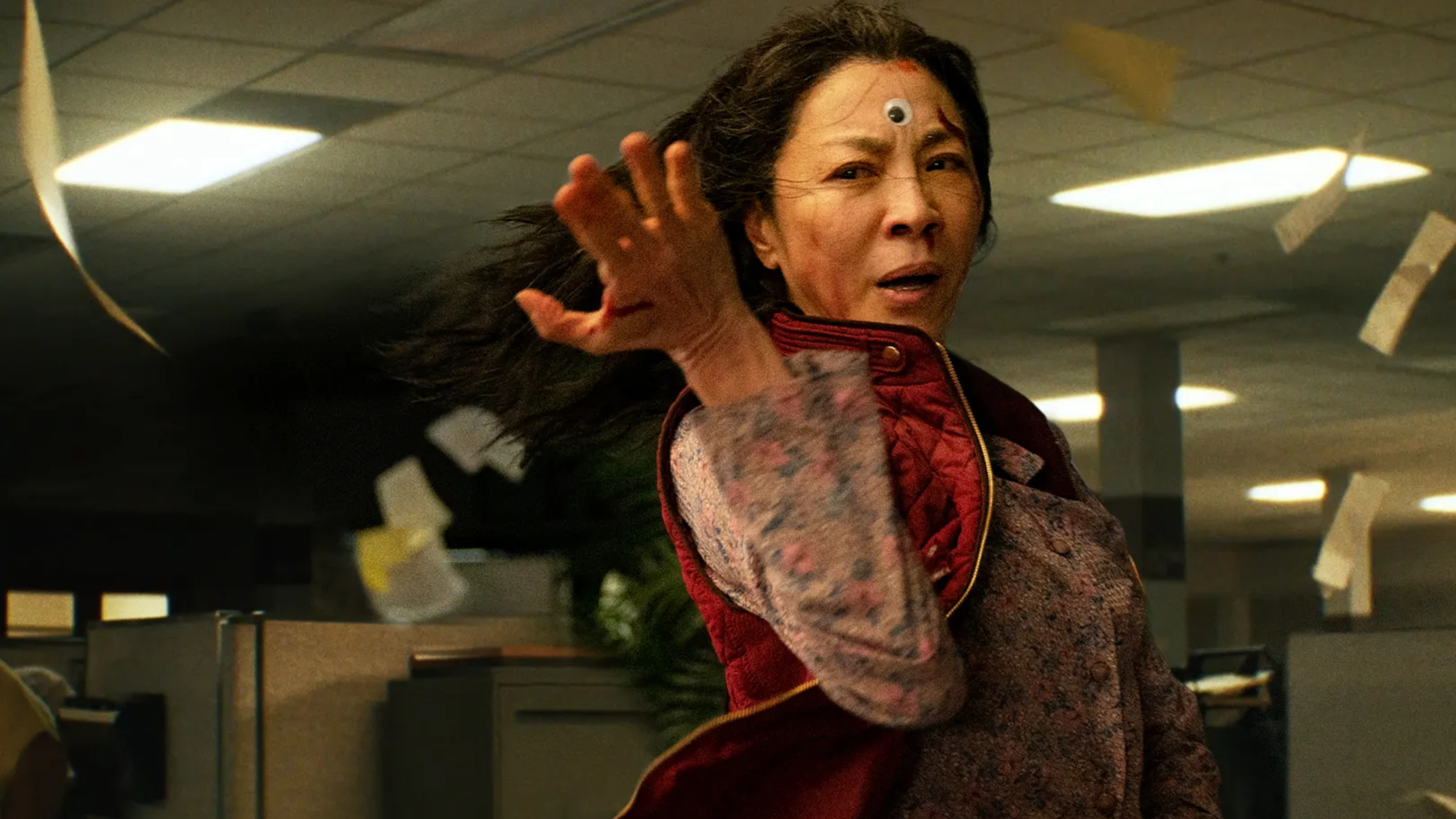
What makes Everything Everywhere All at Once stand out as a story about the multiverse is its central idea, which is both straightforward and profoundly challenging – much more so than what Marvel has done. The filmmakers don’t use the multiverse for flashy action or complicated plots; instead, they explore a deeply human issue: being overwhelmed by endless choices. The film focuses on Evelyn Quan Wang, a Chinese-American immigrant struggling to keep her laundromat afloat while dealing with tax problems, a troubled marriage, and a strained relationship with her daughter. The multiverse in this story isn’t about different worlds, but about forcing Evelyn to face all the lives she could have lived and to consider if any of those paths would have brought her happiness.

Joy/Jobu Tupaki (Stephanie Hsu) represents the furthest possible outcome of experiencing the entire multiverse. Having lived through every reality at once, she’s decided that if anything can happen, then nothing truly has meaning. She embodies this with an ‘everything bagel’ – a visual metaphor for a black hole that swallows all importance. This image is intentionally outlandish, because the filmmakers recognize that an infinite multiverse would be full of chaos, confusion, and wildly different versions of reality, often played for laughs.
The Marvel Cinematic Universe has struggled with the concept of the multiverse because it often uses alternate realities simply as a source of familiar faces, quick references, or new enemies. These alternate timelines rarely explore the deeper emotional impact of encountering infinite possibilities. While films like Doctor Strange in the Multiverse of Madness and Quantumania jumped between universes, they didn’t create truly compelling or unique alternate worlds. Neither film considered the personal cost of experiencing such vastness. In contrast, Everything Everywhere All at Once centers its entire climax on this very question. The film earns its powerful message about choosing kindness in the face of meaninglessness because it spends two hours building genuine emotional depth and stakes.

Unlike the Marvel Cinematic Universe, the film Everything Everywhere All at Once uses strong technical skills to enhance its story. Editor Paul Rogers, for example, crafted the editing to mimic the feeling of a mind jumping between universes, with scenes blending together quickly to create a sense of disorientation. However, the film always remains understandable because of the consistent emotional focus on the character Evelyn. Cinematographer Larkin Seiple also visually separates the different universes, using warm, muted colors for the main storyline, cooler colors for stranger realities, and a deliberately simple, comedic style for the universe with hot-dog fingers. These timelines feel unique not just because of their stories, but also because of how they look and the different rules governing them – something the MCU hasn’t fully explored.
Marvel Studios is hoping to revive its Multiversal Saga with the upcoming film, Avengers: Doomsday. The movie will introduce Robert Downey Jr. as Doctor Doom, who will be the new main villain, taking over from Kang. Avengers: Doomsday will then set the stage for Avengers: Secret Wars, a film promising a dramatic and final destruction of the multiverse. Marvel seems to be aiming for a more cohesive multiversal story, potentially learning from the success of Everything Everywhere All at Once to create a truly impressive experience.
You can now watch Everything Everywhere All at Once on HBO Max. Looking ahead, Avengers: Doomsday is scheduled for release in theaters on December 18, 2026, and Avengers: Secret Wars will follow on December 17, 2027.
What are your predictions for how the Marvel Cinematic Universe will handle the multiverse in future films? Share your thoughts in the comments and join the discussion on the ComicBook Forum!
https://comicbook.com/movies/list/7-mcu-characters-marvel-didnt-know-how-to-handle/embed/#
Read More
- Everything You Need To Know About Nikki Baxter In Stranger Things’ Animated Spinoff
- Taylor Sheridan’s Gritty 5-Part Crime Show Reveals New Final Season Villain
- The Boys Season 5, Episode 5 Ending Explained: Why Homelander Does THAT
- Welcome to Demon School! Iruma-kun season 4 release schedule: When are new episodes on Crunchyroll?
- ‘The Bride!’ Review: Jessie Buckley Breathes Life into a Monstrous Mess
- How to Build Water Elevators and Fountains in Enshrouded
- Mark Zuckerberg & Wife Priscilla Chan Make Surprise Debut at Met Gala
- Miranda Kerr Shares “Quick” Procedure She Got Before Met Gala 2026
- Anna Wintour Reacts to Rumors She Approves All Met Gala Looks
- Why There’s No Ghosts Tonight (Nov 27) & When Season 5, Episode 7 Releases
2026-03-25 18:12