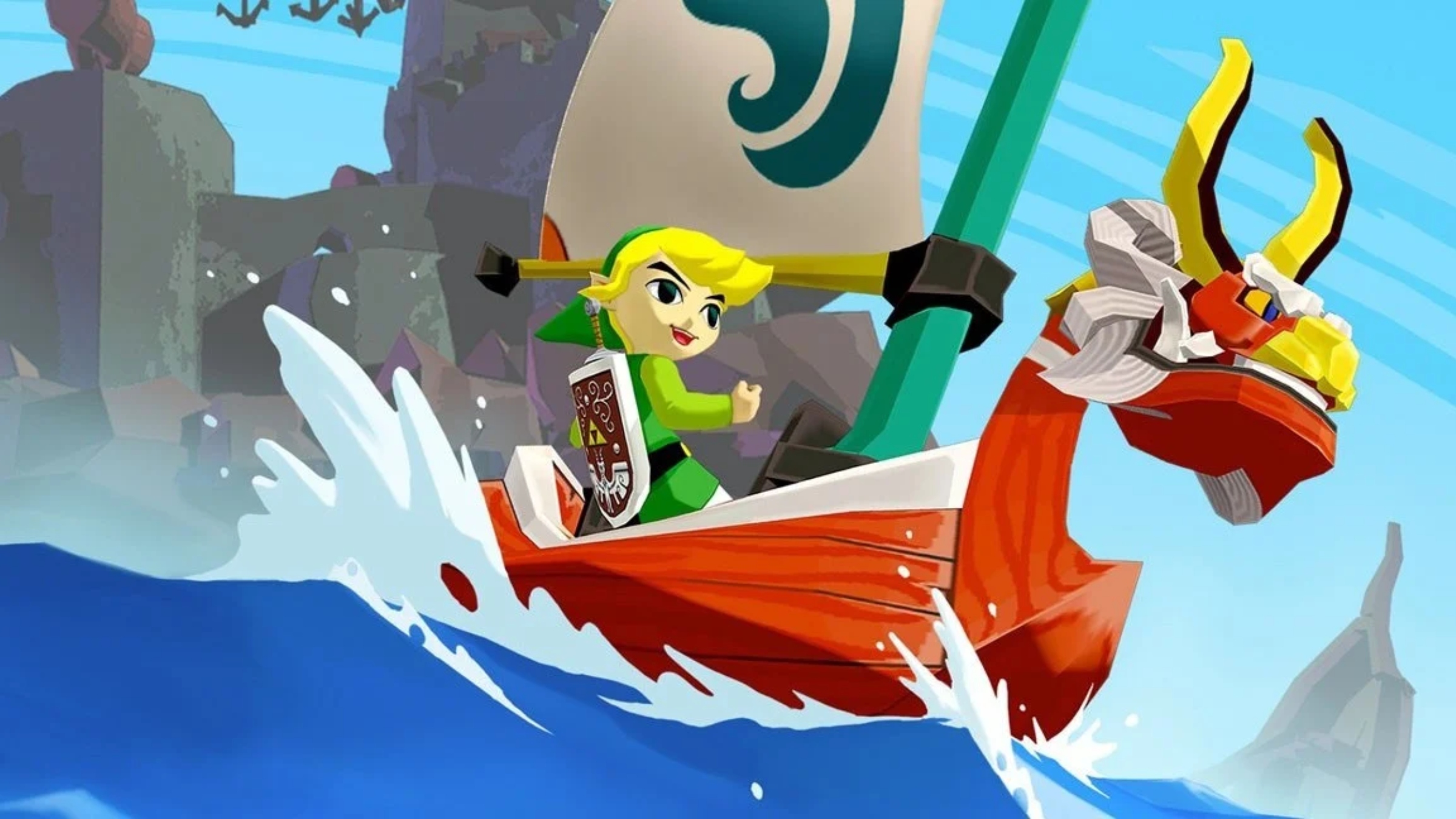
Released in North America on March 23, 2003, The Legend of Zelda: The Wind Waker was a bold new direction for the series. Instead of continuing the darker, more serious tone of Ocarina of Time and Majora’s Mask, Nintendo opted for a bright, colorful style and a completely different way to play. Instead of exploring Hyrule’s familiar fields, players sailed across a vast ocean – a total reinvention of the game’s world.
When Wind Waker first came out, it sparked a lot of debate, but over time, it’s become much more appreciated—particularly because later games in the series have captured the same sense of exploration and adventure it offered. Wind Waker didn’t just define how the series would handle open-world gameplay; it also beautifully told the story of heroes building a new life for themselves. The game completely reimagined Hyrule, and that bold choice ultimately paved the way for some of the best entries in the Zelda franchise.
Wind Waker Created An Entirely New Kind Of Hyrule
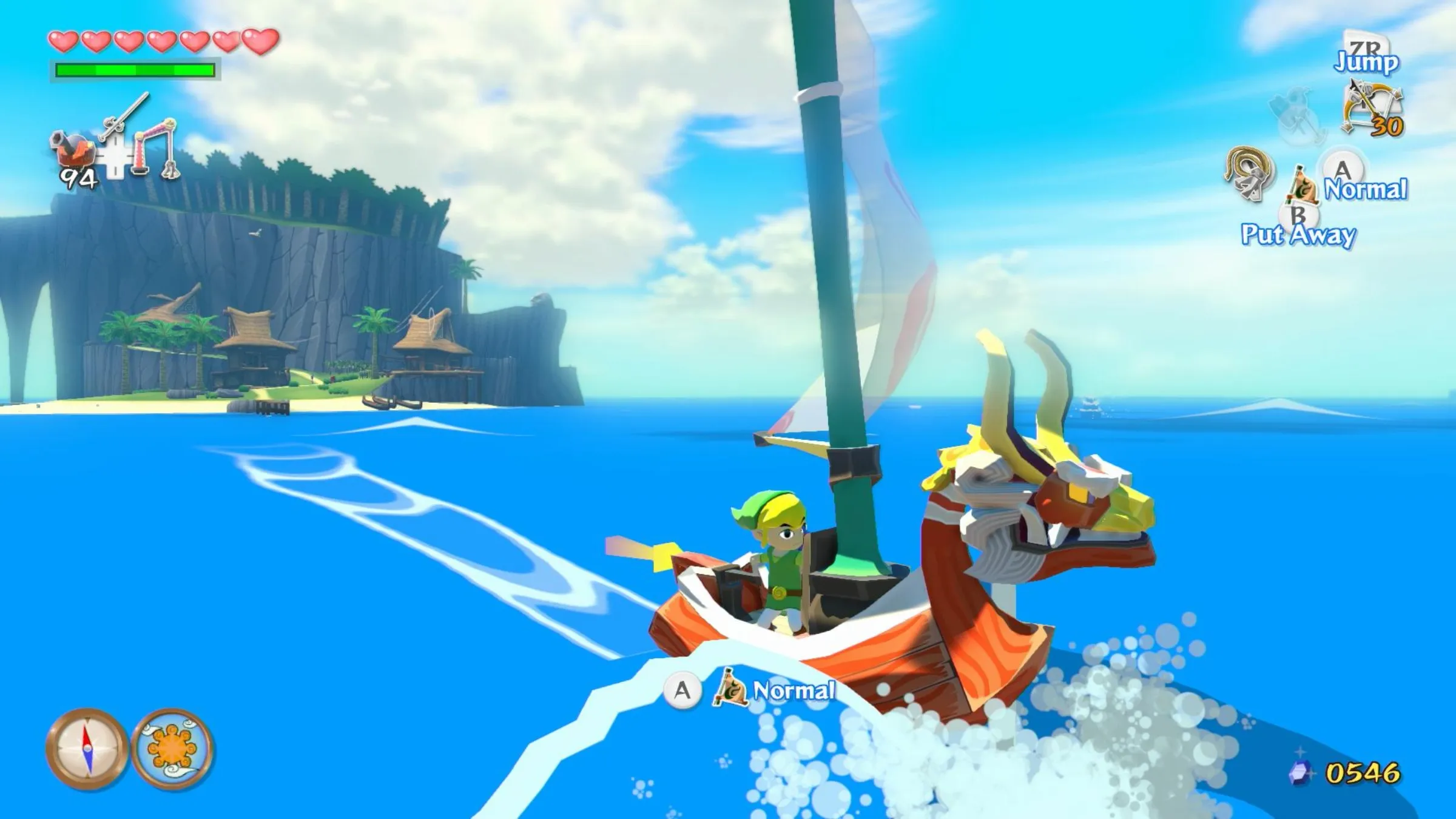
After games like Majora’s Mask and the Oracle series, Wind Waker was the first major Legend of Zelda game to continue the story of Ocarina of Time. However, instead of returning to the same Hyrule, Nintendo created a completely new world. Because Link was sent back in time at the end of Ocarina of Time, he essentially ceased to exist in the present. This meant when Ganondorf regained his power, there was no established hero to oppose him – the usual cycle of heroism had been broken.
Facing no other choice, the people of Hyrule turned to the three goddesses who created their world. Din, Nayru, and Farore chose to flood Hyrule, imprisoning Ganon and his army beneath the waves. This flooding created the Great Sea, which became the new Hyrule. Though submerged, remnants of the old world still exist as islands, including recognizable places like Death Mountain and the Korok Forest. After learning the truth about Ganondorf, Link, with the help of the King of Red Lions—the former king of Hyrule—is able to explore the ruins of Hyrule Castle beneath the sea.
How Wind Waker’s Great Sea Set The Stage For Breath Of The Wild
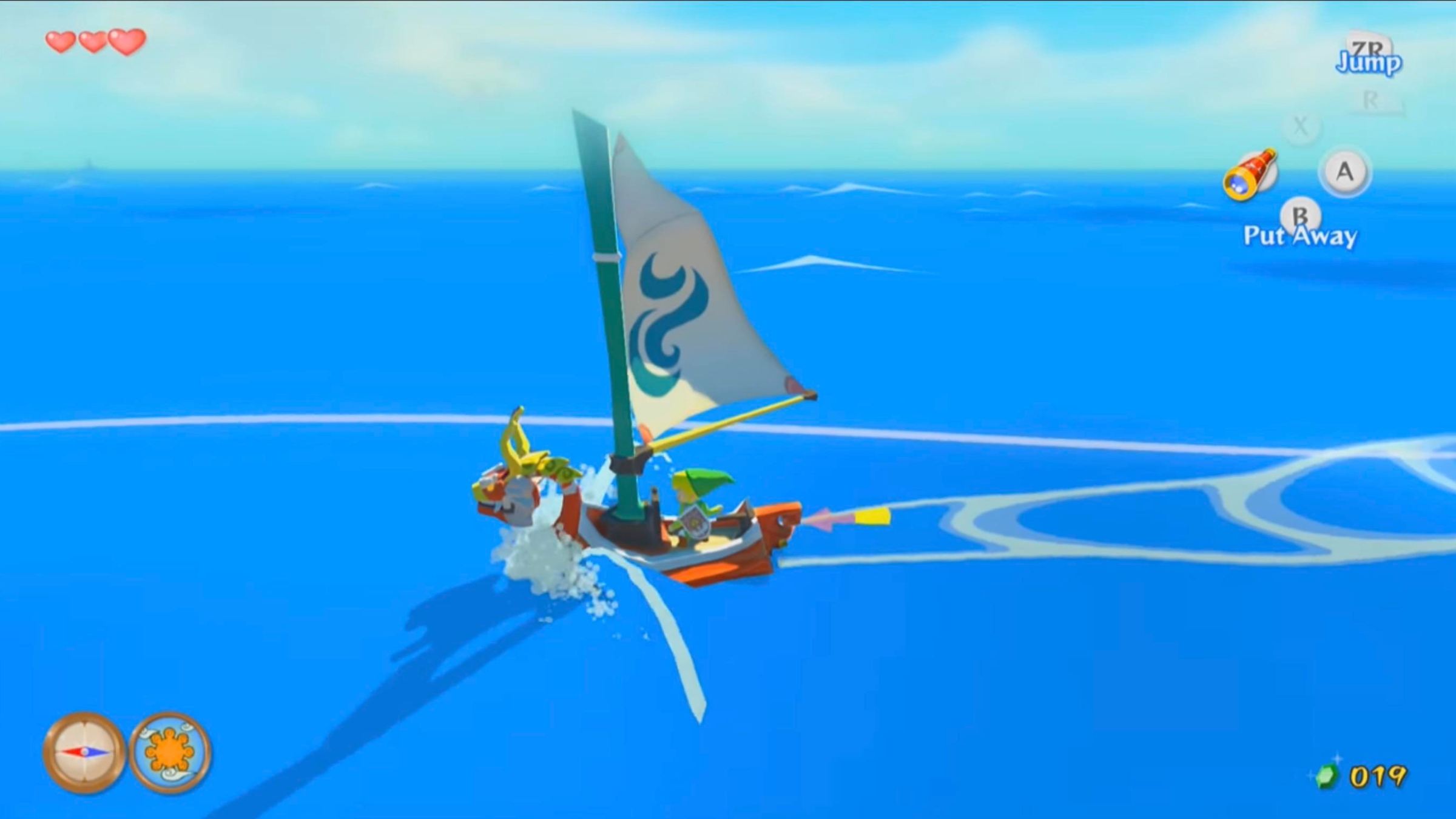
As a gamer, I always loved how Wind Waker’s Great Sea felt like a real, open world. Sailing around as Link wasn’t just about getting from point A to point B; it was about discovering things on my own. Islands, pirate ships, hidden treasure… it was all out there if I was willing to explore. It really captured that adventurous spirit that’s always been a part of Zelda games, reminding me of the very first Legend of Zelda. But in Wind Waker, it just worked better than ever. The bright, colorful graphics and the sheer size of the ocean made me want to set sail and see what I could find.
I’ve always loved how big the worlds are in Zelda games – Link to the Past and Ocarina of Time were huge! But those games mostly gated off areas until you got specific items, kind of like a Metroidvania. Wind Waker was different. Yeah, some stuff was tough and needed upgrades, but for the most part, I could sail around the Great Sea and explore pretty much whenever I wanted. It felt really free! Looking back, Wind Waker really laid the groundwork for how open Breath of the Wild would be, taking that idea of exploration and applying it to the whole world. Even though Hyrule was mostly water in Wind Waker, it still felt like a huge adventure was waiting around every corner.
Hyrule Isn’t A Place, But A Home
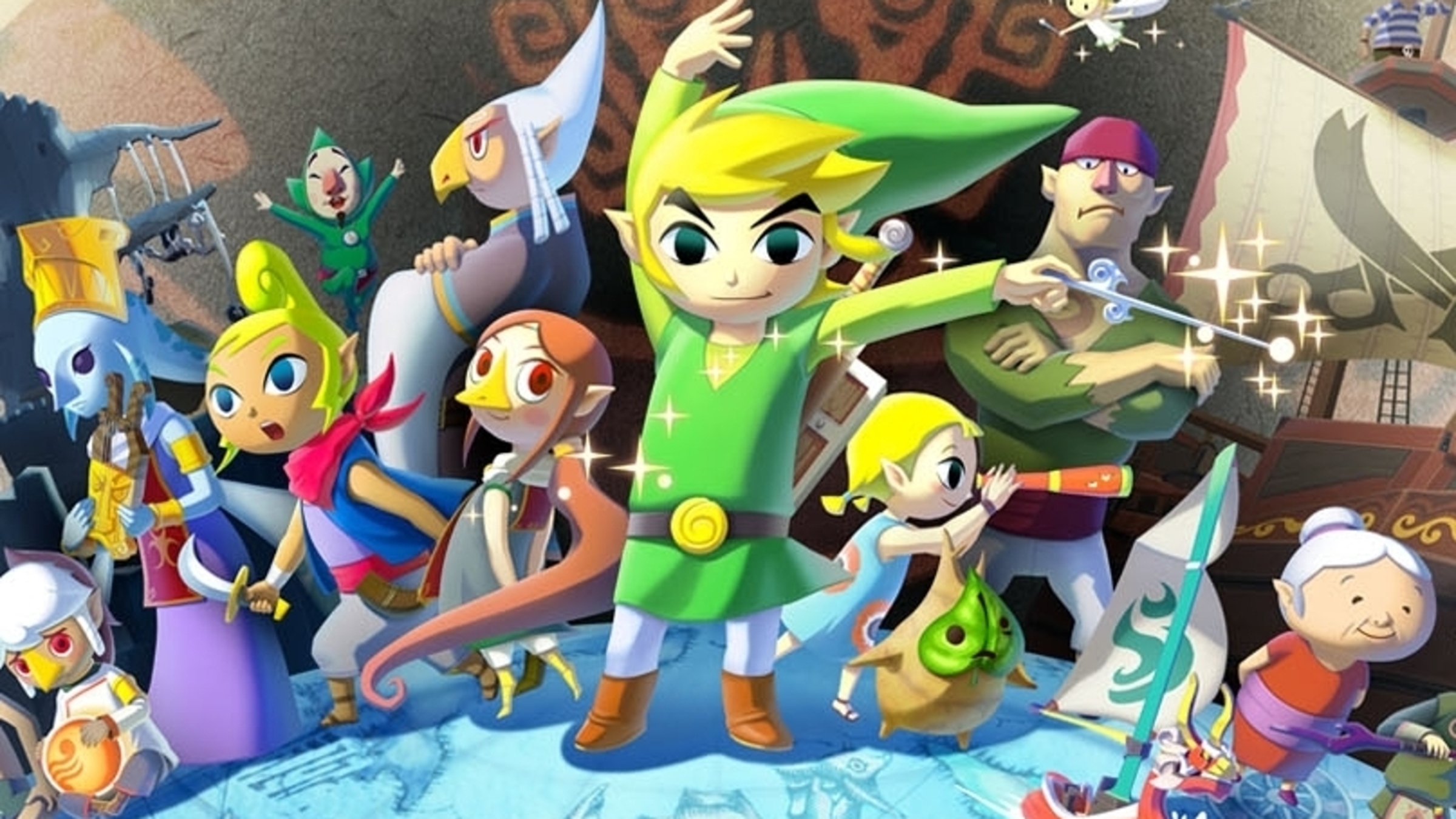
The Great Sea in Wind Waker wasn’t just a new way to play Hyrule; it fundamentally changed the feel of the world. The Hyrule players remembered was almost completely gone, leaving behind only fragments of old stories, items, and places. The once-towering mountains were now small islands scattered across a huge ocean, and many of the past’s tales, including those of the Hero of Time, were lost. This Link and Zelda aren’t focused on bringing back the old Hyrule. Surprisingly, the game actually ends with the King of Hyrule choosing to sink his castle once more, using the Triforce to do so.
The king tells Link and Zelda that the old Hyrule is lost, but they can build a new life for its people. This promise comes true in later games when they found New Hyrule. This highlights a key idea throughout the series: Hyrule isn’t just a location, it’s something more. While the castle is old and the stories are ancient, Hyrule’s future isn’t tied to its past. The repeating cycle of Link and Zelda being reborn shows that the future continues the work of the past, but isn’t simply a repeat of it. Each new legend builds on what came before, creating its own unique story. Ultimately, Wind Waker embodies the spirit of the entire series.
The game series, and its hero, had to leave behind a single version of Hyrule. Wind Waker demonstrated that the spirit of the world could endure even while forging new directions. Previous games showed Hyrule in ruins, but usually focused on restoring it to its former glory. Wind Waker took a different approach, suggesting that the past could be truly left behind, and a hopeful future built on its own merits. This idea became central to later games – with Wind Waker laying much of the groundwork that made the approach in Breath of the Wild feel so natural.
Read More
- Everything You Need To Know About Nikki Baxter In Stranger Things’ Animated Spinoff
- The Boys Season 5, Episode 5 Ending Explained: Why Homelander Does THAT
- ‘The Bride!’ Review: Jessie Buckley Breathes Life into a Monstrous Mess
- Welcome to Demon School! Iruma-kun season 4 release schedule: When are new episodes on Crunchyroll?
- Taylor Sheridan’s Gritty 5-Part Crime Show Reveals New Final Season Villain
- Mark Zuckerberg & Wife Priscilla Chan Make Surprise Debut at Met Gala
- How to Build Water Elevators and Fountains in Enshrouded
- Miranda Kerr Shares “Quick” Procedure She Got Before Met Gala 2026
- Anna Wintour Reacts to Rumors She Approves All Met Gala Looks
- Why There’s No Ghosts Tonight (Nov 27) & When Season 5, Episode 7 Releases
2026-03-25 19:11