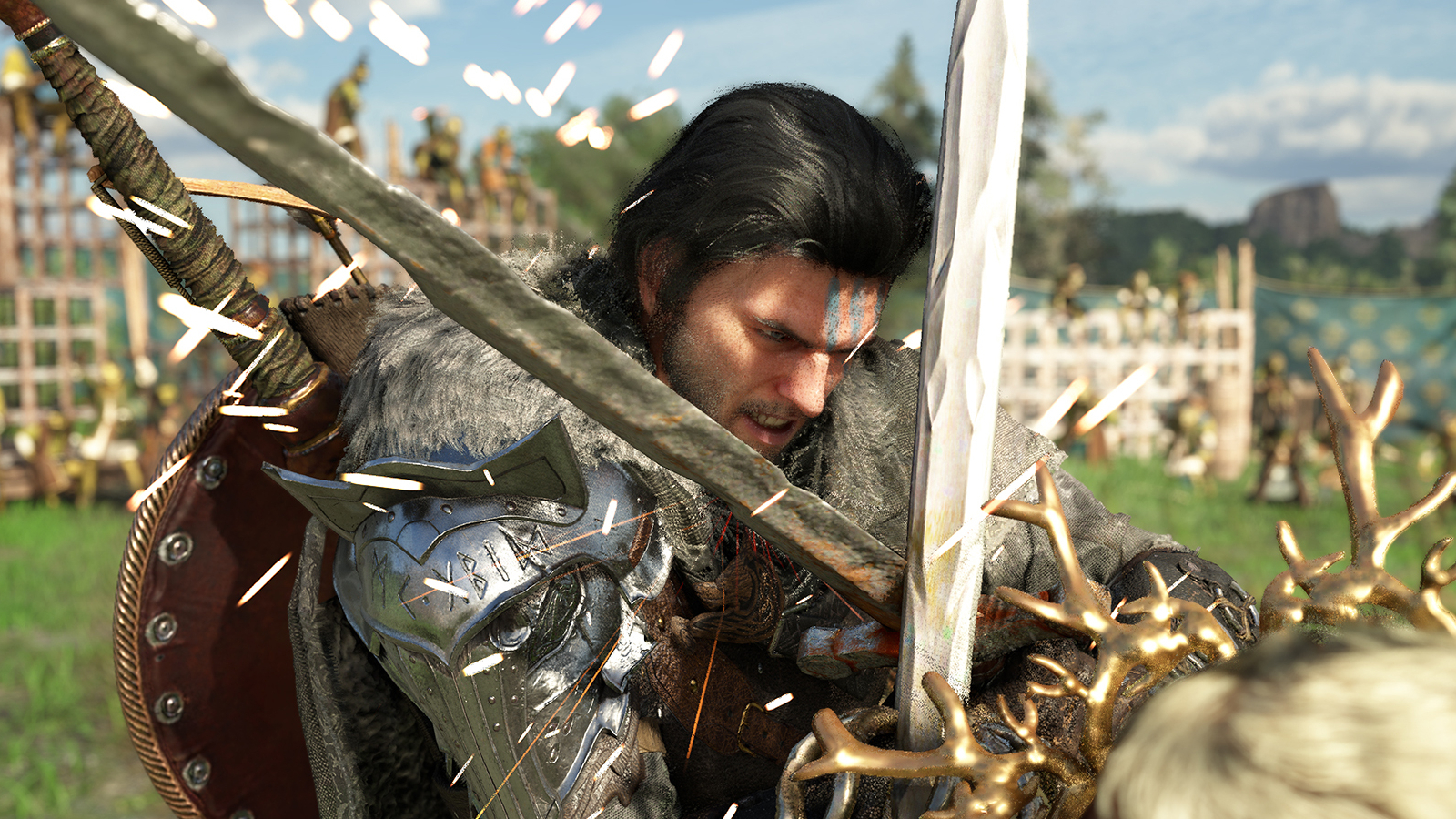
As a huge fan of open-world games, I’ve been following Crimson Desert closely, and it’s impossible not to compare it to Red Dead Redemption 2. RDR2 is still considered one of the best games ever made, setting a really high bar for how immersive and well-told a story can be in an open world. So, while Crimson Desert seems amazing in its own right, I’m really curious to see just how well it stacks up. What does it do differently, and where does it really shine? Let’s take a closer look, starting with…
Open World Structure
One of the things that makes Crimson Desert stand out is its diverse range of environments. It features forests and plains reminiscent of The Witcher 3, combined with the towering landscapes seen in Breath of the Wild – and that’s just the beginning! The region of Delesyia feels refined and intriguing, while the Crimson Desert itself is surprisingly full of advanced technology, moving beyond its harsh sandstorms and barren lands. The Abyss is truly unique, with its incredible floating islands. While Red Dead Redemption 2 offers similar environments, it lacks the verticality and imaginative design of Crimson Desert. Plus, Crimson Desert feels more like a true journey, where you start with almost nothing and gradually build towards something much grander.
World Cohesion vs Abundance
Despite their similarities, Pywel and Red Dead Redemption 2 offer very different experiences. Pywel is bursting with fantastical activities and blends high fantasy, medieval settings, and steampunk technology. Red Dead Redemption 2, while fictional, draws inspiration from real-world locations at the turn of the 20th century, depicting a time of technological advancement and the decline of the Wild West. Pywel feels larger and more sprawling, while Red Dead Redemption 2 is more focused and realistic. Ultimately, the choice is up to the player, but I personally prefer Red Dead Redemption 2. Its strong sense of cohesion, combined with its realism, engaging characters, and reactive world, makes it feel incredibly immersive.
Immersion vs Friction
Every game presents unique challenges for the player. In Red Dead Redemption 2, these challenges come from learning the realistic controls and detailed systems that create Arthur’s world. It takes time to get used to, but that’s because the game aims to simulate a way of life from the past. The game introduces these elements smoothly, making the world and story feel engaging. Crimson Desert, however, feels clunky. While it starts strong with cutscenes, it quickly throws the player into the role of Pywel and overwhelms them with new controls and complicated systems. This creates a sense of friction as you try to understand the game, but it’s harder to feel truly immersed when you’re constantly focused on remembering how everything works.
Exploration Payoff and Progression
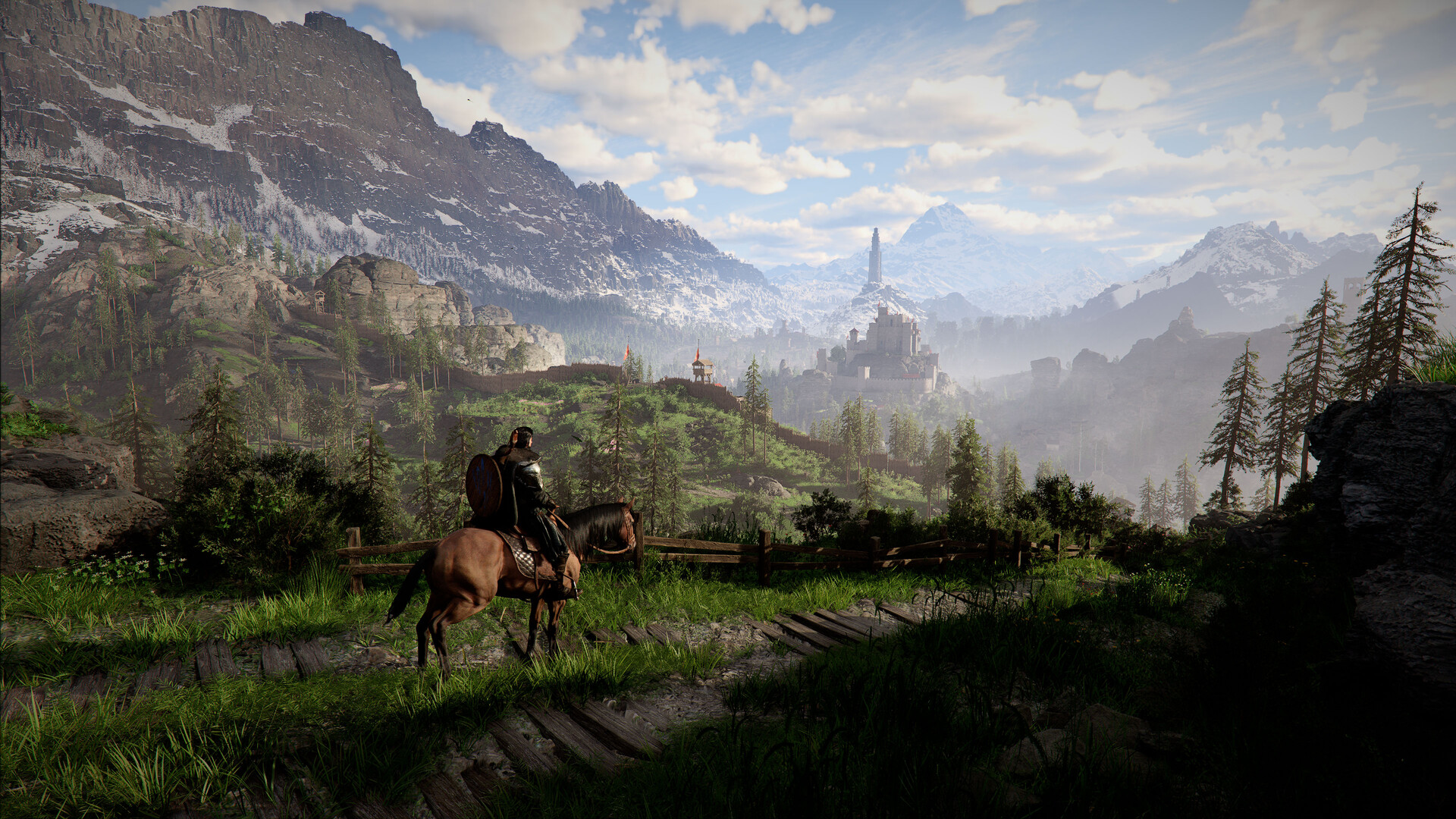
Both games are great if you like exploring and taking your time, but there’s a difference in how they reward you. Crimson Desert focuses on discovering new gameplay features, completing faction missions, solving puzzles, and fighting for resources and loot. Red Dead Redemption 2 is more about the rich stories woven into the game world – uncovering mysteries, meeting characters with complex lives, and following subplots that lead to unique experiences. Red Dead Redemption 2 also has much stronger writing, and its rewards generally feel more satisfying for the effort you put in. While it’s close, I’d recommend Red Dead Redemption 2, though your preference might depend on what you’re looking for.
Okay, so Crimson Desert looks amazing, but honestly, the way they handle progression is kinda frustrating. It feels like they’re really stingy with some of the resources you need. And it’s a bummer that you start needing Abyss Artifacts pretty early just to upgrade your gear. It kinda kills the excitement of finding new stuff and trying to level it up so you can actually feel stronger. It just feels like a grind sometimes.
Combat Philosophy
While the controls have some issues, the combat in Crimson Desert is truly impressive. It features fluid combos, the ability to switch between weapons seamlessly, elemental powers, and a wide variety of gear that all have unique effects. The two playable characters, Oongka and Damiane, offer distinct playstyles – one is a powerful berserker, while the other is a mix of melee fighter and spellcaster. Despite some skills being similar, they feel very different to play. Although I had a few complaints, like the camera angles during boss battles, the combat is so responsive and satisfying that you’ll immediately want to jump back into another fight. Red Dead Redemption 2 offers a more realistic approach to weaponry and gameplay. It’s brutal in close combat and strategic at a distance, which fits the game’s setting and story. While it’s not as complex as Crimson Desert, it’s much easier to pick up and play.
Mission Design and Player Freedom
As we’ve seen, Red Dead Redemption 2 is full of unforgettable stories. While the main missions often require a specific approach, much of the game is surprisingly open-ended. It’s impressive how the game responds to players trying different things, thanks to the developers anticipating those choices. In contrast, Crimson Desert doesn’t offer much freedom in how you complete objectives or side quests – it would benefit from more flexibility and stories that allow for different strategies. While you can explore the world freely and leave boss fights at any time, which is a plus, the game lacks the nuanced approach found in Red Dead Redemption 2.
Story and Characters
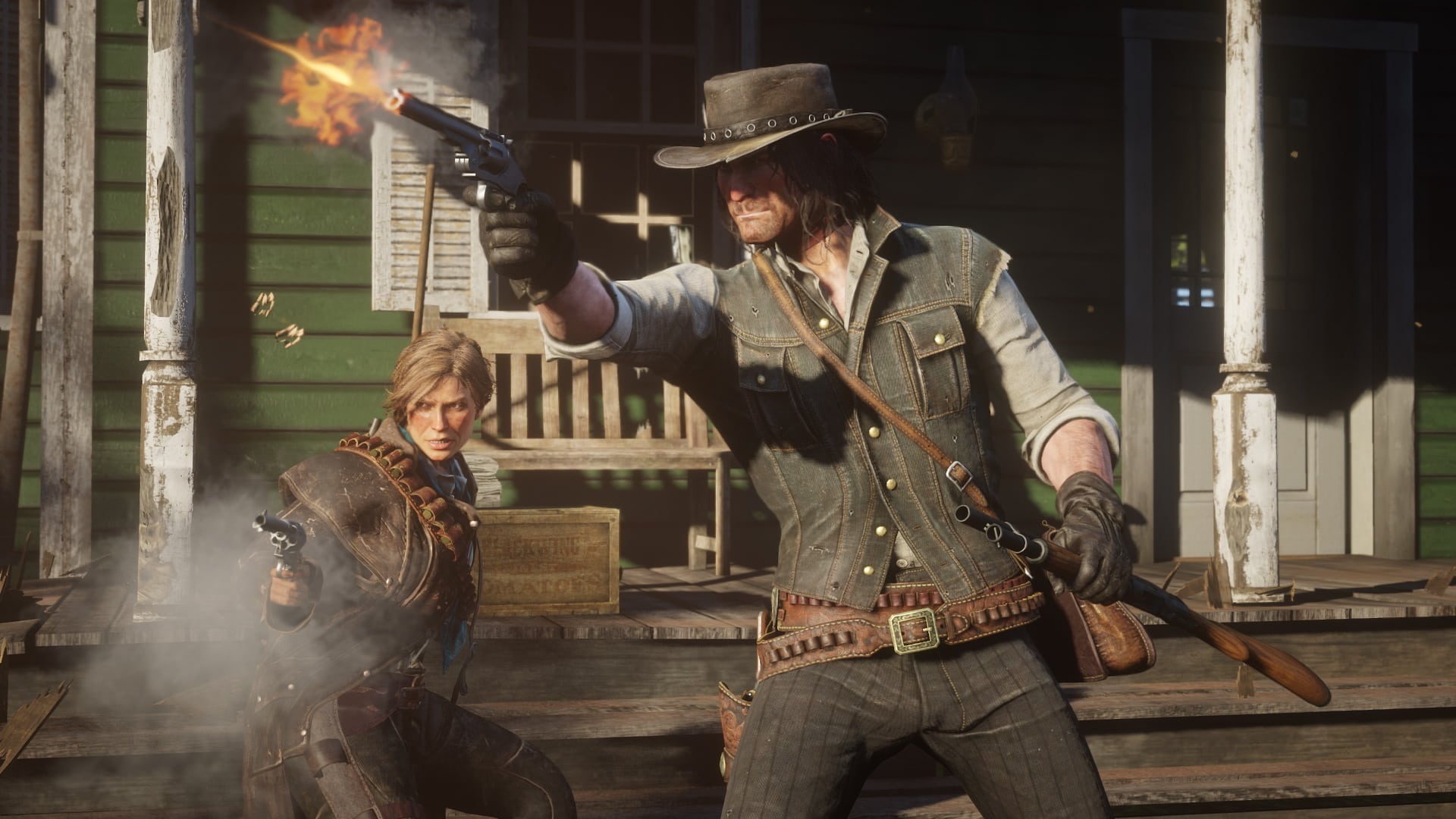
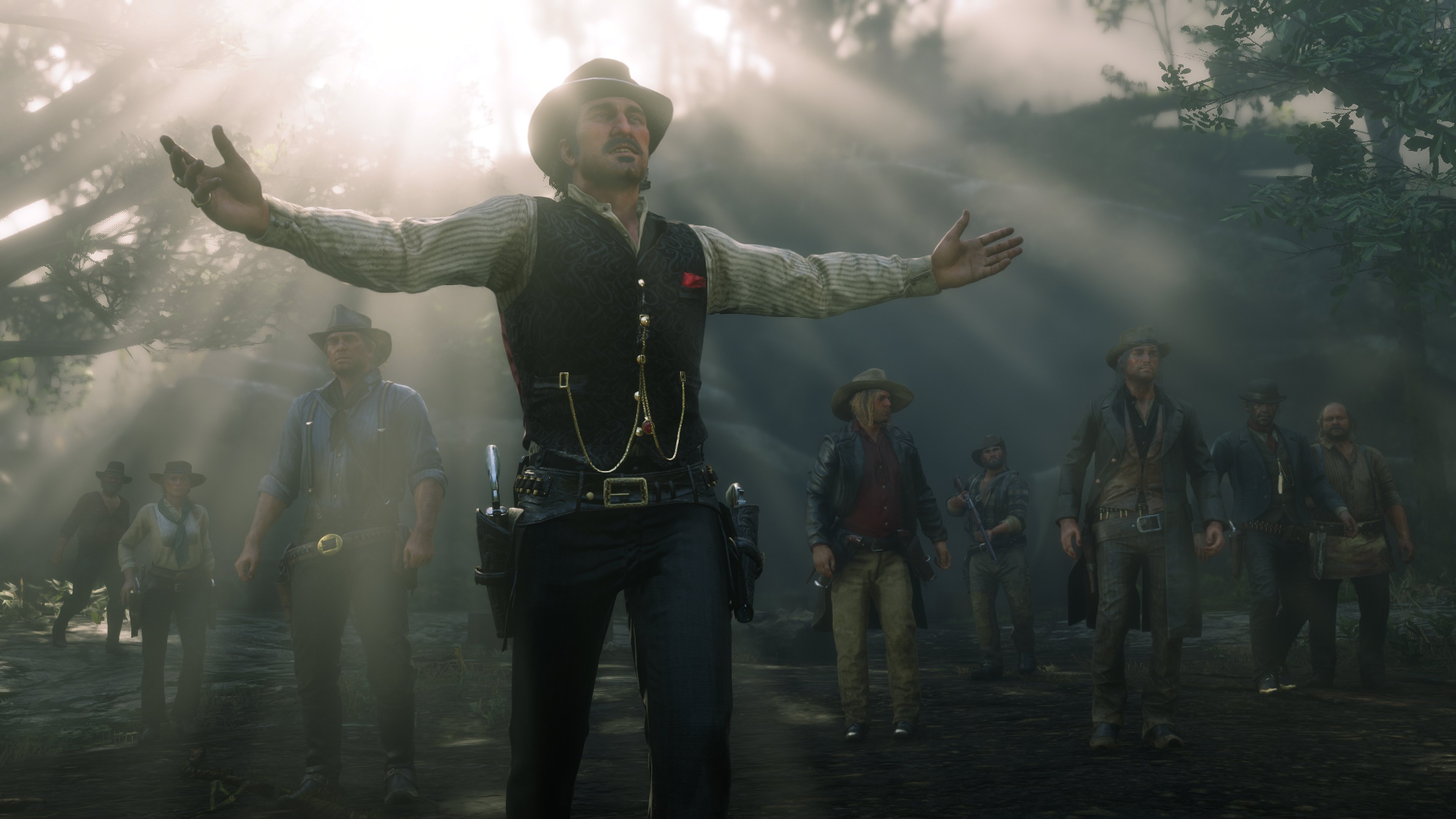
There’s no question about it: Red Dead Redemption 2 stands out as a top-tier game. The story of the Van der Linde gang, especially the complex relationship between Arthur and Dutch, is brilliantly written and remains one of the best in gaming. The game is full of other unforgettable characters, like John Marston and Sadie Adler, and creates a strong emotional connection with players. While the story unfolds at a somewhat slow pace, the writing is consistently excellent.
Unfortunately, Crimson Desert doesn’t quite deliver on compelling characters or story. While there are occasional bright spots, the main character, Kliff, is rather flat and doesn’t show much emotion, and the plot itself feels simple and doesn’t resonate emotionally.
AI and NPC Design
Similarly, the characters you encounter who aren’t controlled by the player in Red Dead Redemption 2 feel remarkably realistic. Most have a complete daily routine, and even if their personalities aren’t incredibly complex, it really makes the world feel populated by genuine people. In contrast, Crimson Desert‘s characters, despite having somewhat intelligent behavior in fights—like archers keeping their distance and melee fighters taking turns—don’t feel nearly as believable. Perhaps if more of them had more than a single line of dialogue when interacting with the world, it would help.
Traversal Mechanics
While horseback riding is a major part of exploring Pywel, it’s far from your only choice. You can glide with Kliff, unlock various mounts—even a dragon—and pilot a powerful mech. Damiane and Oongka also have their own special ways to get around. Compared to Red Dead Redemption 2, which focuses on horses, stagecoaches, and trains, Crimson Desert offers a much wider range of travel options.
Visual Fidelity
Even though it’s an older game, Rockstar’s masterpiece still looks fantastic today. The environments are incredibly detailed, and the characters move and express themselves realistically. What really makes it special is the subtle details you notice whether you’re planning a heist or just exploring the world. Crimson Desert is also visually impressive, particularly its diverse and realistic environments and weather. It boasts impressive draw distances and detailed scenery, but the animations aren’t quite as polished, especially during cutscenes and conversations.
System Depth vs Elegance
When Red Dead Redemption 2 came out, people were amazed by how much you could do in the game. But all those details – like shaving your character’s beard or carefully skinning animals – were meant to make the world feel real. Crimson Desert actually offers even more things to do, with features like building up your reputation as currency, participating in sieges and expeditions, and developing your camp. However, not everything in Crimson Desert feels as meaningful or well-integrated. In fact, some features seem to exist just to fill space – for example, you can steal and commit crimes, but it doesn’t affect your character’s personality or how others see you.
While this game has many good qualities, Red Dead Redemption 2 still feels more complete and refined overall.
Conclusion
Even today, Red Dead Redemption 2 holds up incredibly well on its own. Crimson Desert definitely has some impressive qualities, though what players enjoy most about a game world is often a matter of personal preference. It’s tough to compete with such a beloved classic, but the team behind Crimson Desert clearly put a lot of effort into creating something unique, drawing inspiration from many different sources.
Read More
- Gold Rate Forecast
- 10 Most Powerful Versions of Superman, Ranked
- GBP CNY PREDICTION
- 10 Best Free Games on Steam in 2026, Ranked
- 007 First Light: Release Date, Story, Gameplay, Cast, Editions, and Platforms
- Superman’s 7 Best Power-Ups, Ranked
- Forza Horizon 6 Car List So Far: Confirmed Highlights, Cover Cars, DLC, and Rewards
- 10 Greatest Manga Endings of All Time
- DOGE PREDICTION. DOGE cryptocurrency
- The Boys Officially Sets Up 4 Supes for Jensen Ackles’ Soldier Boy Spinoff
2026-03-26 17:14