
Truly impactful movies are rare these days. The film industry often plays it safe with predictable stories and formulas. The films that do stand out are usually big, unusual projects – ones that are either expensive and difficult to sell, or incredibly ambitious and, looking back, it’s easy to see why they became hits. These are all risky ventures, requiring a lot of faith to release, and not all of them pay off. It makes you wonder, though – what recent movies have actually taken those kinds of chances?
This isn’t a list of the most popular or predictable movies. Instead, it highlights ten films from the 21st century that truly took chances – with their storytelling, ambitious scope, or creative choices. These movies weren’t afraid to be different and offer audiences something unique.
10) Oppenheimer
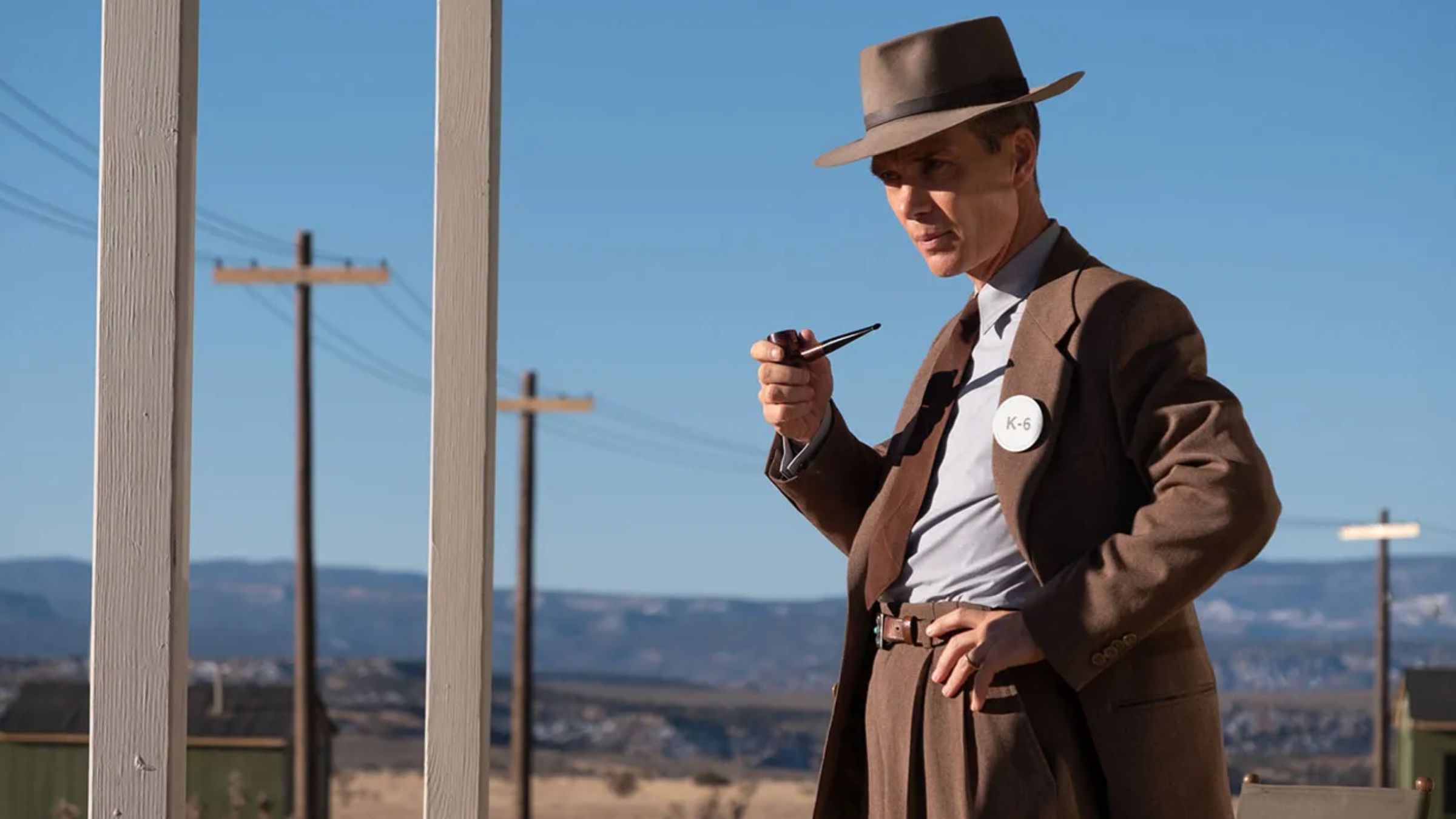
If you’re looking for a movie that truly stands out from the crowd, Oppenheimer is a prime example. Christopher Nolan tells the story of the scientist behind the atomic bomb, but instead of a typical biopic, he focuses on the political battles, ethical dilemmas, and power plays surrounding Oppenheimer’s life. The film follows him throughout the Manhattan Project and the subsequent questioning of his character. It’s a nearly three-hour film filled with complex conversations and a non-linear storyline – a bold choice that sets it apart from most mainstream Hollywood films.
As a huge film buff, I was blown away by Oppenheimer, and it’s not just the story that’s so daring. What really sets it apart is how it was made. Christopher Nolan chose to shoot almost entirely on traditional IMAX film – even using a brand new black and white stock! – and actively avoided computer-generated effects, going to incredible lengths to recreate things practically, like the nuclear explosion itself. Honestly, these choices are risky, incredibly expensive, and a logistical nightmare, and most studios would steer clear. It’s not just a big, ambitious movie on paper; it’s a production that consistently rejected shortcuts at every turn.
9) Avatar
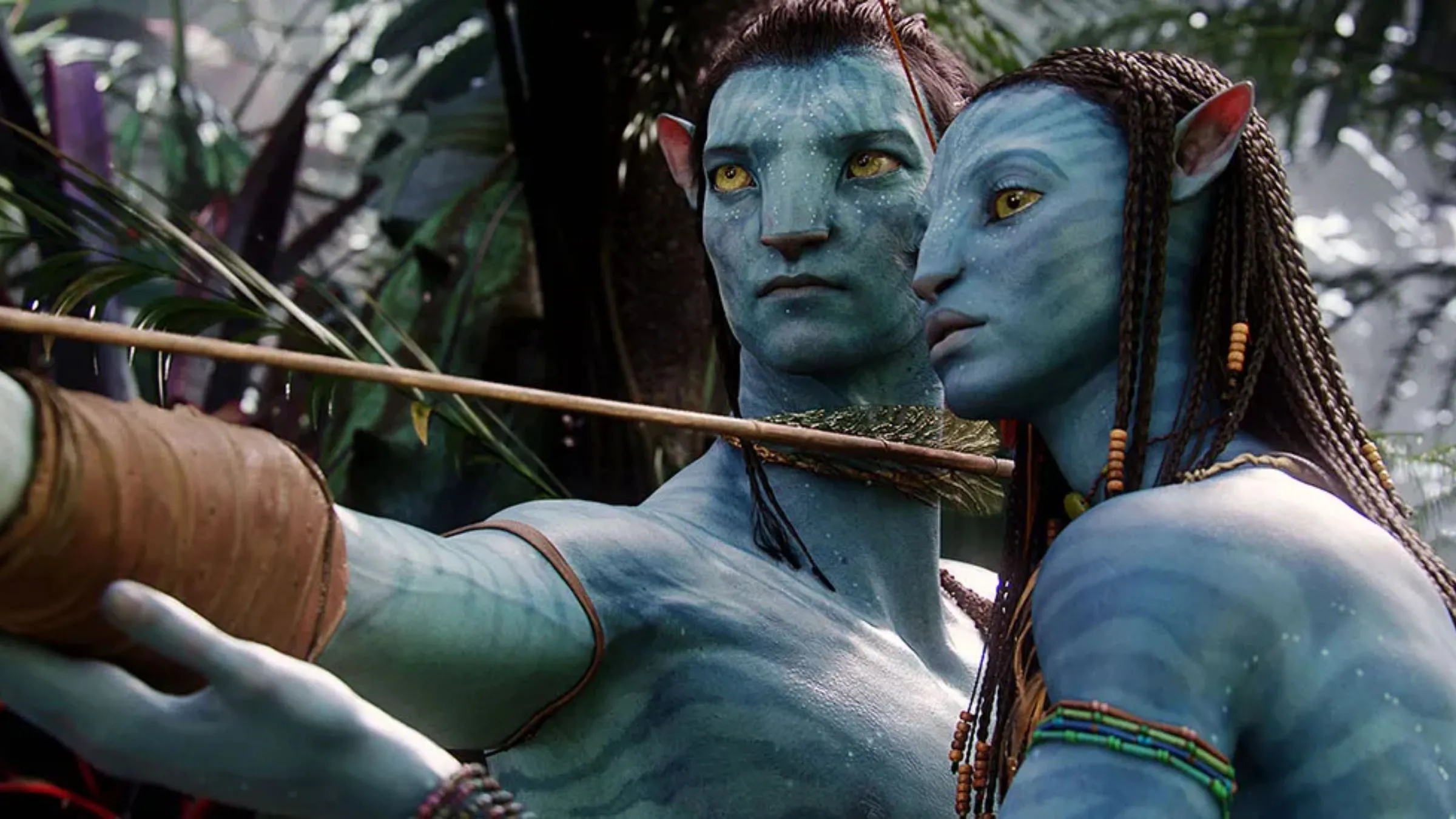
Even though Avatar is now a huge franchise, its success wasn’t guaranteed. James Cameron took a significant risk with the first film, which could have easily failed. While the story—about a human soldier who joins the Na’vi people on Pandora—is well-known, the film’s true strength was the immersive experience it offered. Cameron essentially built a high-stakes experiment, relying on developing technology and hoping audiences would fully embrace it.
What seems commonplace now was revolutionary at the time. The film’s production became noteworthy for its groundbreaking techniques—including new 3D cameras, sophisticated motion capture, and instant digital previews. It combined large-scale computer-generated imagery with performance capture in a way never before attempted. Avatar was a huge financial risk, but that same level of ambition is what ultimately led to its success.
8) Dune: Part Two
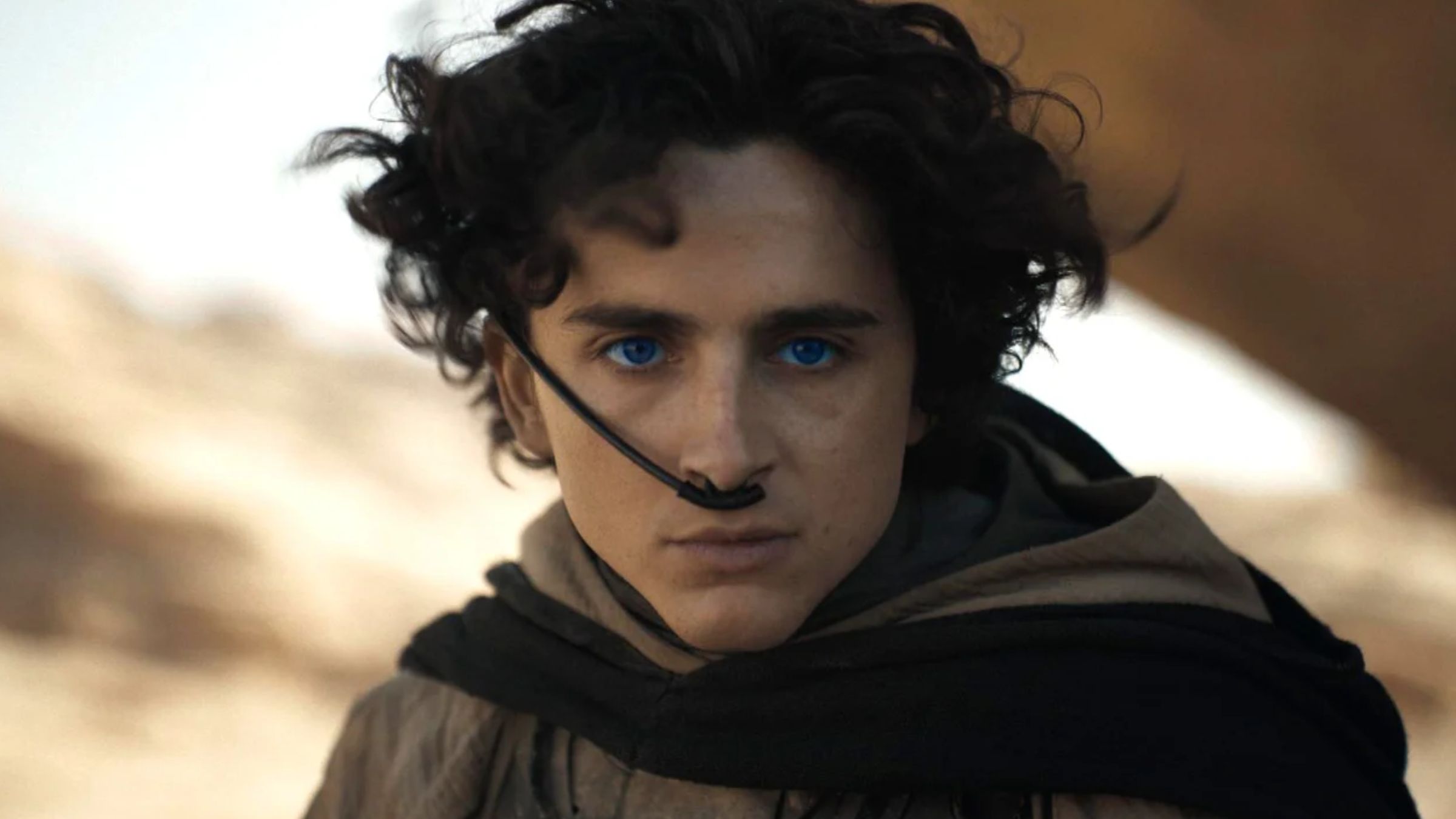
The success of the Dune franchise today can be directly attributed to the achievements of Dune: Part Two. Director Denis Villeneuve avoided typical blockbuster tropes in continuing Paul Atreides’ story, deliberately portraying his ascent to a messianic figure as disturbing rather than purely inspirational. The film is notably ambitious in its refusal to oversimplify the complex political and religious themes of the books, all while still offering impressive and large-scale action. Achieving this required exceptional execution from every aspect of the production.
Dune: Part Two stands out because it was filmed in actual locations, using a mix of physical effects and carefully crafted visual effects. This gives it a grand scale without looking overly artificial, a common problem with many modern blockbusters. The film is a significant investment, intelligently written – especially considering the novel’s complexity – and skillfully made to be both visually stunning and emotionally resonant. It’s clear the filmmakers aimed to create more than just a spectacle; they wanted to bring the story’s depth and importance to life on screen.
7) Mad Max: Fury Road

In a landscape of typical action movies, Mad Max: Fury Road stands out as something truly unique. While the Mad Max series is already well-known, this installment takes it to a new extreme. Director George Miller crafted an entire film around one relentless chase, deliberately avoiding lengthy explanations or pauses. The plot is simple: Max and Furiosa are fleeing a ruthless ruler in a desolate, post-apocalyptic world. What makes it work is its commitment to realism – the film relies heavily on practical effects, real vehicles, and genuine stunt work, minimizing the use of computer-generated imagery.
Even though the concept sounds daring, the actual making of the movie was even more so. It’s an incredibly complex action film to produce, pushing the limits with dangerous stunts and a challenging logistical setup. What really sets it apart is the storytelling: Mad Max: Fury Road doesn’t waste time explaining its world. It immediately immerses you and trusts you to understand everything through the action, visuals, and pacing. This is a bold move in a genre that usually feels the need to explain things to a wide audience.
6) Everything Everywhere All at Once
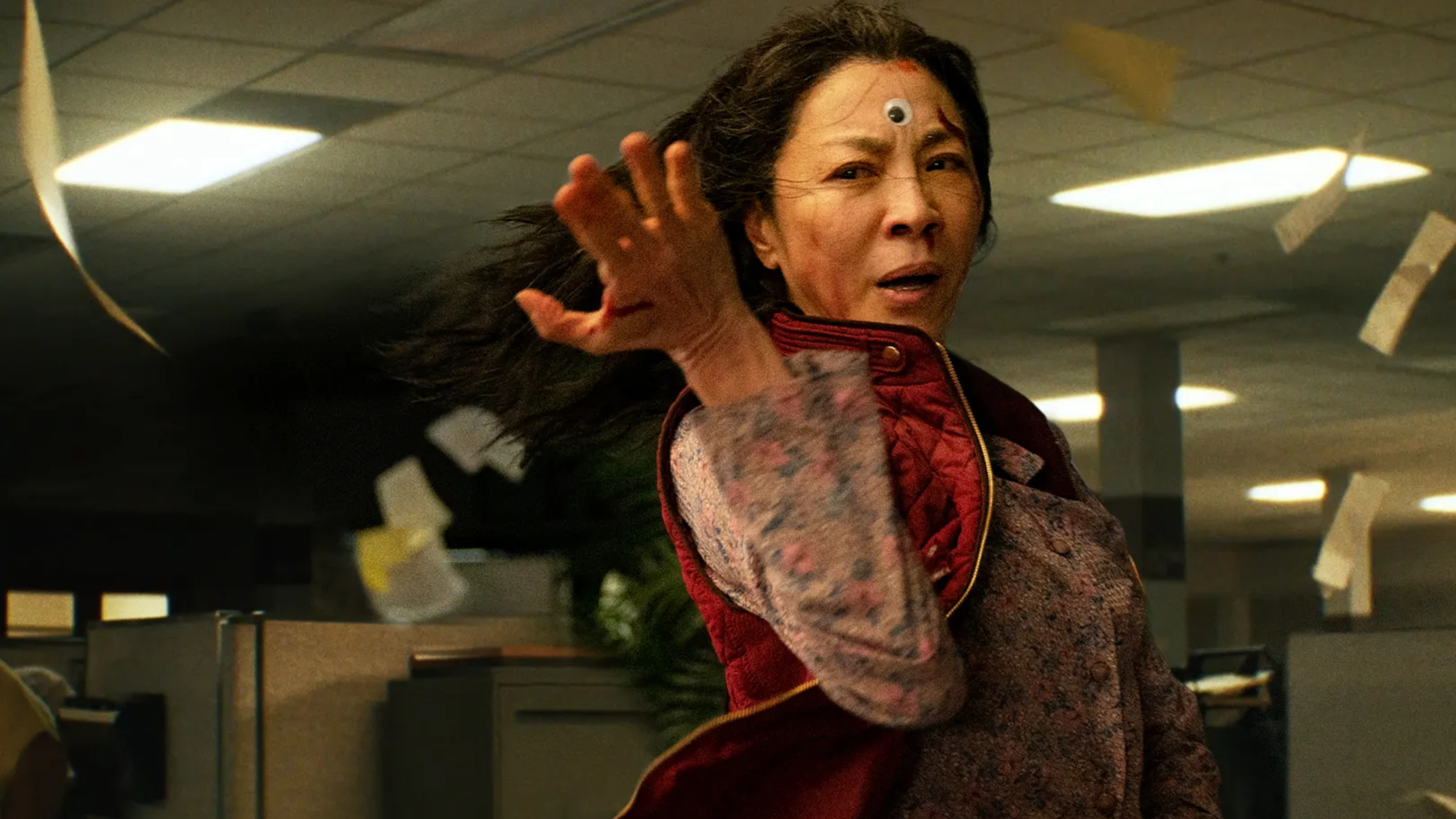
Initially, Everything Everywhere All at Once feels deliberately messy, almost as if it’s spiraling out of control. However, the more you watch, the clearer it becomes that everything is carefully planned. The film centers on Evelyn Wang, a woman struggling with everyday problems like family drama and money worries, who unexpectedly gains the ability to connect with different versions of herself from across multiple universes. What’s truly impressive isn’t just the idea of the multiverse, but how the film boldly blends all its themes and styles together. Instead of presenting things one after another, it throws everything at you at once – mixing genres, moods, and visual approaches, often within a single scene.
The film’s greatest strength is how well it all fits together, especially considering its ambitious scope and relatively small production scale. It easily could have become a chaotic mess, constantly jumping between comedy, sci-fi, drama, and philosophical ideas. However, it succeeds because of a strong, central emotional core that keeps everything grounded. Everything Everywhere All at Once has a clear purpose, and it never strays from it. It’s a remarkably controlled and balanced film, and that’s what makes it so special.
5) Boyhood
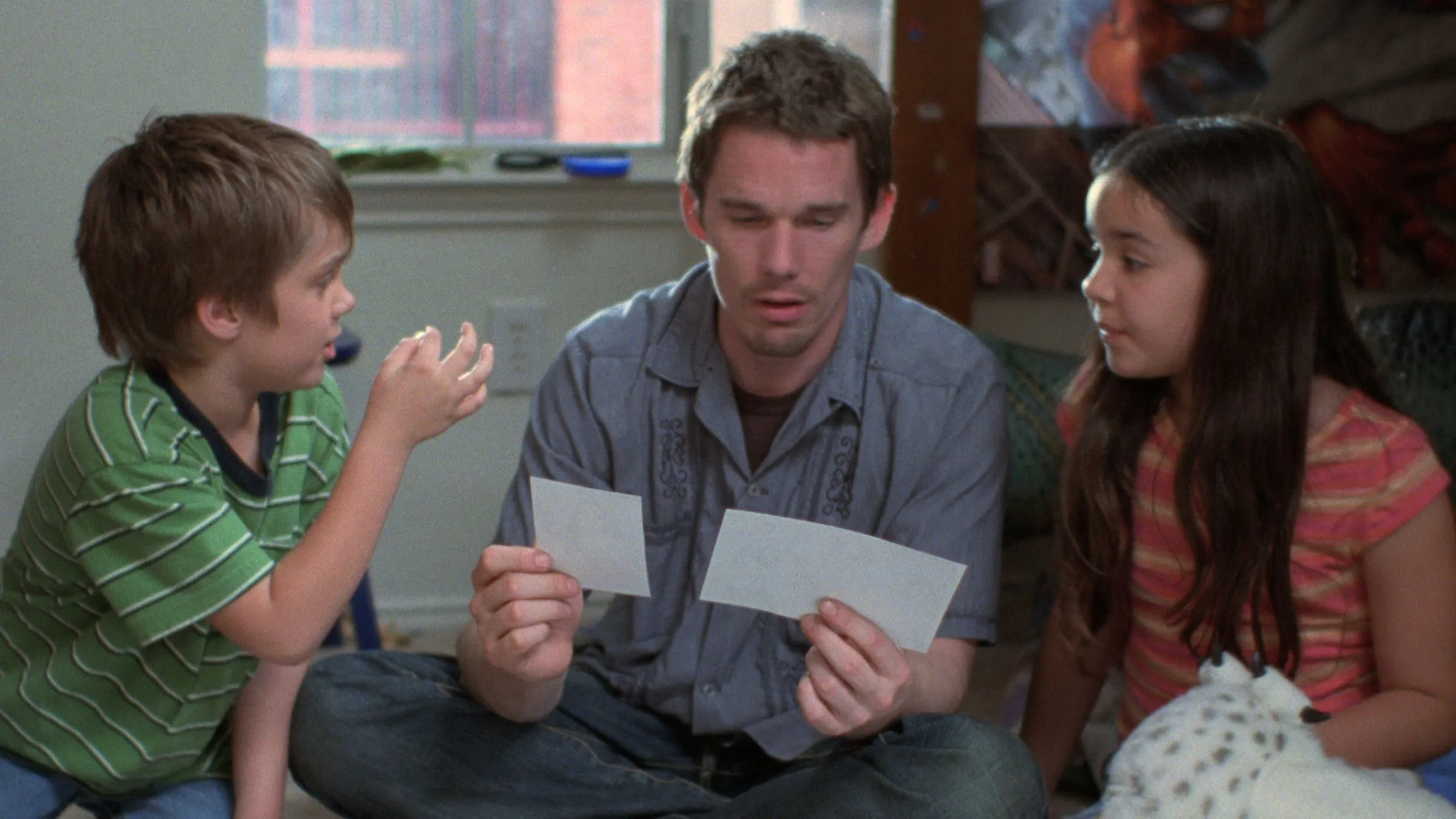
Imagine filming a movie with the same actors over twelve years! While it sounds fascinating, it’s incredibly risky. The film Boyhood aimed to capture the genuine growth of its cast as they aged, telling the story of a boy’s journey from childhood to adulthood. The story itself is simple, but the unique, long-term filming process is what truly makes it captivating. It’s a daring and original approach to filmmaking.
Making Boyhood was incredibly challenging. Actors could have become unavailable, cast members could have physically changed significantly, or unforeseen production problems could have arisen – and there was no easy way to fix any of these issues after filming. Unlike most movies where mistakes can be corrected later, Boyhood relied on a long-term commitment from everyone involved, making it a remarkably ambitious project. Furthermore, the film deliberately avoids big, dramatic moments, instead building its story through a series of small, everyday events – a storytelling approach that could have been risky for keeping audiences engaged.
4) Cloud Atlas
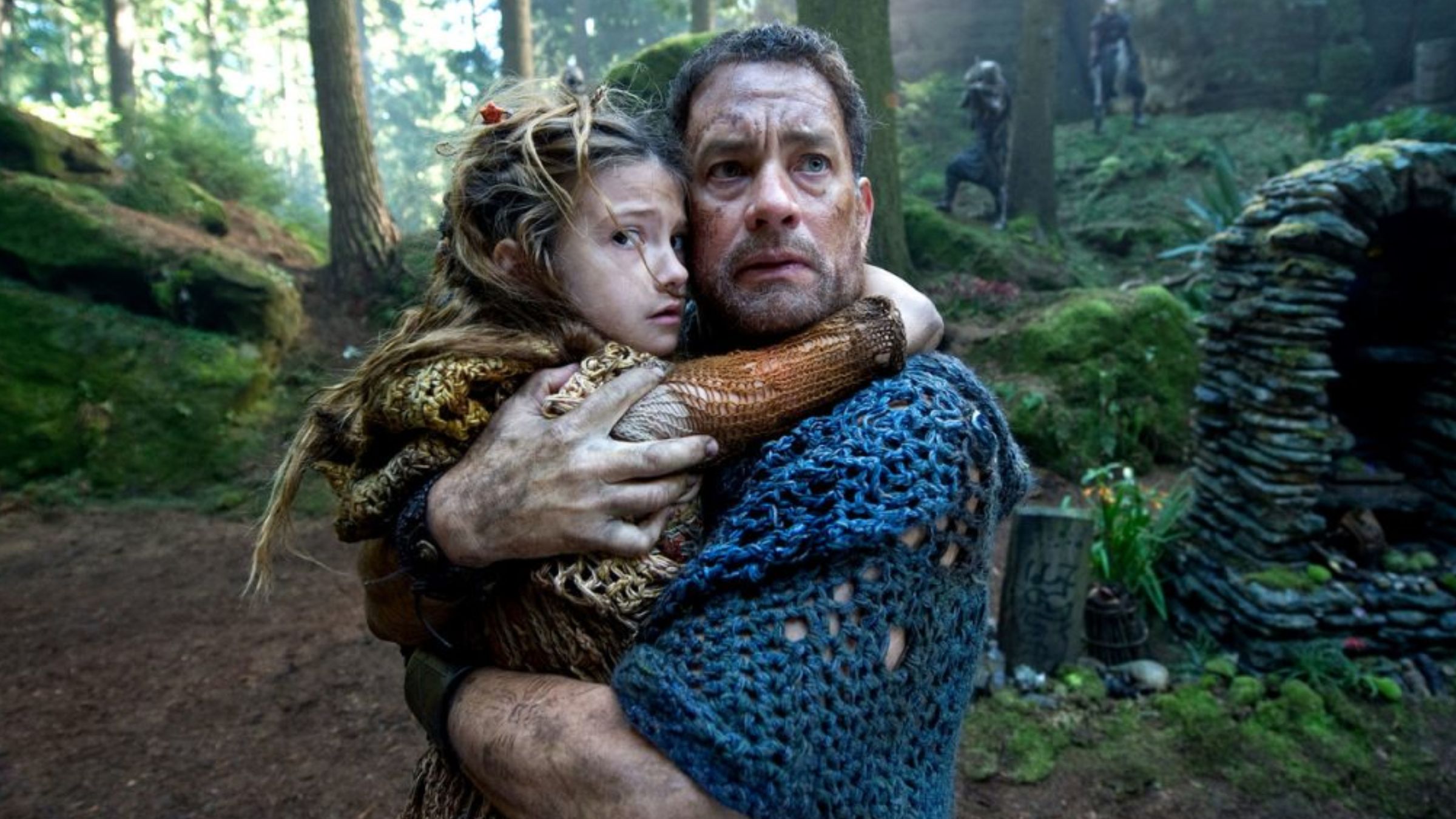
Cloud Atlas is a remarkably ambitious film, and it’s hard to imagine a movie like it getting made now. It never tries to make things easier for the audience, which is why it was difficult to fund. Directed by the Wachowskis and Tom Tykwer, the movie jumps between different time periods and stories, all linked by the idea that our lives are connected. While the concept is fascinating, the film’s complex structure could easily have become confusing. It constantly challenges viewers to piece everything together as they watch.
Cloud Atlas isn’t deliberately confusing, but it doesn’t spoon-feed explanations to the viewer either. The film cleverly uses the same actors in multiple storylines across different time periods, and it’s up to the audience to connect the dots. This approach is actually what makes the film so captivating – it invites you to actively participate in understanding the narrative, rather than simply being told what’s happening. However, it’s also easy to get lost, which is why many viewers struggled with it. The film requires you to meet it halfway, and that’s a bold choice. Most film studios wouldn’t take that risk with a project like this nowadays.
3) The Lord of the Rings
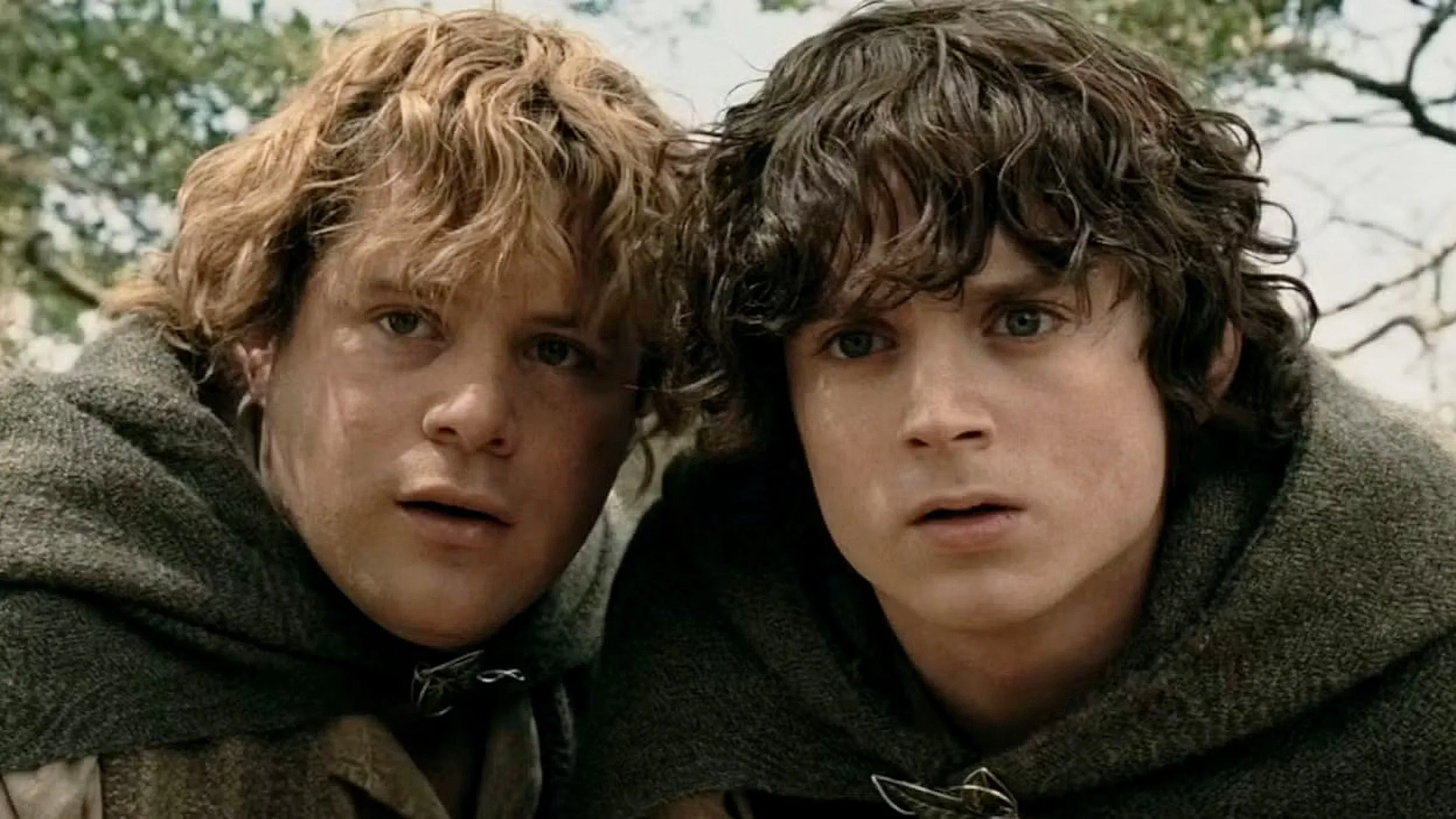
Widely considered one of the most epic stories ever told, The Lord of the Rings launched a hugely successful franchise that continues to expand. Like Dune, it was a notoriously difficult story to bring to the screen, primarily because of its complex, detailed world and intricate plot. The story takes itself very seriously, focusing on Frodo’s quest to destroy the One Ring amidst a large-scale war in Middle-earth. Given the story’s immense scope and incredible detail, simply adapting it faithfully was a daring and somewhat risky undertaking.
What’s truly remarkable is how Peter Jackson approached the project. He didn’t start with just one movie to test the idea – he filmed the entire Lord of the Rings trilogy simultaneously, before even knowing if the first film would succeed. That takes incredible confidence. Beyond that, the films were groundbreaking technologically. Weta Digital pioneered many of the visual effects we see today, and the production team built a completely immersive world using detailed sets, costumes, and extensive world-building.
2) The Tree of Life

This film is strikingly unconventional in its approach. The Tree of Life isn’t designed for mass appeal and seems to acknowledge that right away. It weaves together a boy’s upbringing in Texas with big questions about life, creation, and the universe, but it does so in a way that doesn’t follow a typical story structure. Essentially, the film deals with complex themes and isn’t interested in simplifying things to attract a broader audience. Instead, it feels more like a series of connected images, feelings, and moments than a traditional, plot-driven narrative.
As a film lover, I find The Tree of Life incredibly ambitious, but it’s definitely not a movie that spells everything out for you. It really relies on your own personal experience while you’re watching, which is what makes it so special, but also a bit of a gamble. It can be tough to sit through something where you’re not always sure what’s happening or what it all means. Everything is really up to how you interpret it. It feels like Terrence Malick made this film for a particular type of viewer, and honestly, its abstract nature is probably why it took so much bravery – both creatively and financially – to get it made.
1) Megalopolis
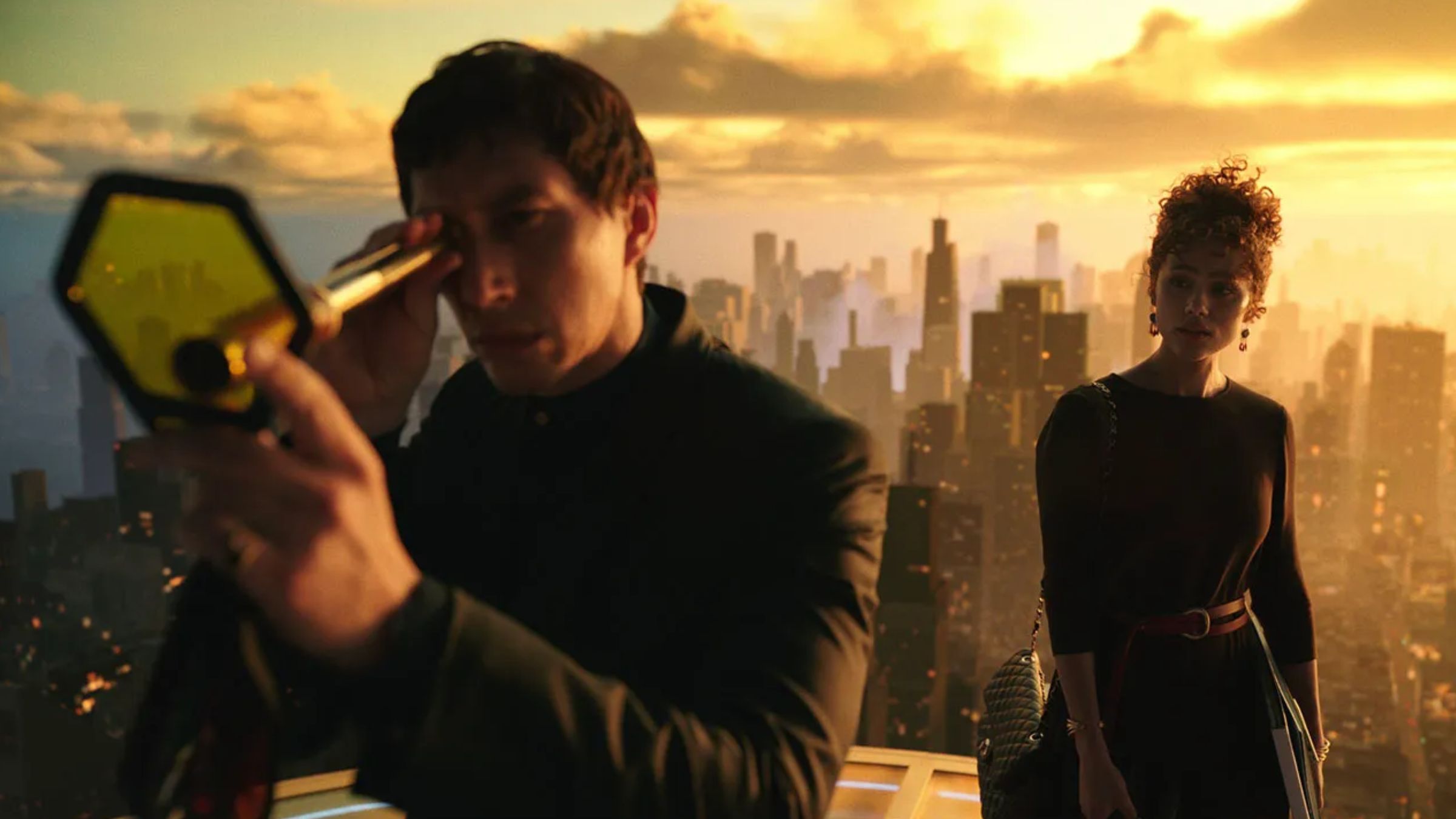
Wow, Megalopolis is unlike anything I’ve seen coming out of Hollywood lately – it really feels separate from all that. Francis Ford Coppola basically funded this whole movie himself, and it’s about an architect with this incredible vision for rebuilding a city, but he keeps running into trouble with the powers that be. Honestly, it feels like the biggest gamble on this list – it’s not just about whether the story works, but whether Coppola can pull it off financially and critically, and what it means for his career. It’s a huge risk, and I’m really intrigued!
This movie is a passion project from a seasoned director who invested his own funds, seemingly with no concern for financial success or mainstream appeal. He made it because he felt it needed to be made, which is unusual in today’s film industry. It’s ambitious, unconventional, and packed with ideas, clearly prioritizing artistic vision over commercial viability. Ultimately, Megalopolis isn’t striving for flawlessness; it’s a bold, daring film – a risk very few directors are willing to take.
What are your thoughts on these films? Share your opinion in the comments and discuss them with other fans on the ComicBook Forum!
https://comicbook.com/movies/list/10-best-movie-directors-of-the-21st-century-ranked/embed/#
Read More
- Gold Rate Forecast
- Dune 3 Gets the Huge Update Fans Have Been Waiting For
- Looks Like SEGA Is Reheating PS5, PS4 Fan Favourite Sonic Frontiers in Definitive Edition
- Pluribus Star Rhea Seehorn Weighs In On That First Kiss
- Arknights: Endfield – Everything You Need to Know Before You Jump In
- Jack Osbourne Shares Heartbreaking Tribute to Late Dad Ozzy Osbourne
- 10 Steamiest Erotic Thriller Movies of the 21st Century
- Disney Promotes Thomas Mazloum To Lead Parks and Experiences Division As Josh D’Amaro Prepares To Become CEO
- Every Upcoming Transformers Movie: Release Dates, Details, & Everything We Know
- 5 Weakest Akatsuki Members in Naruto, Ranked
2026-03-27 20:16