The gaming industry is facing significant challenges right now. We’re seeing talented developers lose their jobs and studios close, even as the cost of making big-budget games skyrockets to over $300 million and development times keep increasing. This current path isn’t sustainable and could lead to a major downturn for the industry.
Things aren’t completely hopeless in the gaming industry. Some studios are starting to develop games in a more sustainable way, and others are finding solutions to prevent their games and franchises from failing. CD Projekt Red, known for creating amazing open-world games like Cyberpunk 2077 and The Witcher 3, has a promising approach. While it won’t solve every problem, it tackles some of the most urgent issues. If other companies followed CD Projekt Red’s lead and allowed other studios to work on their games, the industry might be able to avoid a major downturn.
CD Projekt Red Sharing Its IP Is A Logical Fix
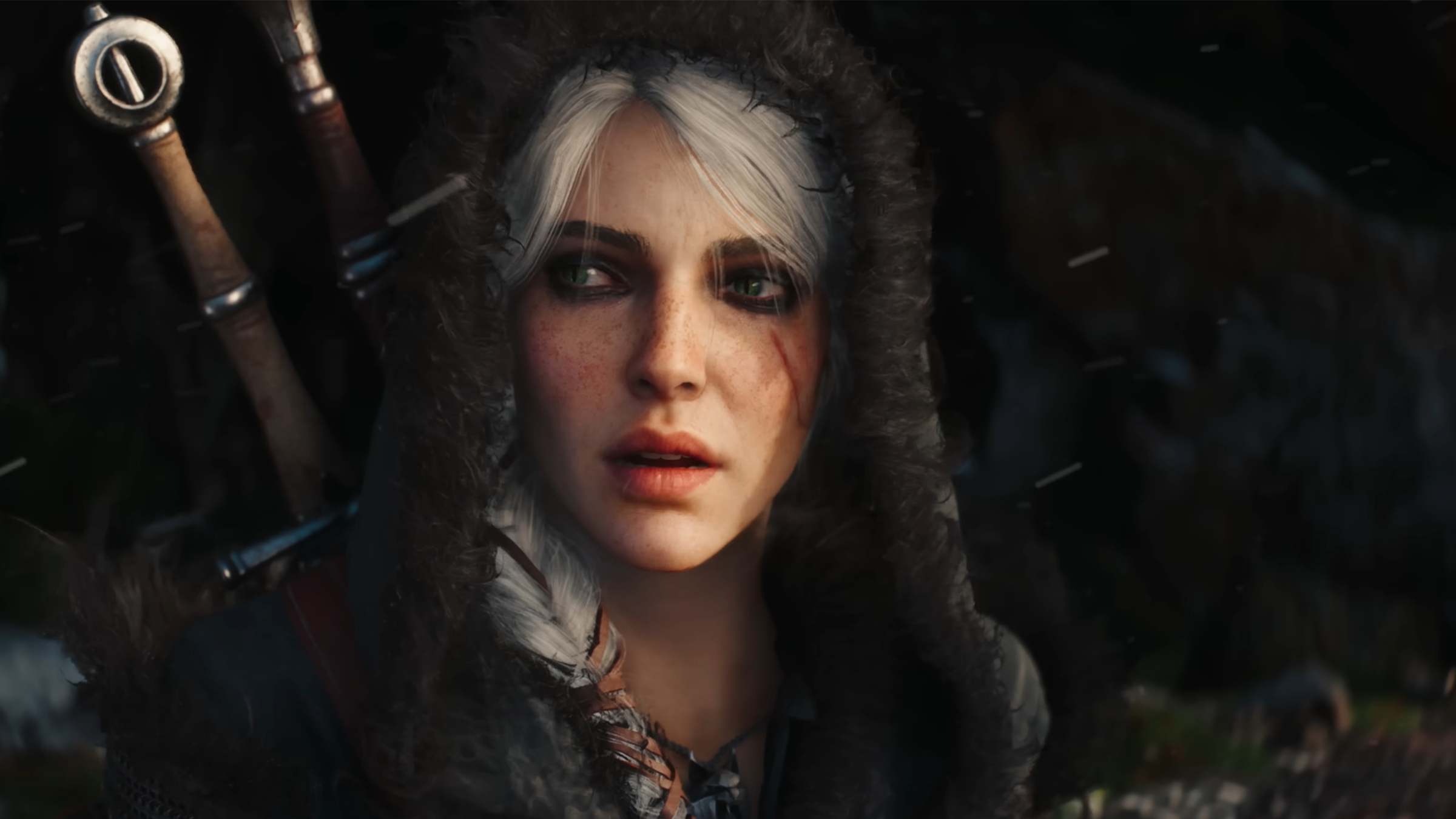
There seems to be a reluctance among developers to share their intellectual property. While it’s understandable that there isn’t always a clear financial benefit, especially if the original creator can still develop the IP themselves, it seems logical for a company like CD Projekt Red to consider options. They’ve announced a six-year plan for a new Witcher trilogy, but also have a library of older games that could be updated, and the incredibly popular Cyberpunk 2077. Temporarily allowing others to work with these assets could be a smart way to diversify their efforts.
CD Projekt Red is taking a smart approach with The Witcher. Instead of completely rebuilding the first game and then creating a new trilogy that lives up to the quality of The Witcher 3, they’ve partnered with Fool’s Theory, a studio largely made up of former CD Projekt Red employees. This benefits both companies: CD Projekt Red can keep releasing Witcher games and maintain player interest, while Fool’s Theory gets a high-profile project and a valuable revenue stream, which is especially helpful for a smaller studio.
The studio is reportedly working on downloadable content for The Witcher 3, which could help keep fans engaged while they wait for a sequel. However, CD Projekt Red may not have the resources to create this DLC. While they could have eventually developed this content, or a new Cyberpunk 2077 game, studios have limited capacity. Fans are always eager for new releases in the series they love, and it’s difficult to keep up with demand.
In the past, long gaps between game releases weren’t as big of a concern because games took less time to develop. But today, with game development becoming more expensive and taking longer, waiting so long between installments isn’t practical. For example, pre-production on Project Orion, the sequel to Cyberpunk, didn’t even start until 2025, meaning players won’t see it for several years – potentially a decade after the original. This kind of lengthy wait is becoming common for developers like Bethesda and Rockstar, but it’s not sustainable to invest so much time and money in a series with such large gaps between releases. That’s why game companies need to be more flexible with their franchises and, in some cases, share ownership of them.
Studios Need To Stop Hoarding IP

Let me clarify: I’m not suggesting Rockstar should let another studio make the next main GTA game. What I really want is a return to the early 2000s, when we saw many more spin-off and side-story games set in popular worlds. This happened because developers either hired other studios to help, or games could be made much faster overall. Think of games like Fallout: New Vegas, the GTA Stories titles, Persona, or Tales from the Borderlands. These games either kept a series going or expanded on it, and in some cases, even became more popular than the original games themselves.
Sony seems to be trying a familiar strategy again, particularly after releasing the popular Sons of Sparta God of War spin-off. This makes sense, especially considering reports that Marvel’s Spider-Man 2 cost $315 million to develop. Creating lower-cost games that leverage well-known franchises to drive sales – and help smaller studios grow or profit – is a smart and sustainable approach for the gaming industry. This model has been successful before, with studios specifically created to produce spin-off titles. For example, Visceral Games, the creators of Dead Space, built a reputation developing downloadable content and spin-offs for many of EA’s major franchises before the studio was unexpectedly closed.
It’s surprising to see companies like PlayStation and Xbox close down internal studios when they could have used them to create more games. There’s an obvious solution to avoid massive development costs: release smaller, more frequent projects in between big titles to keep fans engaged. However, PlayStation and similar companies seem hesitant to do this. Hopefully, the recent game Sons of Sparta signals a change in approach, and other developers will learn from CD Projekt Red’s example of how to revitalize underused franchises. The industry needs to evolve, and revisiting successful strategies from the past could be a good starting point.
Could smaller, independent games be a key to the future of the gaming industry? Share your thoughts in the comments and join the discussion on the ComicBook Forum!
Read More
- 10 Most Powerful Versions of Superman, Ranked
- Gold Rate Forecast
- GBP CNY PREDICTION
- 10 Best Free Games on Steam in 2026, Ranked
- 007 First Light: Release Date, Story, Gameplay, Cast, Editions, and Platforms
- Superman’s 7 Best Power-Ups, Ranked
- Forza Horizon 6 Car List So Far: Confirmed Highlights, Cover Cars, DLC, and Rewards
- 10 Greatest Manga Endings of All Time
- DOGE PREDICTION. DOGE cryptocurrency
- The Boys Officially Sets Up 4 Supes for Jensen Ackles’ Soldier Boy Spinoff
2026-03-29 15:13