
In 2003, the SYFY channel launched a series based on a famous science fiction story. Despite a limited budget and less advanced special effects compared to today’s shows, it successfully simplified a very complicated story into something easy to follow and engaging. While the show wasn’t flawless – its age meant visual effects weren’t always top-notch, and some plot points felt overly simplified – it stood out because of how well everything was put together.
You could immediately sense that even in its simple form, this project aimed for something grand. It felt like a guide on how to successfully adapt a complex story without sacrificing the richness of its world. It’s exciting to see a highly anticipated movie now doing just that, within the same fictional universe.
Frank Herbert’s Children of Dune Managed to Adapt Book 2 and Book 3 of the Dune Saga

Most people aren’t familiar with the miniseries Frank Herbert’s Children of Dune, especially considering the Dune franchise only recently gained widespread popularity with Denis Villeneuve’s films. However, the series is a great example of how to successfully adapt this complex story. Adapting the third book, Children of Dune, is particularly challenging for a visual medium. To overcome this, the series cleverly combined elements from the second book, Dune Messiah, into a unified storyline. But how did it manage to pull that off?
This miniseries follows Paul Atreides’ children, Leto II and Ghanima, as they navigate political intrigue and danger while trying to live up to their father’s name. The story unfolds in three parts. First, it adapts the events of Dune Messiah, showing Paul already emperor and facing conspiracies and threats, staying true to the book without unnecessary details. Then, the series moves into Children of Dune, where the now-adult twins grapple with issues of power, manipulation by Alia and the Bene Gesserit, and the continued rivalry with House Corrino.

The main change is that the characters are noticeably older, which actually speeds up the story and adds to the drama. This avoids the need to spend a lot of time establishing the important political and religious conflicts. Ultimately, the adaptation of Children of Dune skillfully balances action, thoughtful conversations, and suspense. It makes smart choices about what to keep, what to cut, and what to simplify, all while staying true to the spirit of the original book. Viewers, including fans of the source material, were very pleased with how well the adaptation turned out, especially considering how challenging it seemed.
The upcoming Dune: Part Three miniseries will conclude Denis Villeneuve’s Dune saga and will primarily be based on the novel Dune Messiah. However, considering the trailer, the changes Villeneuve has made from the source material so far, and the casting of Nakoa-Wolf Manakau and Ida Brooke as the children of Paul and Chani, the film will likely incorporate elements from the third Dune book as well.
How Dune: Part Three Might Repeat the Trick of Frank Herbert’s Children of Dune
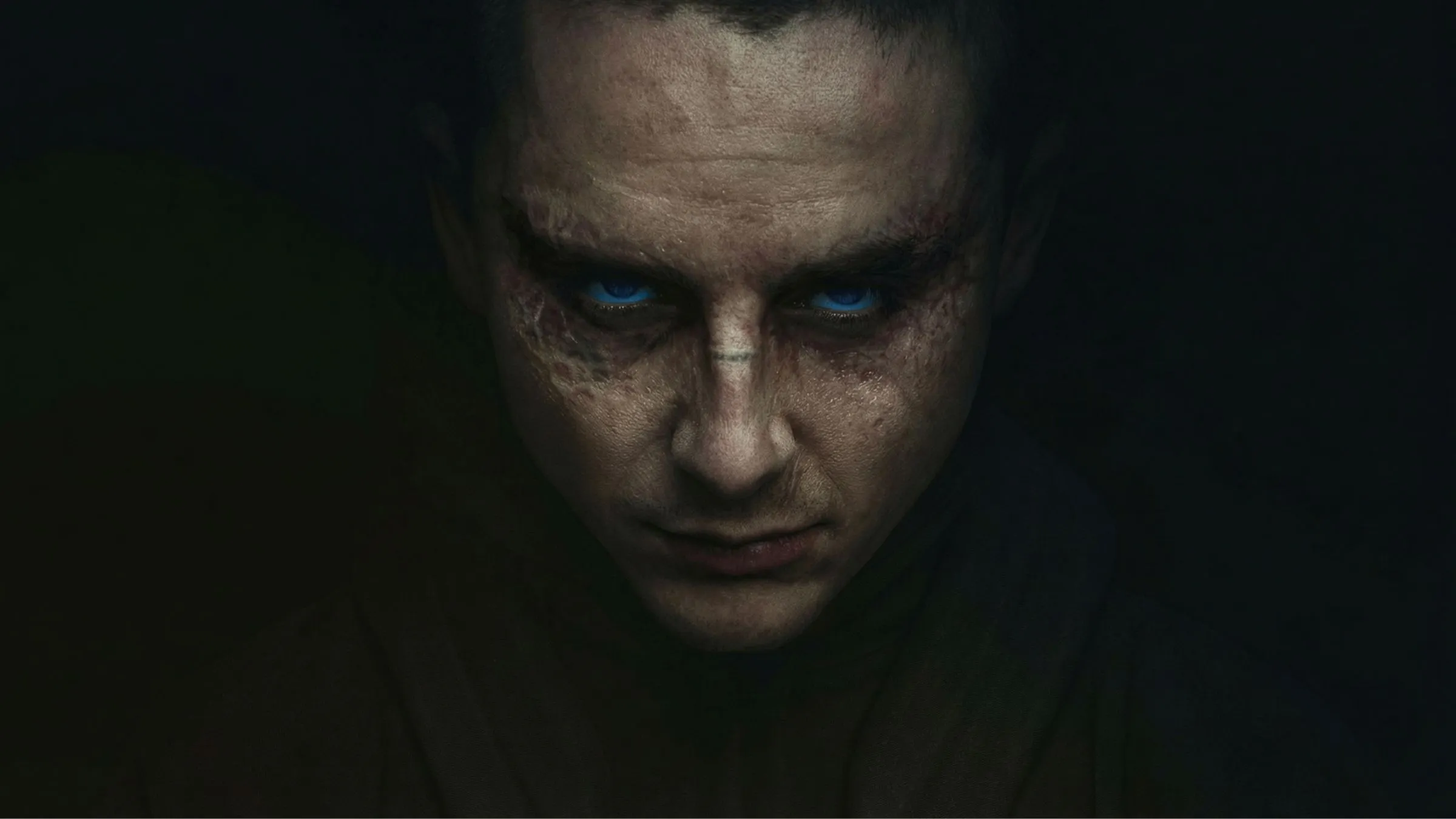
Watching Dune and Dune: Part Two gives you a good idea of director Denis Villeneuve’s vision for the series. He’s not simply trying to recreate the second book scene-by-scene, as it’s a very thoughtful and politically focused story that wouldn’t usually work for a big-budget film. Instead, he’s streamlining, rearranging, and adding to the story to appeal to both longtime fans of Frank Herbert’s work and a wider audience. This is similar to what the new Dune television series is doing – taking complex source material and turning it into a clear, compelling story, but with a much larger budget.
Adapting Dune Messiah is challenging because the book is heavy on political intrigue and philosophical ideas with very little action. Those elements could make for a slow-paced movie on their own. The trailer for Dune: Part Three suggests they’re addressing this by interweaving action-packed scenes. It appears the director is taking a similar approach to the Children of Dune adaptation – speeding up the story, adding more detail, and introducing important characters early on, even if their full impact isn’t felt until later in the series.
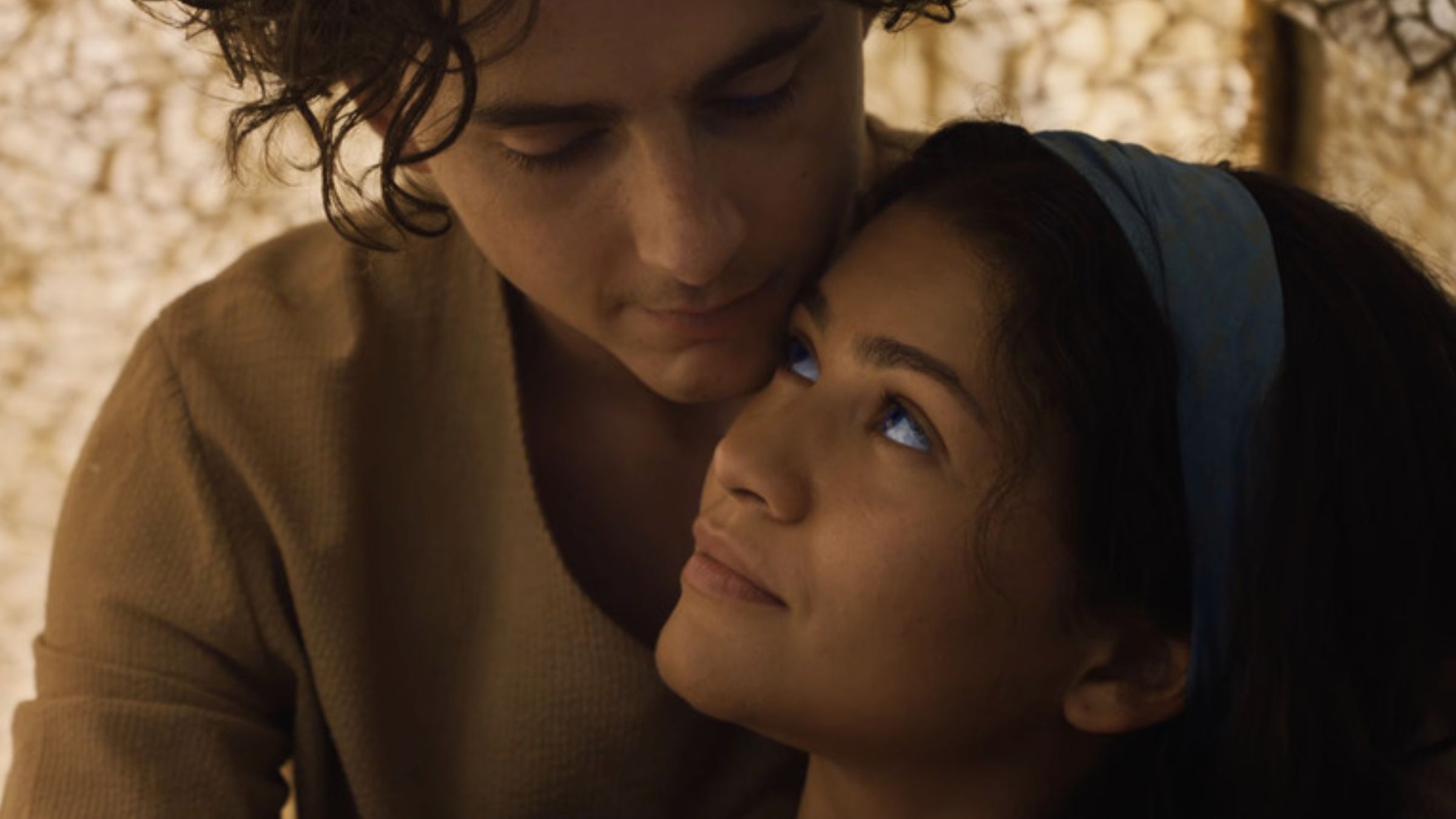
It’s unclear how Leto II and Ghanima will be featured in the new film – perhaps through visions or a concluding scene. However, their presence is crucial, especially considering the ending of Paul’s story. They represent a link to future storylines and highlight that Paul wasn’t just ruling for his time, but with the next generation in mind. This introduces the idea of legacy and the immense pressure these twins will face. It also sets up the possibility of them being extraordinary, even surpassing typical human potential, regardless of whether the story continues beyond this adaptation.
What really strikes me about Villeneuve’s work is how he managed to bring such a famously difficult story to life on screen – something many thought impossible! It’s fascinating to realize that the success of the old Children of Dune series actually paved the way for where the franchise can go now. He’s definitely not just copying the show, of course; he’s a true filmmaker with his own vision. But it’s wonderful to think that a clever idea from that series might now be expanded into something truly epic and spectacular – exactly the kind of adaptation Dune deserves.
Dune: Part Three hits theaters on December 18.
What do you think? Leave a comment below and join the conversation now in the ComicBook Forum!
Read More
- What Song Is In The New Supergirl Trailer (& What It Means For The DC Movie)
- Gold Rate Forecast
- Eurogamer Gives ARC Raiders 2/5 Over AI Voices, Dropping Metacritic Score from 94 to 84
- Jujutsu Kaisen Is Returning With a Special Release After Sequel’s Finale
- Robinhood’s Tokenized Stock Fiasco: A Tale of Tokens and Tussles
- MOUSE: P.I. For Hire Loops in Caravan Palace for A Catchy New Track Ahead of April 16 Release
- New Open-World “AAAA” Game Coming From Tomb Raider Developer
- Ariana Grande and More Celebs React to Golden Globes 2026 Nominations
- Beyond Standard Models: Unveiling Hidden Quantum Advantage in Particle Collisions
- Avengers: Endgame’s Success is Still Impossible to Copy
2026-04-04 17:16