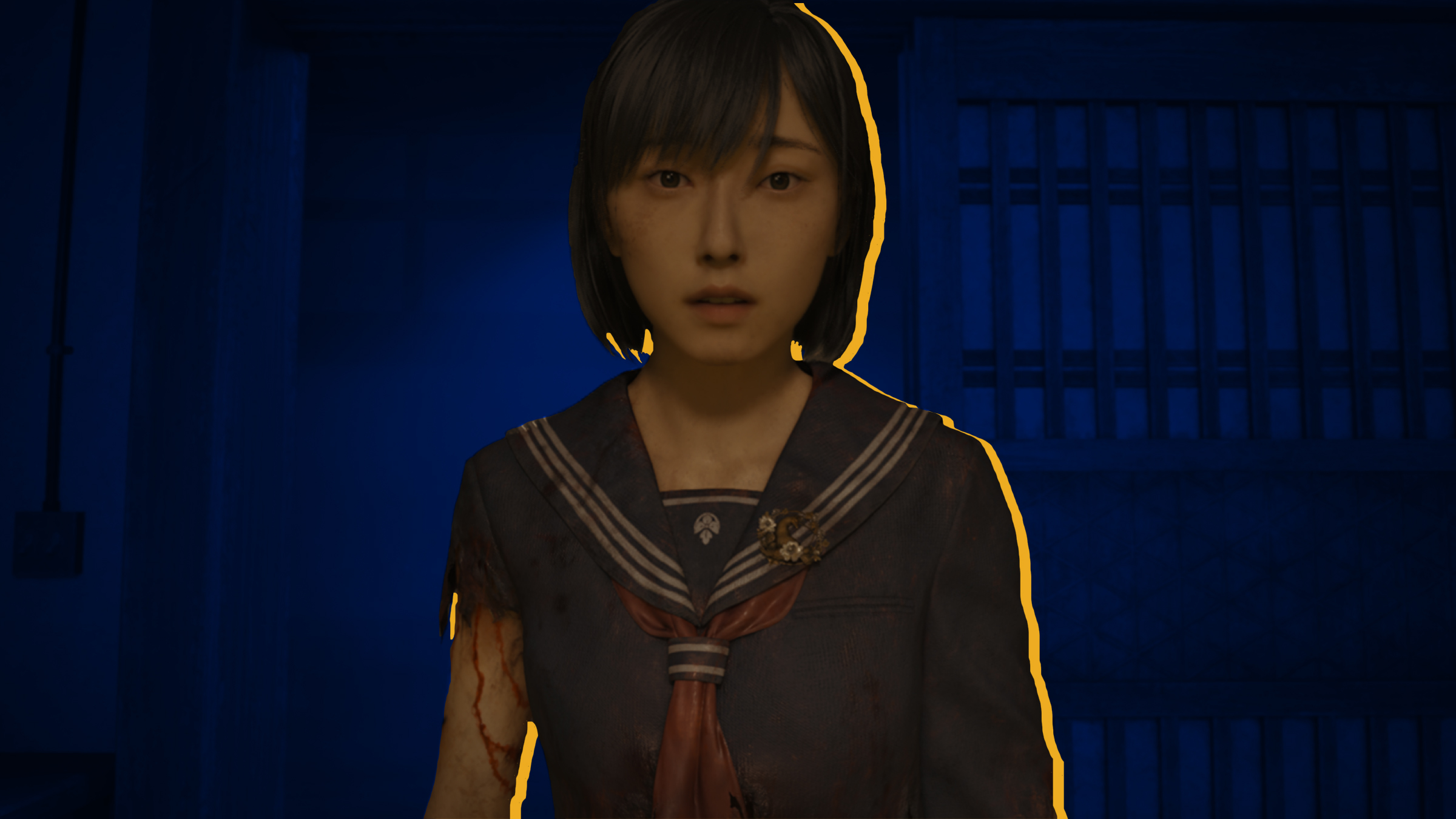
It’s common for video games to feel weak towards the end, sometimes due to unnecessary side quests or a disappointing story. But every now and then, a game manages to stick the landing with a truly satisfying finale, leaving a lasting impression on players long after they finish playing.
Here are three video game endings that are sure to make you think. Be warned: each section includes spoilers, but they appear only at the very end of the explanation.
3) and Roger
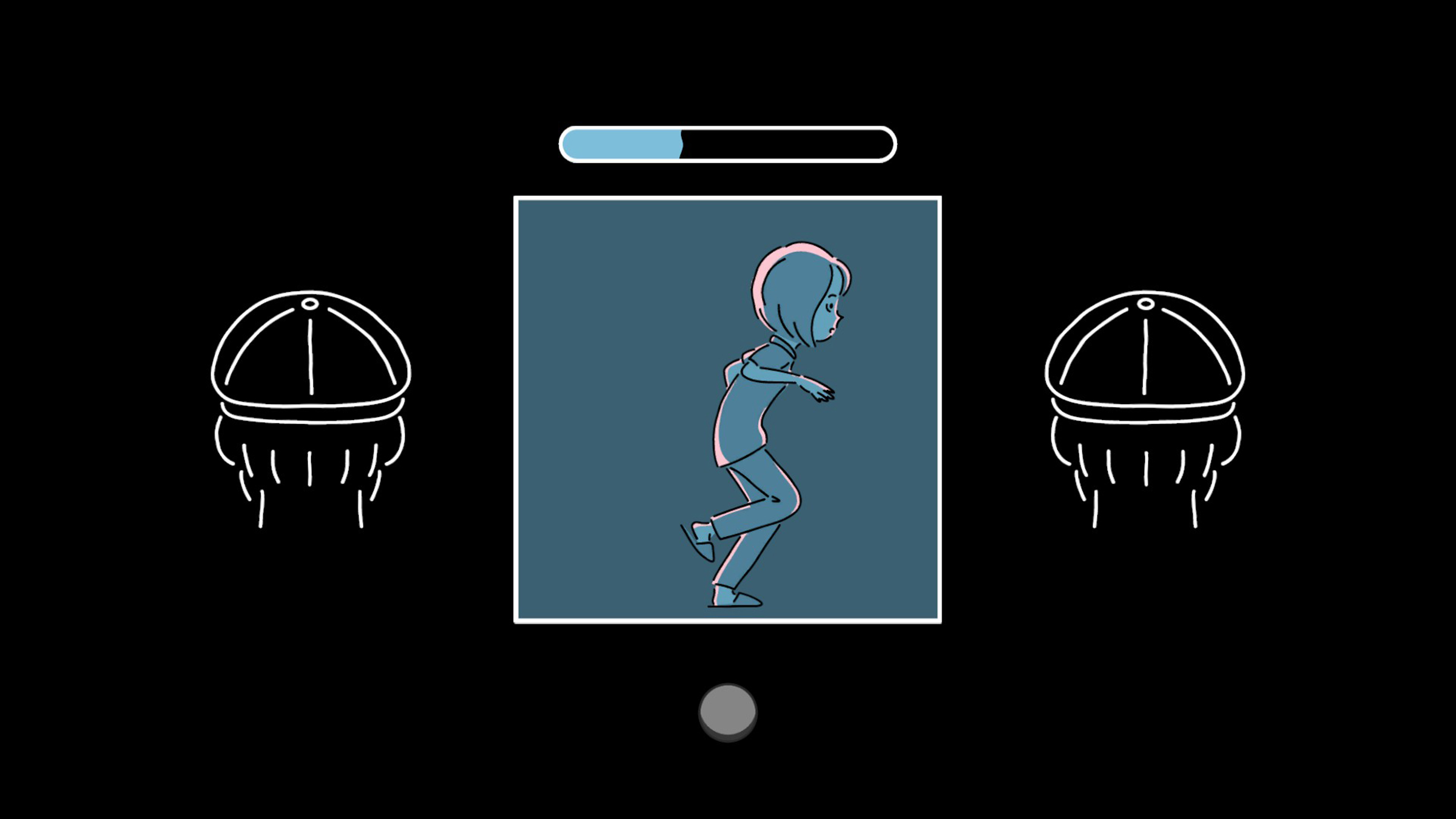
Landing a clutch parry in Lies of P or getting a four-player elimination with D.Va’s ultimate in Overwatch feels amazing, but video games need to offer more depth to truly grow as an art form. Games like and Roger are a step in that direction.
In and Roger, players experience the world through the eyes of a disoriented girl, completing tasks that often feel illogical. The game deliberately features small, hard-to-follow objects arranged in strange ways. This design choice effectively mirrors the character’s unstable mental state and is a key element of the game’s storytelling.
The game’s unusual design choices become truly meaningful when you understand its core idea. The confusing instructions aren’t meant to frustrate you, but to help you feel what it’s like to experience dementia. Similar to how the film The Father used filmmaking to disorient its audience, this game uses the medium of video games to create that same feeling of confusion for the player. This culminates in a powerfully emotional ending, as the character’s condition deteriorates. While deeply sad, the ending isn’t without moments of happiness, mirroring the unpredictable and often bittersweet experience of caring for someone with dementia.
2) Signalis
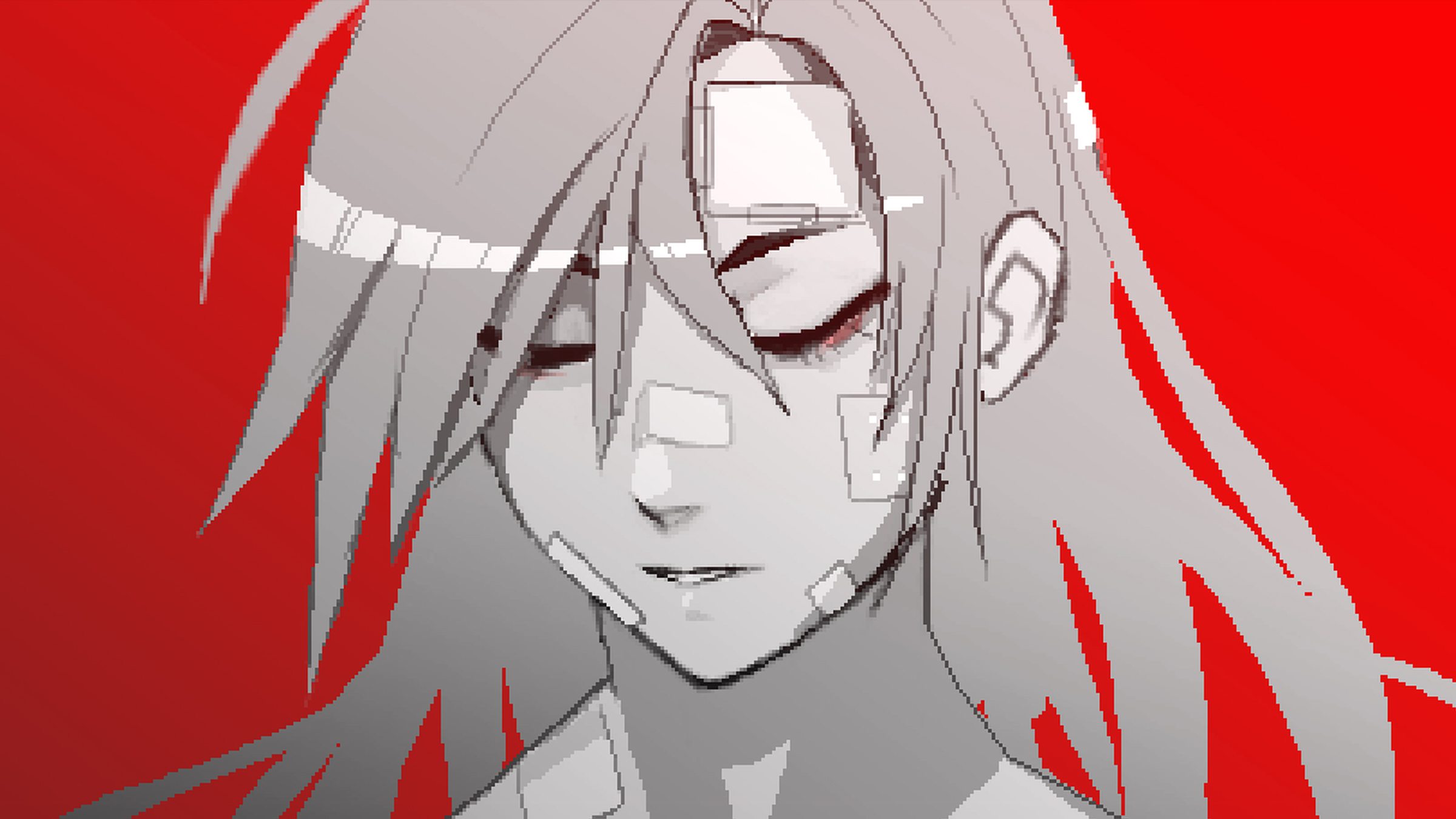
Many games have been inspired by Silent Hill, but Signalis truly captures the spirit of the originals. It nails the unsettling enemies, eerie atmosphere, and old-school visuals, but what really sets it apart is its compelling story, making it feel like a long-lost sequel to the classic Konami games.
The core story of Signalis—where the robotic character Elster searches for her companion Ariane—is fairly straightforward. But the game’s world and characters are filled with hidden layers, and many details are revealed through its multiple endings. These endings often blend what’s real and what isn’t, and are presented through dreamlike visions and ambiguous conversations, making the overall story somewhat challenging to fully understand.
Rather than leaving players frustrated with an unresolved ending, the game’s lingering mysteries actually encourage them to explore further and piece everything together. The compelling scenes and intriguing lore make players want to dig deeper – a less engaging game wouldn’t have the same effect and would likely end in confusion. Even if some details are unclear initially, the tragic conclusion of Elster’s story is genuinely moving, given the hardships she faces. This somber ending, typical of a good horror game, and the deliberate ambiguity, are what make the story truly special and ensure it will be remembered as a classic for years to come.
1) Silent Hill f
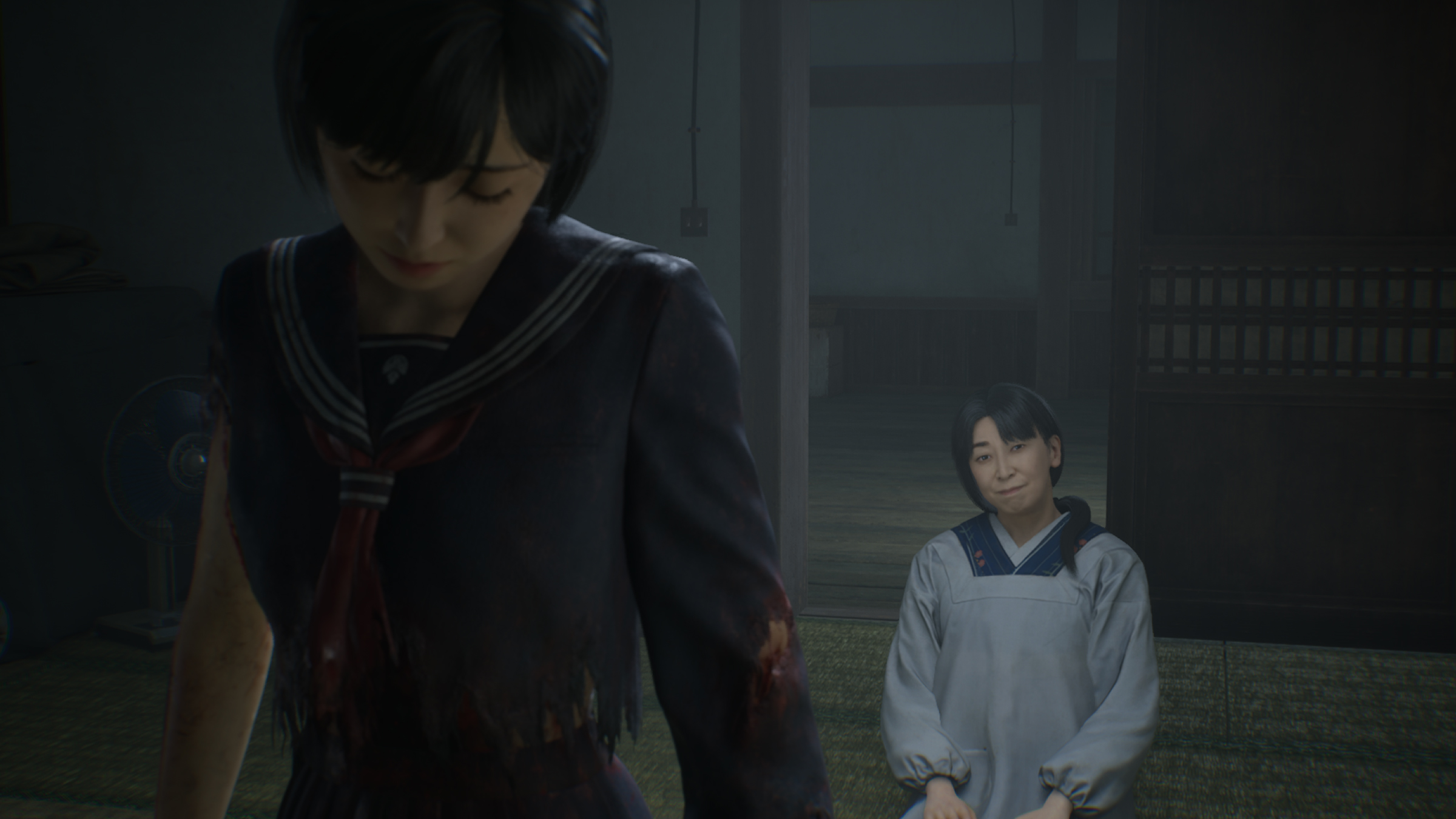
The first ending of Silent Hill f might shock players, but not in a good way. It feels rushed, unexpected, and doesn’t provide a satisfying conclusion, relying on an old-fashioned storytelling technique. However, this odd finale is intentionally designed to be frustrating, encouraging players to explore the game’s other endings and ultimately appreciate its deeper meaning.
The alternative endings become increasingly revealing as you progress, offering deeper understanding of the story. New collectibles provide crucial context for these endings, making them difficult to fully grasp if watched out of order – you really need the information from the journal entries to make sense of them.
The game’s ultimate ending truly comes together after experiencing at least two of the main story conclusions. While seeing monstrous creatures representing the two families players have learned about might seem strange, it’s a powerful way to illustrate the game’s central ideas. The game explores the experiences of women in 1960s Japan, and depicting this struggle as a giant mythical fox and a demonic puppet feels like a natural extension of the metaphorical storytelling found in classic Silent Hill games. It’s a complex conclusion that requires some effort to understand, but this kind of dramatic escalation is exactly what a true ending needs, and it perfectly reinforces the game’s themes. This satisfying payoff and consistent storytelling are likely what will make this game as memorable as Silent Hill 2 for years to come.
What do you think? Leave a comment below and join the conversation now in the ComicBook Forum!
https://comicbook.com/gaming/feature/silent-hill-f-series-best-22-years-breaks-free-sh2-grip/embed/#
Read More
- What Song Is In The New Supergirl Trailer (& What It Means For The DC Movie)
- Dune 3 Gets the Huge Update Fans Have Been Waiting For
- TV legend Carol Kirkwood reveals the reasons why she decided to retire after 28 years with BBC
- Avengers: Doomsday Release Date Change Being Discussed – Report
- Crimson Desert is a “Cynical Amalgamation of Borrowed Mechanics,” Says Larian’s Publishing Director
- Grab These Resident Evil PSN Avatars for Free This Month
- Gold’s March Madness: Plumbing, Panic, and Polish Central Banks
- Whales, Channels, and the Inevitable Dance of Folly
- The War Film Harrison Ford Completely Disowned Finally Returns to Streaming – “A Terrible Experience”
- Steam Giving Away Two PC Games for Free for Next 72 Hours
2026-04-05 17:10