It’s rare, but sometimes a game just perfectly matches my tastes. People of Note, a musical RPG created by the indie developers at Iridium Studios, is one of those games.
This game uniquely blends the world of Final Fantasy with the exciting concept of K-Pop Demon Hunters, creating a lighthearted and enjoyable experience throughout.
The music and references to popular bands were fantastic! However, be aware that the writing, while clever and full of allusions, leans heavily into a young adult style, which might not appeal to everyone.
You take on the role of Cadence, an aspiring pop singer with bright blue hair and a determined spirit. The game begins like many success stories, following Cadence as she tries to win a local talent show.
As she explores various musical worlds, the story’s challenges grow. Ultimately, it’s a message about the power of unity – how much better it is to connect with others, even when we have different preferences and come from different walks of life.
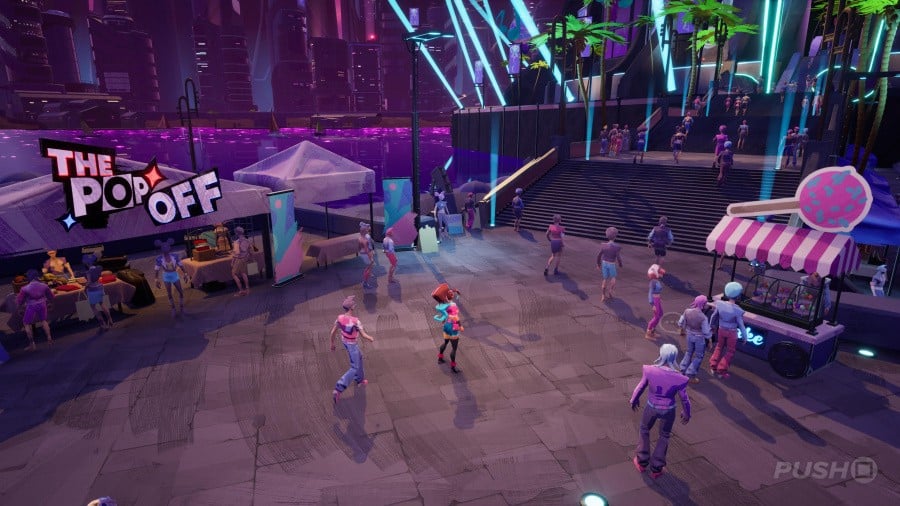
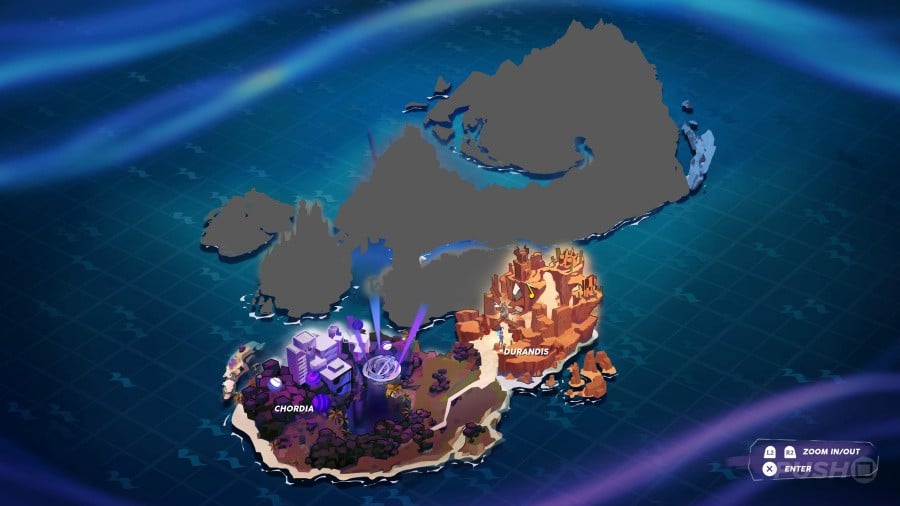
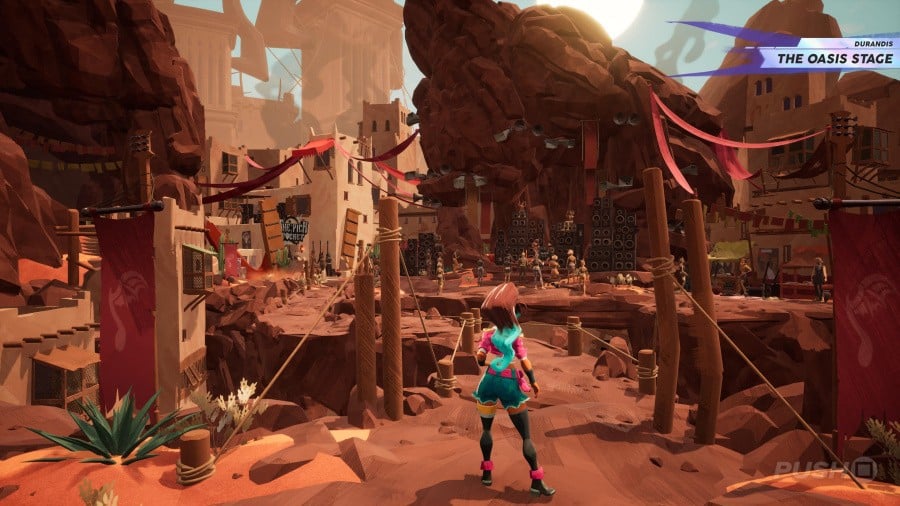
Every area in the game feels distinct, like the rock-themed Durandis or the EDM-inspired Lumina. This gives our environment artists a lot of creative freedom. I especially enjoyed the artistic style of the folk music dungeon and the impressive buildings in the rap music area.
The story features interesting side stories, like a conflict between different types of rock music and the popularity of a drug called Glitter. The plot moves very quickly, and I occasionally lost track of important details, but overall, I liked the fast pace.
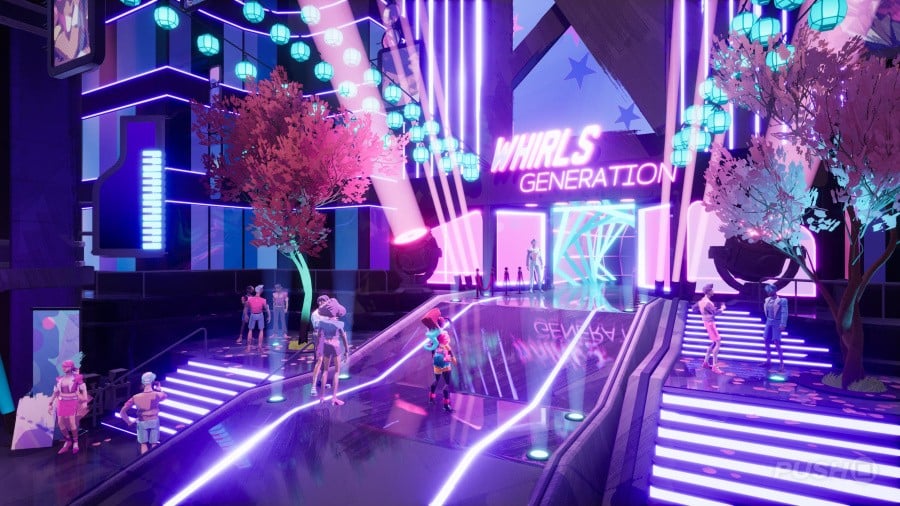
I especially appreciated all the clever references throughout the game. For example, one of the early dungeons is a nightclub called Whirls’ Generation, a nod to the k-pop group Girls’ Generation. The game blends modern and classic elements—one puzzle requires you to set clock hands to match the lyrics of the song Total Eclipse of the Heart.
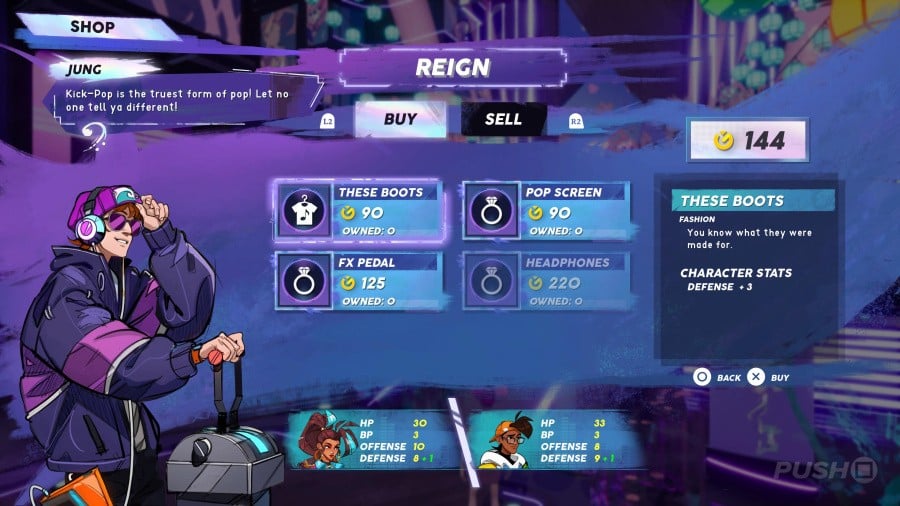
The writing is clever and witty, particularly if you enjoy puns. It’s full of playful references – many of the items mentioned allude to musical bands, like a play on words with Linkin Park and a parka.
The soundtrack is incredible and adapts to whatever genre you’re experiencing. For example, the city of Durandis is split into areas themed around different kinds of rock music, and it’s really impressive how the music smoothly shifts from a pop-punk style, like Blink-182, to the heavier sound of bands like Nirvana.
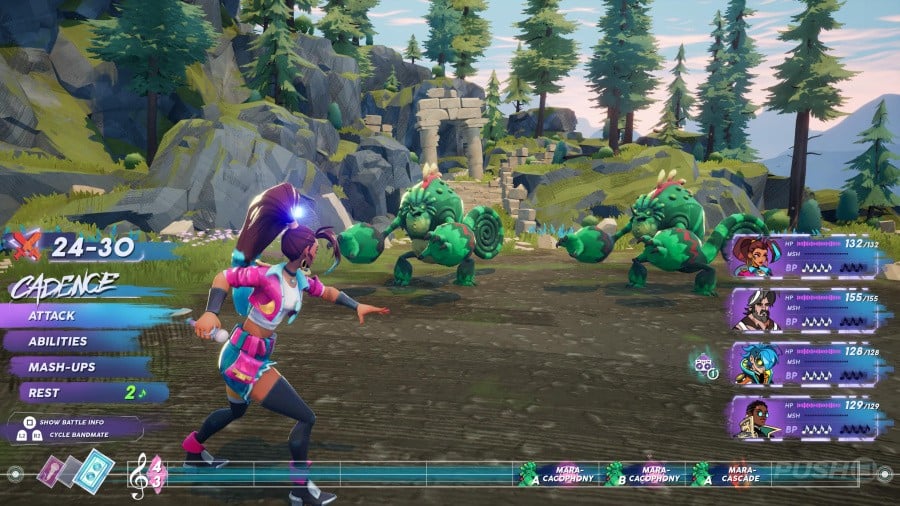
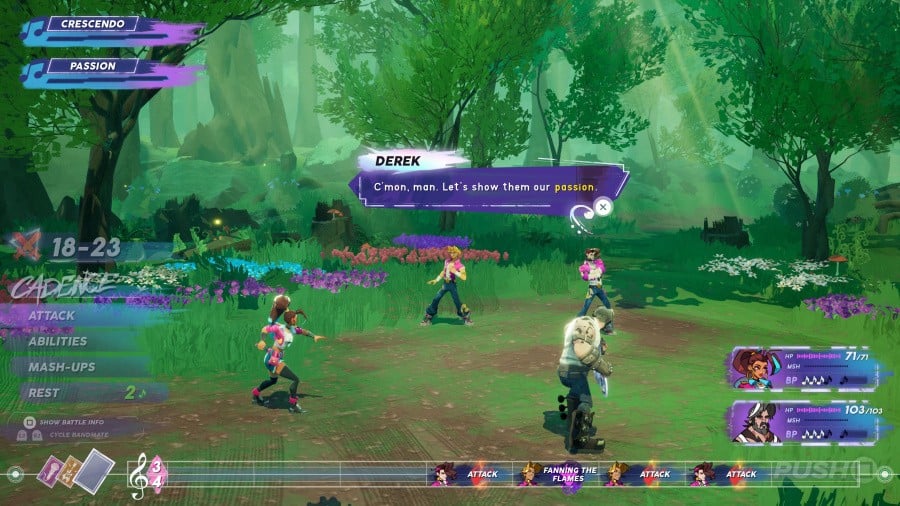
The music’s themes are reflected in the combat, which is structured like a series of verses instead of a simple back-and-forth.
Okay, so as I add more members to my band, things get way more complicated, but in a good way! Each musician specializes in a different genre, and when they’re playing their best genre, they’re twice as good. The tricky part is, the genres change every turn, so I really have to think ahead and plan my moves to make sure everyone’s skills are being used at the right time. It’s a lot to manage, but super rewarding when it works!
As you fight, you’ll gain BP, which you can use to unlock Songstones – think of them as special powers. You’re free to customize your character however you like, and you can even combine different Songstones to make them even stronger.
As you face different enemies and bosses, you’ll have to find new ways to fight them. Some enemies will mess with the battlefield, but one character can clear these effects with a special ability. Others will make your attacks cost more energy, so you’ll need to choose your moves wisely.
The game’s Limit Break feature lets you combine gameplay styles with another genre, giving you an advantage. This could mean unleashing a powerful attack or healing your entire team – it varies depending on which characters are paired together.
The game also features a rhythm-based element where you time your button presses to the music to execute perfect attacks. It’s similar to the gameplay in Clair Obscur: Expedition 33, but I found the feedback from the controller wasn’t strong enough to make the timing feel truly rewarding.
I generally liked the combat, but it sometimes felt a little slow, and the animations could have been faster. I also thought the story could have gotten more complicated a bit earlier on, even though I enjoyed how it developed.
Beyond combat, the game features several environmental puzzles that mostly involve activating switches. I generally liked these puzzles, but they became annoying in the Choral Reef section, where you have to manipulate geysers to build temporary platforms.
One of the game’s best features is how customizable it is – you can easily disable the environmental puzzles if they’re too challenging, and it won’t affect your overall experience. I didn’t personally need to use this option, but it’s great that it’s there for players who want a more relaxed game.
The game isn’t without its highlights. I especially liked a dungeon set in a mansion where you solve a puzzle by playing the piano to find an important item. It was good to see the game consistently introduce new challenges instead of repeating old ones.
I especially enjoyed the musical sequences. At crucial points in the story, the game shifts to a music video-style presentation, which expands on the plot or gives more background on key characters.
I’m loving the music in this! And almost all the characters are fully voiced, which is fantastic. A special shout-out has to go to the villain, Sharp – his voice acting is incredible, especially that deliciously sinister English accent he does!
I was really impressed by the game’s creative enemy designs. Foes like the Sea Bass – which cleverly looked like a bass guitar shaped like a fish – and the Queen Bee, complete with a fancy Elizabethan collar, showed a lot of imagination.
Honestly, sometimes you can definitely tell the game wasn’t made with a huge budget. Cadence’s running animation feels a little clunky, and while the character portraits are bright and look good at first, seeing them for over ten hours starts to get a little repetitive. It’s not a huge deal, but it’s noticeable.
The game doesn’t take advantage of the PlayStation 5’s capabilities. I observed the light bar on the controller changing colors during gameplay, but couldn’t figure out what caused it. It also lacks haptic feedback, which would have been a good addition considering the battle system’s focus on rhythm.
Read More
- Why is Tech Jacket gender-swapped in Invincible season 4 and who voices her?
- Welcome to Demon School! Iruma-kun season 4 release schedule: When are new episodes on Crunchyroll?
- Sydney Sweeney’s The Housemaid 2 Sets Streaming Release Date
- Highly Anticipated Strategy RPG Finally Sets Release Date (And It’s Soon)
- The Super Mario Galaxy Movie: 50 Easter Eggs, References & Major Cameos Explained
- Dune 3 Gets the Huge Update Fans Have Been Waiting For
- TV legend Carol Kirkwood reveals the reasons why she decided to retire after 28 years with BBC
- Who Wants to Be a Millionaire? confirms contestant wins full £1 million prize pot on Jeremy Clarkson quiz
- How Blake Lively & Ryan Reynolds’ Kids Pranked Her on April Fool’s Day
- Sesame Street Slams “Disgusting” Posts on Elmo’s Account After Hack
2026-04-07 16:08