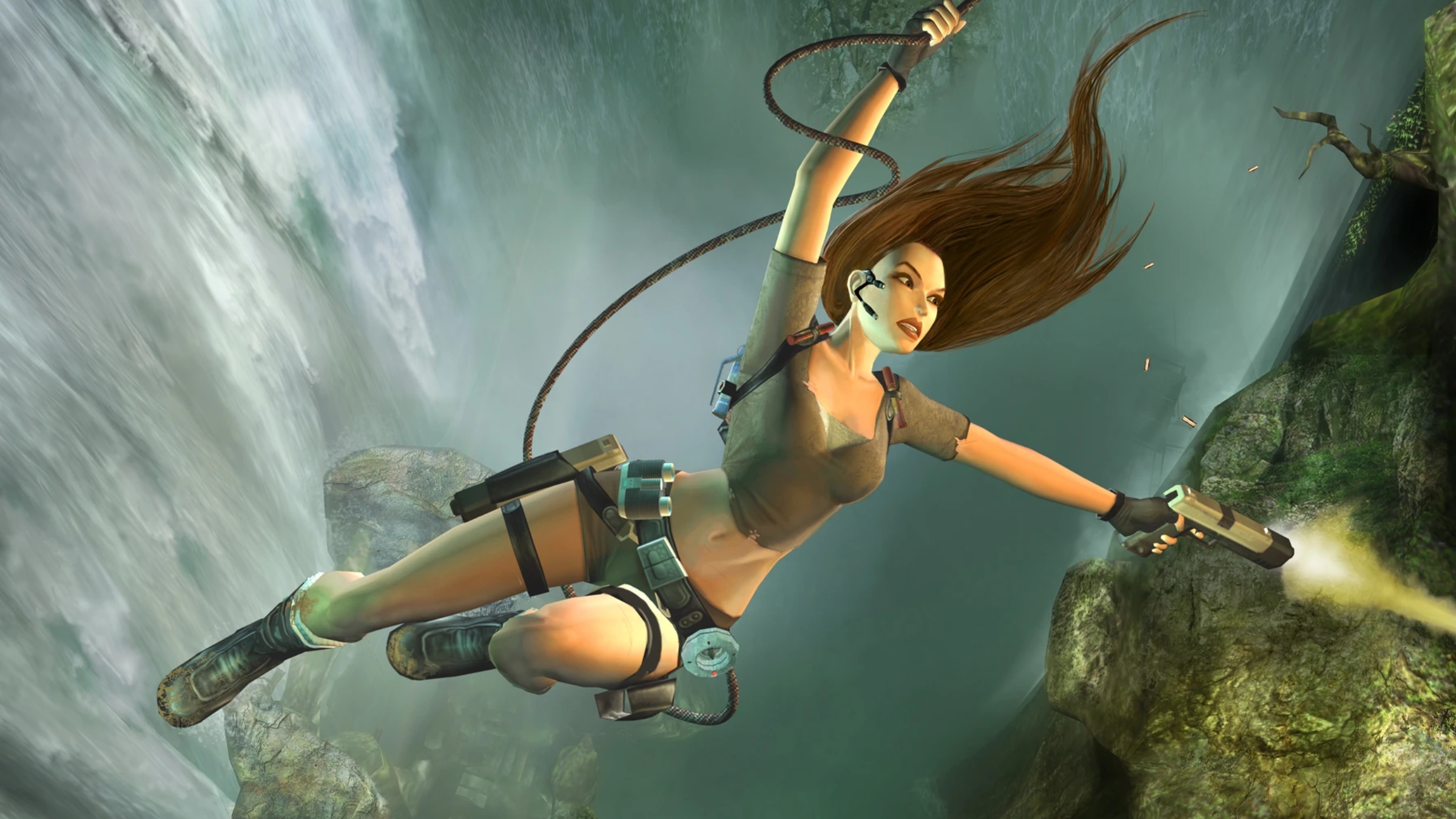
Lara Croft first appeared in video games 30 years ago and immediately became a sensation, standing out as one of the few female protagonists in a major franchise. Since then, she’s become incredibly popular across different forms of media, starring in films, a cartoon series, and with a new TV show on the way. However, her popularity wasn’t always high – a poorly received sequel almost derailed the character’s success.
The character experienced a successful revival with the release of Tomb Raider: Legend, though the game’s creators preferred to call it a reimagining rather than a reboot. Launched in North America on April 11, 2006, the game was a major success and breathed new life into the Tomb Raider series. Without it, Lara Croft might have faded into obscurity instead of becoming a prominent figure in the gaming world again.
How Lara Croft Was Rebooted The First Time

Lara Croft first appeared in 1996 and quickly became incredibly popular, establishing her as a leading female character in video games. Over the next ten years, she starred in six games. However, the games made by Core Design started to receive less positive attention from both players and critics. This culminated in Tomb Raider: The Angel of Darkness, which wasn’t successful. As a result, the publisher, Eidos, decided to give the next game to Crystal Dynamics. They tasked the new developer with completely redesigning Lara Croft, even bringing in the original creator, Toby Gard, to help reimagine her.
The game took two years to create, allowing the team ample time – a contrast to the hurried development of The Angel of Darkness. To distinguish it from previous installments, they redesigned the controls and action sequences. Focusing on Lara Croft’s established roots in ancient ruins, the Crystal Dynamics team prioritized her speed and athleticism. This meant building a completely new physics engine and essentially rebuilding Lara’s character model, with around 20% of the game’s code dedicated to her unique animations.
Beyond gameplay, the game’s atmosphere was enhanced through improved visuals, music, and world design. The developers also used this opportunity to refresh Lara Croft’s character, though they preferred to call it a reimagining rather than a full reboot. They built on existing story ideas and expanded the series’ lore, giving Lara a more compelling and tragic past. This provided a stronger motivation for her adventures and a clearer reason for her dedication to exploring ancient tombs. Ultimately, Lara was made more relatable and emotionally grounded, giving players a deeper connection to her as she continued to pursue supernatural mysteries.
Tomb Raider: Legend Saved Lara Croft — And Set The Stage For More Reboots
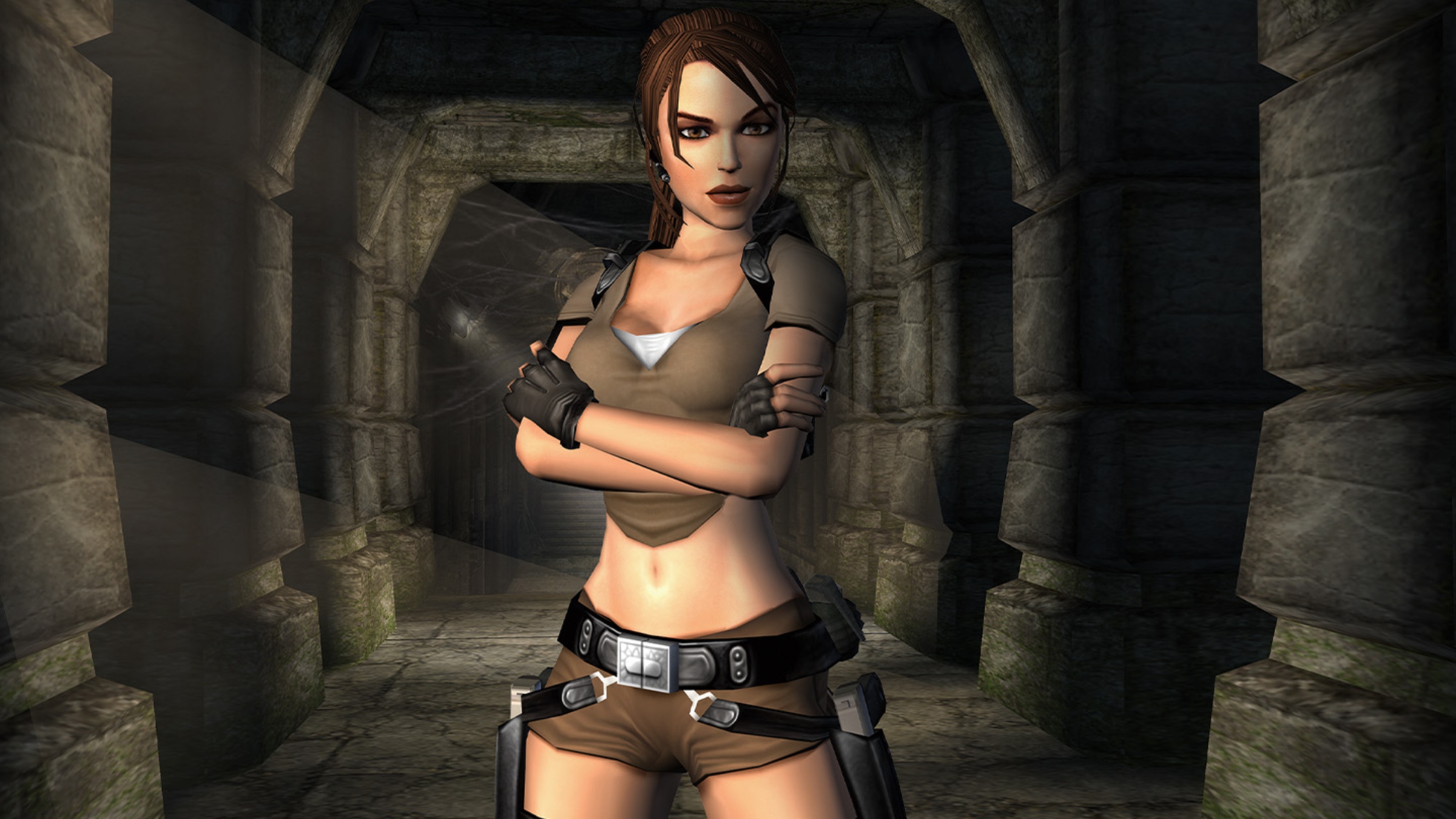
After the poor reviews of Tomb Raider: The Angel of Darkness, Tomb Raider: Legend was a crucial game for the series. Fortunately, Crystal Dynamics managed to breathe new life into the franchise. Tomb Raider: Legend featured a richer game world and improved controls. It went on to sell 6.4 million copies globally over the next fifteen years, demonstrating that players were still eager for adventures with Lara Croft.
This decision ultimately proved successful for the Tomb Raider series, breathing new life into the franchise. Legend directly led to sequels like Tomb Raider: Underworld and even a remake of the very first game. Importantly, it showed that Tomb Raider could be reimagined while still honoring its roots. This was key, as it paved the way for the complete overhaul of the character in the 2013 reboot and the upcoming Legacy of Atlantis remake. It brought Lara Croft back into public view, saving her from potentially becoming a forgotten part of gaming history.
Despite the original Tomb Raider series losing steam, Tomb Raider: Legend showed there was still strong interest in Lara Croft. It was a crucial game for the franchise, especially because the previous installment, The Angel of Darkness, had been a commercial failure. Legend essentially saved the series and paved the way for all the subsequent reboots, movies, TV shows, and creative new games featuring Lara Croft. If you enjoy any of the newer Lara Croft content, Tomb Raider: Legend is the game that made it all possible.
Read More
- The Super Mario Galaxy Movie: 50 Easter Eggs, References & Major Cameos Explained
- 10 Best Free Games on Steam in 2026, Ranked
- Surprise Isekai Anime Confirms Season 2 With New Crunchyroll Streaming Release
- Why is Tech Jacket gender-swapped in Invincible season 4 and who voices her?
- ‘Project Hail Mary’: The Biggest Differences From the Book, Explained
- Skate 4 – Manny Go Round Goals Guide | All of the Above Sequence
- Preview: Sword Art Online Returns to PS5 as a Darker Open World Action RPG This Summer
- Sydney Sweeney’s The Housemaid 2 Sets Streaming Release Date
- Overwatch 2 G.I. Joe Crossover Launches July 1: Join the Battle Between Heroes and Villains
- 10 Best Supporting Actress Oscar Wins That Are Indisputable
2026-04-11 19:11