
As someone who loves animation, I find the 1980s endlessly fascinating. It was such a wild time! Things were really changing, with different studios battling it out and brand new ways of making cartoons emerging. No one really knew what animated movies should be, and that creative energy was amazing. Seeing Don Bluth leave Disney in 1979 was a huge moment – it finally gave Disney some real competition! His films, like An American Tail in 1986 – which actually earned more than any Disney film before it! – and The Land Before Time in 1988, were massive hits. It was incredible to watch! Disney, of course, responded with The Little Mermaid in 1989, which truly kicked off a new golden age and basically shaped animated movies for the entire next decade. It was a truly remarkable period for the art form.
Many people still remember how surprisingly dark some classic 80s animated movies like All Dogs Go to Heaven and The Brave Little Toaster were. However, the decade actually produced a lot more animated films that have been largely forgotten. Some were made with very little money, while others were poorly handled by the companies releasing them. Because of this, many truly excellent stories haven’t found the audience they deserve.
5) Fire and Ice
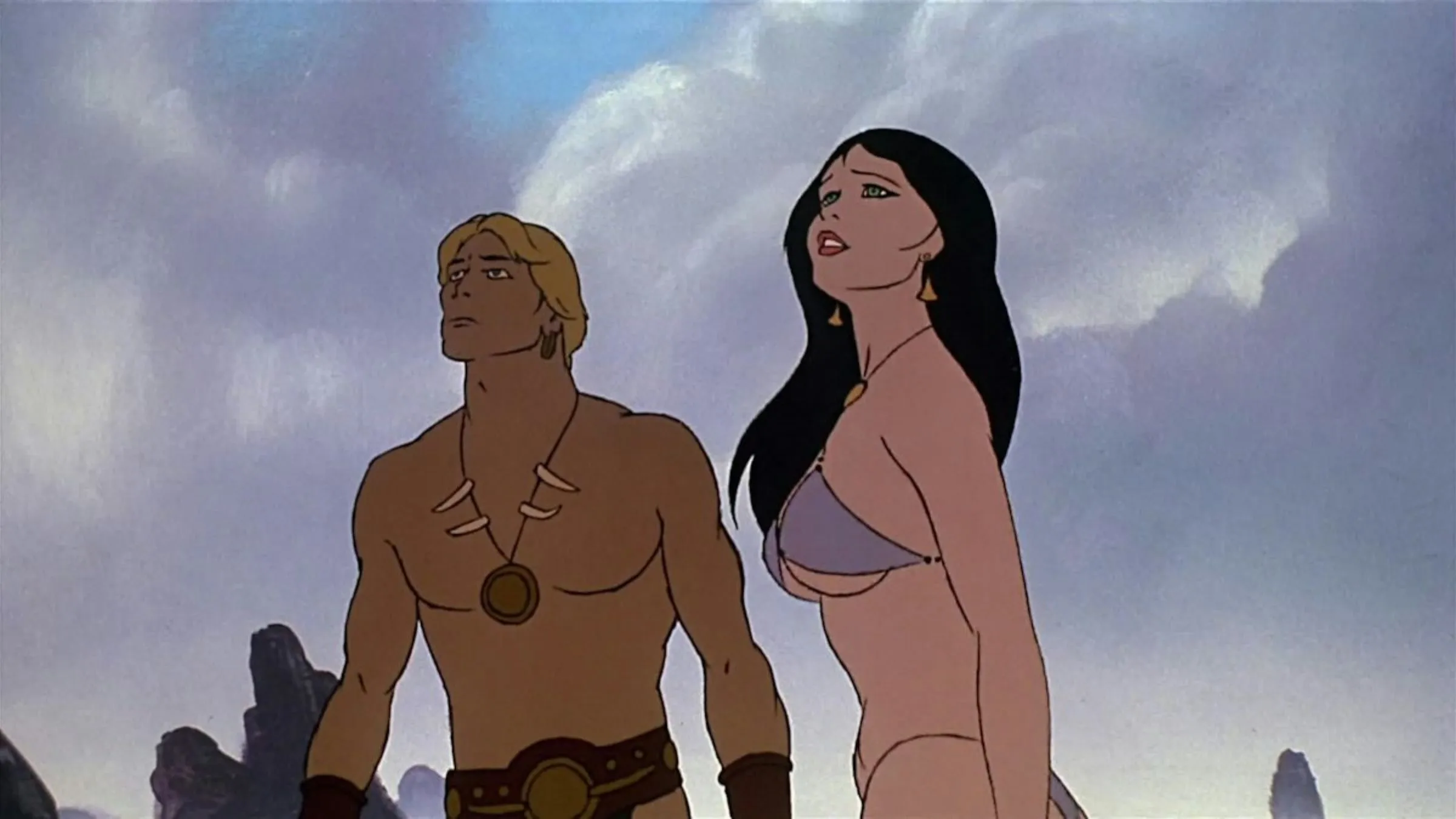
Ralph Bakshi’s film, Fire and Ice, was a unique collaboration with fantasy artist Frank Frazetta, known for his powerful paintings of barbarians and dramatic landscapes which had shaped the look of fantasy art for twenty years. Bakshi used a technique called rotoscoping – tracing over live-action film – to give the animated characters the same realistic weight and movement as Frazetta’s figures, pushing the boundaries of animation further than any film before it.
The screenplay for Fire and Ice was written by Gerry Conway and Roy Thomas, both experienced comic book writers known for their work on Conan. They created a simple story framework that director Ralph Bakshi and artist Frank Frazetta filled with visually stunning scenes, prioritizing spectacle over a complicated plot. Though the film, made on a $1.2 million budget and distributed by 20th Century Fox, didn’t succeed in theaters, it gained a dedicated fanbase, leading to a remastered Blu-ray release in 2008. Despite this, Fire and Ice remains a hidden treasure from the 1980s.
4) Rock & Rule
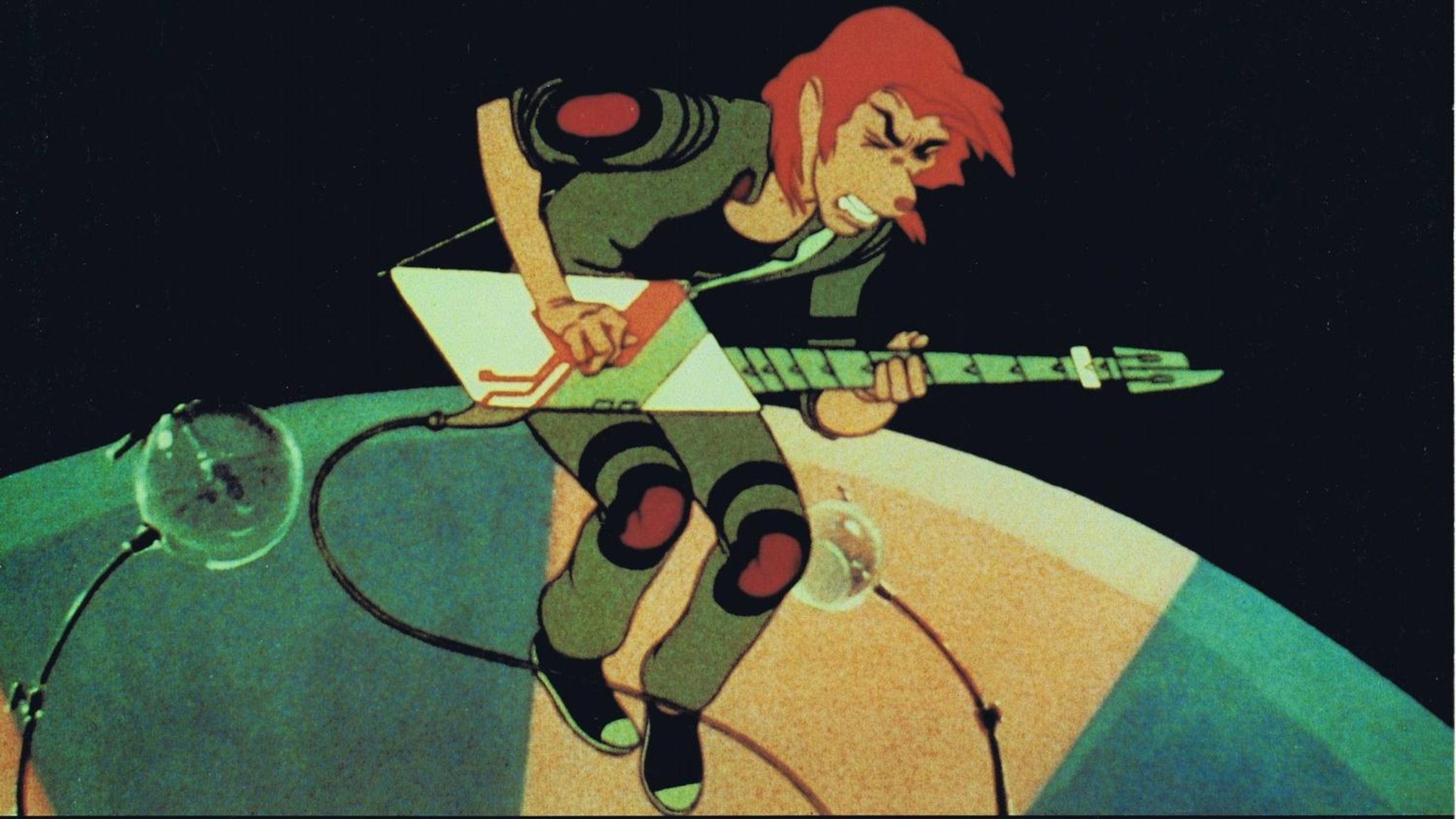
Nelvana’s Rock & Rule featured original songs by popular artists like Cheap Trick, Lou Reed, Iggy Pop, Debbie Harry, and Earth, Wind & Fire. This animated, post-apocalyptic rock musical was released in theaters by MGM/UA, but the release was so limited that the film only earned $30,379 despite costing $8 million to make.
Canada’s first professionally produced English-language animated feature, Rock & Rule, was a massive undertaking. It involved over 300 animators working in about ten different styles and almost bankrupted Nelvana before the financial success of The Care Bears Movie in 1985. The film’s release was further hampered by MGM/UA, who replaced the voice of the main character, Omar, with Paul Le Mat and removed adult themes that were key to the movie’s story. Sadly, the original film print was lost in a fire, so all copies today are taken from a VHS version.
3) The Last Unicorn

I’ve always been captivated by the unique beauty of The Last Unicorn, and it’s fascinating to me that it came about through a collaboration between Rankin/Bass and the Japanese studio Topcraft back in 1982. The resulting animation felt truly groundbreaking for American audiences at the time. The story itself is so compelling – a unicorn, voiced by the wonderful Mia Farrow, realizes she might be the last of her kind and bravely transforms into a human to keep searching. What I especially appreciate is that the film doesn’t shy away from the sadness and seriousness of that premise; instead, it fully embraces the story’s melancholic heart, brought to life by the incredible voices of Jeff Bridges, Christopher Lee, Angela Lansbury, and Tammy Grimes.
Many of the key animators from Topcraft went on to found Studio Ghibli, and you can clearly see the connection in their animation styles. Ghibli built on Topcraft’s work to create incredibly fluid, natural movement, which is a key difference between The Last Unicorn and most Western animated films of the 1980s that tended to use more rigid, geometric shapes.
2) The Great Mouse Detective
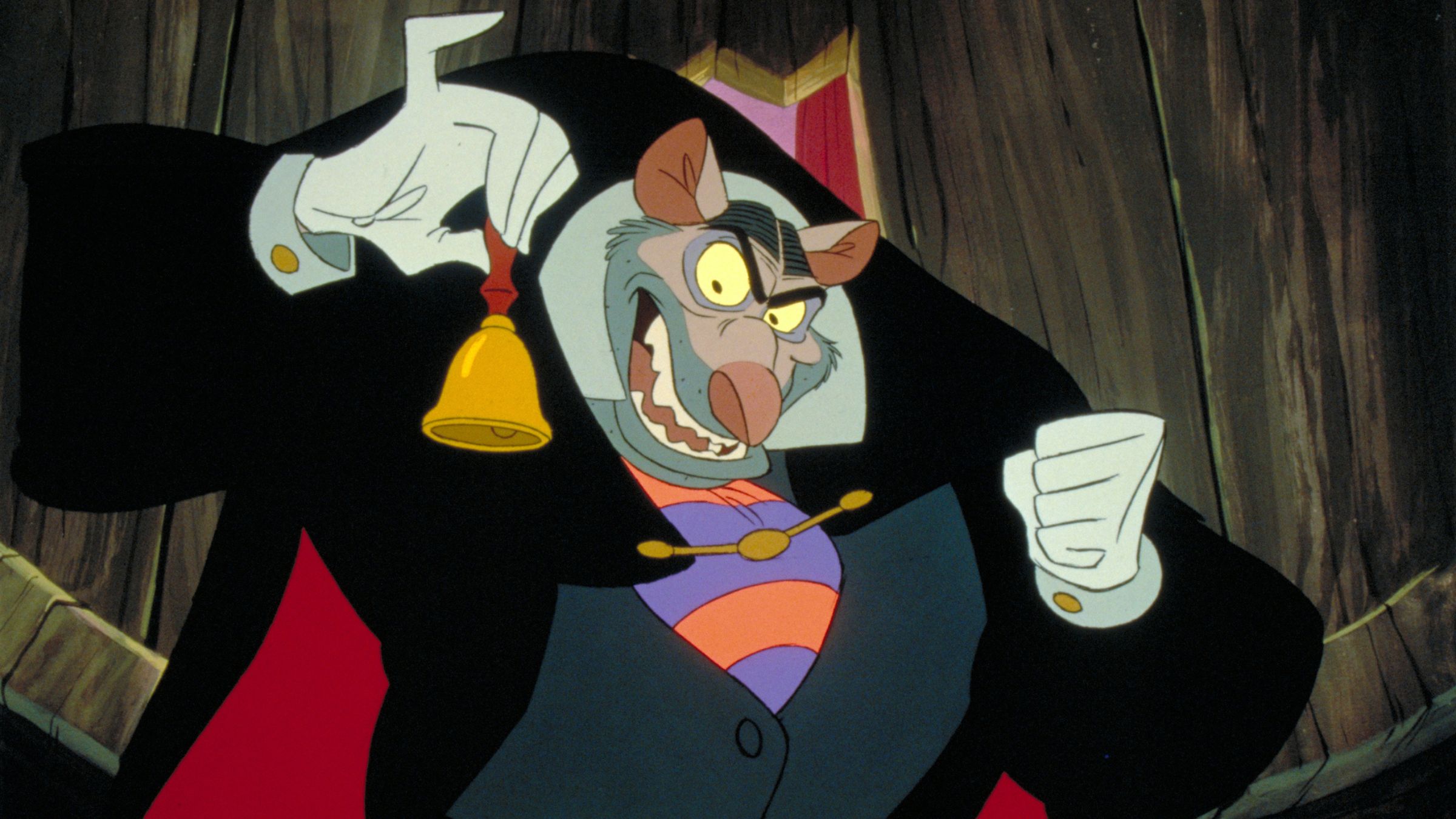
After The Black Cauldron flopped in 1985, Disney’s animation studio faced possible closure. The Great Mouse Detective was created to prove the studio was still worth keeping. Directed by Ron Clements and John Musker – who later directed The Little Mermaid and Aladdin – the film was based on Eve Titus’s Basil of Baker Street books. It’s a Sherlock Holmes-style mystery featuring Basil (voiced by Barrie Ingham), a mouse detective, who spends the second half of the movie chasing the villainous Ratigan (voiced by Vincent Price). Vincent Price took the role very seriously, portraying Ratigan as a dangerous character driven by both his intelligence and a fragile ego, making it arguably his most compelling performance in an animated film.
Despite costing only $14 million to make, the film grossed $38 million in the US, proving its success. This encouraged Disney to continue funding its animation studio for the rest of the 1980s, paving the way for the famous Disney Renaissance. However, The Great Mouse Detective often gets less attention than other, more popular Disney movies.
1) The Secret of NIMH
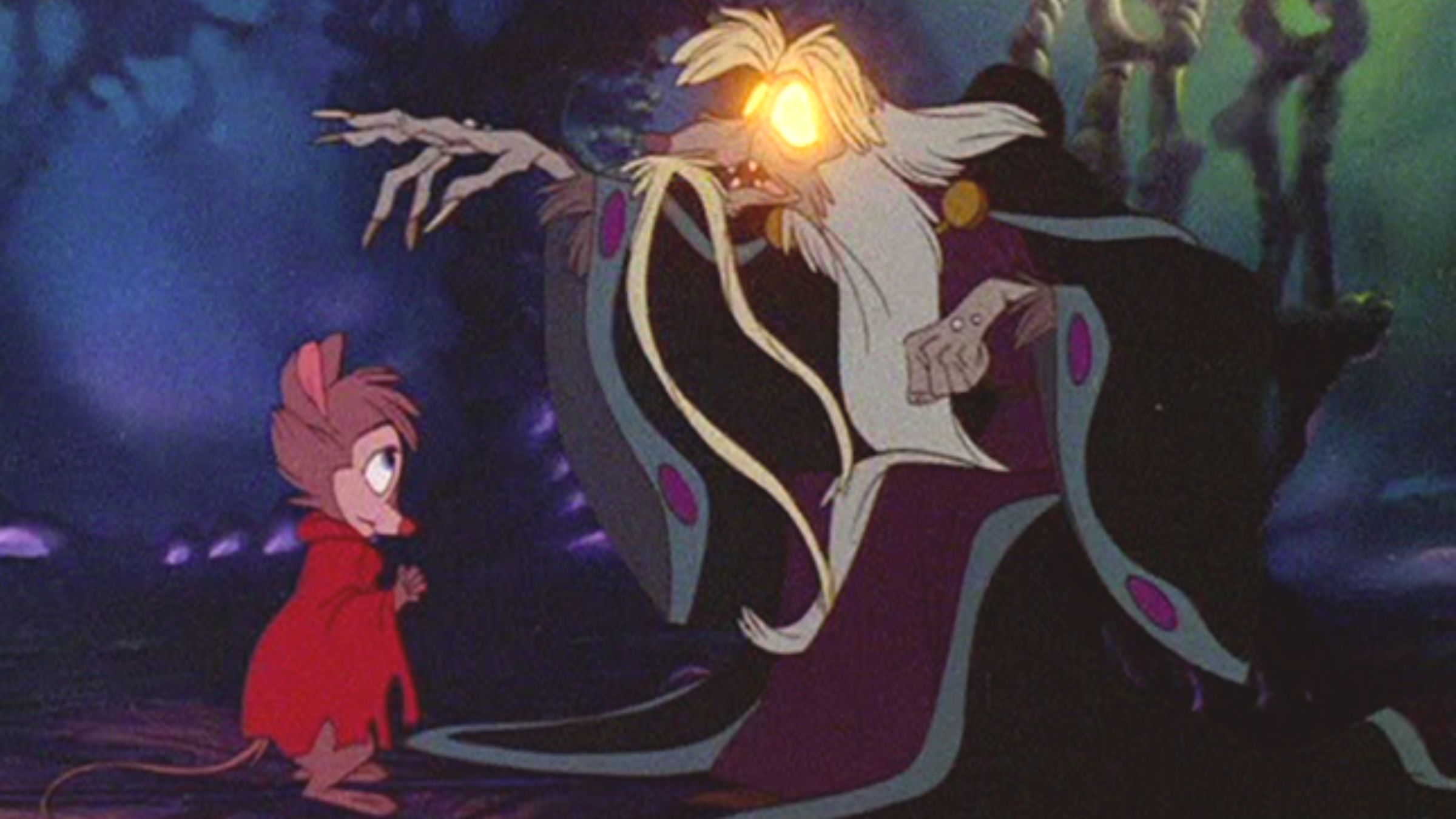
Before leaving Disney in 1979, Don Bluth suggested making a movie based on Robert C. O’Brien’s 1971 book, Mrs. Frisby and the Rats of NIMH, but Disney thought the story was too gloomy. After leaving the studio, Bluth independently produced The Secret of NIMH for $7 million, showcasing the creative potential of his team when free from Disney’s commercial limitations.
I absolutely love The Secret of NIMH! It’s about this brave little widowed mouse, Mrs. Brisby, who has to move her family before the farmer plows right through their home. What really blew me away, even back then, was how beautiful it looked. The animators, led by Bluth, were so clever with lighting and layering – it created this incredible depth and texture, especially in scenes with the Great Owl and the final showdown in the rose bush. It’s a shame MGM/UA didn’t really promote it well, because even though it only made $14 million in the US, that wasn’t because of the film itself – it was a marketing failure, plain and simple. It’s a truly special movie!
What’s an animated movie from the 1980s that you feel doesn’t get enough attention? Share your pick in the comments and discuss it with others in the ComicBook Forum!
Read More
- The Super Mario Galaxy Movie: 50 Easter Eggs, References & Major Cameos Explained
- 10 Best Free Games on Steam in 2026, Ranked
- Surprise Isekai Anime Confirms Season 2 With New Crunchyroll Streaming Release
- ‘Project Hail Mary’: The Biggest Differences From the Book, Explained
- Sydney Sweeney’s The Housemaid 2 Sets Streaming Release Date
- Why is Tech Jacket gender-swapped in Invincible season 4 and who voices her?
- Skate 4 – Manny Go Round Goals Guide | All of the Above Sequence
- Preview: Sword Art Online Returns to PS5 as a Darker Open World Action RPG This Summer
- The Punisher: One Last Kill Trailer Review: MCU Special Could Be a Game Changer
- The Super Mario Galaxy Movie Is An Amusing Sequel (And an Improvement) [Review]
2026-04-11 22:14