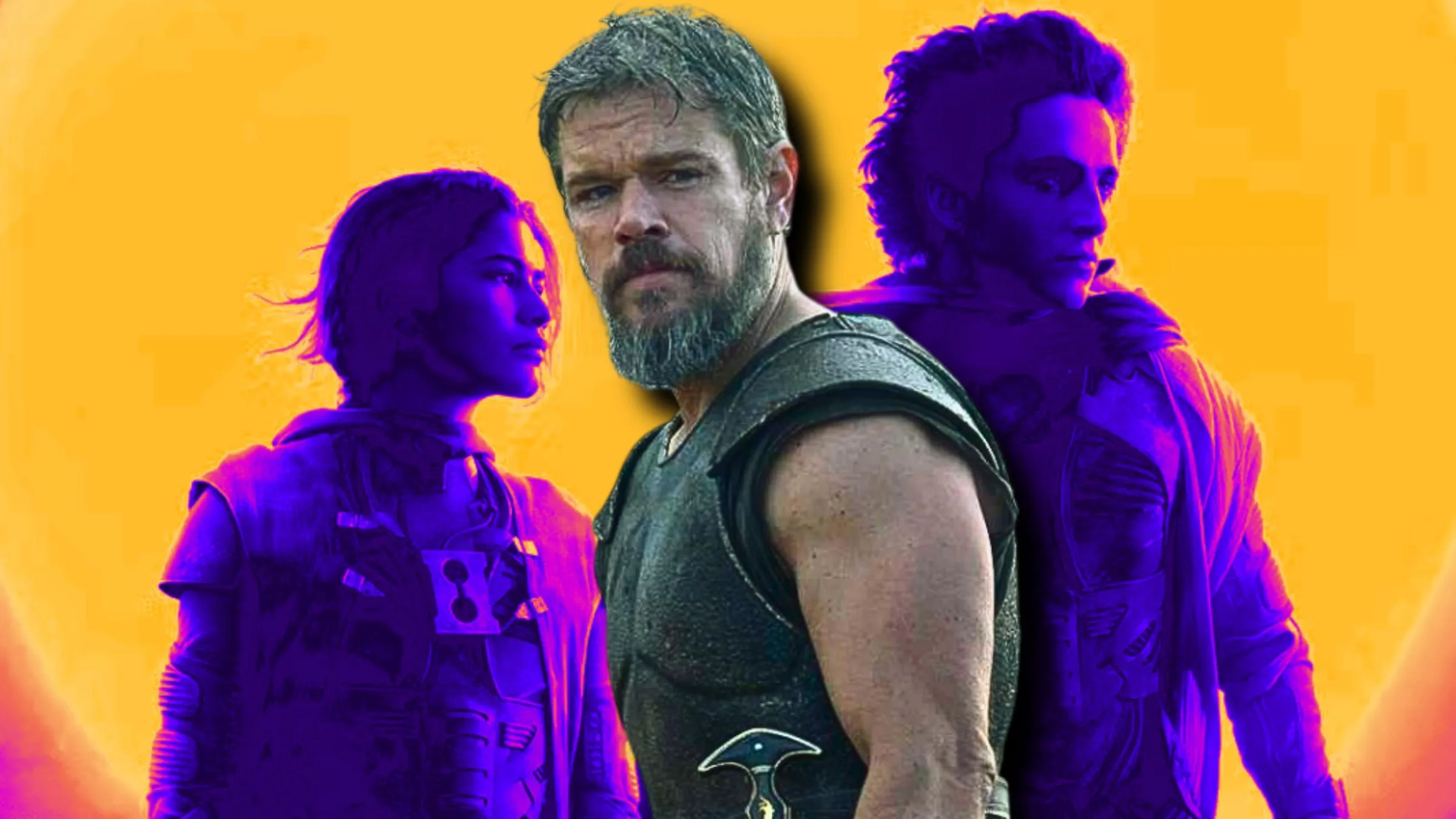
This year looks set to be fantastic for movies, with several promising big surprises. Two particularly anticipated films are Christopher Nolan’s The Odyssey and Denis Villeneuve’s Dune: Part Three. One is a grand historical fantasy set in Ancient Greece, featuring gods, seafaring adventures, and a hero’s journey home. The other is a sci-fi epic with complex themes of politics, religion, and power, centered around a young emperor. They seem completely different, don’t they? However, a surprising connection exists, rooted in the core of Frank Herbert’s Dune story.
Herbert’s Dune isn’t a typical futuristic story because he didn’t envision a clean, modern world detached from history. Instead, he created a universe steeped in the past, full of tradition, ancient families, and religion deeply connected to power. It feels like a space-age medieval world, where a classic tale like The Odyssey doesn’t seem so far removed from the present. But how do all these historical elements fit into this futuristic setting?
How The Odyssey Takes Place Before the Events of Dune
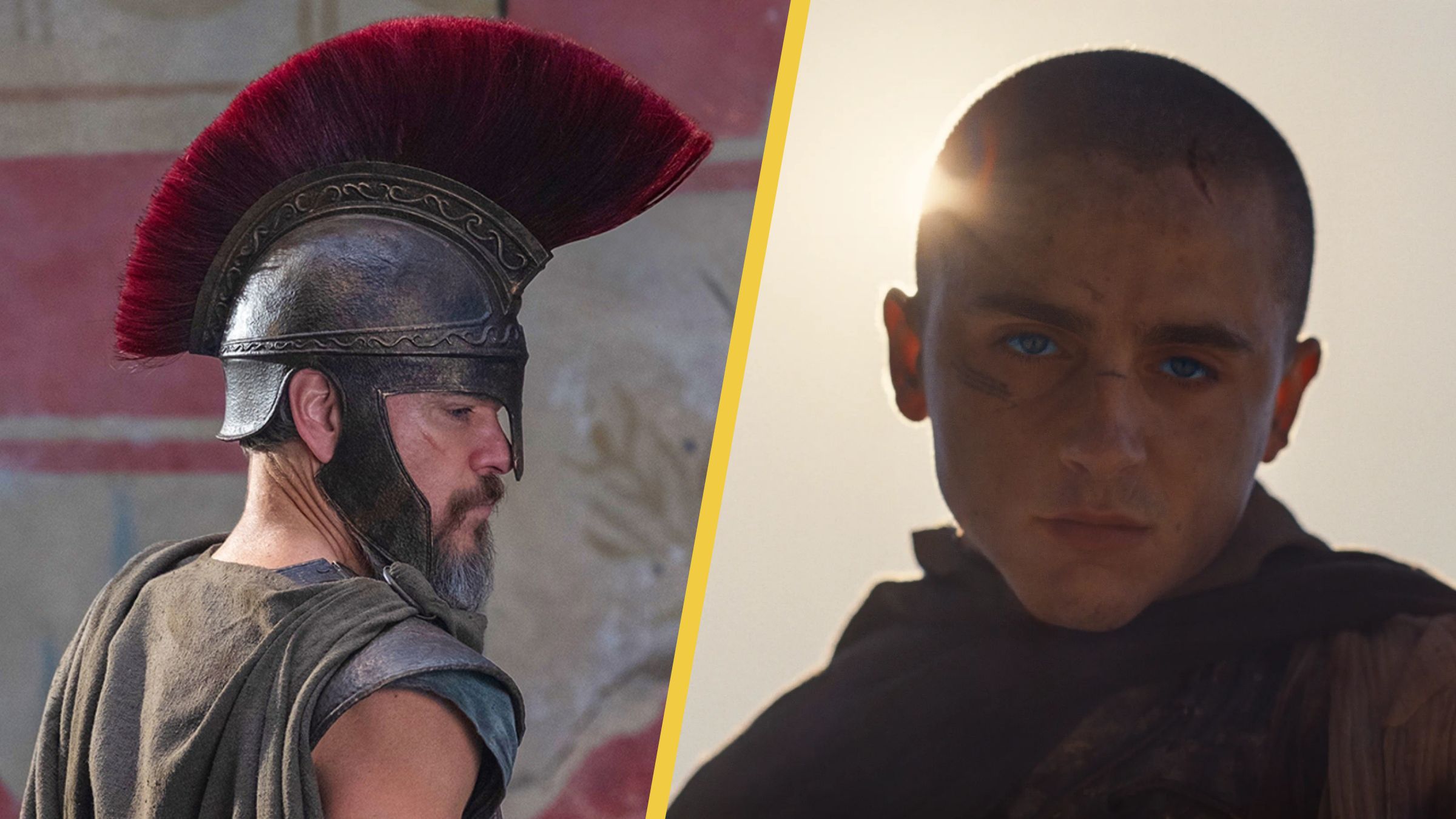
Christopher Nolan’s upcoming film is based on the epic tale of Odysseus, who struggles for years to return home after the Trojan War. He faces incredible dangers – monsters, cunning traps, meddling gods, and the weight of his own legendary status. While Odysseus is away, his wife Penelope is besieged by men hoping to marry her and claim his throne, as many believe he’s never coming back. The story also highlights the victors of the war, like King Agamemnon, showcasing both their power and their tragic fates. This is directly linked to the Dune universe because the Atreides family, central to the Dune books, traces its name back to Atreus, Agamemnon’s father. This isn’t speculation – it’s established as official backstory within the Dune canon.
In the science fiction story, the Atreides family claims a long and important history, and the author, Frank Herbert, deliberately chose a name linked to one of the most tragic families in Greek mythology. The name ‘Atreus’ isn’t accidental; it represents a dangerous legacy of revenge, inherited trauma, and power gained through terrible acts. Knowing the story of the House of Atreus reveals that this family is destined for downfall. This explains a lot about the paths of characters like Paul, Duke Leto, and even Paul’s grandfather – their story is one of inevitable collapse.
The books hint at this connection when characters like Alia, who are descended from the Atreides family, experience memories from their ancestors. These memories include direct references to historical figures, such as Agamemnon, who even addresses a character in Children of Dune demanding to be heard. Later, in God Emperor of Dune, Paul’s son, Leto II, explicitly states that his family line goes all the way back to the original Agamemnon.
What Was the Intention Behind Connecting The Odyssey to Dune?
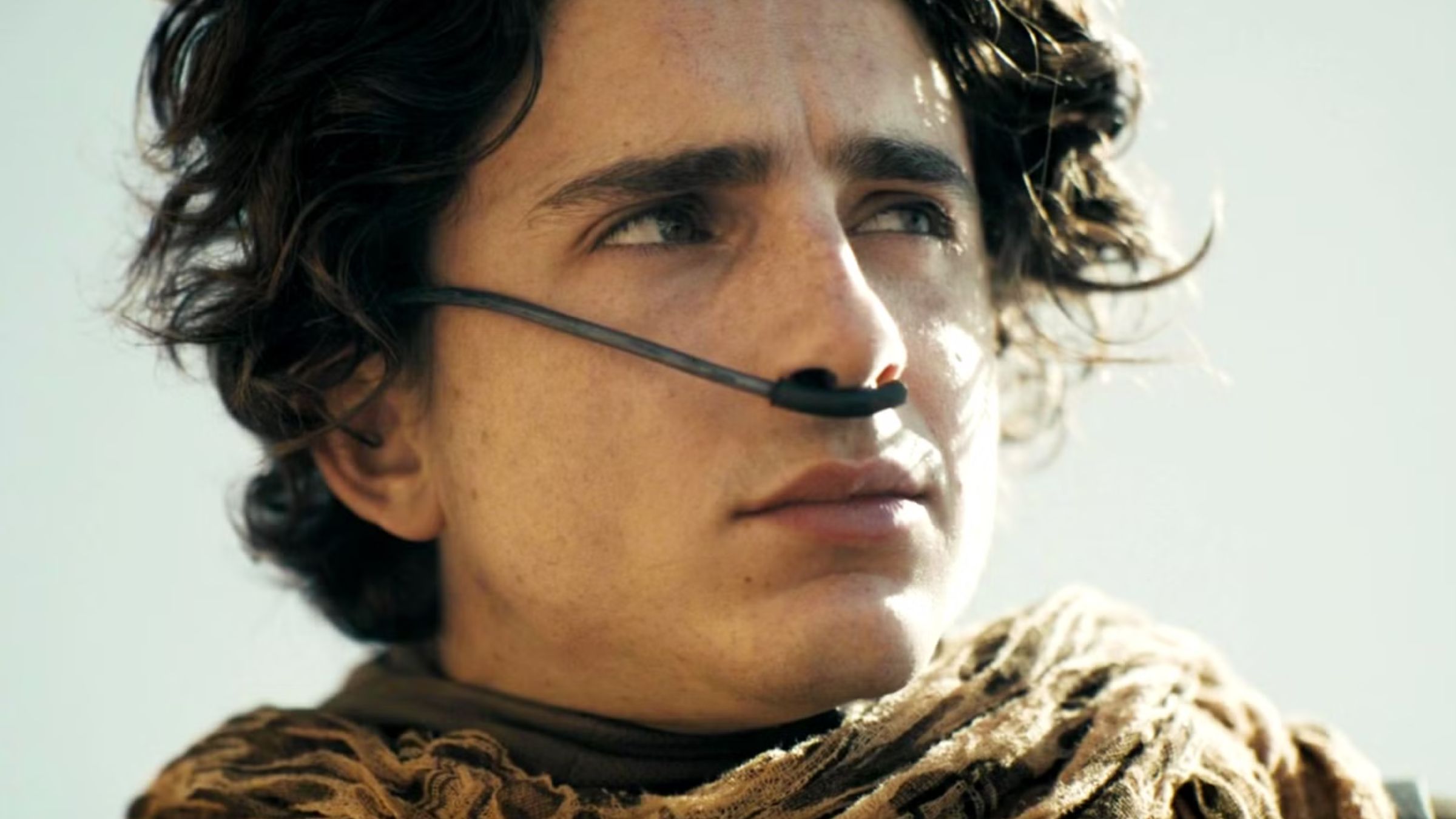
Looking at Paul’s journey and the history of House Atreides reveals a key idea in Dune: the past isn’t just something that happened, but an ongoing force that actively shapes the present. The Atreides family is haunted by a pattern of inner treachery, murder, and political downfall repeating across generations. This is evident in both the books and films, particularly in their conflicts with the Harkonnens and the Empire. Every time House Atreides gains power, they face betrayal, become isolated, or are manipulated for political gain – and this cycle drives much of the story’s initial conflict.
As a critic, I’ve always been fascinated by stories that explore the corrupting influence of power, and Dune absolutely delivers on that front. It’s not just a sci-fi spectacle; it’s a deeply unsettling look at what happens when families become emblems, individuals are elevated to legendary status, and conflict is twisted into something sacred. What really struck me is how Duke Leto arrives on Arrakis believing he can navigate the political landscape with integrity, only to be betrayed by a system already stacked against him. And Paul’s journey isn’t a triumphant rise to power, but a tragic realization that he’s a pawn in a much larger game. We see this mirrored in the character of Agamemnon – a leader who appears powerful, but whose inner world and personal life are crumbling. He wins the war, but loses everything at home, making choices with far-reaching consequences that ultimately come back to haunt him. It’s a brilliant commentary on the illusion of control, isn’t it?
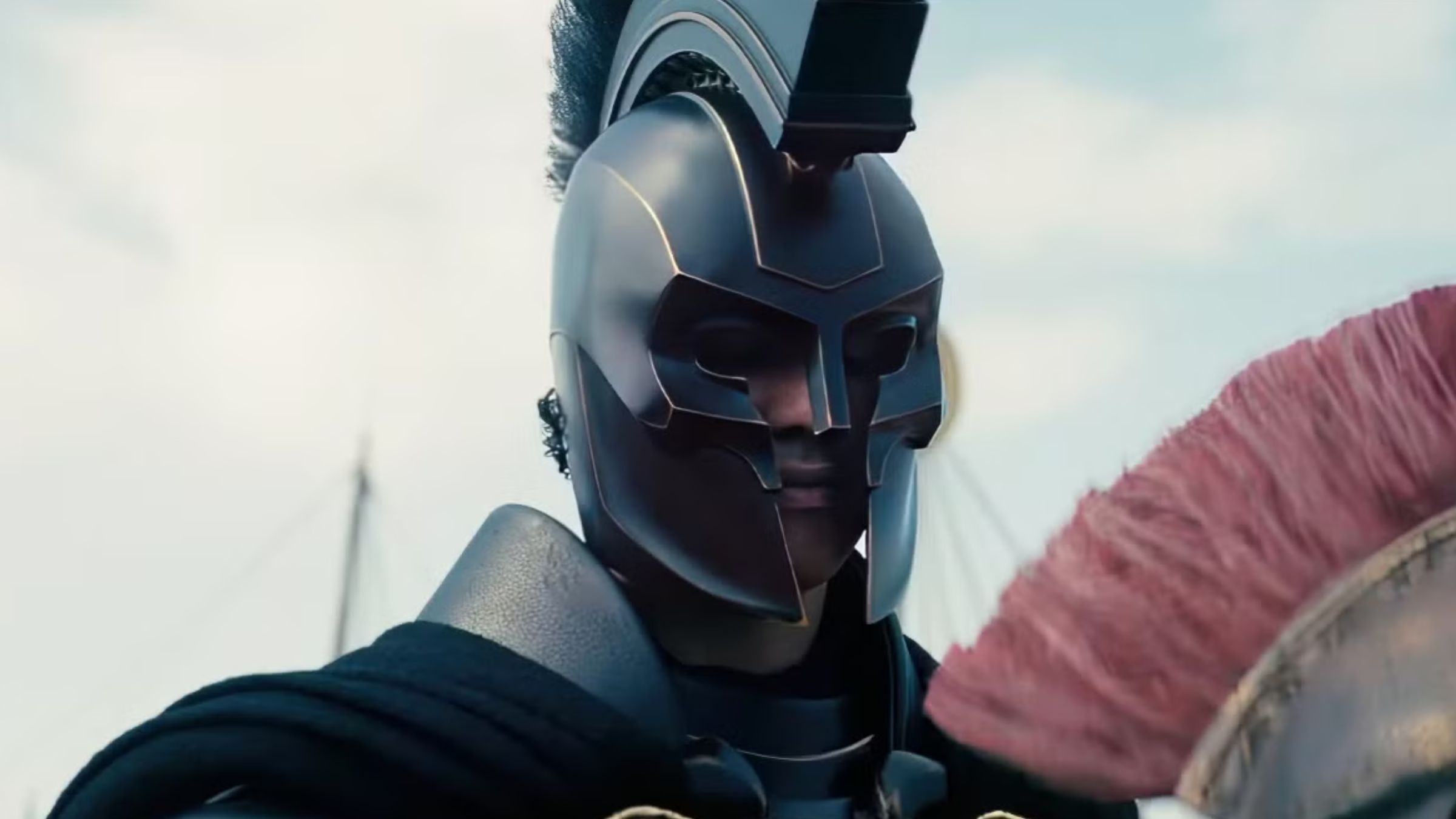
Beyond being great stories, The Odyssey and Dune are connected culturally. Dune feels like the culmination of human storytelling, while The Odyssey represents one of its earliest roots in Western culture. If you were to map out the stories humanity has told over millennia, The Odyssey would be a starting point, and Dune would be near the end. It’s fitting that both films came out in the same year, as Dune essentially takes the core tragic themes of The Odyssey and reimagines them as a futuristic space epic.
Both the House of Atreus and the House Atreides are marked by a tragic and unavoidable fate.
The Odyssey hits theaters on July 17, followed by Dune: Part Three on December 18.
What do you think? Leave a comment below and join the conversation now in the ComicBook Forum!
Read More
- The Super Mario Galaxy Movie: 50 Easter Eggs, References & Major Cameos Explained
- Surprise Isekai Anime Confirms Season 2 With New Crunchyroll Streaming Release
- 10 Best Free Games on Steam in 2026, Ranked
- Sydney Sweeney’s The Housemaid 2 Sets Streaming Release Date
- ‘Project Hail Mary’: The Biggest Differences From the Book, Explained
- Starfield (PS5) Review – A Successful Cross-Console Voyage
- Skate 4 – Manny Go Round Goals Guide | All of the Above Sequence
- All 7 New Supes In The Boys Season 5 & Their Powers Explained
- Preview: Sword Art Online Returns to PS5 as a Darker Open World Action RPG This Summer
- Frieren: Beyond Journey’s End Gets a New Release After Season 2 Finale
2026-04-12 21:42