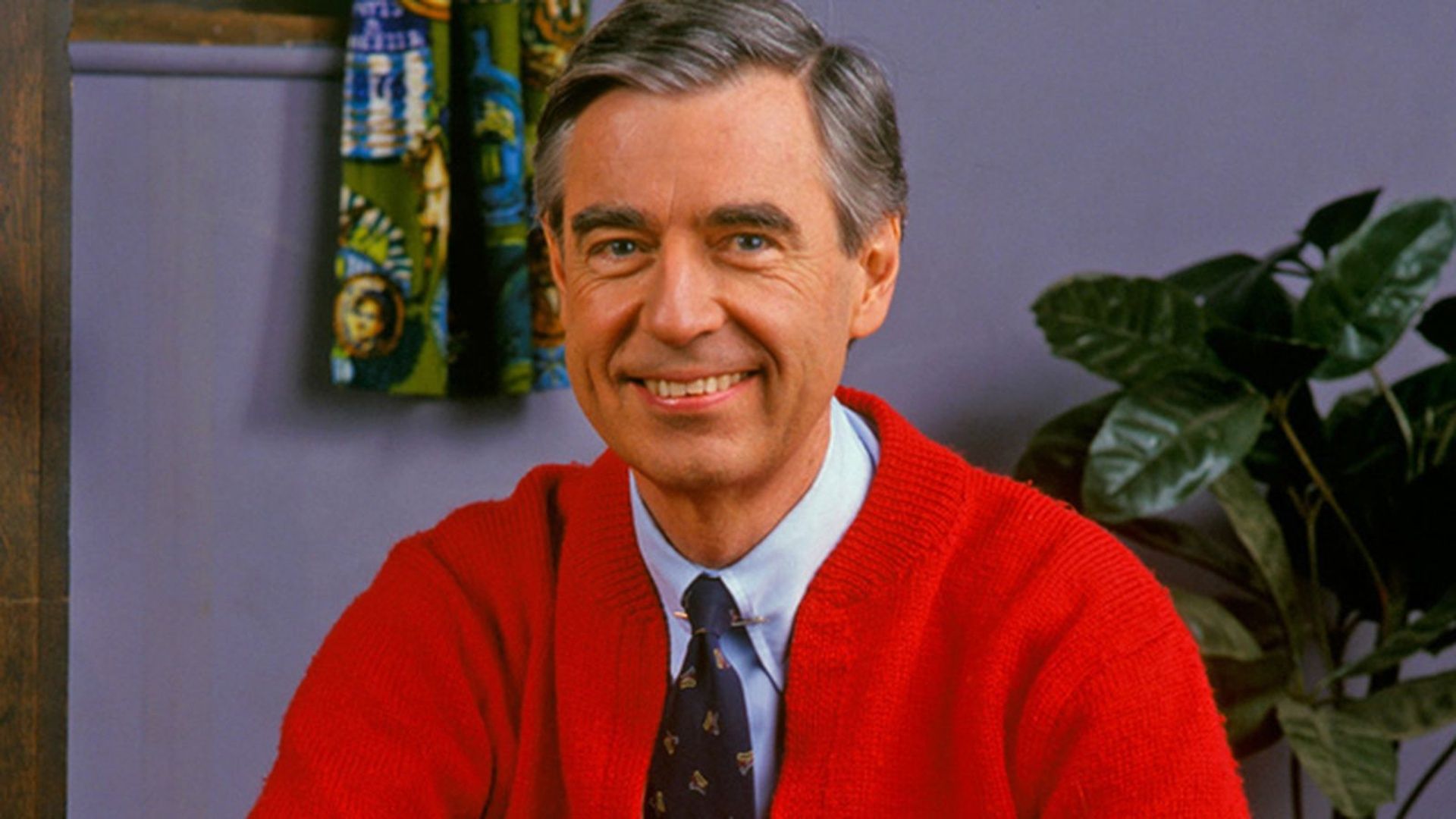
Most people think of television as simple entertainment, and that’s perfectly fine – we all enjoy relaxing with a good show sometimes. However, certain TV series have been truly exceptional, leaving a lasting impact on culture and even changing the world. While shows like Burn Notice or The Big Bang Theory offer lighthearted fun, others aim for more and actually achieve something significant.
Television began tackling important social issues decades ago. In the 1950s, Lucille Ball’s portrayal of pregnancy on I Love Lucy helped make it more accepted and less taboo. During the 1960s, Fred Rogers challenged segregation by sharing a simple moment with a Black man, and shows like Star Trek and The Twilight Zone cleverly used science fiction to explore real-world problems. Then, in the 1970s, All in the Family mirrored the nation’s political divisions through the often-clashing viewpoints of a conservative father and his liberal son-in-law.
Television is a ubiquitous part of modern life, and it has a unique ability to connect people. While it can be used to elevate questionable figures – like how the Kardashians gained widespread influence – it also has the power to do a lot of good. For example, Sesame Street has successfully used TV to teach and motivate countless children. And shows like The Simpsons have challenged traditional ideas about family by portraying a realistically flawed, yet relatable, clan.
Game Of Thrones
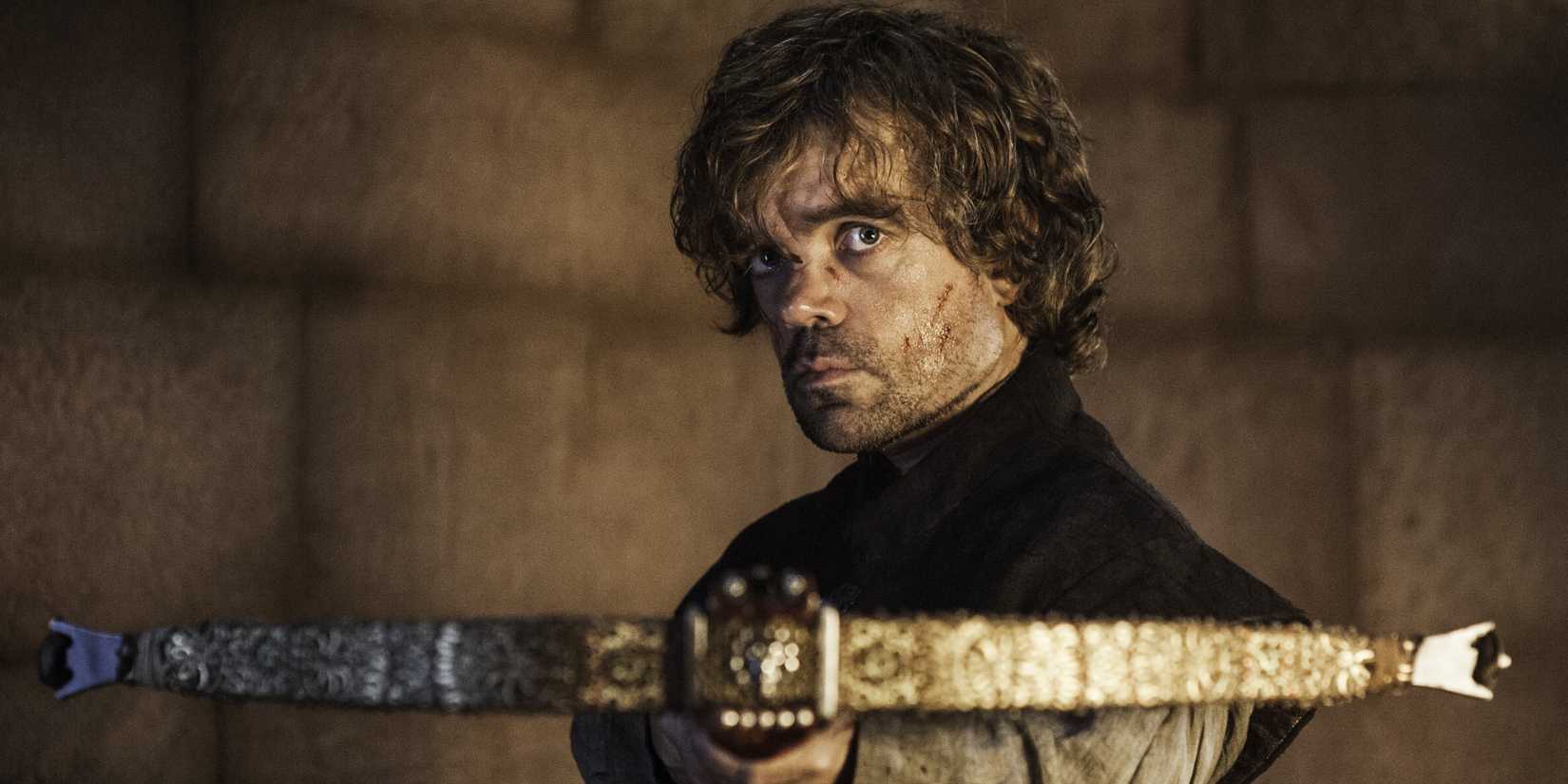
David Benioff and D.B. Weiss successfully brought George R.R. Martin’s complex A Song of Ice and Fire novels to life, creating a worldwide phenomenon. Before Game of Thrones became the most popular show on television, medieval fantasy was a relatively small and overlooked genre. What made Game of Thrones so brilliant was its departure from typical fantasy clichés, focusing instead on realistic and emotionally engaging stories set in a medieval world. The show’s massive success prompted every major television network and streaming service to search for similar large-scale fantasy adaptations, hoping to find the next Game of Thrones.
The Simpsons
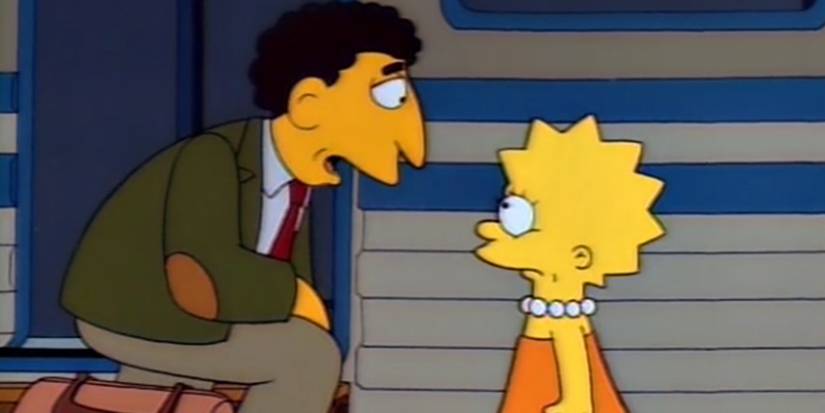
When The Simpsons debuted in 1989, it was a game-changer. Unlike shows like The Waltons which presented an idealized family, The Simpsons showed a realistically flawed family – a move that even upset President Bush at the time. Even more notably, it was the first primetime animated series aimed at adults, but that kids also loved. This sparked controversy with some parents, but it also launched a whole new wave of adult animated comedies like South Park, King of the Hill, Family Guy, and many others.
All In The Family
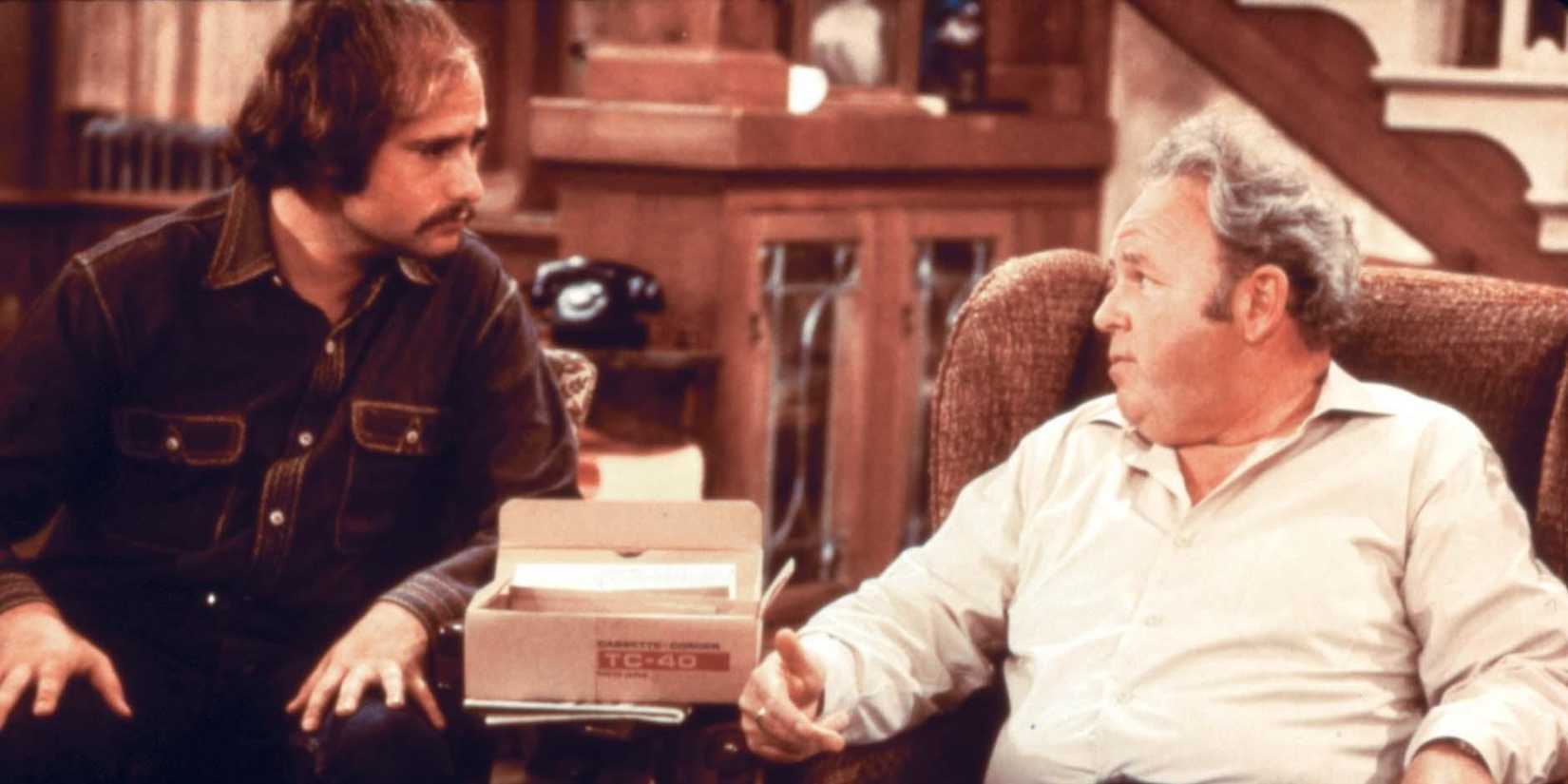
During the 1970s, All in the Family was a hugely popular television show. Its creator, Norman Lear, cleverly used the traditional sitcom format to introduce important political issues into American homes. The show famously pitted Archie Bunker, a stubborn and prejudiced conservative, against his liberal son-in-law, Mike Stivic, mirroring the larger political clashes happening across the country. All in the Family boldly tackled controversial topics like racism, abortion, and the Vietnam War – issues most other TV shows avoided at the time.
The Prisoner
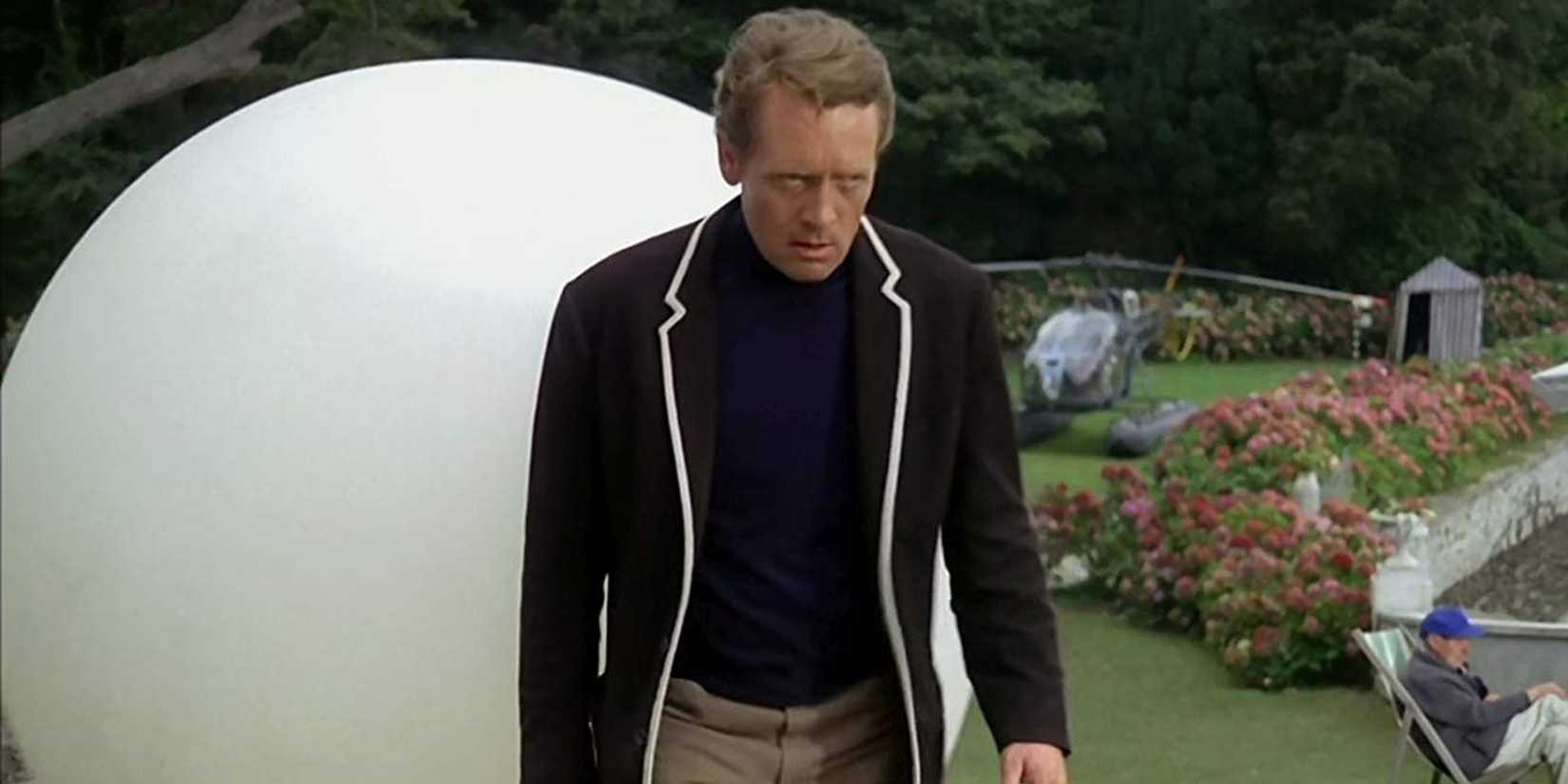
Despite not being widely known today, The Prisoner is a remarkably influential television show. Originally promoted as a typical spy thriller, it became a strange and surreal journey, using puzzling mysteries to comment on issues in society. In many ways, The Prisoner pioneered the style of shows that rely on unanswered questions to draw viewers in – the ‘mystery-box’ format. Shows like Twin Peaks, Lost, and The X-Files likely wouldn’t exist without it. It demonstrated that a high-quality drama could also be uniquely bizarre and unconventional.
Mister Rogers’ Neighborhood
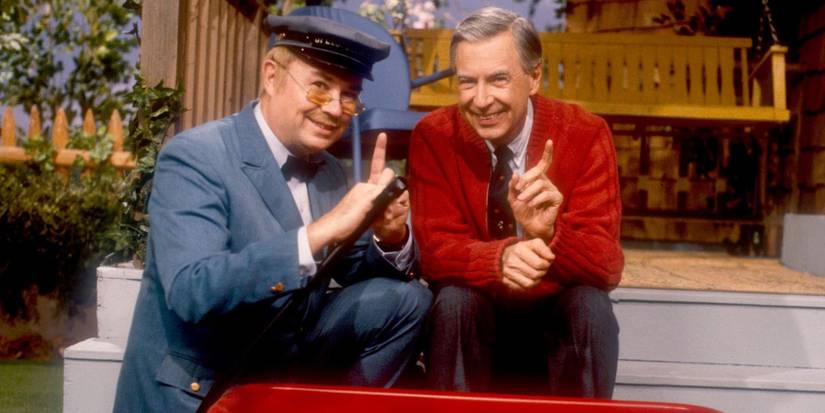
We could all learn a lot from Fred Rogers. For over thirty years and nearly a thousand episodes of Mister Rogers’ Neighborhood, he inspired millions of children to be hopeful, confident, and compassionate. He consistently spoke out against unfairness and always stood up for what was right. A powerful example of this was in 1969, when, at a time when segregation was still prevalent, he shared a foot bath with François Clemmons, a Black actor playing a police officer on his show. These seemingly small acts of kindness and acceptance were hallmarks of the program.
Star Trek
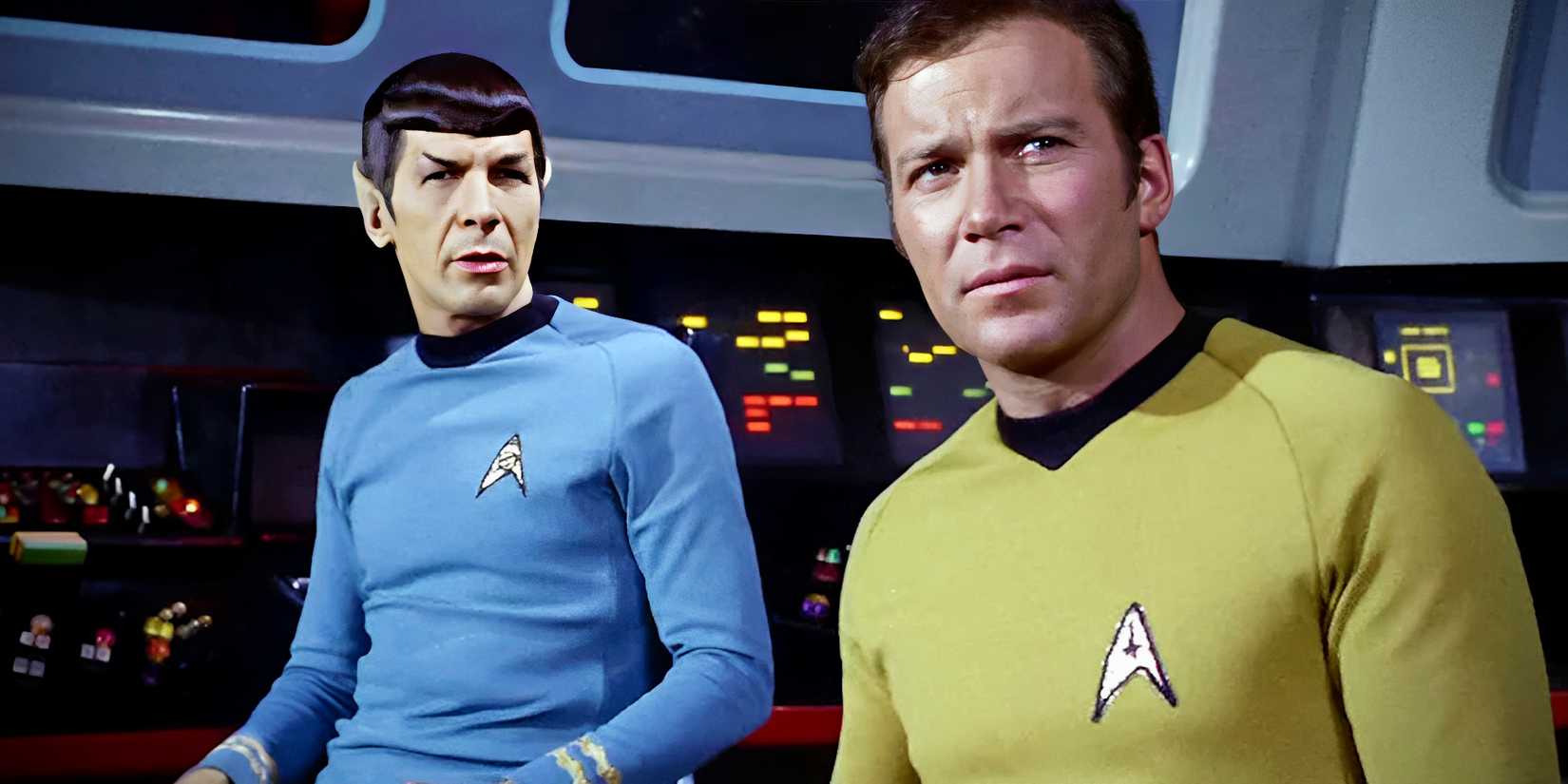
During a turbulent period in the 1960s, Gene Roddenberry envisioned a hopeful future where countries around the world collaborated on scientific discovery and space exploration. Star Trek challenged the divisions within America by featuring a diverse crew on the Enterprise, including a Black communications officer, a Japanese helmsman, and a Russian navigator. Roddenberry cleverly used his science fiction setting to address important social issues of the time, using alien stories and creatures as metaphors for real-world problems.
I Love Lucy
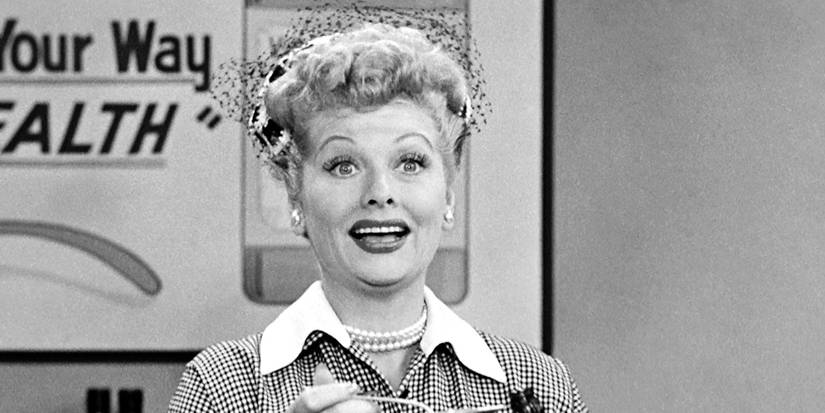
During an era when female characters on sitcoms were often just the sensible ones, I Love Lucy showed that women could be just as funny as men. Most shows at the time featured a silly husband and a wife who reacted to his antics with annoyance. But I Love Lucy reversed that formula: Lucille Ball was the hilarious, over-the-top character, while her husband, Desi Arnaz, played the more grounded, patient role. The show was also groundbreaking for openly addressing topics like pregnancy and women working outside the home.
Sesame Street
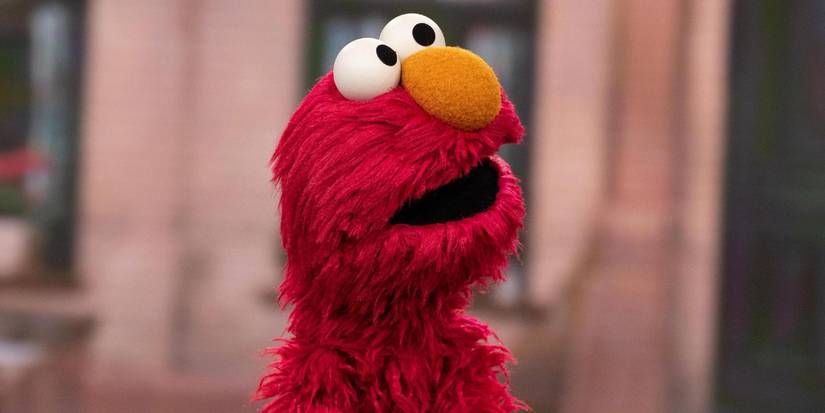
For decades, Sesame Street has brilliantly combined learning and fun, proving that school doesn’t have to be boring. Kids across generations have learned important skills and values from Elmo and his friends. Since the late 1960s, it’s been a beloved part of childhood and a helpful resource for parents. Sesame Street has positively impacted the lives of countless children, and few TV shows have done so much good.
The Twilight Zone
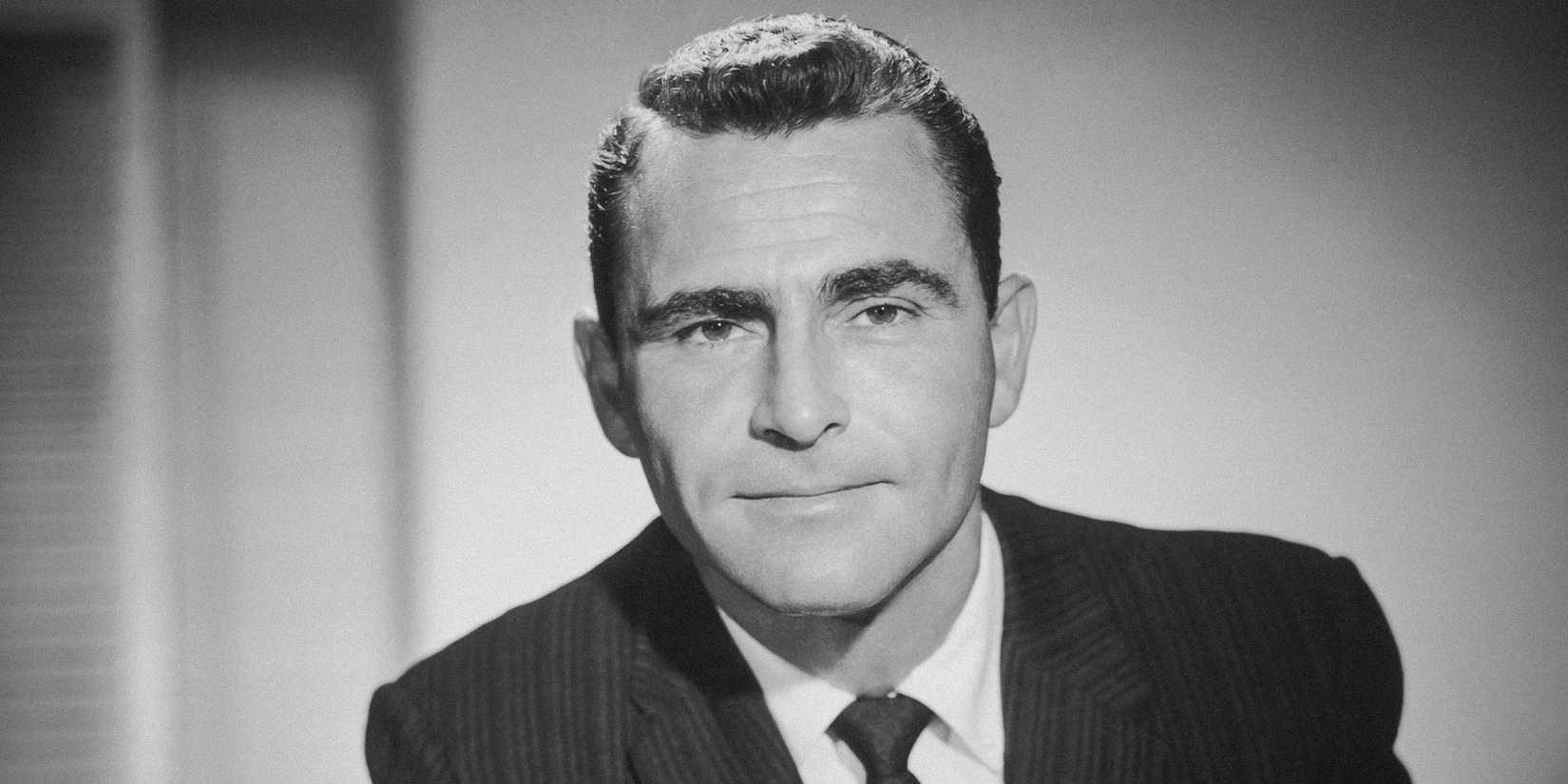
In the 1950s, Rod Serling faced a challenge getting his TV scripts, which tackled difficult social and political issues, approved for broadcast. Advertisers and censors were hesitant to touch potentially controversial topics, like the murder of Emmett Till. Serling cleverly solved this problem by disguising his commentary within the popular genres of science fiction and horror. Instead of directly addressing issues like anti-communist fears, he created stories like a sci-fi tale about a town searching for an alien pretending to be one of them. Through stories like these in The Twilight Zone, Serling used timeless metaphors to explore the anxieties of his time.
The Sopranos
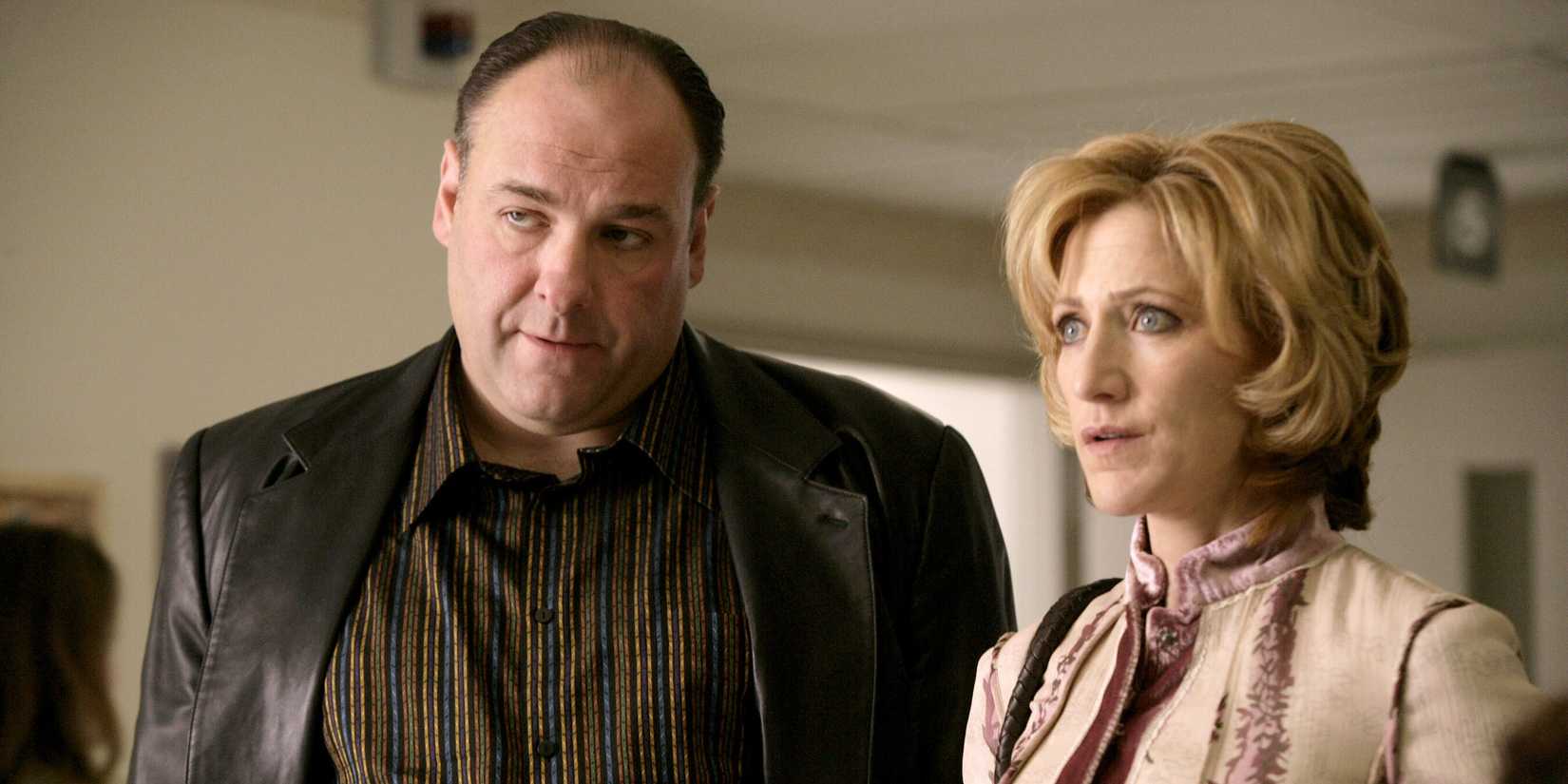
Before The Sopranos, most TV shows relied on characters that viewers liked, believing that was essential to keep people watching. David Chase broke that mold by realizing characters didn’t need to be likable – they just needed to be fascinating. He proved this in the fifth episode of The Sopranos when he had the main character commit a brutal murder. Despite this, viewers continued to tune in. Now, complex and often morally ambiguous characters like Tony Soprano – Walter White, Omar Little, Vic Mackey, and Don Draper, to name a few – are common on television.
Read More
- Surprise Isekai Anime Confirms Season 2 With New Crunchyroll Streaming Release
- The Super Mario Galaxy Movie: 50 Easter Eggs, References & Major Cameos Explained
- Starfield (PS5) Review – A Successful Cross-Console Voyage
- Preview: Sword Art Online Returns to PS5 as a Darker Open World Action RPG This Summer
- 10 Best Free Games on Steam in 2026, Ranked
- All 7 New Supes In The Boys Season 5 & Their Powers Explained
- ‘Project Hail Mary’: The Biggest Differences From the Book, Explained
- Frieren: Beyond Journey’s End Gets a New Release After Season 2 Finale
- Sydney Sweeney’s The Housemaid 2 Sets Streaming Release Date
- Skate 4 – Manny Go Round Goals Guide | All of the Above Sequence
2026-04-13 05:10