Great science fiction needs a fully realized world to feel believable. A unique idea isn’t enough – if the surrounding details are weak, the story won’t succeed. The most memorable sci-fi doesn’t just present events, it makes you feel like a rich history already exists. Films like Blade Runner and The Matrix demonstrated that strong world-building is essential to the genre, creating futures that continue to influence our culture today.
As a huge sci-fi fan, I’ve noticed something really interesting lately. Movies have a limited time – just a couple of hours – to build their worlds, whereas TV shows have so much more space to breathe. When sci-fi shows really take advantage of that time, they create these incredibly detailed universes with their own histories, political systems, technologies, and even philosophies. These worlds don’t just look amazing; they feel genuinely real and like you could spend forever exploring them. Honestly, over the last twenty years, I think sci-fi TV has surpassed movies when it comes to building believable worlds. They definitely use special effects, but it’s the consistent rules, rich histories, and developed cultures that truly bring these universes to life. So, if you’re like me and love getting completely immersed in the details, here are 10 sci-fi series that demonstrate how TV can deliver world-building that’s even better than what you see on the big screen.
‘Altered Carbon’ (2018 – 2020)
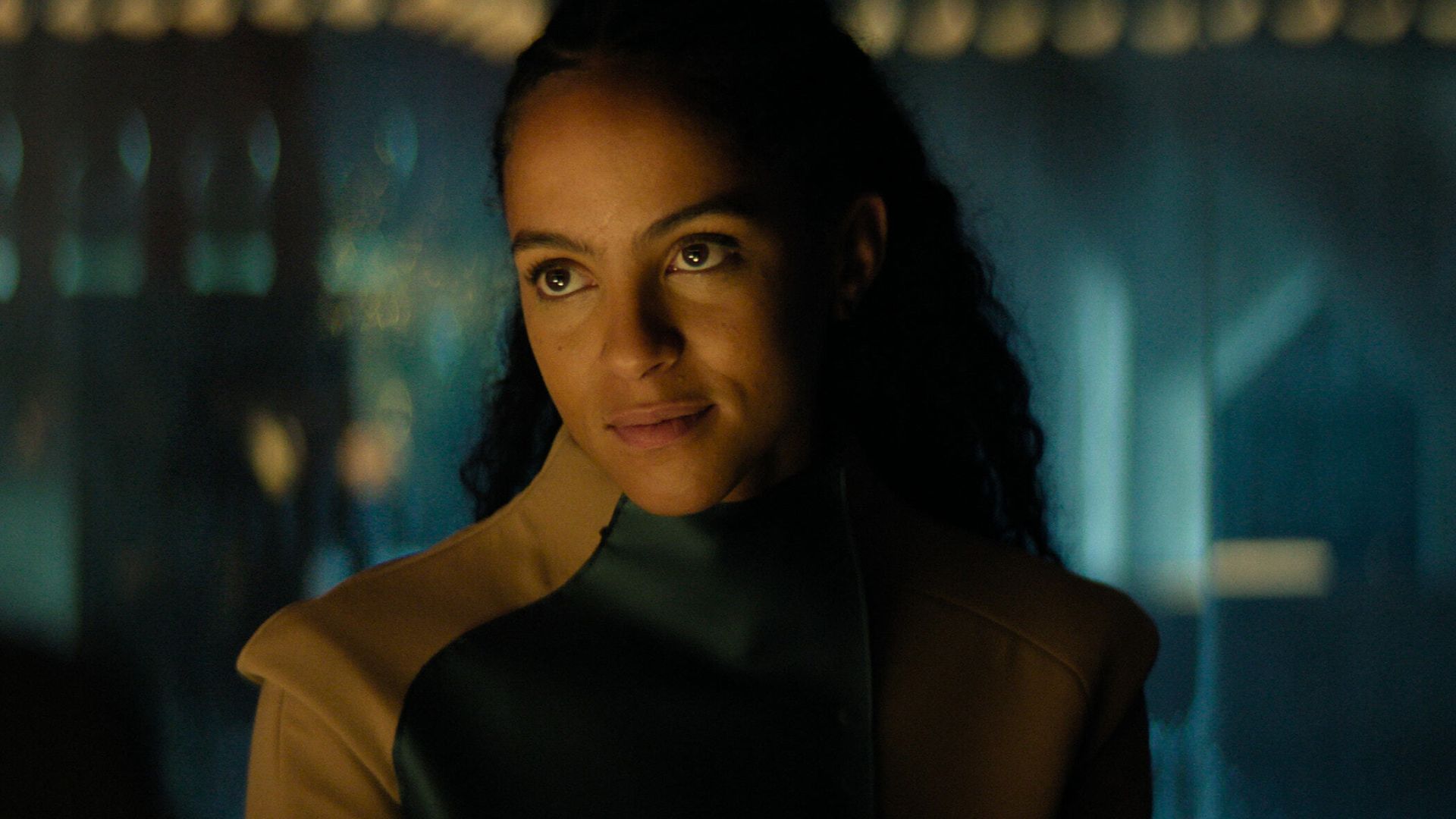
In a future where death isn’t the end – bodies are replaceable, minds can be digitized, and the wealthy can essentially live forever by transferring their consciousness – life has lost some of its meaning. The series Altered Carbon, adapted from Richard K. Morgan’s novel, centers on Takeshi Kovacs (played by Joel Kinnaman in the first season and later Anthony Mackie) as he investigates a complex murder involving some of the world’s most powerful families.
Altered Carbon feels like a classic noir detective story, but set in a futuristic, cyberpunk world. It features the typical elements – rainy city streets, powerful and wealthy people – with the added twist of a society where the rich can achieve immortality. The stark contrast between the lives of the poor and the elite highlights how access to life extension becomes a privilege for the wealthy, and this theme is woven throughout the show’s visuals. Ultimately, this visually stunning and thought-provoking series cleverly explores how technology can make even extreme inequality seem acceptable.
‘Lost in Space’ (2018 – 2021)
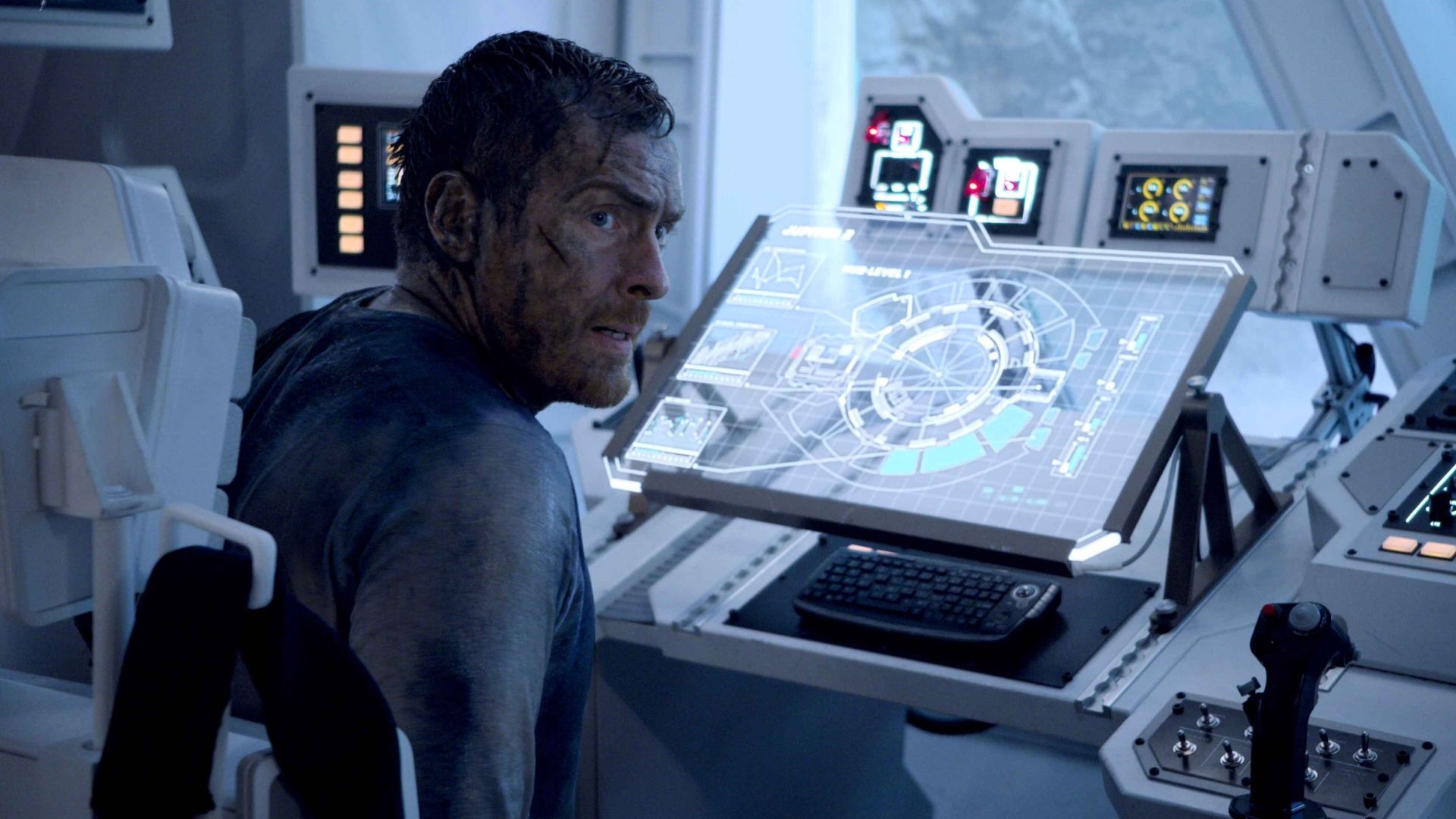
Netflix’s reimagining of Lost in Space updates the original story of a family lost in space with a fresh, modern look. Starring Toby Stephens and Molly Parker, the Robinsons face the challenges of surviving on an alien planet while also dealing with family issues. The show successfully combines exciting adventures with touching family moments, making it a significant improvement over the 1960s version and creating a world that feels both beautiful and dangerous.
The young actors Maxwell Jenkins, Taylor Russell, and Mina Sundwall bring depth to the show, but the real star is the richly detailed universe. Every planet the Robinson family visits feels unique and memorable thanks to stunning visuals. This season, the story expands into deep space, showing that everything we’ve seen so far was just the beginning of a much bigger struggle.
‘Stranger Things’ (2016 – 2025)
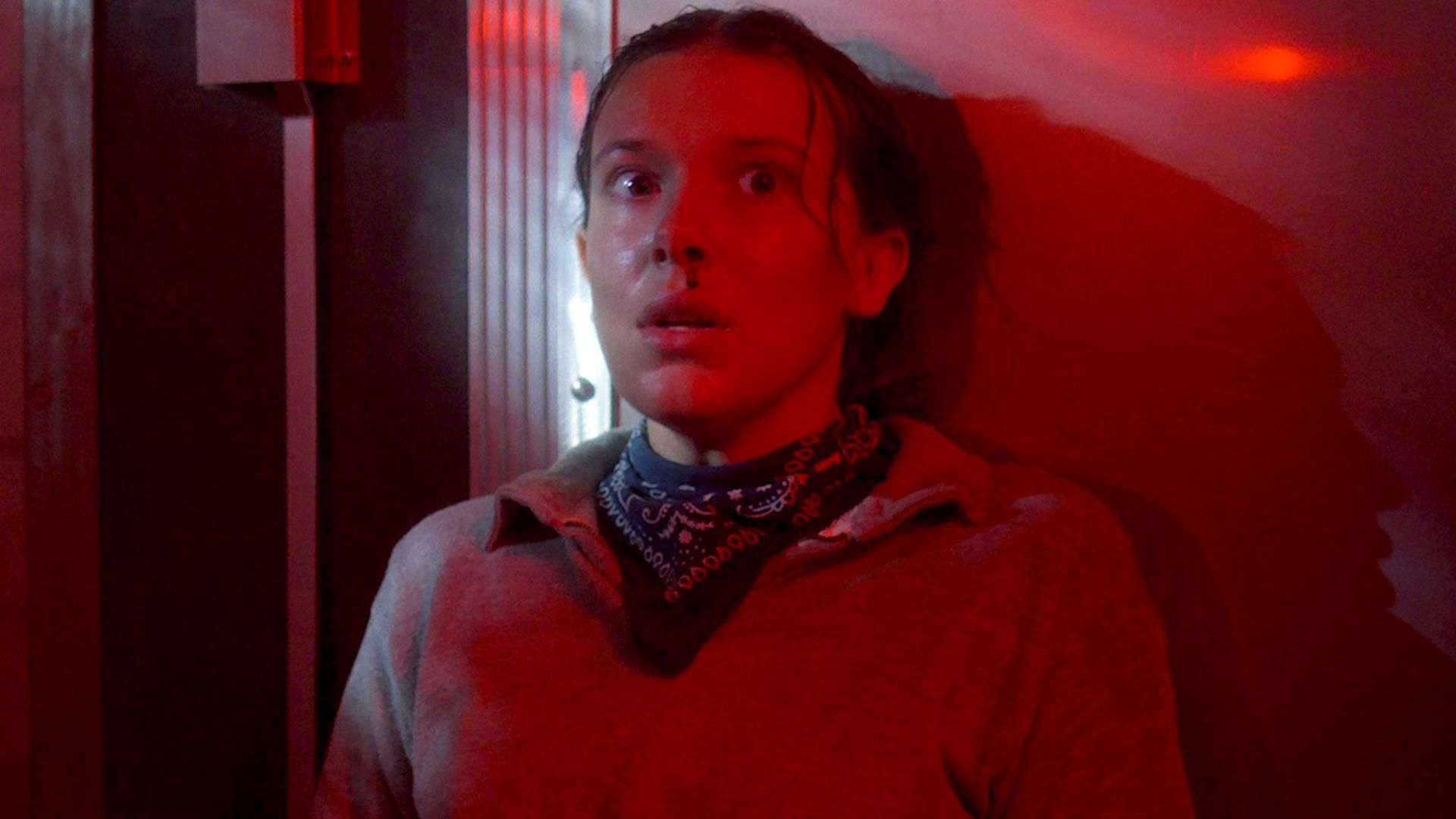
In 1983 Hawkins, Indiana, a young boy vanishes, and his friends stumble upon a mysterious girl who is bald and bleeding from the nose. Beneath the town’s ordinary surface lies a hidden, unsettling reality. While Stranger Things, created by the Duffer Brothers, clearly draws inspiration from the 1980s, its richly imagined world extends beyond simple references to that era. The show successfully blends the wonder of classic Spielberg adventures with a truly frightening supernatural atmosphere, resonating deeply with viewers.
The 1980s aren’t just a time period for the show – they’re central to the story. It’s because of this era that the kids have the freedom to get into trouble, the government can secretly experiment on children, and the adults remain unaware of what’s really going on. The mysterious alternate dimension, the Upside Down, continues to be genuinely frightening, and villains like the Mind Flayer, Demogorgon, and Vecna keep raising the stakes with increasingly powerful threats. Stranger Things truly excels at creating a sci-fi world that feels intensely real and unsettling.
‘Foundation’ (2021 – Present)
Isaac Asimov created an incredibly detailed and expansive future history, so complex that for decades, Hollywood believed it couldn’t be adapted into a movie or TV show. But Apple TV has a history of pulling off ambitious projects. Their series, Foundation, boldly disregards those previous concerns and has become one of the smartest and most thought-provoking science fiction shows ever made, spanning three seasons so far.
The story follows Hari Seldon, a mathematician who foresees the collapse of the Galactic Empire and creates a plan to safeguard humanity’s knowledge. It’s a thought-provoking, large-scale story with impressive visuals. The world-building is a standout feature, especially its sense of immense scale. The Galactic Empire feels like a real, interconnected system of planets, cultures, and beliefs. From grand palaces to remote colonies, the production design creates a feeling of vastness that’s uncommon in film.
‘Dark’ (2017 – 2020)
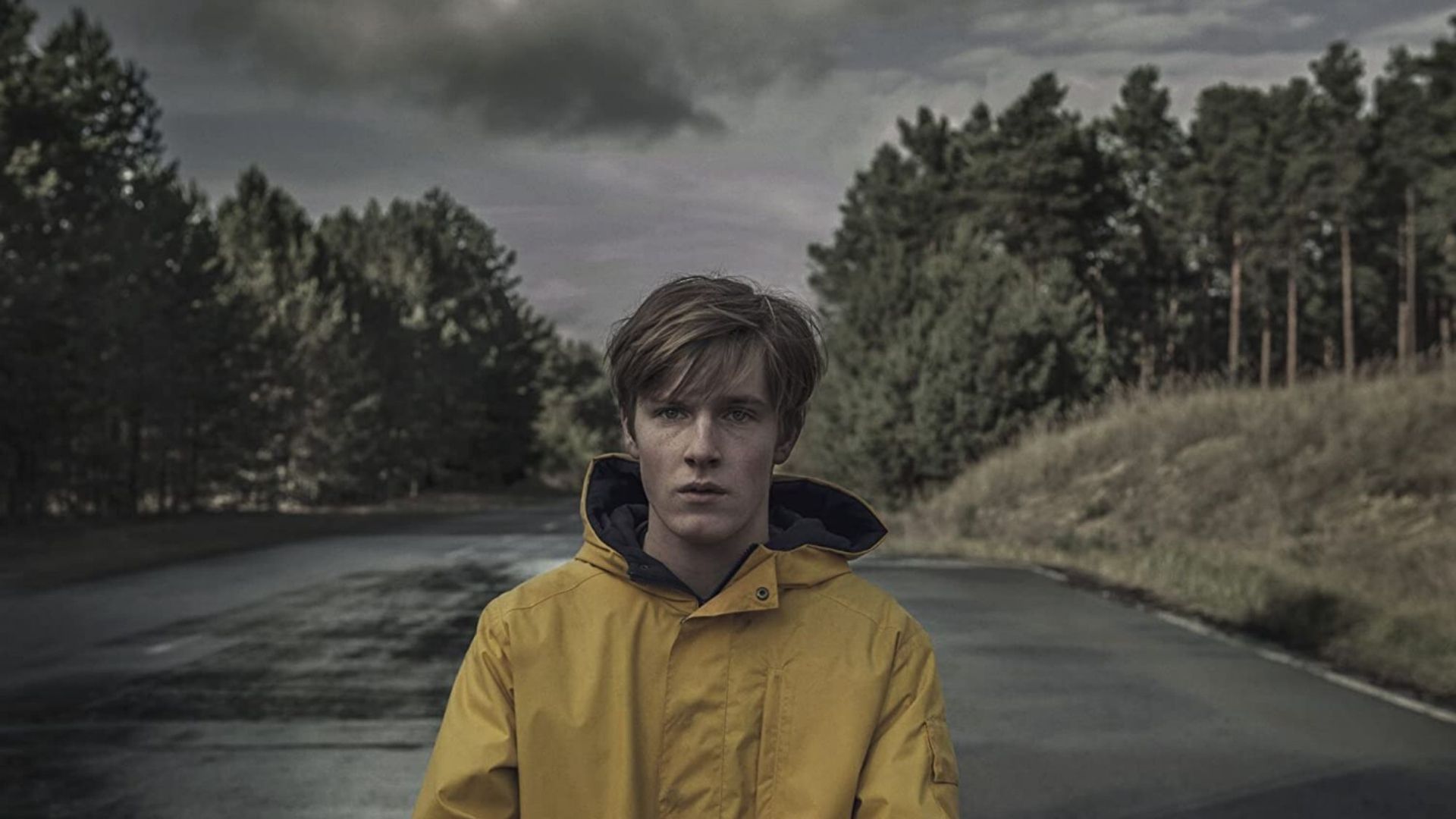
The German TV show Dark, which premiered in 2017, quickly gained a huge following, with many calling it the best science fiction series ever made. This was Netflix’s first original show produced in Germany, and it centers around the people of Winden, a small town plagued by a complex time travel mystery connected to a nuclear power plant and a network of caves. The story unfolds across four different time periods, and in its third season, expands to include two alternate realities.
Created by Baran bo Odar and Jantje Friese, this show respects its viewers by not over-explaining its complex story. It features interconnected families whose histories and futures repeat and overlap. This creates a sense of confinement and makes you wonder if people truly have free will when everything seems predetermined by a shared, repeating trauma.
‘Sense8’ (2015 – 2018)
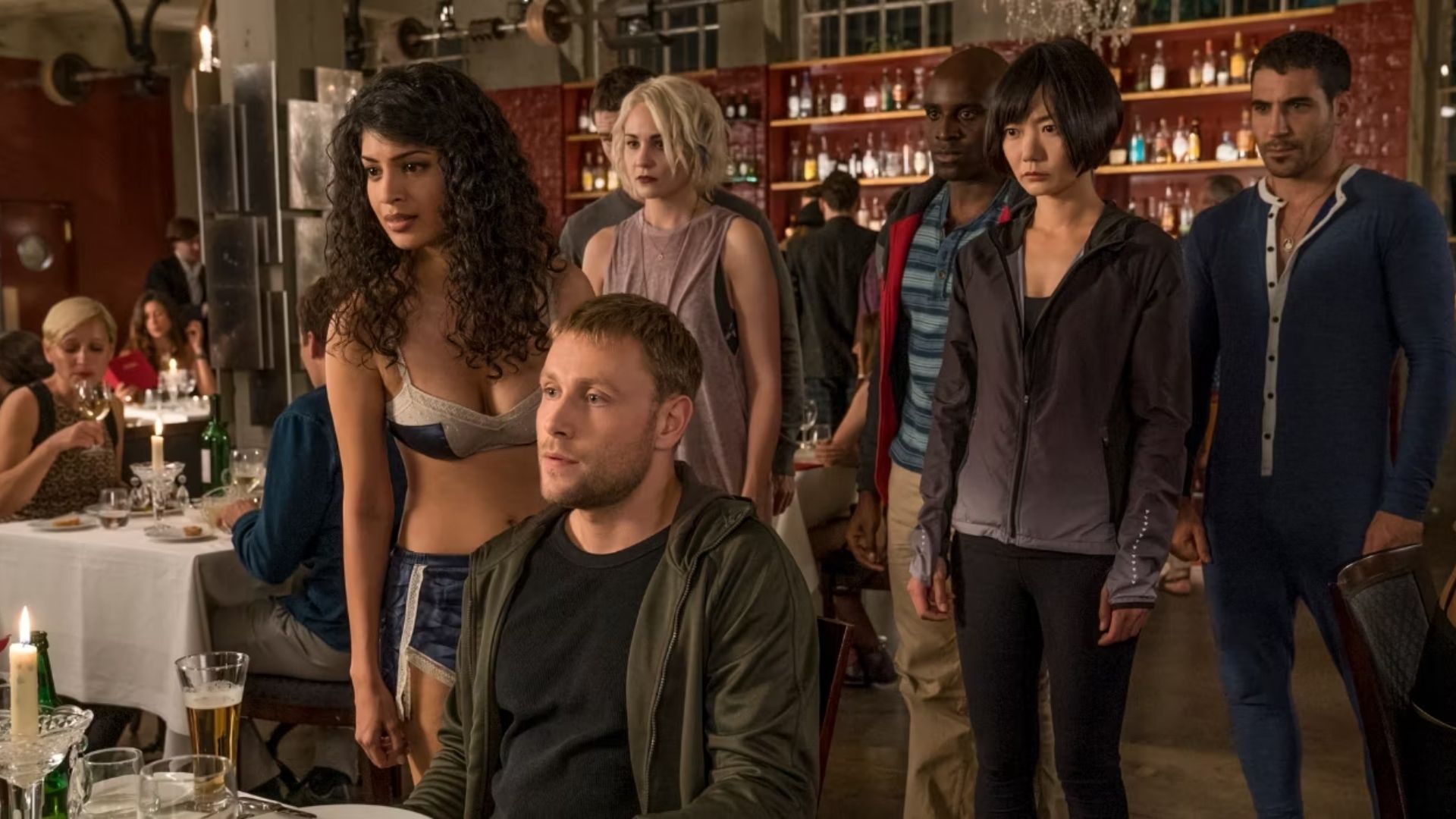
The Wachowskis – the creators of The Matrix – have long been fascinated by the nature of consciousness and who gets to experience life. Their Netflix series, Sense8, created with J. Michael Straczynski, is arguably their best work. The show follows eight people from around the world who unexpectedly become connected mentally and emotionally. They can share each other’s thoughts, skills, and experiences, no matter how far apart they are.
The basic idea behind Sense8—connecting eight strangers across the globe—seems incredibly complicated. But the show manages to feel surprisingly personal and heartfelt. Each city feels unique and alive, thanks to filming on location – you can really see the difference in atmosphere between places like Nairobi and Berlin. While the sci-fi elements – like the concept of people sharing consciousness and the shadowy organization pursuing them – are interesting, the show truly shines because of the deep connection and understanding it creates between its eight main characters.
‘Silo’ (2023 – Present)
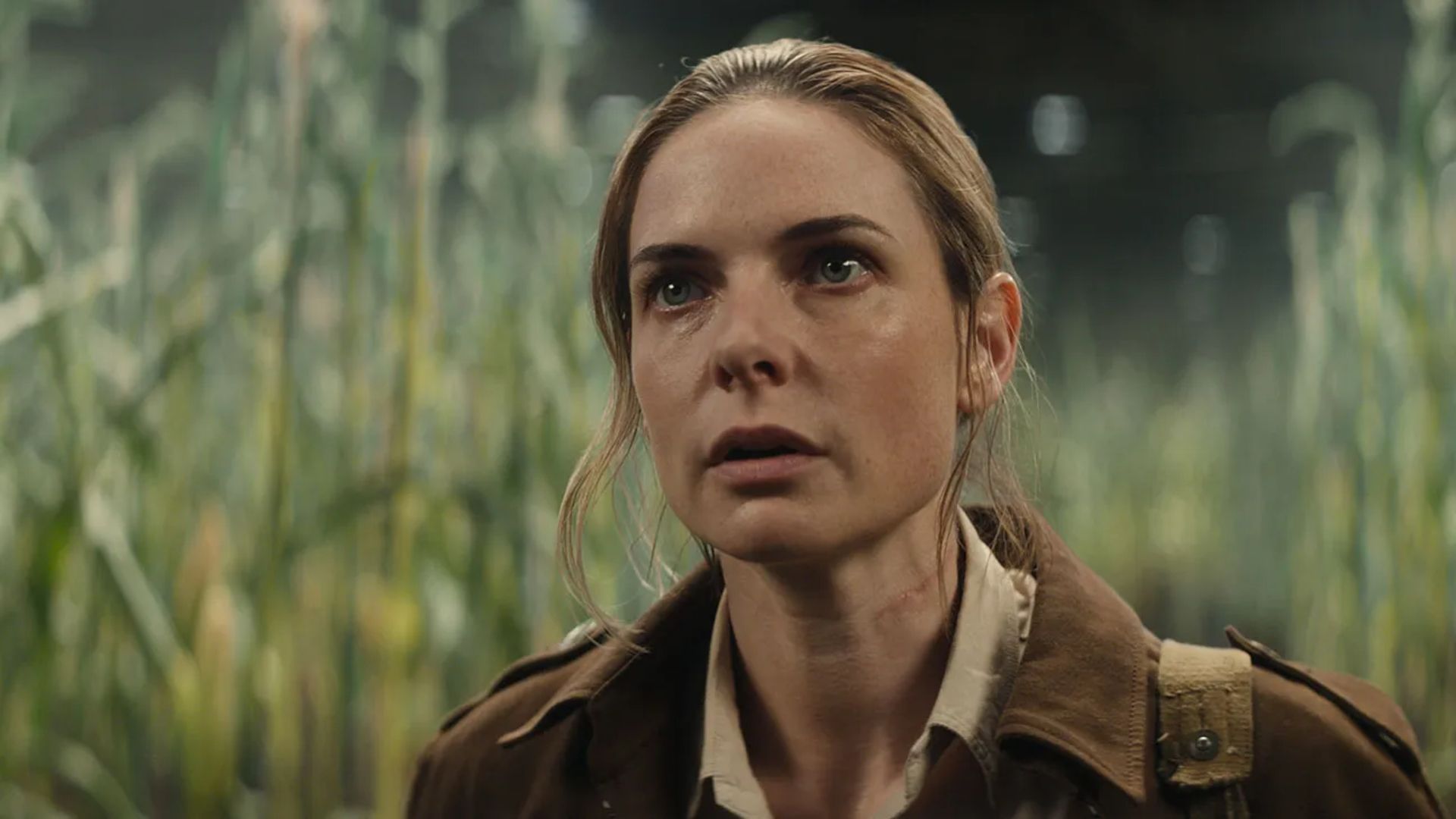
Here’s an interesting story: Hugh Howey originally published the first Silo story in 2012 as a short piece called Wool. It quickly gained popularity through people sharing it, and eventually he sold a series of novels that Apple TV turned into a TV show. Silo is set inside a massive underground cylinder where 10,000 people have lived for generations. No one knows why they went underground or what the world outside is like. Life inside the silo is structured, with its own social classes, history, and even a secretive IT department. But there’s one unbreakable rule: no one is allowed to ask to go outside.
Those who are sent outside receive protective gear and cleaning tools to wipe down the external sensors before ultimately succumbing to the poisonous environment. Rebecca Ferguson delivers a strong performance as Juliette, an engineer from the bottom of the silo who begins investigating a mystery she’s been told to ignore. However, the true star of the show is the silo itself – a massive 144-story structure representing a deeply divided society, with the wealthy living on the upper floors and those who maintain and repair everything working down below.
‘For All Mankind’ (2019 – Present)
The series For All Mankind presents a fascinating twist on history. It imagines a world where the Soviet Union beat the United States to the moon, and the space race continued for decades. The show expertly combines real historical events with fictional possibilities, focusing on both the personal lives of the astronauts and the larger political conflicts. With a compelling performance by Joel Kinnaman and a talented cast, it’s a captivating blend of drama and alternate history.
The show creates a believable and detailed world by carefully reimagining an alternate history. It realistically portrays what might have happened if space exploration had unfolded differently, with convincing updates to NASA missions, global politics, and technology. While many sci-fi films get the visuals of space correct, For All Mankind goes further, developing a constantly changing timeline and a truly imaginative universe.
‘The Expanse’ (2015 – 2022)
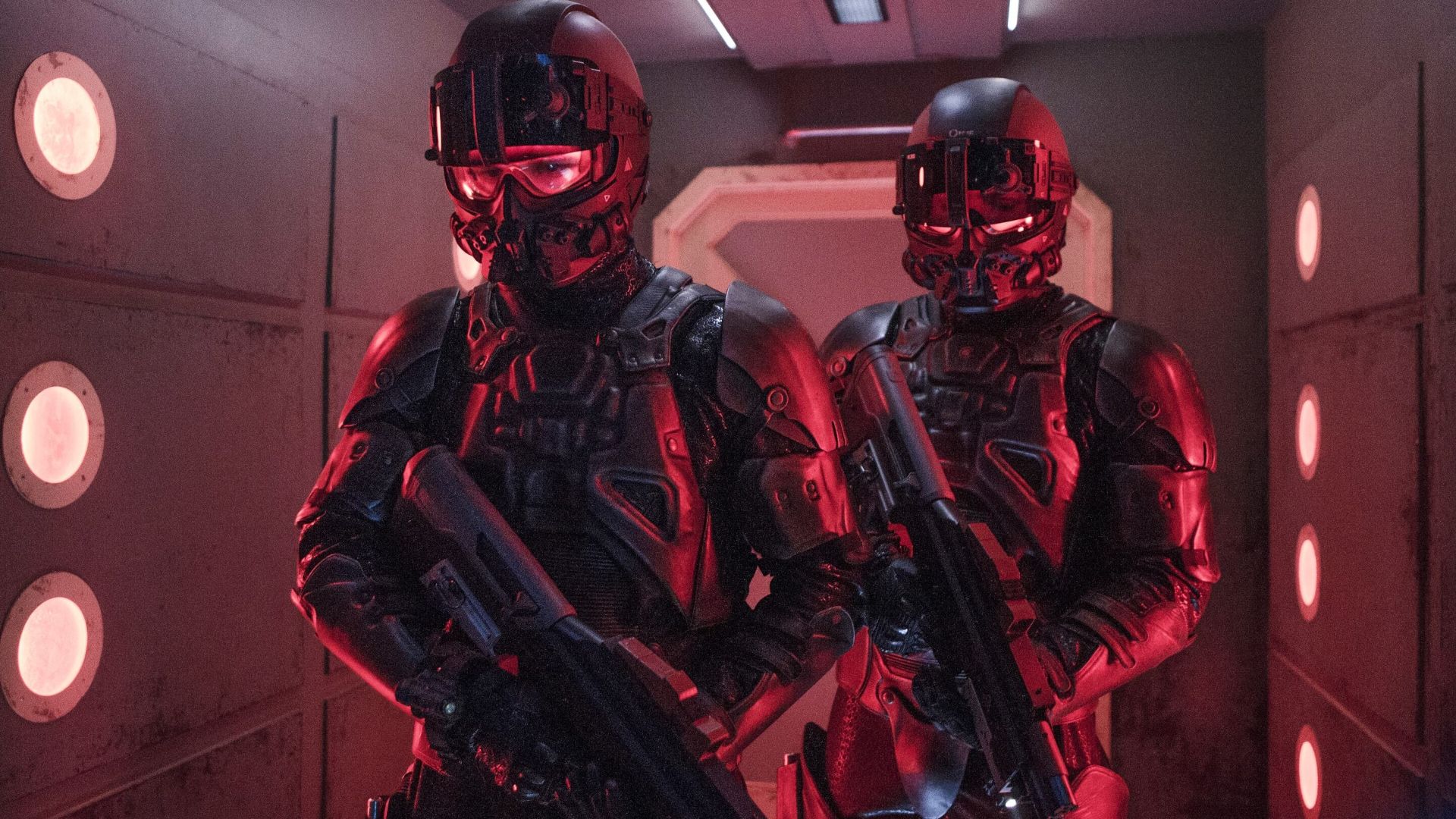
The Expanse stands out as a well-developed science fiction series with a believable and detailed universe. Set 200 years in the future, it depicts a colonized solar system divided into three main groups: Earth, a world of political infighting; Mars, a militaristic society focused on transforming the planet; and the Belters, who are treated as second-class citizens by both Earth and Mars. The show carefully constructs the conflict between these groups, grounding it in realistic physics and the challenges of space travel, like orbital mechanics and gravity, much like classic ‘hard’ science fiction authors.
Steven Strait plays James Holden, the show’s central figure of morality. He’s a hopeful crew member on a salvage ship who unexpectedly finds himself caught up in a dangerous conspiracy. Shohreh Aghdashloo delivers a powerful performance as Chrisjen Avasarala, a UN politician known for her blunt language and ability to see the bigger picture. But the story goes beyond just the characters; the protomolecule and the alien technology it reveals expand the universe, creating a complex and believable world where every group and vessel feels important.
‘Star Trek’ (1966 – Present)
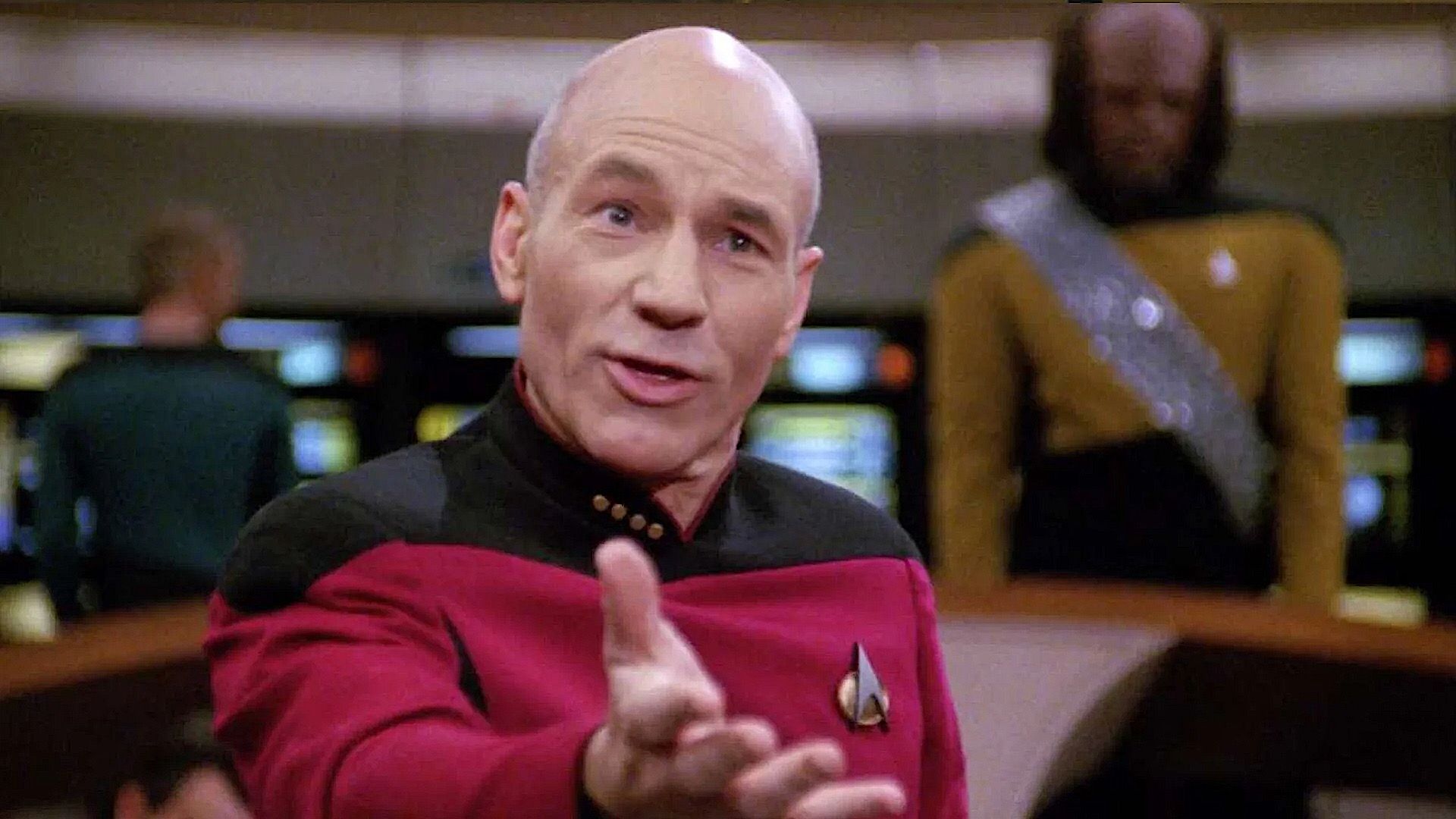
As a lifelong sci-fi fan, I have to say that Star Trek is just iconic. It all started with The Original Series back in the ’60s, and I was immediately hooked by the adventures of the USS Enterprise crew. Seeing them boldly go where no one had gone before, meeting new cultures and wrestling with tough ethical questions, was amazing. With Captain Kirk at the helm – William Shatner, of course – and all the spin-offs and newer shows like Discovery and Picard, Star Trek always felt different. It wasn’t about conquering space; it was about exploring it and what we could learn.
Star Trek has consistently found ways to refresh itself while remaining true to its central values. Shows like The Next Generation and Deep Space Nine are incredibly detailed and well-developed. The series features a rich and complex universe with the Federation, Klingons, the Borg, Vulcans, and many other unique cultures and political systems. Episodes often explore challenging moral questions alongside exciting action, and the show has always allowed for both visual and intellectual growth.
Read More
- Surprise Isekai Anime Confirms Season 2 With New Crunchyroll Streaming Release
- 10 Best Free Games on Steam in 2026, Ranked
- The Super Mario Galaxy Movie: 50 Easter Eggs, References & Major Cameos Explained
- HBO Max Just Added the Final Episodes of a Modern Adult Swim Classic
- All 7 New Supes In The Boys Season 5 & Their Powers Explained
- ‘Project Hail Mary’: The Biggest Differences From the Book, Explained
- Frieren: Beyond Journey’s End Gets a New Release After Season 2 Finale
- Preview: Sword Art Online Returns to PS5 as a Darker Open World Action RPG This Summer
- Sydney Sweeney’s The Housemaid 2 Sets Streaming Release Date
- The Boys Season 5, Episode 2’s Soldier Boy Ending Twist Changes Everything for Homelander & Butcher
2026-04-14 05:06