Returnal has become known as one of the most daring and challenging games on the PS5, and the developers at Housemarque seem ready to expand on that success. Both Returnal and their new game feature captivating, quick-action shooting against alien enemies, and both rely on players making multiple attempts. However, a closer look reveals significant differences between the two titles.
We’ve previously explained SAROS extensively in two other articles, so we won’t rehash topics like parrying, shields, corruption, or the eclipse. This time, we’re focusing on how SAROS’s gameplay progression, combat, story, and overall design set it apart from Returnal. While some of these differences might seem like minor details, they’re actually quite significant. Here are fifteen key distinctions.
Note: All information in this article is through official sources.
Run Structure
Unlike Returnal, which focuses on continuous, unbroken runs through its levels, SAROS lets you play in shorter bursts. While Returnal encourages pushing forward from one area to the next, SAROS allows you to explore the planet Carcosa in smaller, more manageable sections. You can then return to the central hub, The Passage, to upgrade your gear and recover. This creates a significantly different experience in terms of both speed and overall structure compared to Returnal.
Session Design
The way runs are structured in the game impacts how long each session lasts. Returnal‘s runs can be quite lengthy, requiring players to stay focused as they progress deeper into the world. SAROS, however, is built for shorter, thirty-minute expeditions, making it easier to maintain intensity with the ability to return to base at any time. This design choice shows Housemarque’s intention to make SAROS more accessible than Returnal. The option to play in shorter bursts, pausing to learn more about the story and upgrade your character, could actually encourage players to play for longer overall. But if you prefer to play through levels without stopping, SAROS still allows you to tackle them back-to-back.
Failure Penalty
In terms of design, Returnal heavily punishes failure by almost completely resetting your progress. Returning to the Helios often feels like starting from scratch. However, SAROS addresses this by introducing more permanent upgrades. This means you can keep meaningful improvements between each attempt, making the gameplay loop feel less about losing everything and more about steady advancement.
Your Motivation
Unlike Returnal, which focuses on sheer survival and avoiding mistakes, SAROS encourages a more optimistic approach to gameplay. SAROS’ upgrade system naturally changes your goals, making you think about how different skills work together, how each attempt contributes to overall progress, and how to maximize efficiency with every run, rather than just finding quick wins.
Progression Philosophy
The difference in how these games motivate players – focusing on simply surviving versus feeling hopeful and confident – reveals a deeper difference in their overall approach. Returnal often made you feel incredibly vulnerable, like one mistake could erase hours of work. SAROS, however, gives you a sense of control, making success feel achievable. By letting you permanently improve your abilities, each attempt feels like you’re becoming better prepared for the challenges ahead.
Resource Philosophy
SAROS approaches resource gathering differently than Returnal. Returnal typically makes resources temporary – you lose them when you die. SAROS, however, treats resources as lasting investments, leaning more towards the ‘rogue-lite’ style than the harsher ‘rogue-like’ approach of Returnal. This creates a less risky experience, as you build up tools that help you over time, instead of depending on temporary boosts found during a single run.
Build Identity
Ultimately, this new approach lets you create more personalized builds in SAROS. Unlike Returnal, where your build is mostly determined by what you find during each run, SAROS gives you more control before you start playing. Instead of constantly adapting to random items, you can carefully craft a build that suits your preferred playstyle and relies on your deliberate choices for survival.
Difficulty Curve
Each game handles difficulty differently. Returnal immediately challenges you, requiring you to learn through trial and error. SAROS, on the other hand, gradually increases the challenge as you improve your character and unlock upgrades, making it easier to learn while still offering a complex experience.
Combat Readability
Even though Returnal can be frantic and chaotic, its combat is surprisingly clear. Enemy attacks, while complex and fast-moving, are designed to be easy to understand. You can usually tell what’s coming, and staying alive depends on your skill and reflexes. SAROS, however, seems to make things much more demanding. It adds more things to keep track of during each fight. We’ve already talked about the different kinds of bullets enemies in SAROS will shoot, but what we didn’t mention is that it’s no longer enough to just react quickly. You’ll now have to make fast decisions while under attack.
Combat Rhythm
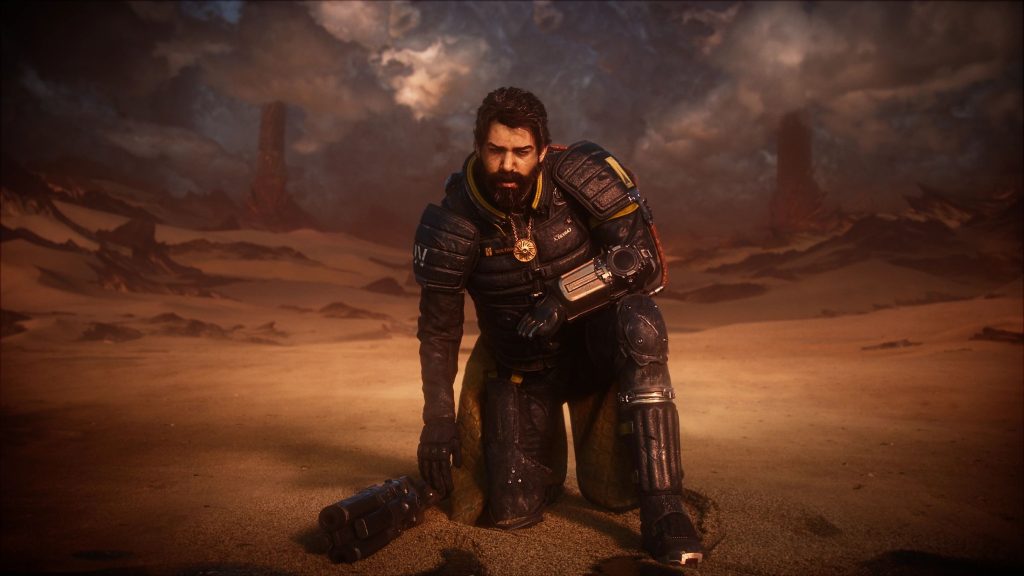
This new complexity changes how combat feels. While Returnal often demanded careful, precise play to survive, SAROS encourages a more aggressive style, rewarding players for taking chances. This is a key difference between the games, completely reshaping the flow of battles.
Spatial Awareness
Changes in how a fight feels often mean changes in how you move and where you position yourself. Returnal uses a lot of vertical space, with players constantly moving up, down, and around arenas. SAROS, based on what we’ve seen, seems to prioritize moving side-to-side and understanding the space around you. While you can still gain an advantage by finding higher ground, SAROS generally feels more focused on the ground level, which will change how you approach and control areas during fights.
Encounter Framing
The game isn’t just designed with more open levels; the way you approach challenges feels different too. Unlike Returnal, which relies on sudden attacks and fast-paced combat, SAROS seems to focus on more planned-out fights. This lets you anticipate what’s coming, giving you time to think and make smart decisions in the heat of the moment.
Narrative Delivery
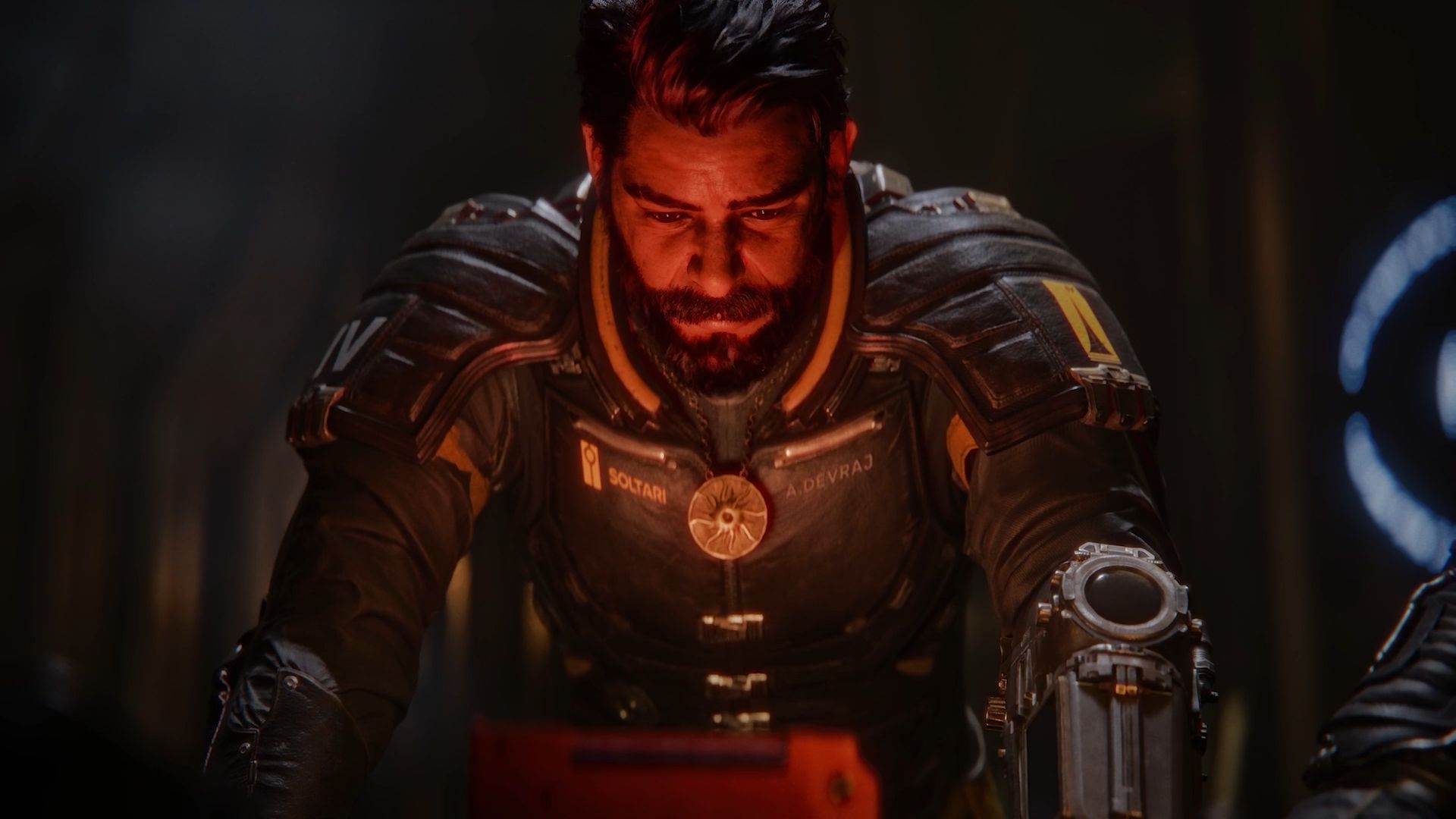
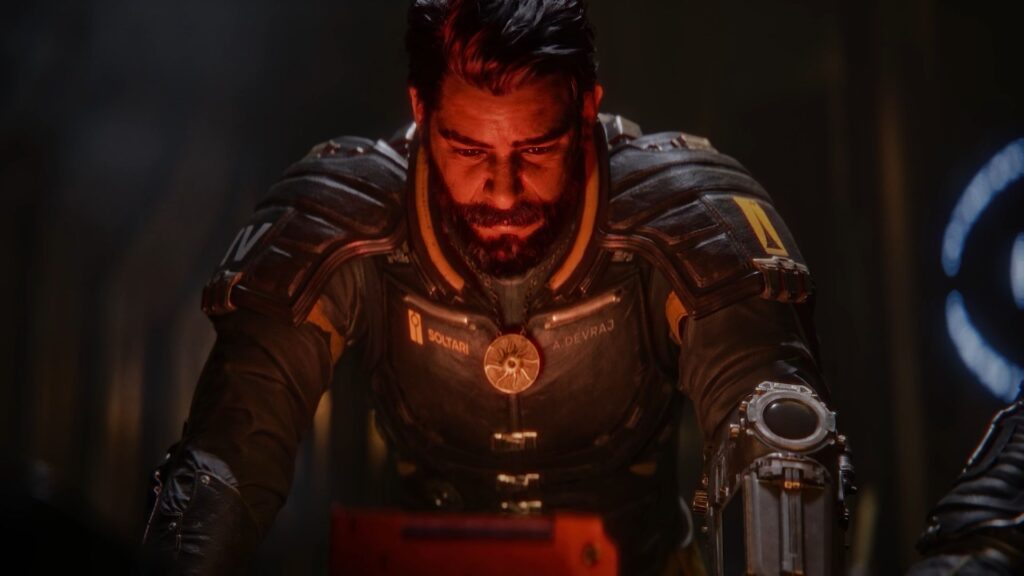
As we’ve discussed in our coverage of SAROS, the two games tell very different stories, and their overall feel is quite distinct. Returnal focuses on a lone character, Selene, and delves into personal themes like memory, guilt, and being stuck in a loop. SAROS, however, emphasizes relationships and how psychological stress and a changing environment affect the story, particularly through Arjun’s experiences at The Passage.
Replayability
Both games handle replayability differently. Returnal focuses on mastering skills through repeated, familiar cycles. SAROS, however, prioritizes variety, encouraging players to try different character builds, strategies, and equipment in each run. A teleport feature lets you jump directly into previously finished areas, adding to this experimental approach.
Design Intent
When I first heard about Returnal, I was excited, and when it came out, it totally delivered on that classic Housemarque arcade feel – super tight controls, really challenging, and all about dodging bullets like crazy. Now, with SAROS, it feels like they’re taking everything that worked in Returnal and just expanding on it. They’re building a bigger, more open-ended experience, but it still has that same core DNA. It genuinely feels like the next step for the studio, a more fully realized version of what they started with Returnal.
Read More
- Adam Levine Looks So Different After Shaving His Beard Off
- Trails in the Sky 2nd Chapter launches September 17
- After AI Controversy, Major Crunchyroll Anime Unveils Exciting Update
- Xbox Game Pass Users “Blown Away” by New Exclusive Game
- Dialoop coming to Switch on June 17
- Japan’s No. 1 Spring 2026 Anime Is the True Successor to an All-Time Great
- Gold Rate Forecast
- Steam Makes Sci-Fi Game 100% Free for 72 Hours
- Upcoming Movie Based on 10/10 Fantasy Masterpiece Gets a Release Date & Exciting Cast Update
- Paradox codes (April 2026): Full list of codes and how to redeem them
2026-04-22 17:13