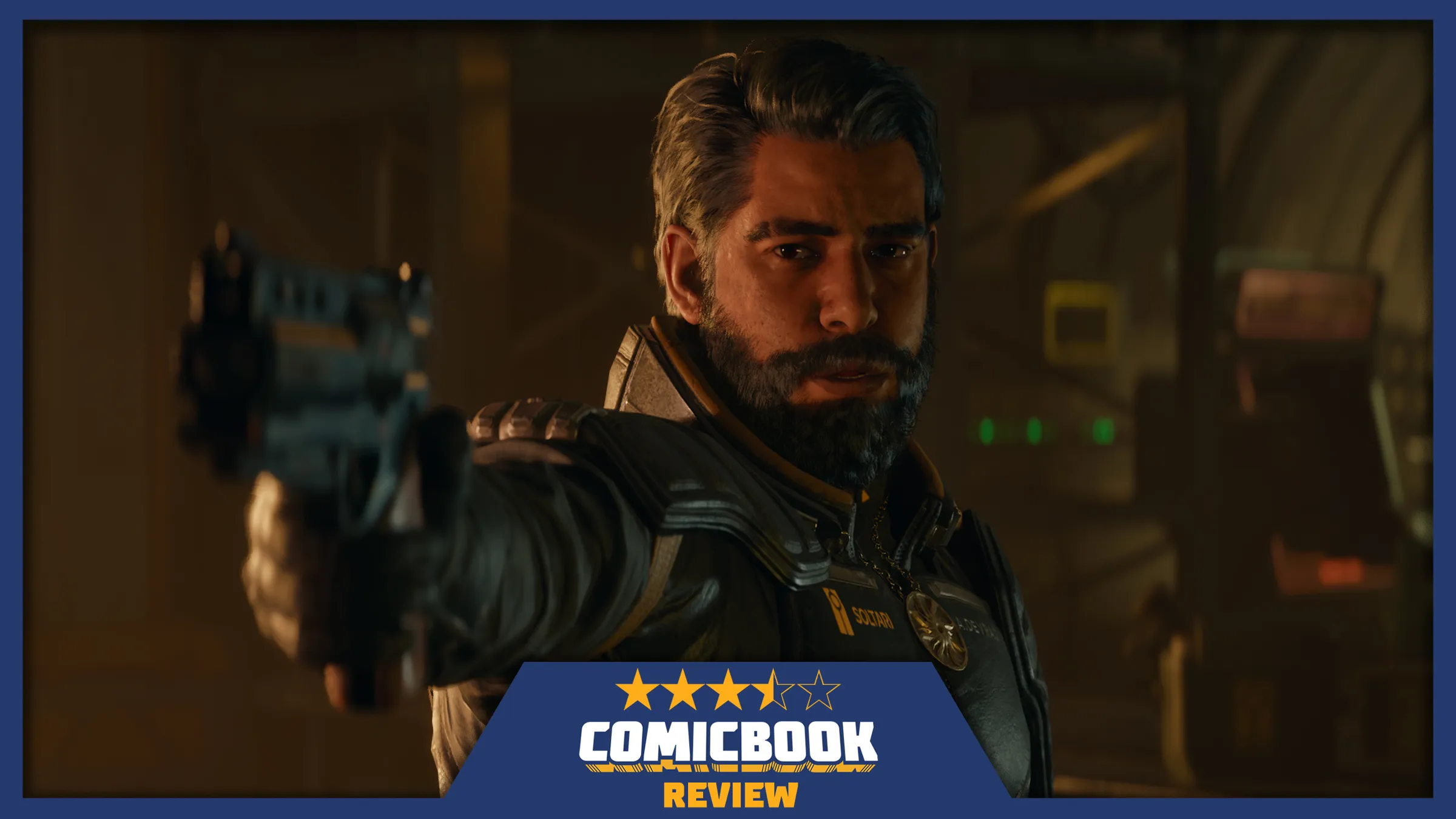
For centuries, people have interpreted solar eclipses as terrifying signs. The Choctaw Nation believed a giant black squirrel ate the sun, and in Hindu mythology, a celestial body named Rahu was responsible. Many cultures saw eclipses as harbingers of disaster. The new game Saros, named after the cycle of eclipses, leans into this ancient fear by making its alien world incredibly dangerous when an eclipse happens. Unfortunately, the game itself suffers from similar problems. Despite trying to be more accessible, Saros falls short and doesn’t live up to the standards set by its predecessor, Returnal.
Similar to Returnal, Saros blends fast-paced, third-person shooting with roguelike elements, building on the developers’ experience with intense “bullet hell” games. This background gives Saros incredibly tight and responsive controls where accurate aiming is crucial. Dodging feels great, with well-timed invulnerability allowing you to overcome almost any challenge. The guns sound powerful and deliver satisfying visual feedback when you eliminate enemies. While Saros often fills the screen with projectiles and effects that might appear chaotic, a smart color scheme keeps everything clear and easy to follow.
Rating: 3.5/5
| Pros | Cons |
|---|---|
| Its responsive controls allow for intense bullet hell firefights | The upgrade tree is a misguided addition that prioritizes boring stat boosts over skill |
| Beautiful environmental art wonderfully depicts an alien world in ruin | Teleporters at the beginning each level undermine the game’s roguelike aspects and completely throw off the difficulty |
| Its story brings up interesting topics and parallels to other pieces of media, but it stumbles when trying to assemble it all |
Saros‘ Bullet Hell Combat Feels Tight, but Is Sometimes Too Grindy
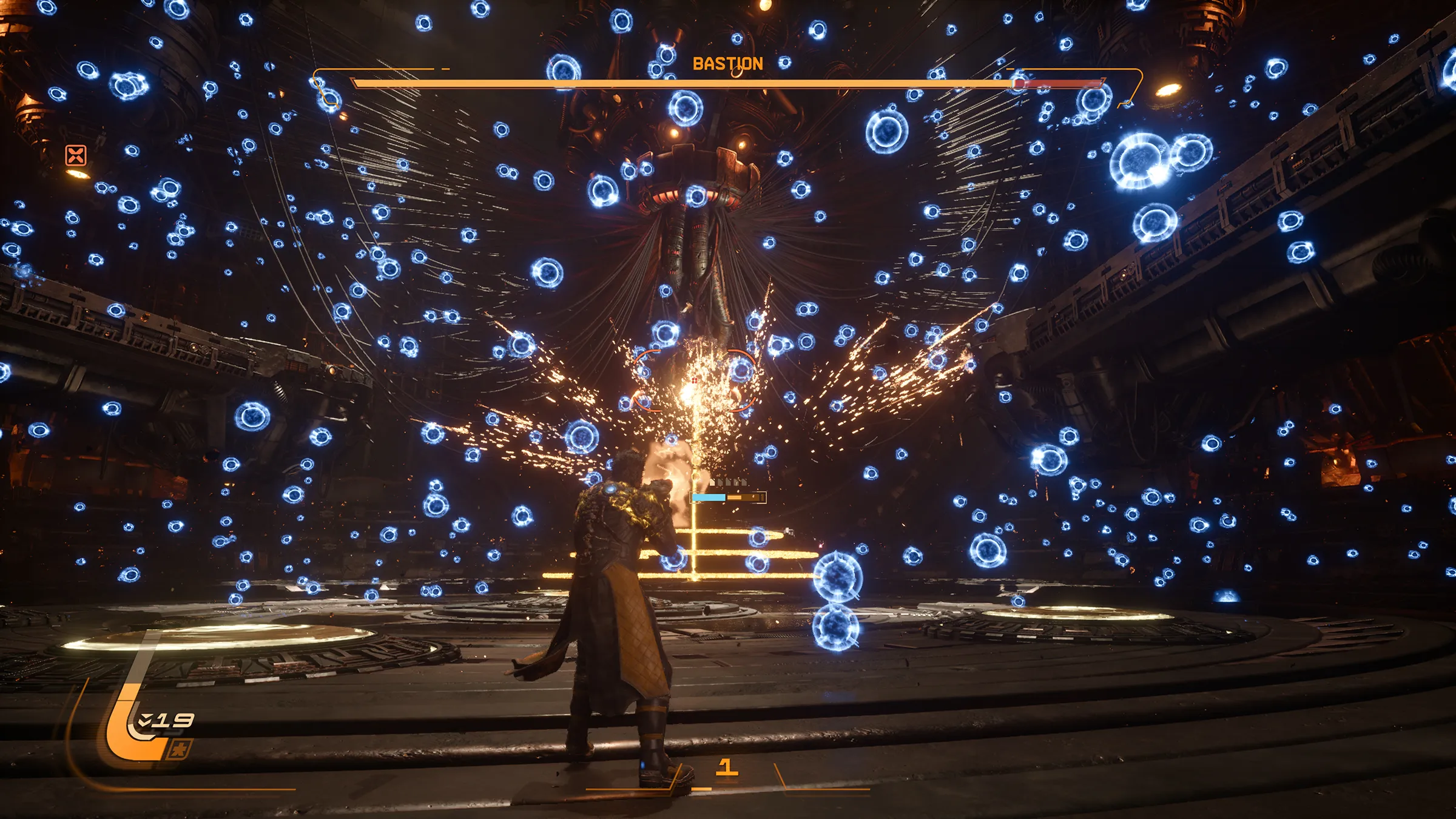
In Saros, color plays a key role in the fast-paced combat. Different colored projectiles require quick thinking: blue orbs can be absorbed for power-ups, red orbs must be blocked, and yellow orbs damage you but can enhance certain weapons. Each wave of attacks becomes a strategic choice – do you risk absorbing blue orbs followed by blocking red ones, or is it safer to dodge entirely? Do you deflect the red barrage, or try to avoid it? This constant need to make split-second decisions under pressure is what makes Saros so engaging and proves how to effectively add depth to a very fast-moving game.
Saros isn’t just a shooter; it also tries to be a roguelike. Unfortunately, these two styles clash, and the roguelike aspects actually weaken the shooting gameplay. A prime example of this is the skill tree, which highlights the game’s obsession with numbers and stats. Players collect crystals from enemies to unlock skills, but the tree is overly complicated and filled with uninspired upgrades that simply boost stats. Meaningful upgrades that change how you play are buried under a huge number of minor stat increases, making it an unpleasant and frustrating system.
The game now includes some frustratingly repetitive combat. While progressing quickly feels good at first, it often leads to enemies that are overly durable and can defeat players quickly. This is especially noticeable with certain enemies that take an unreasonable amount of time – even several minutes – to defeat, which detracts from the game’s strengths. Boss battles highlight this issue, as players can spend a long time shooting at a boss without making significant progress. Adding simple stat upgrades creates artificial roadblocks and unnecessarily extends the game. Despite Saros‘ excellent controls and skill-based gameplay, this focus on numbers ultimately holds it back.
Saros‘ Roguelike Qualities Have Been Downsized
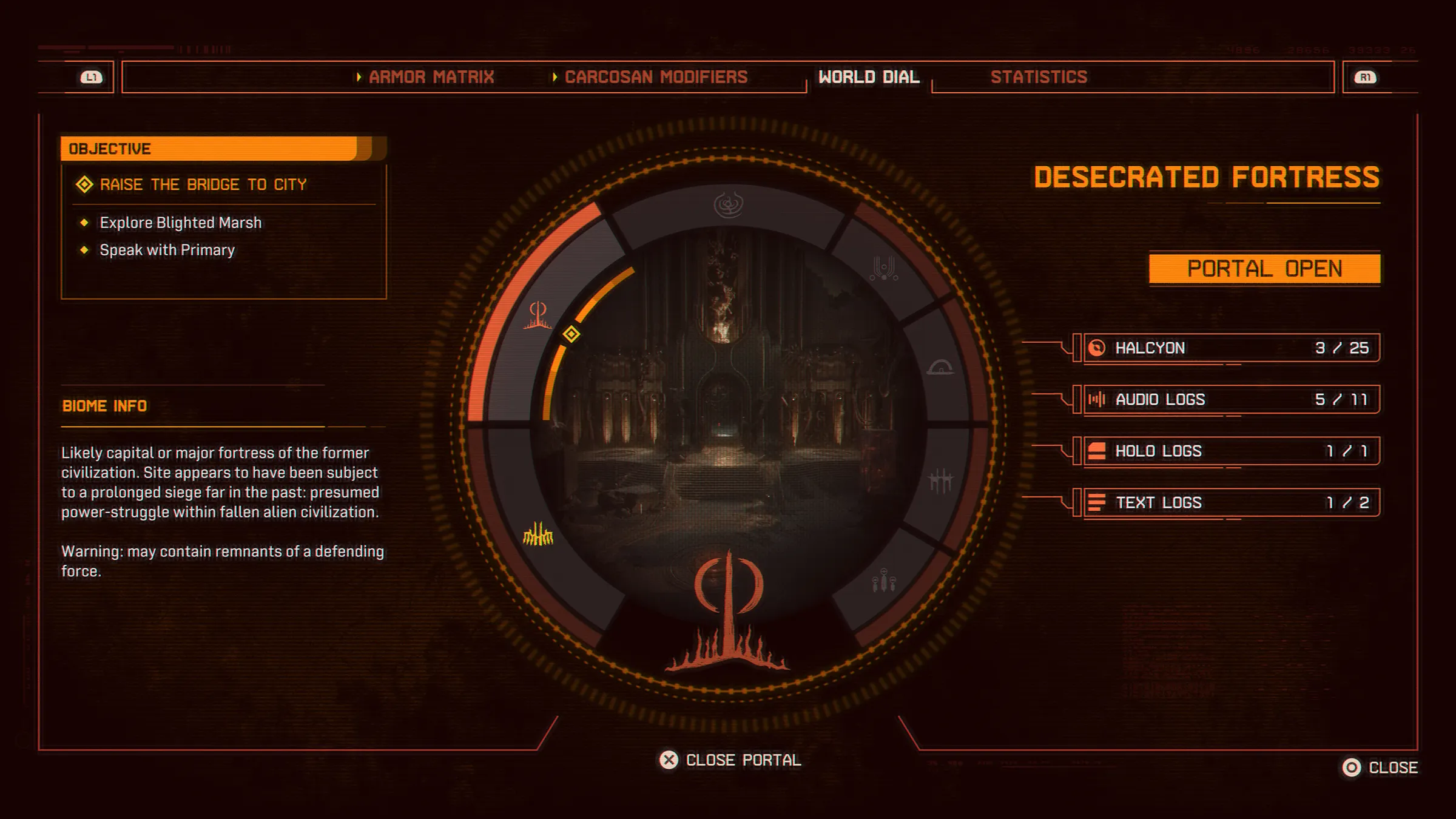
Several of Saros’s new features actually make its roguelike gameplay worse. Instead of being forced to restart after dying, players can simply teleport to any level, skipping the usual challenge of progressing through the game’s areas. Although this sounds interesting, it disrupts the game’s difficulty, making both early and late levels unbalanced.
Placing teleporters at the beginning of each area, with a clear yellow marker showing the newest one, encourages players to immediately jump into the next biome and start fighting. However, doing this too early in the game results in enemies that are overly tough and take a lot of damage, which is frustrating and slows down the fast-paced combat that makes the game enjoyable.
The most straightforward solution to this problem is to always begin a playthrough from the very start and progress through the levels in order. However, this unintentionally makes the game, Saros, too simple. As weapons become more powerful over time, enemies – even those that were once challenging – quickly fall to just a few shots. This removes the need for careful strategy or skillful gameplay. Bosses that previously required a lot of effort to defeat on the planet Carcosa can now be taken down with only a short burst of fire.
The stark contrast between easy and hard moments in Saros seems to be Housemarque’s attempt to make the game more accessible after Returnal was known for its difficulty. This extends beyond just difficulty options. Many weapons automatically aim for you, and you quickly earn an extra life. Players can also activate helpful modifiers that reduce damage, improve weapons, and even remove negative effects. While some modifiers increase the challenge, they don’t offer extra rewards and feel unreliable given the game’s inconsistent difficulty. Despite the inclusion of standard accessibility settings, these changes, intended to smooth out the rough edges of the genre, ultimately create a less satisfying overall experience.
Saros Lacks the Hooks and Smoothness of Many Modern Roguelikes
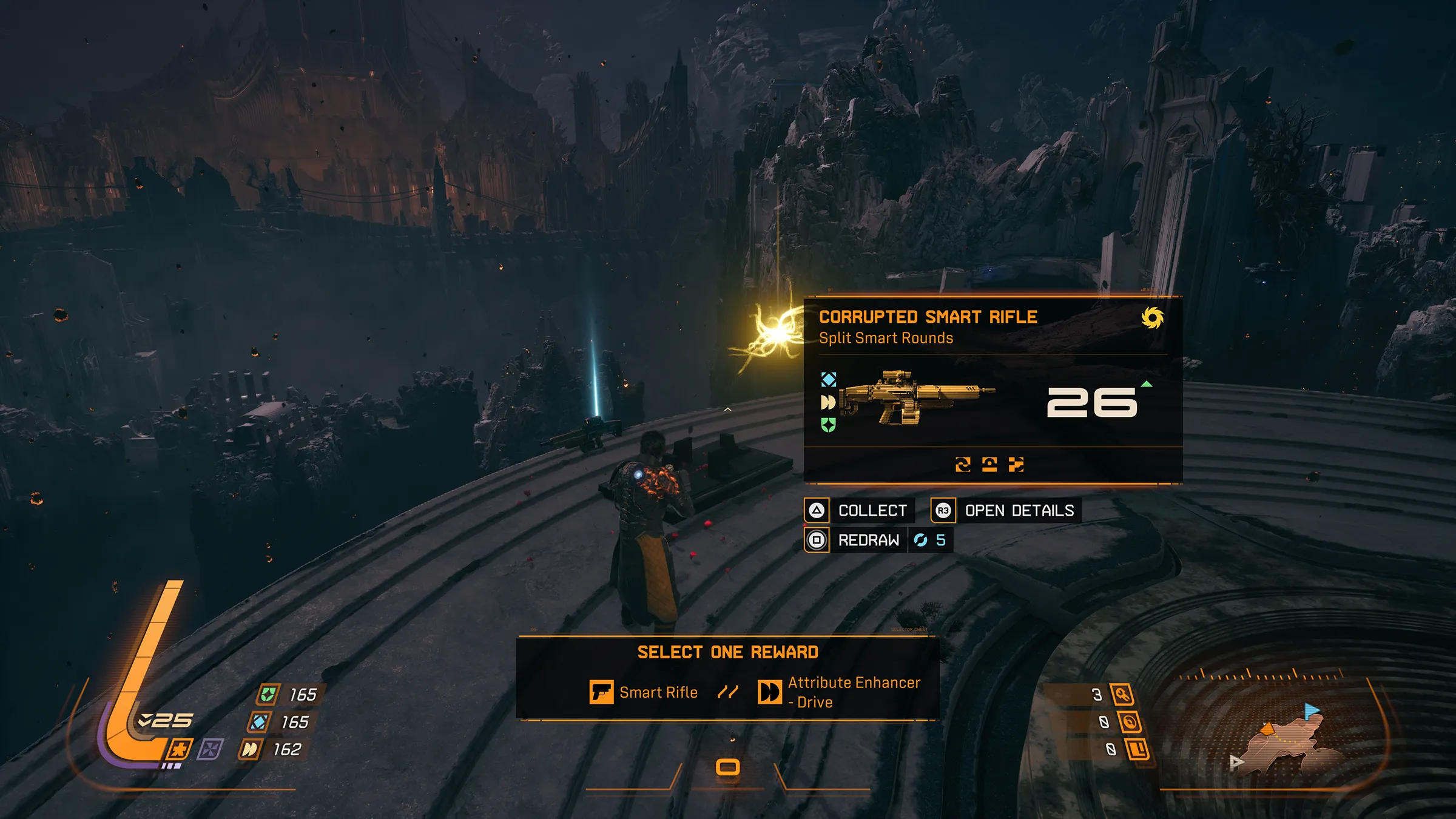
To add to the frustration, the roguelike aspects of Saros have been simplified. There aren’t many options for creating unique character builds, and the game encourages quick runs, leaving little time to actually develop one. The perks you find as you play don’t often work well together, and many come with significant drawbacks that make them unappealing – and you can’t remove them once equipped. You can’t spend resources in a shop; instead, you only unlock upgrades by returning to base after defeating enemies. Bosses remain the same each time you play, which highlights a larger problem with Saros: unlike the best games in this genre, it doesn’t do much to keep players engaged and coming back for more. Rooms repeat frequently, even more so than in Returnal, which limits the sense of discovery and opportunities to find new gear.
Returnal was a strong first attempt, but it showed that Housemarque was still learning the ropes of the roguelike genre and had potential to improve. Since then, many other successful roguelikes have come out, offering valuable lessons. Unfortunately, the developers haven’t built on those lessons. Instead, they’ve either removed features from Returnal, directly copied ideas from other games, or simplified them. Despite being five years old, Returnal remains a more engaging and complete roguelike experience. By smoothing out some of its challenging aspects without actually innovating, the recent outcome feels inevitable and ultimately disappointing.
Saros‘ Story Is Uneven
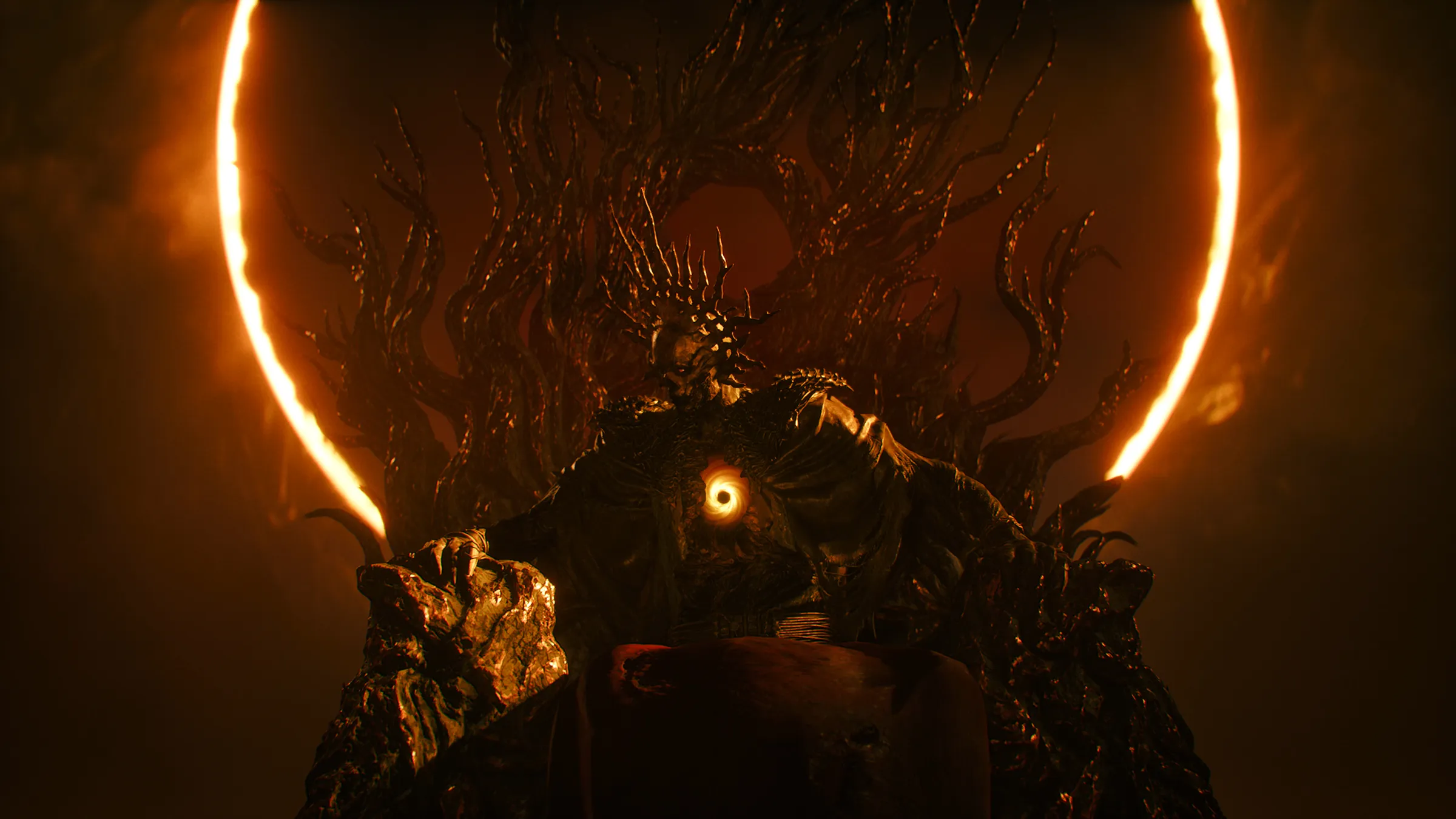
The story of Saros is also full of conflicting ideas. The central mystery revolves around the powerful corporation Soltari and their failed attempt to mine the valuable Lucenite from Carcosa, which raises many questions about their motives. The story shows that corporate control isn’t limited to Earth, and the main character, Arjun – a hired gun for these ruthless companies – constantly struggles against their greed and disregard for safety. Saros uses this setup to explore themes of control and power, while also telling a personal story about Arjun and his search for redemption.
The game’s cutscenes can be puzzling, initially appearing disconnected and requiring players to piece them together. These brief, dreamlike glimpses of the past or future create more questions than answers, leaving players to wonder where they fit into the larger story. Just when you think you’re starting to understand, a new, confusing reveal throws everything into doubt. The story feels like a constantly shifting puzzle where the pieces don’t quite fit. While the main theme revolves around the desire for power, the smaller details are often unclear. Compared to Returnal, which also required effort to understand but offered more solid connections and a better balance of revealed and hidden information, this game feels less cohesive.
The game Saros becomes easier to understand when you consider its inspiration: Robert W. Chambers’ The King in Yellow. It often feels like a lost interactive story from that collection, released 131 years later. This connection provides familiar touchstones, helping players grasp the narrative. Similarities like a mysterious king, characters driven mad, a cursed amulet, and the symbolic use of yellow—reflected in the game’s design—offer some clarity. While Saros’ ending feels undermined by its roguelike nature and can still be confusing due to its complex cast and timeline, its connection to The King in Yellow provides a helpful foundation and adds layers of meaning to the story.
Despite drawing comparisons, Saros ultimately feels like a letdown and contributes to why this game doesn’t live up to Returnal. Instead of improving on the original, Saros actually feels like a step backward, with inconsistent and often frustrating difficulty, a less engaging story, and simpler gameplay. If you didn’t know when each game was released, you might think Saros was an earlier, less polished version of Returnal. While Saros features prominent sun imagery, Returnal is the truly impressive game, clearly outshining its successor.
A PS5 copy of Saros was provided by the publisher for the purpose of this review.
What do you think? Leave a comment below and join the conversation now in the ComicBook Forum!
https://comicbook.com/gaming/news/returnal-ps5-anniversary-housemarque/embed/#
Read More
- Adam Levine Looks So Different After Shaving His Beard Off
- Gold Rate Forecast
- Dialoop coming to Switch on June 17
- Steam Makes Sci-Fi Game 100% Free for 72 Hours
- Tekken 8 Fans Furious as Tifa Tipped for Street Fighter 6 Instead
- 10 Movies That Were Banned in Different Countries For Random Reasons
- From season 4 release schedule: When is episode 2 out on MGM+?
- Upcoming Movie Based on 10/10 Fantasy Masterpiece Gets a Release Date & Exciting Cast Update
- Crimson Desert Guide – How To Unlock All Elemental Skills
- Michael Jackson Biopic’s Record-Breaking Debut Unseats 2026’s Biggest Box Office Hit On U.S. Chart
2026-04-24 10:12