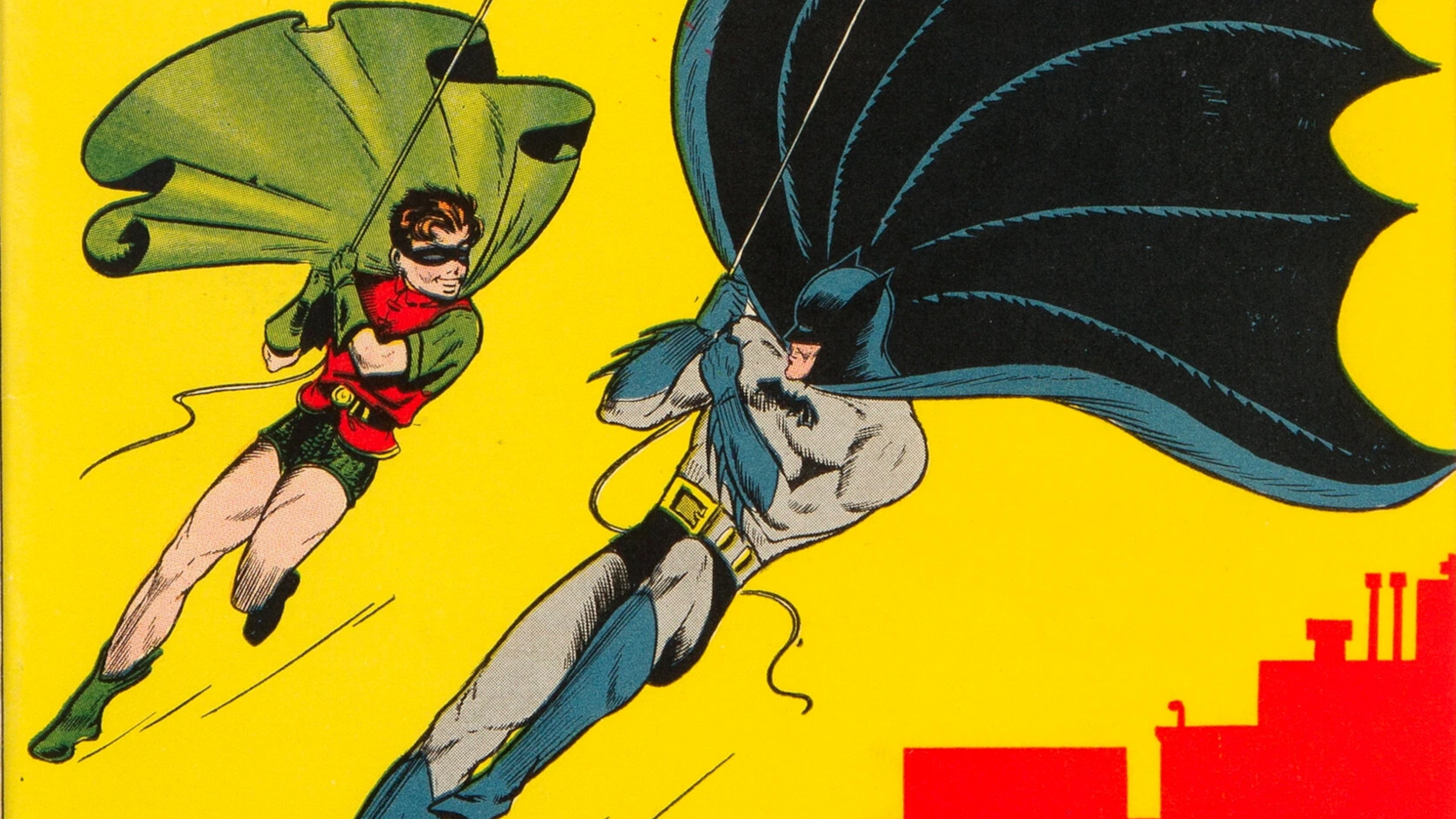
Batman is a globally recognized superhero, and many consider him the most popular of all time. He’s appeared in countless forms of entertainment, from old-time radio to blockbuster movies, becoming a true cultural icon. More than just a character, Batman has inspired people for generations and heavily influenced the superhero genre, setting the standard for dark, mysterious stories that we still enjoy today. It’s no surprise he remains incredibly popular, and today we celebrate his lasting legacy. His first solo comic book, Batman #1, was originally released on April 24, 1940.
For eighty-six years, Batman has consistently been featured in his own comic book series, with very few breaks since it first began. That initial issue launched the long-running adventures of Batman and Robin and gave us many of Batman’s most iconic stories. Since Batman has evolved so much over the decades, let’s mark the anniversary of the main comic book by looking at the very first issue and comparing it to the latest Batman #1, which came out in 2025.
The Batman Who Set the Standard
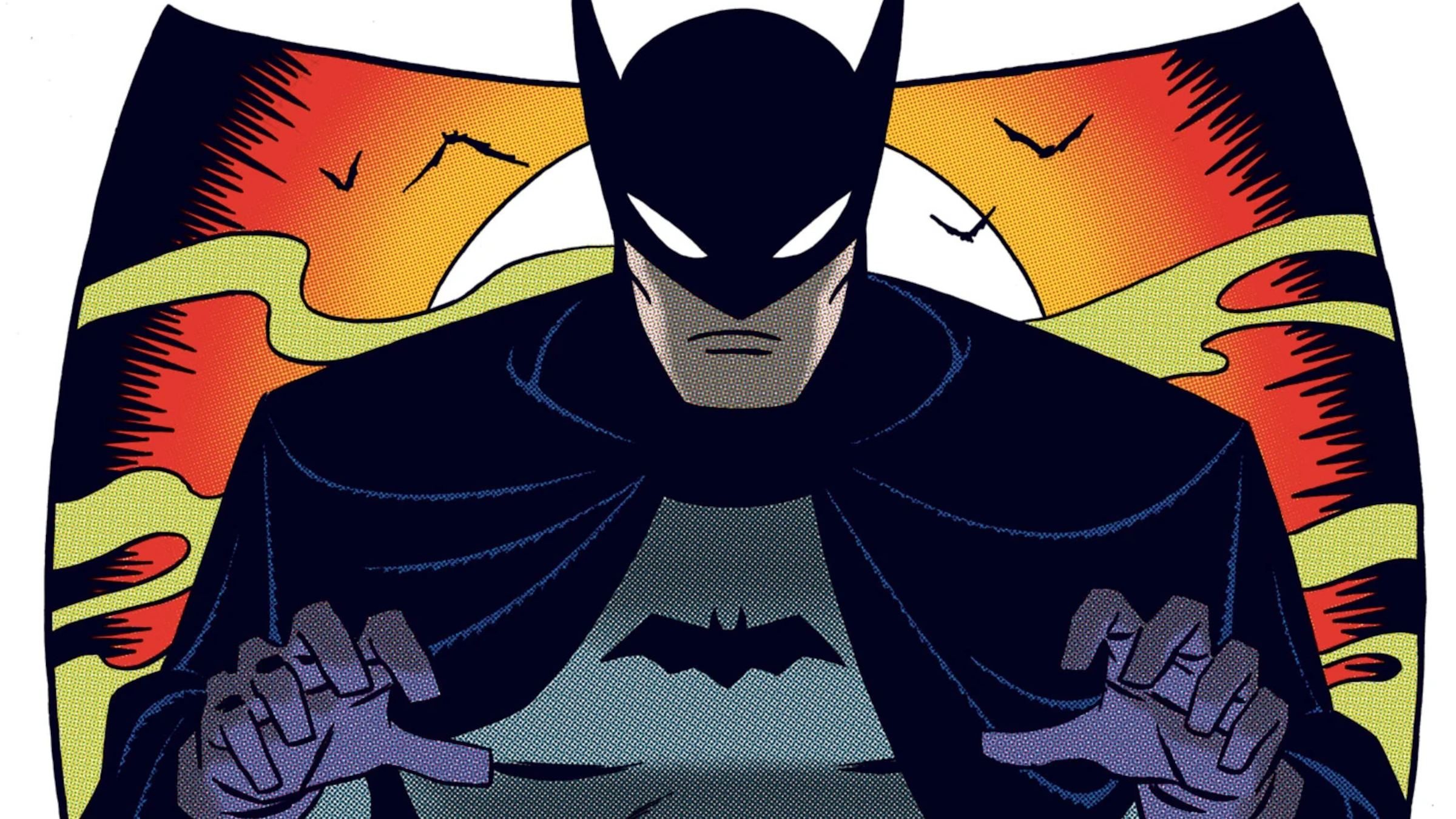
The first issue of Batman (1940), like most comics of the era, featured several separate stories. One of these was the very first account of Batman’s origin story: the murder of Bruce Wayne’s parents in Crime Alley, his subsequent promise to fight crime, and the fateful encounter with the bat that inspired his persona. It even included Batman’s famous line about criminals being superstitious and cowardly! Beyond that, the issue also introduced iconic villains like Catwoman, the Joker, and Hugo Strange’s Monster Men. Hugo Strange had actually appeared before, debuting in Detective Comics (1937) #36.
This comic book fundamentally shaped the entire history of Batman. Its telling of Batman’s origin story became instantly famous and remains largely the same even now. It also introduced the complex, on-again, off-again relationship between Batman and Catwoman. While it didn’t immediately establish the Joker as Batman’s greatest enemy, the Joker surprisingly appeared in two stories, demonstrating his long-standing importance to DC Comics and Batman’s adventures. This issue is packed with memorable moments and focuses heavily on introducing Batman to readers and setting up future storylines.
The Batman Who Carries the Torch
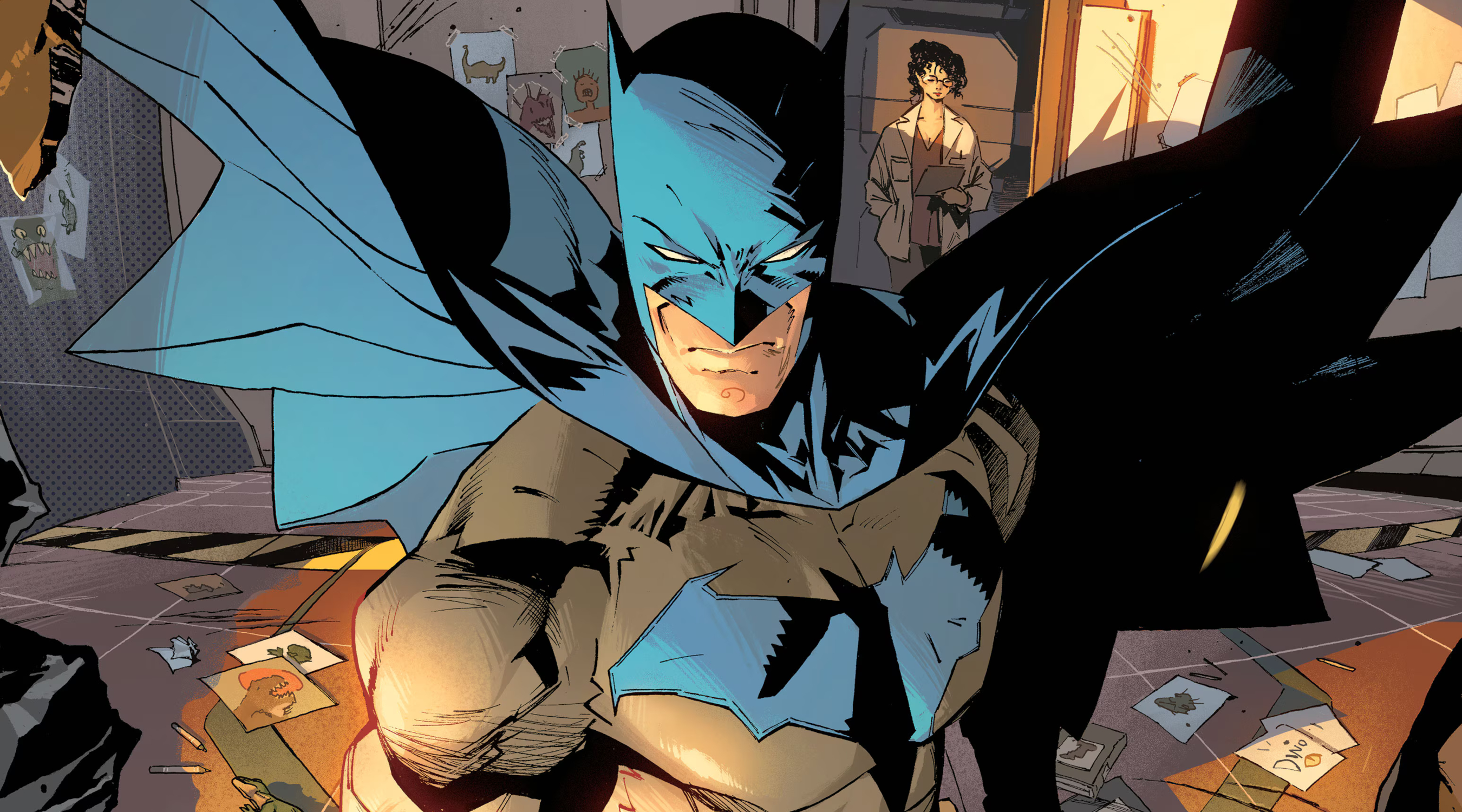
The latest issue of Batman (#1) features a single story by Matt Fraction and Jorge Jiménez. It centers on Batman’s pursuit of Killer Croc, who has escaped. During the chase, Batman rescues people and considers the insights of a new doctor at Arkham Towers, Annika Zeller. He questions whether Killer Croc is capable of rehabilitation or if everyone is destined to remain as they are. When Batman locates the villain, he finds Croc behaving more like a lost child than a fearsome monster, leading Bruce to offer comfort and acceptance. The issue concludes with Bruce receiving a distress call from Robin, who is in trouble with the Gotham City Police Department.
This new take on Batman is quite different from his very first appearance. The original issue focused on introducing Batman and his world to readers, while this one assumes you already know who he is. Instead, it’s more about establishing storylines for the future and showcasing this version of Gotham City, even ending with a cliffhanger. This issue builds on elements from previous Batman stories, like the character of Savage as Commissioner, and prioritizes building anticipation for what’s to come rather than providing immediate excitement like the original. Both issues, however, feature exceptional artwork from some of Batman’s most iconic artists.
Both versions of Batman share key traits, but also have distinct differences. The earlier Batman is portrayed as cheerful and enthusiastic, while the more recent depiction shows a weary hero, one who’s faced these challenges many times before. Despite these differences, both Batmans are fundamentally hopeful and dedicated to doing what’s right, even when facing difficult circumstances. Today’s Batman operates more independently, without Robin as a consistent partner, though he still feels the influence of those around him, like his memories of Alfred. Interestingly, the modern Batman is more open to learning, a contrast to the original version who often took on the role of teacher.
Despite changes in how Batman is portrayed over the years, his core identity remains consistent. He’s always been a hero dedicated to bringing peace to a hostile Gotham City, operating in the shadows so the city can thrive in the light. Whether you’re reading a classic or a modern story, it’s clear that the essence of Batman—the Caped Crusader—has endured for over eighty years and will likely continue to do so.
https://comicbook.com/comics/list/10-best-neal-adamss-covers-that-arent-batman/embed/#
Read More
- Adam Levine Looks So Different After Shaving His Beard Off
- After AI Controversy, Major Crunchyroll Anime Unveils Exciting Update
- Gold Rate Forecast
- Steam Makes Sci-Fi Game 100% Free for 72 Hours
- Tekken 8 Fans Furious as Tifa Tipped for Street Fighter 6 Instead
- Xbox Game Pass Users “Blown Away” by New Exclusive Game
- Dialoop coming to Switch on June 17
- From season 4 release schedule: When is episode 2 out on MGM+?
- Japan’s No. 1 Spring 2026 Anime Is the True Successor to an All-Time Great
- Why is Tech Jacket gender-swapped in Invincible season 4 and who voices her?
2026-04-24 19:12