There’s almost nothing worse for a movie than performing poorly at the box office. Even if critics love a film, it’s considered a failure if it doesn’t earn back its production costs. The entertainment industry knows this well – not every movie will be a hit.
Walt Disney Studios is famous for blockbuster hits like Marvel, animated classics, and Star Wars, but they’ve also produced some of the biggest box office failures ever. While Disney has a history of success, a few of their films performed so poorly they stand out as truly massive flops.
Fantasia 2000 Was an Undervalued Sequel to the Iconic Disney Film
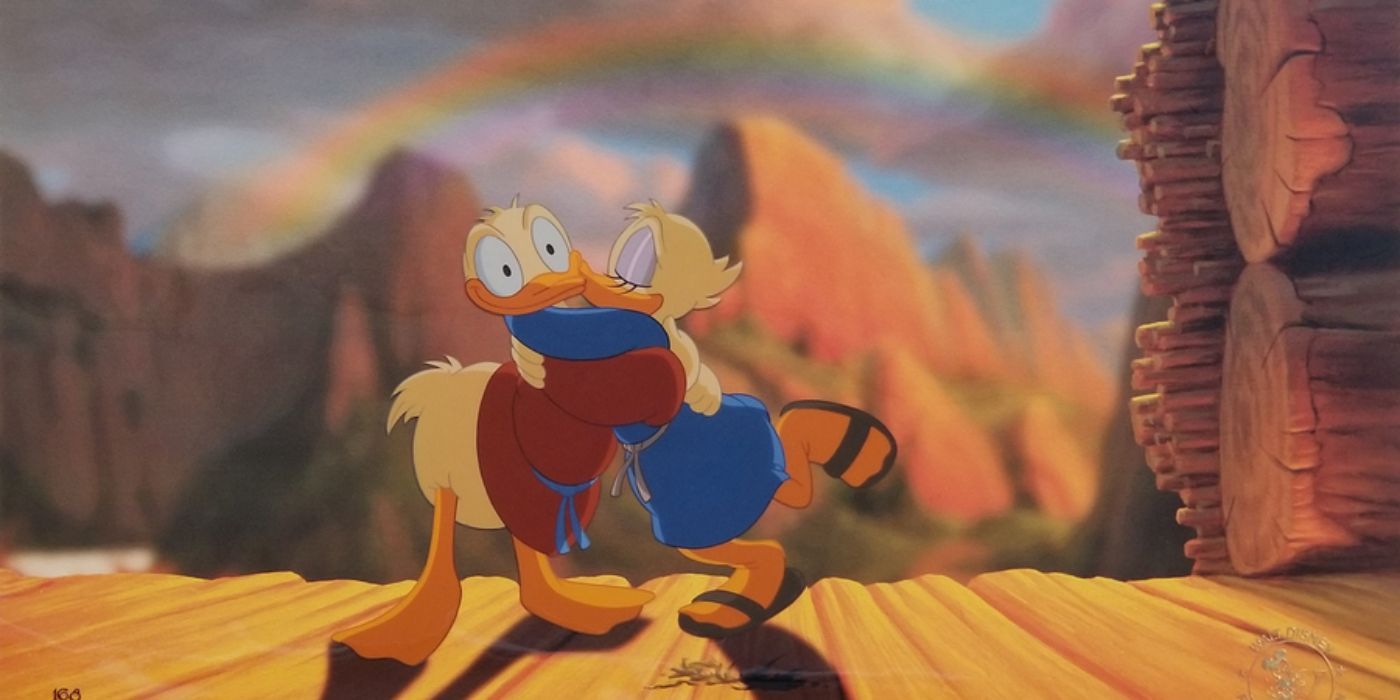
As a huge animation fan, I always get excited talking about Fantasia 2000. It’s the follow-up to Disney’s original Fantasia from 1940, and it’s done in a similar way – it’s basically a collection of animated shorts set to beautiful classical music. What’s really cool is they had famous actors introduce each segment, and they were genuinely funny, but honestly, the animation itself is what makes the movie so special.
Both Fantasia and Fantasia 2000 were critically acclaimed and are important parts of Disney’s legacy. While the original Fantasia was a major financial success, even considering it was released during World War II, Fantasia 2000 barely broke even, earning only $90.8 million worldwide. This was likely because its traditional animation style didn’t appeal to late 90s audiences, particularly children, who were used to different kinds of storytelling.
Home on the Range Was One of Disney’s Last Classic Animations
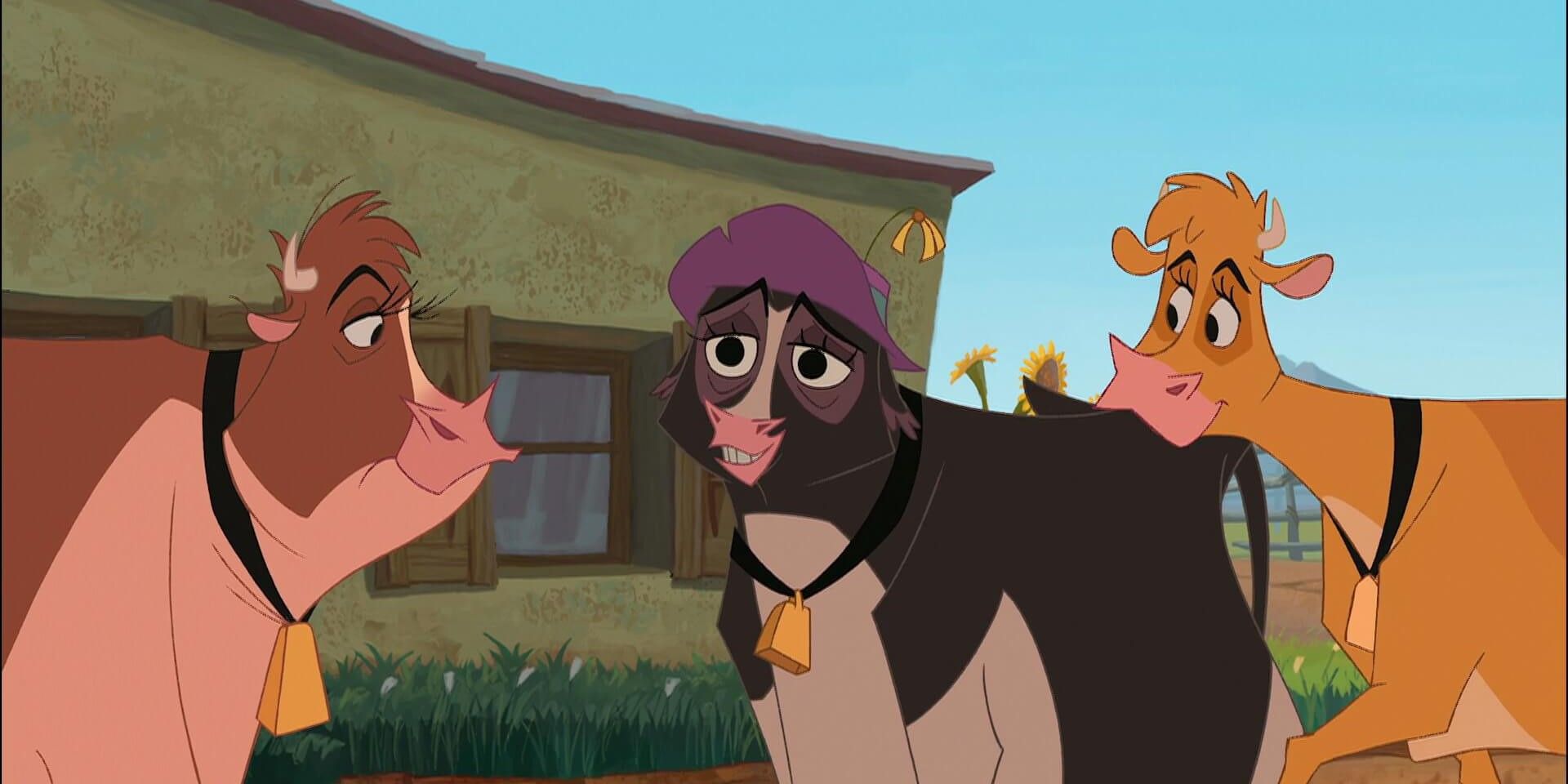
Despite being a charming and funny movie with a Western theme and great music, Home on the Range wasn’t successful when it came out. The story follows three unique dairy cows who try to save their farm by capturing a wanted criminal and collecting a $750 reward. Sadly, the film only earned $145.3 million worldwide and lost an estimated $75 million.
The main issue with Home on the Range is that it came out during Pixar’s peak. Audiences at the time were drawn to digital animation, vibrant visuals, and complex storylines. While Home on the Range likely would have been a hit in the 80s or early 90s, by 2004, its animation style and simple plot didn’t appeal as much. That same year saw the release of groundbreaking animated films like The Incredibles and The Polar Express, which set a new standard for the genre.
Atlantis: The Lost Empire Had Unfair Competition
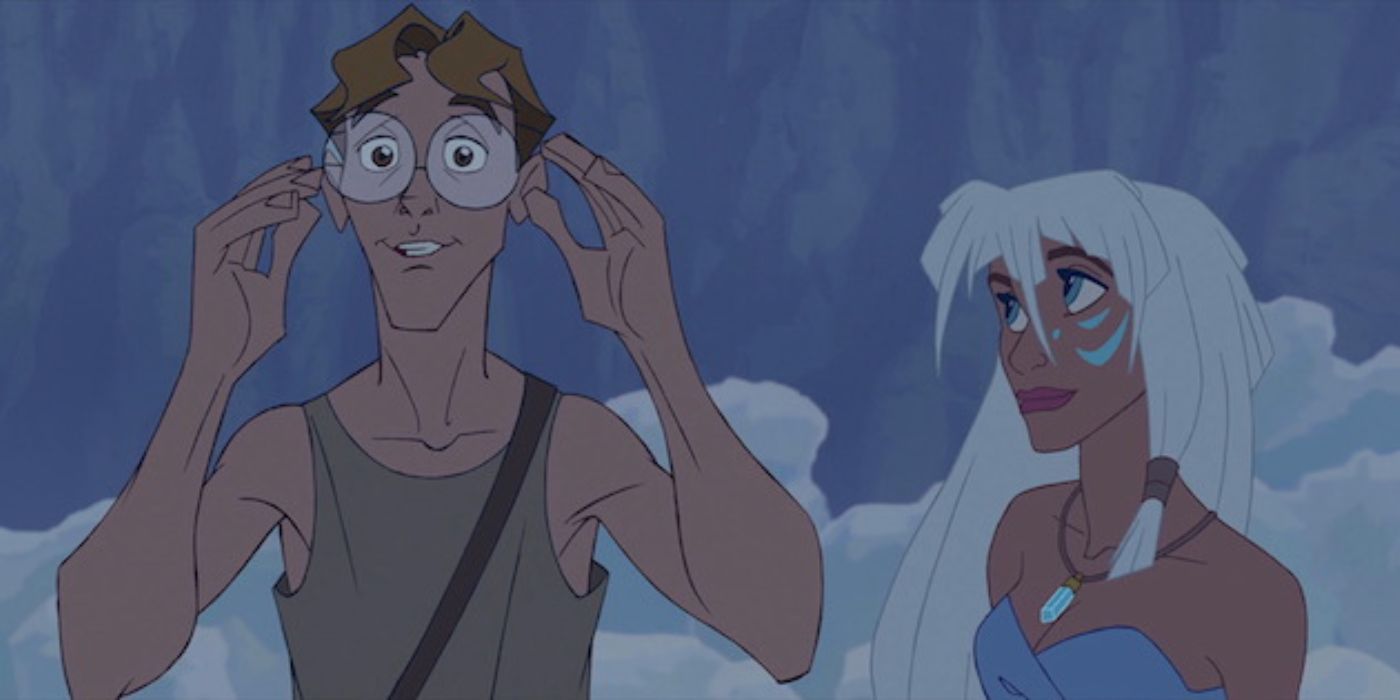
This animated film follows Milo’s journey to discover Atlantis and is a real treat for animation lovers. Interestingly, despite gaining a dedicated following and critical appreciation over time, Atlantis: The Lost Empire wasn’t successful at the box office when it first came out in 2001. It only earned $186 million worldwide, partly because it had to compete with major hits like Shrek, which went on to become a hugely popular franchise.
Disney was so disappointed with how Atlantis performed that they canceled several related projects, like a planned area for the movie in one of their parks and a sequel. Hopefully, renewed interest will eventually recognize Atlantis: The Lost Empire as one of Disney’s greatest films.
The Black Cauldron Almost Bankrupted Disney
Though inspired by Lloyd Alexander’s wonderful Chronicles of Prydain books, the film The Black Cauldron didn’t quite live up to its potential. Rooted in Welsh mythology, the story centers on a band of heroes trying to defeat the villainous Horned King. The film had great source material, a strong fantasy setting, and consistent visuals, but Disney trimmed several darker scenes, which ultimately left the movie feeling disjointed.
Despite not being a huge success, The Black Cauldron was a groundbreaking film for animation. It introduced several innovations, including Dolby sound and the first use of computerized animation. With a budget of $44 million – a large sum for an animated film at the time – it pushed creative boundaries. Though reviewers generally liked the film’s sound, music, and visual style, many felt the story and characters weren’t fully developed.
The Good Dinosaur Wasn’t Much of a Roar
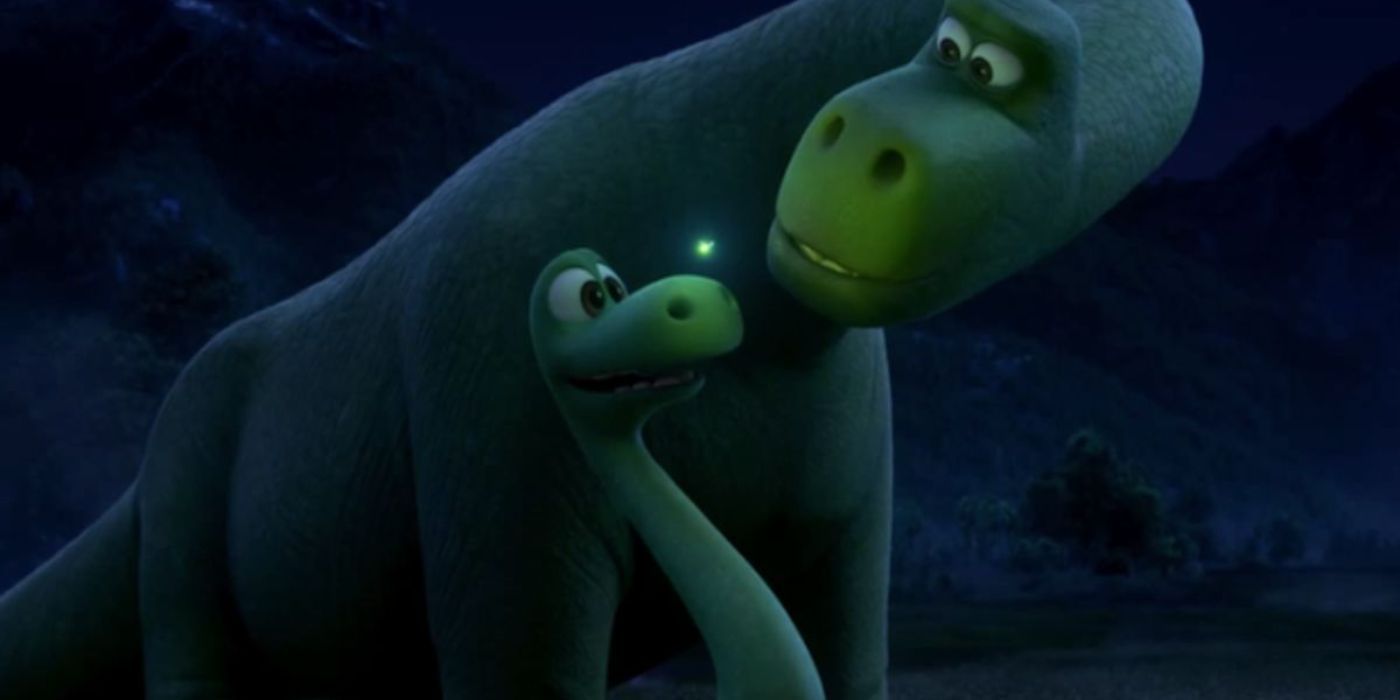
Pixar, famous for its excellent animated films, faced a setback in 2016 with The Good Dinosaur. This sweet but fairly predictable movie tells the story of Arlo, a young dinosaur separated from his family, and his journey home. Along the way, he meets various dinosaurs – some friendly, and others dangerous.
Compared to Pixar’s successful film Inside Out from the same year, The Good Dinosaur didn’t fare as well. While the movie wasn’t great, expectations were high because it came from Pixar, leading to harsh criticism when it didn’t meet them. Negative reviews and a lack of buzz resulted in a worldwide gross of $333 million – a respectable amount, but not enough to cover the film’s $187 million production cost, making it a financial disappointment.
Not a Creature Scurried to See a Christmas Carol
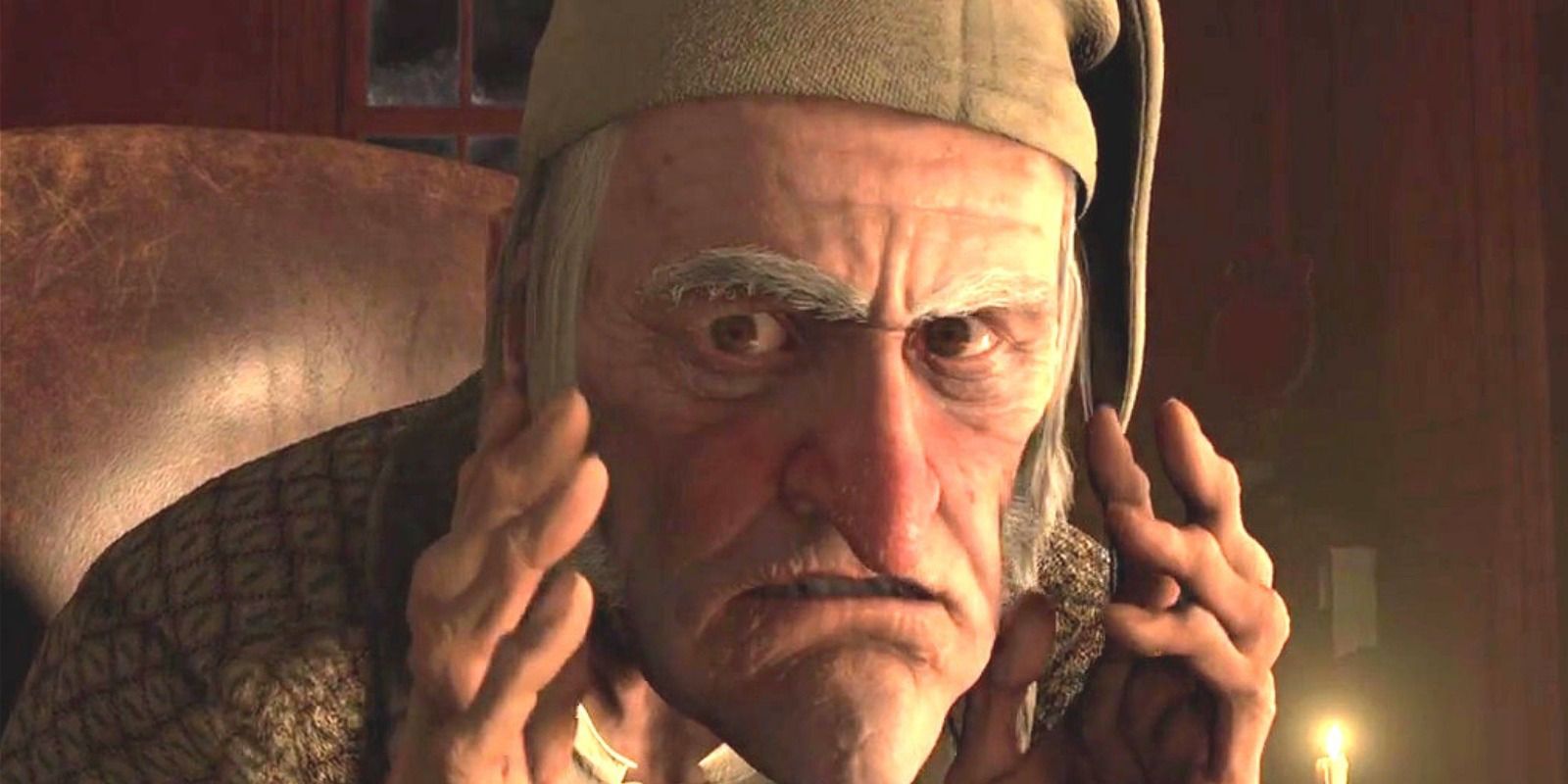
Robert Zemeckis wrote and directed the animated film A Christmas Carol, which was based on the classic story. It was his third movie to use motion capture technology, following The Polar Express and Beowulf. However, by 2009, audiences and critics were starting to tire of this animation style.
Although Jim Carrey and Gary Oldman gave strong performances, the movie A Christmas Carol wasn’t a big success. Critics found it too gloomy, the story felt disorganized, and the special effects weren’t always convincing. Despite being based on a beloved tale, the film lost about $65 million in theaters worldwide.
Solo: A Star Wars Story Shook Faith in the Franchise
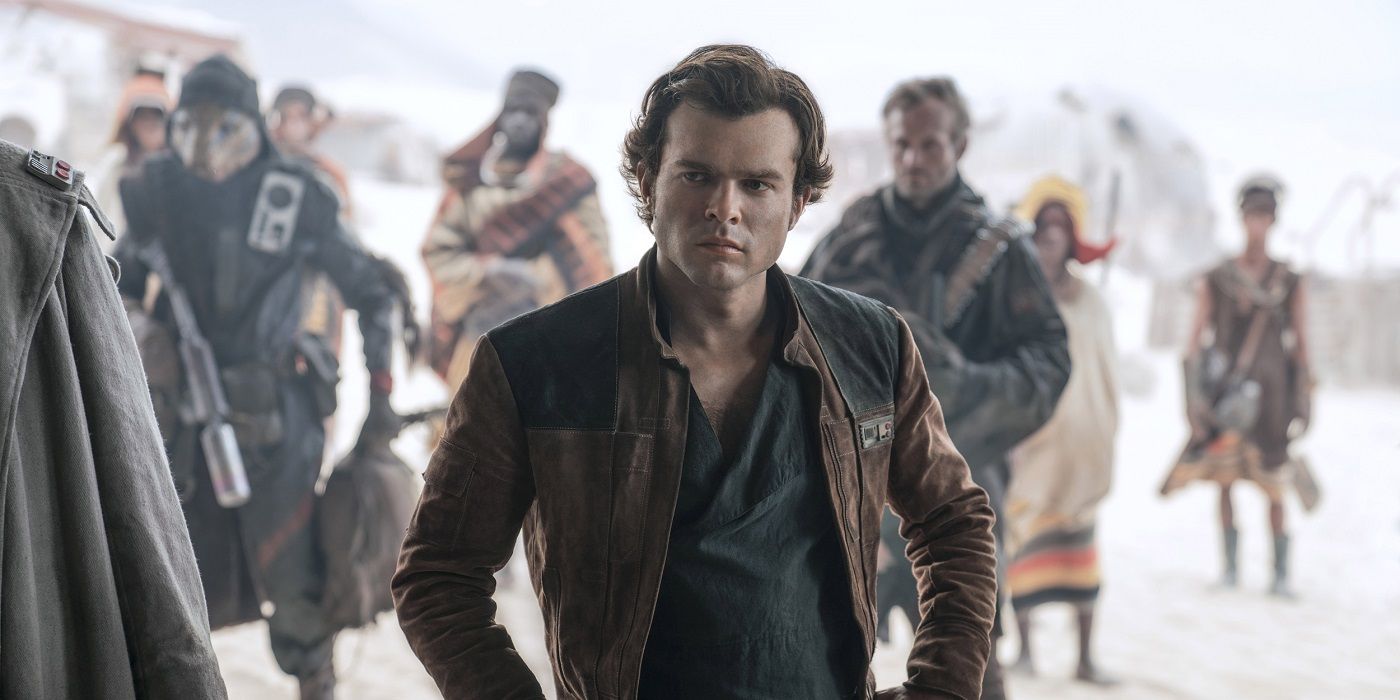
When Disney acquired Lucasfilm in 2012 for $4.05 billion, they quickly began planning new Star Wars movies to capitalize on their investment. While The Force Awakens and Rogue One: A Star Wars Story were successful, the franchise’s winning streak didn’t continue. The film Solo: A Star Wars Story didn’t perform as well as hoped. Although it earned $393 million worldwide—a good result for many spin-off films—it wasn’t enough to cover its large $330 million production cost.
The disappointing performance of Solo likely stemmed from a number of issues. A major problem was its extremely high production cost, making it difficult to earn a profit. The film also faced significant challenges during production, including a major change in creative direction that worried many involved. Released shortly after the divisive Star Wars: Episode VIII — The Last Jedi, Solo caused some fans to boycott it. These factors all contributed to the lowest box office numbers in the Star Wars franchise’s history.
A Wrinkle In Time Was a Disappointing Adaptation

Beginning in the early 1960s, this story centers around a team of young heroes who leave their galaxy to fight a powerful darkness that could wipe out everything they hold dear.
Despite being directed by the promising Ava DuVernay and featuring a fantastic cast including Oprah Winfrey, Chris Pine, Reese Witherspoon, Mindy Kaling, and Zach Galifianakis, A Wrinkle in Time didn’t perform as well as expected. While it earned $133 million globally, mixed to negative reviews ultimately led to a loss of around $63 million.
The BFG Went Largely Unnoticed
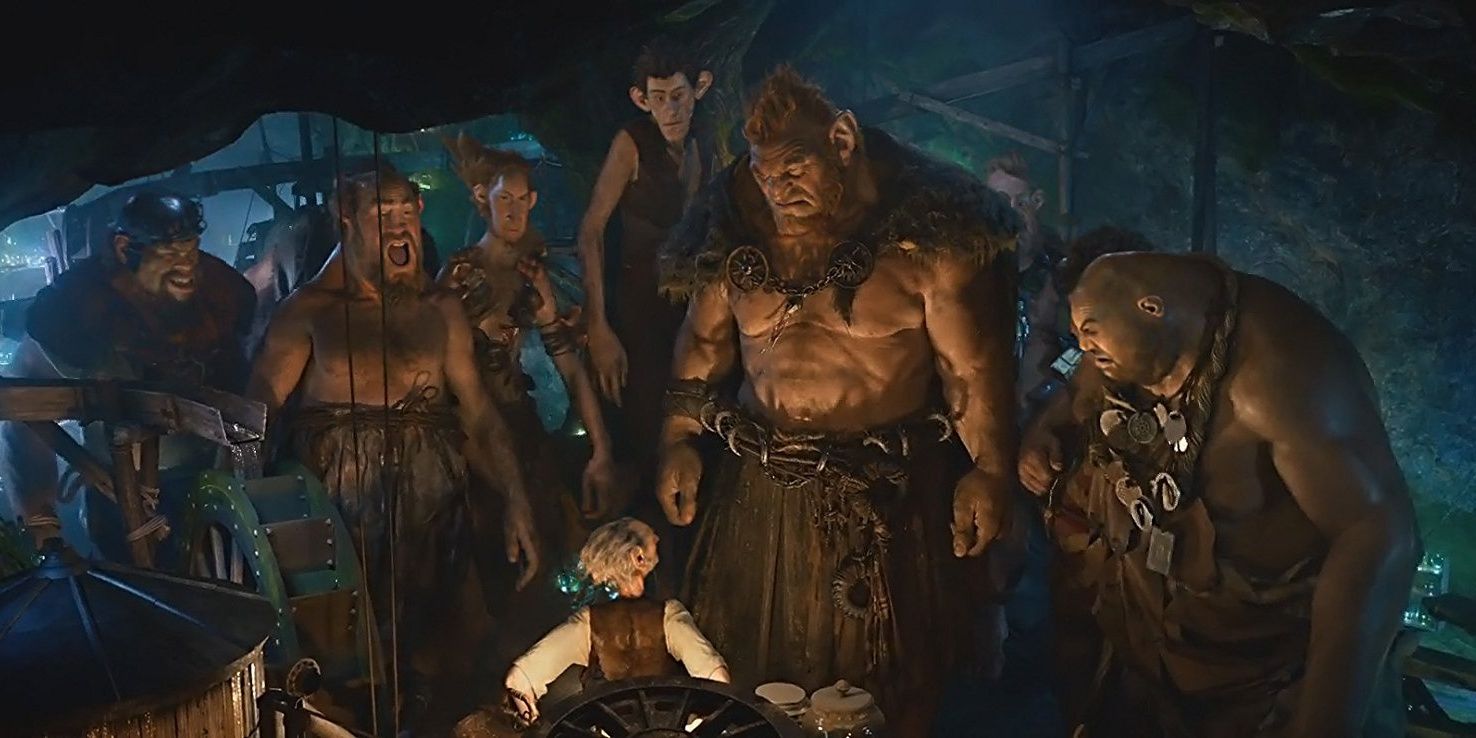
Inspired by Roald Dahl’s beloved book, the story centers on Sophie, a young girl who discovers a magical world inhabited by giants. She teams up with a friendly giant named Runt to stop the others from invading Earth.
Despite being a big-budget film, The BFG didn’t resonate with most moviegoers. It lost around $81 million and earned only $199 million worldwide. As a result, the film quickly faded from public memory, becoming largely forgotten just a few years after it came out.
Raya and the Last Dragon Had Very Poor Timing
Inspired by the cultures of Southeast Asia, this movie tells the story of Raya, a strong young woman on a quest to find a dragon and save her community. The film was well-received by both viewers and critics, thanks to its inspiring main character, witty humor, and stunning visuals. However, its box office performance was limited due to the COVID-19 pandemic.
Originally planned for release in November 2020, Raya and the Last Dragon was delayed by the COVID-19 pandemic and theater closures. It finally premiered in March 2021, both in some theaters and on Disney+, but only earned $116 million. While it was a popular streaming film in 2021, Raya and the Last Dragon didn’t make as much money as expected, given its high production costs.
Read More
- Marvel Officially Confirms Deadpool’s Most Brutal Redesign
- The Boys Season 5, Episode 5 Ending Explained: Why Homelander Does THAT
- Gemma Arterton spy thriller Secret Service based on hit novel gets release date confirmed on ITV
- ‘You Can Play Your Purchased Games As Usual’: Sony Breaks Silence on PS5, PS4 Game Expiry DRM
- After 11 Years, Black Clover Officially Ends With Final Release (& Crowns a New Wizard King)
- Invincible Creators Offer Promising Update on Season 5 Release Date
- 10 Movies That Were Banned in Different Countries For Random Reasons
- Gold Rate Forecast
- 10 Best Shonen Anime With Adult Protagonists
- PS5 Console Exclusive Game Officially Shuts Down in 24 Hours and Will Be Forever Unplayable
2026-05-03 03:40