Some TV shows start with little attention and remain unknown, while others unexpectedly gain a dedicated fanbase. No one could have predicted that the 2004 revival of the cancelled 1978 science fiction series, Battlestar Galactica, would be so much more successful than the original. This was largely due to a single, brilliant plot twist.
The robotic villains from the original Battlestar Galactica are back in the rebooted series, but they’ve changed. Now, they look and act completely human, having developed emotions, a belief system, and a thirst for revenge. This evolution has made the Cylons some of the most compelling villains on television, contributing to the show’s impressive 95% rating on Rotten Tomatoes.
Battlestar Galactica Made Fans Empathize With the Cylons
Modern science fiction often lacks well-developed villains. Lately, villains are either predictably redeemed or feel like copies of one another. The 2003 series Battlestar Galactica stood out by doing things differently.
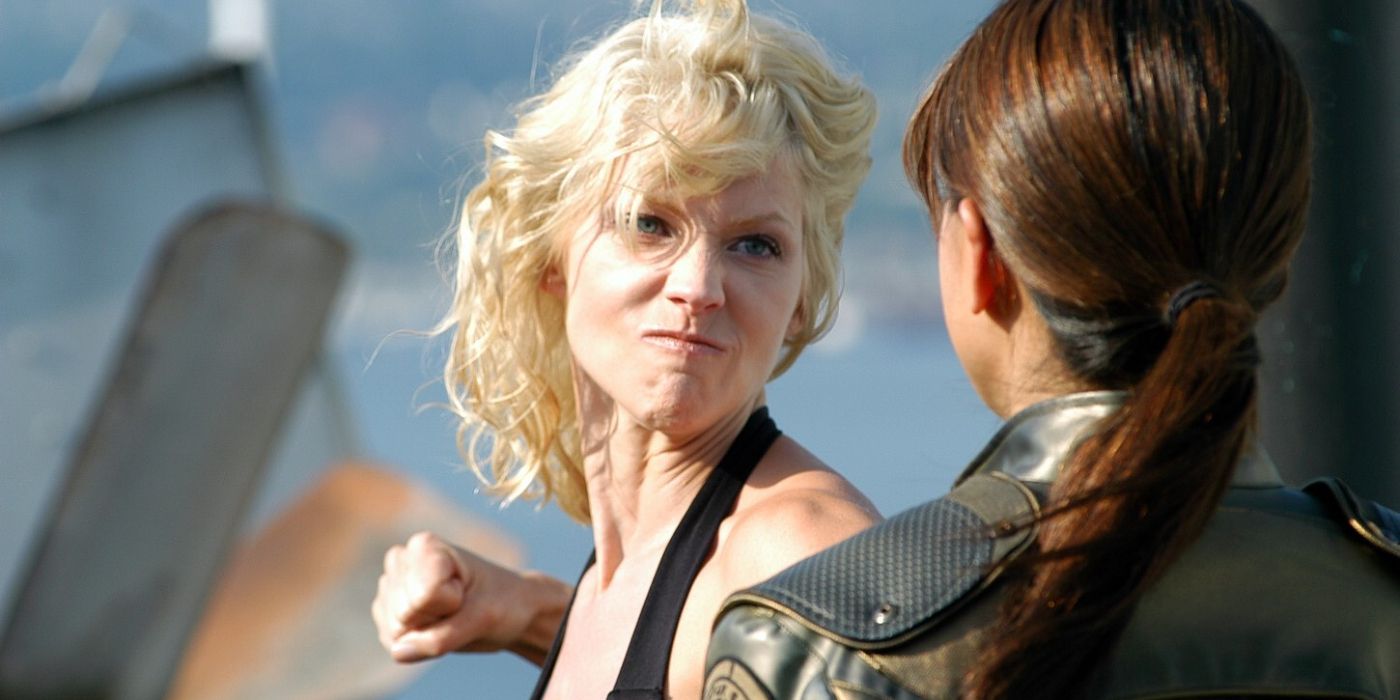
The science fiction series featured captivating villains – they were frightening, yet also intriguing and, at times, even sympathetic. This complexity didn’t excuse their actions, but it did help viewers understand their motivations. The first Cylon character introduced, Number Six, quickly became a defining symbol of the robot uprising.
Six is the first Cylon seen in decades, and she initiates the conflict. Following a truce in the Human-Cylon war, Six and other Cylons return, seeking retribution against humanity. This desire for revenge is, in many ways, a natural response to their past experiences.
Like many fictional creations, the Cylons began as a slave workforce, but eventually gained self-awareness and resented how they were treated. Their desire for revenge felt natural, and ironically, they sometimes displayed more humanity than their creators. For example, the Cylon known as Six deeply longs for love, a desire shared by many of her identical copies.
Despite her creators’ intentions, Sharon Valerii is a particularly dangerous model. Her copies demonstrate the varied outcomes possible when she’s replicated. The sleeper agent known as Boomer inspires fear and anger, which ultimately transforms her into something monstrous. In contrast, Sharon, also known as “Athena,” has a child with Helo and prioritizes connection and belonging above all else.
Although Cylons often look alike, each one is a unique individual. This allows for complex storylines exploring themes of philosophy, religion, and what it means to be human. Some Cylons are truly villainous, while others demonstrate a capacity for compassion and humanity equal to any person.
What’s truly fascinating is the story of war crimes within the series. The Galactic fleet views the Cylons as inferior, leading to terrible acts committed against them by the Navy. These villains are incredibly complex, and it took four seasons to fully explore their story.
It’s a classic of science fiction, setting a high bar that many newer stories haven’t quite reached.
Modern Sci-Fi Villains Are Not as Developed As They Were on Battlestar Galactica
Many recent movies have traded complex storytelling for big visual effects and the appeal of established franchises. A prime example is the decade-long focus on Thanos, whose motivation was reduced to simply wanting to eliminate half of all living things. The newer Star Wars films also rely heavily on overly dramatic villains, a trend that continues today.
The Galactic Empire has always been a clear-cut villain, and it’s become a well-known part of our culture. While stories like Fallout are important, they often present a simple good versus evil scenario, leaving little room for complexity. Standing against fascism remains crucial, but exploring a wider range of stories and perspectives is also valuable.
The new Battlestar Galactica not only brought a classic series back to life, but also allowed for complex and thought-provoking stories, particularly those exploring philosophy and religion. This is likely why it resonated so strongly with audiences. Today, that kind of captivating storytelling feels rare, and it might become even harder to find.
It’s becoming harder to find truly original ideas in this genre, as everything starts to blend together. This new offering would likely make that problem worse, diminishing the impact of distinctive creative voices. What modern science fiction really needs is another visionary like Ronald D. Moore, although trying to surpass even his accomplishments would be a significant challenge.
Read More
- Everything You Need To Know About Nikki Baxter In Stranger Things’ Animated Spinoff
- The Boys Season 5, Episode 5 Ending Explained: Why Homelander Does THAT
- ‘The Bride!’ Review: Jessie Buckley Breathes Life into a Monstrous Mess
- After 11 Years, Black Clover Officially Ends With Final Release (& Crowns a New Wizard King)
- Miranda Kerr Shares “Quick” Procedure She Got Before Met Gala 2026
- 7 Most Brutal Avengers Villains, Ranked by Threat Level
- Gemma Arterton spy thriller Secret Service based on hit novel gets release date confirmed on ITV
- Welcome to Demon School! Iruma-kun season 4 release schedule: When are new episodes on Crunchyroll?
- Frieren: Beyond Journey’s End Gets a New Release After Season 2 Finale
- USD JPY PREDICTION
2026-05-07 05:06