
Valinor, known as the Undying Lands, is a significant location in The Lord of the Rings, both in J.R.R. Tolkien’s books and Peter Jackson’s films. The ending of The Return of the King, where Frodo, Gandalf, and several elves—including Elrond and Galadriel—sail to Valinor, and Arwen chooses to remain in Middle-earth, are crucial parts of the story.
There are still some puzzling aspects of Tolkien’s world, both in the Lord of the Rings movies and in the original books. Even with the extended editions totaling almost 12 hours, the films couldn’t include every detail. And even within Tolkien’s writing itself, certain things about the land of Valinor remain unclear. Here are five of the most important inconsistencies.
The Other Wizards Don’t Get To Go To Valinor
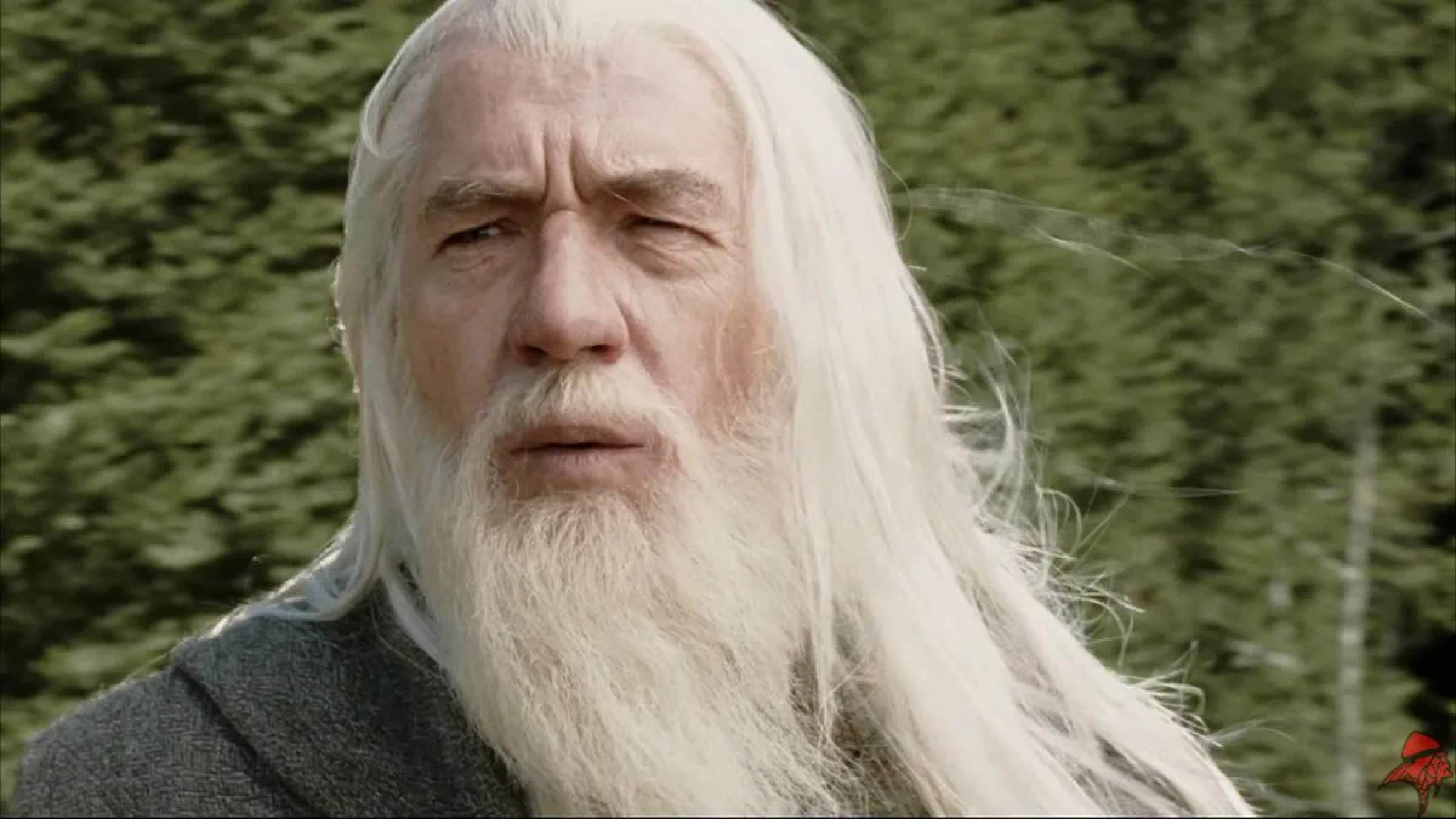
While Gandalf and Saruman are the most famous wizards from The Lord of the Rings, especially for movie fans, Tolkien’s stories include other wizards as well, such as the Blue Wizards and Radagast the Brown. Considering Saruman became corrupted by evil, it’s understandable why he wasn’t allowed to go to Valinor.
It’s odd that the books don’t say anything about the other wizards traveling to the Undying Lands, especially considering Valinor was where all the wizards originally came from. While the fate of the Blue Wizards and Radagast isn’t explained, and they could have gone to Valinor, the available information doesn’t confirm that they did.
Arwen Couldn’t Enter Valinor

A key part of the story in The Lord of the Rings is Arwen, Elrond’s daughter, choosing to give up immortality and live a human life so she can be with Aragorn. We also see their son in The Return of the King, which further solidifies Arwen’s decision to remain in Middle-earth.
In the end, Arwen chooses to remain in Middle-earth with Aragorn. As her father, Elrond, foresaw, she outlives him by many years. Surprisingly, even after Aragorn’s death, she isn’t allowed to journey to the Undying Lands. Though she willingly embraced a mortal life, which normally prevents entry, it feels unfair that she wasn’t granted an exception, especially considering Samwise Gamgee was permitted to enter Valinor.
The Rules Of Entering Valinor Are Repeatedly Broken
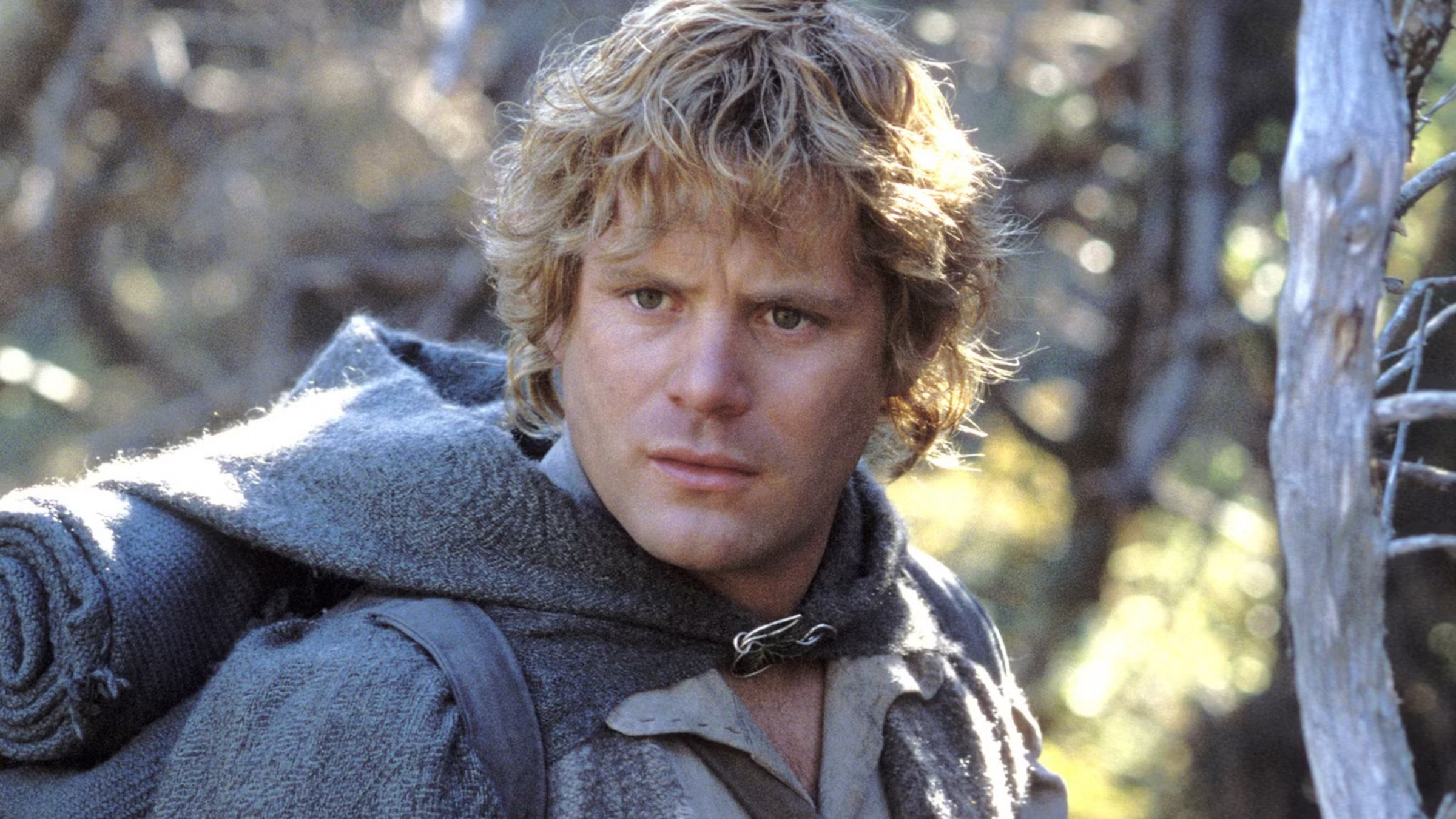
As we know, Samwise eventually travels to Valinor, joining Frodo, Bilbo, and Gandalf who went there after the events of The Return of the King. This is unusual because normally, humans weren’t allowed to enter the Undying Lands—as was the case with Arwen. While exceptions were understandable for Frodo and Bilbo, given their immense suffering and vital roles in defeating Sauron, Samwise’s entry is a bit of a surprise.
The idea is that Sam also qualified as a Ring-bearer because he briefly carried the One Ring, thinking Frodo was dead. Although this was a tough time for him and he certainly helped defeat Sauron, it seems strange that such a short period with the Ring was enough to grant him an exception. Even more surprisingly, Gimli also apparently sailed to Valinor, and the books don’t explain how or why. It’s clear the rules for entering Valinor were bent on multiple occasions, which is quite unusual.
Being In Valinor Won’t Solve All Of Frodo’s Problems

In the final scenes of The Return of the King, Frodo saddened his fellow hobbits (and many viewers) by announcing his departure from Middle-earth. He was leaving with Bilbo and Gandalf to travel to the Undying Lands. The films make it clear this decision stems from the immense pain Frodo endured during and after his journey to destroy the One Ring. Considering the lasting impact of his experiences – he was fundamentally changed and could never truly return to his former self – this outcome feels justified.
While going to the Undying Lands would have offered Frodo peace and rest, it wouldn’t have magically erased the trauma he suffered. Tolkien shows that his wounds, both mental and physical, would have remained, and he wouldn’t have forgotten his experiences. Though a better option than staying in Middle-earth, the movies often portray this journey as a complete fix for Frodo, which isn’t accurate to the story.
Valinor Is Treated Like A Utopia, But It Isn’t Perfect

While often shown as a perfect paradise, especially in the films, the world of Valinor in The Lord of the Rings actually had its problems. For instance, the Two Trees of Valinor – a source of its light and life – were destroyed by the evil beings Melkor (Morgoth) and Ungoliant in an event known as the Darkening of Valinor.
This incident demonstrates that Valinor wasn’t a flawless paradise free from all hardship. Tolkien intentionally portrayed the Undying Lands as complex, but the films largely ignore this nuance, presenting Valinor as a perfect utopia, likely due to time constraints.
Read More
- FRONT MISSION 3: Remake coming to PS5, Xbox Series, PS4, Xbox One, and PC on January 30, 2026
- Best Controller Settings for ARC Raiders
- Mark Zuckerberg & Wife Priscilla Chan Make Surprise Debut at Met Gala
- Meet the cast of Good Omens season 3: All the actors and characters
- Welcome to Demon School! Iruma-kun season 4 release schedule: When are new episodes on Crunchyroll?
- The Boys Season 5 Officially Ends An Era For Jensen Ackles’ Soldier Boy
- 7 Great Marvel Villains Who Are Currently Dead
- Nippon Sangoku Is The Best New Post-Apocalyptic Anime of Spring 2026
- Wistoria: Wand and Sword Season 2 release schedule: When are new episodes out?
- Khloe, Kourtney Kardashian Call Out Kylie Jenner for Mother’s Day Post
2026-05-17 17:10