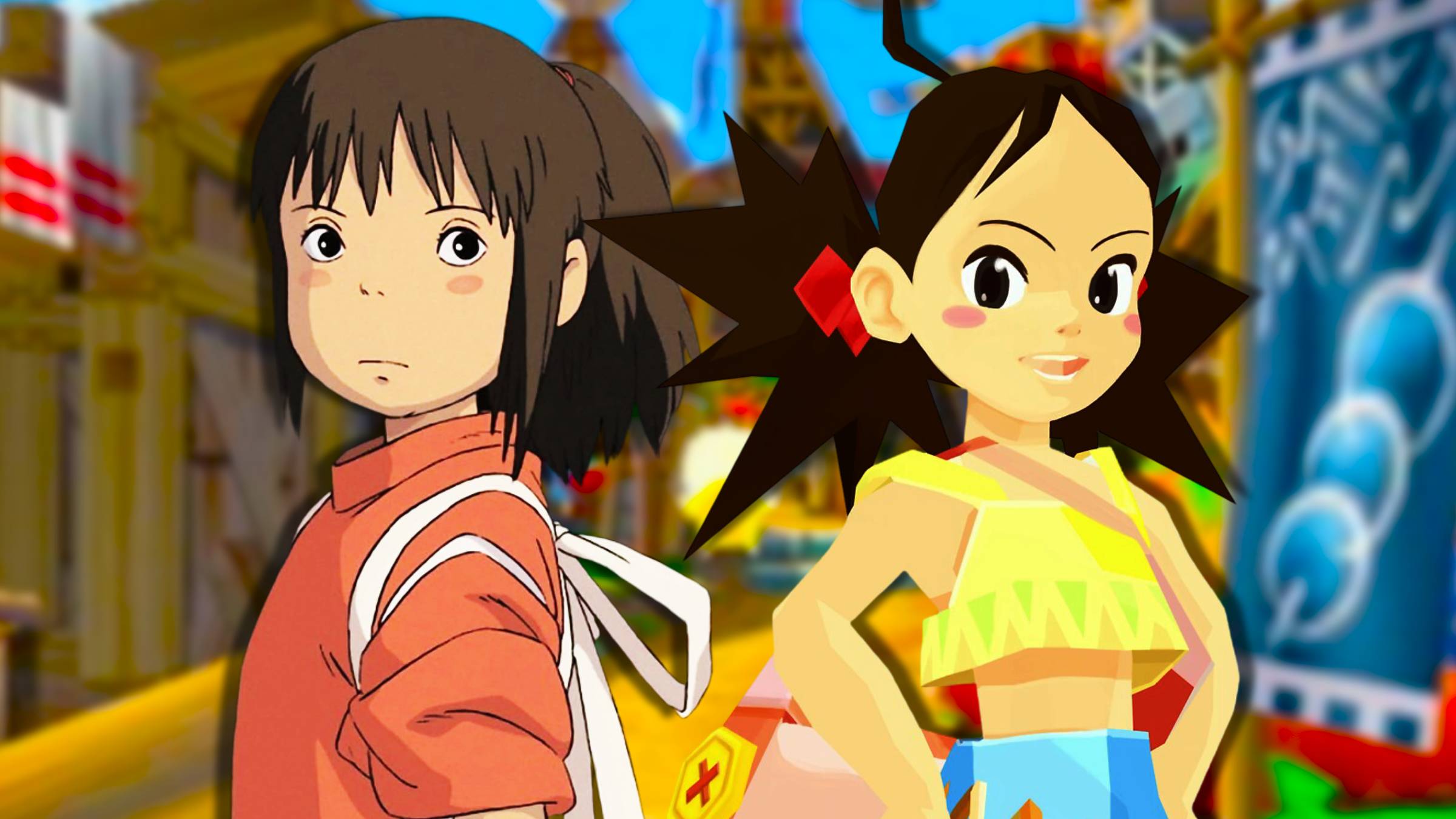
I’ve been a huge Studio Ghibli fan for years – films like My Neighbor Totoro and Spirited Away are amazing, and Castle in the Sky will always be my absolute favorite! But you probably know they aren’t really known for making video games. Lots of games look like they were inspired by Ghibli’s beautiful style and stories, but Ghibli themselves didn’t actually make them. Still, there are a few games they did work on – one became really popular and got tons of praise, and the one I want to talk about today is a bit of a hidden gem, sadly mostly forgotten now.
The first game I want to mention is the wonderful Ni No Kuni: Wrath of the White Witch, which benefited greatly from direct animation work by Studio Ghibli. Although the sequel is arguably a superior game and a standout JRPG, Studio Ghibli itself wasn’t involved in its creation—though some staff who worked on the original Ni No Kuni did return. However, neither of those games is the Pokémonstyle RPG I’m thinking of. Instead, I’m referring to the often-overlooked PlayStation 2 title, Magic Pengel: The Quest for Color*, which remains one of the most imaginative and fun creature-collecting games ever made.
Magic Pengel: The Quest For Color Is Studio Ghibli’s Attempt At Pokémon
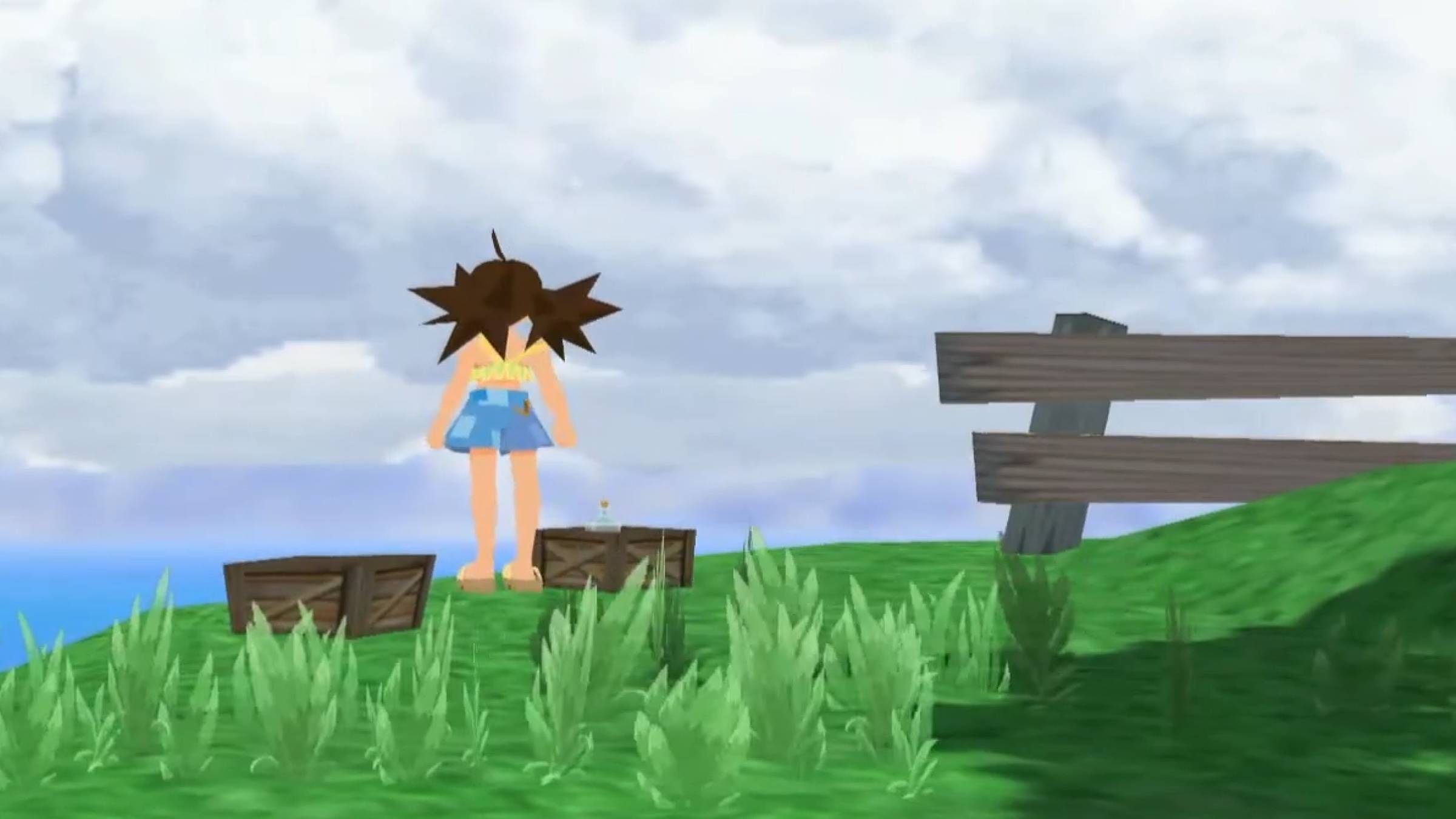
Magic Pengel: The Quest for Color is a role-playing game for the PlayStation 2, developed by the relatively unknown Garaukta-Studio (who also made its sequel, Graffiti Kingdom). What made Magic Pengel unique was its ability to let players draw their own creatures, similar to Pokémon, and then battle them. The creatures’ stats were slightly improved by the different body parts and colors you chose, adding a layer of strategy to their design. Like Pokémon, the game featured a wide variety of unique moves, preventing battles from becoming simple matchups. Despite being a short and small-scale game, Magic Pengel: The Quest for Color has enough interesting ideas and gameplay to be considered one of the best JRPGs ever made – and it’s definitely very underrated, deserving of more recognition.
One of the game’s most impressive features is the ability to design your own creatures, called Doodles. The system works remarkably well – you can essentially draw anything you imagine, and the game will bring it to life with simple animations. The story features a memorable cast of characters that feel inspired by Studio Ghibli films, especially Zoe, who embodies the strong female lead often seen in Miyazaki’s work. The soundtrack is also outstanding, created by Zuntata, Taito’s in-house band. The song “Form of Energy” is bursting with energy and happiness, while “People Cannot Stop” captures the emotional depth of Ghibli’s most poignant moments. If you do one thing after reading this, please listen to these tracks – they are truly beautiful and heartwarming.
Studio Ghibli’s role in the game, similar to their work on Ni No Kuni, centered around the animation. They created the final animated cutscene showing Zoe starting her journey, and many Ghibli veterans contributed to the animation, including Hideki Hamasu, Osamu Tanabe, and Masashi Ando. Yoshiharu Satō, who previously designed characters for My Neighbor Totoro and animated on numerous Ghibli films up to The Secret World of Arrietty, served as the game’s art director. He later worked as art director for Graffiti Kingdom and character designer for the DS game LostMagic, which was published by the same company as Magic Pengel, Taito, and included characters from that game. Besides Ghibli, GAINAX – famous for Neon Genesis Evangelion and Gurren Lagann – and long-time Ghibli partner Anime Torotoro also contributed to the animation.
Although its role was relatively small, the influence of Studio Ghibli is clear throughout the game. Magic Pengel, even more than Ni No Kuni, truly captures the feeling of a Ghibli film. It focuses on themes like imagination, childhood wonder, the importance of family, and a harsh government trying to stifle people’s creativity – classic Ghibli territory. The game isn’t just inspired by Ghibli; it genuinely feels like you’re inside one of their movies, which is a special experience.
The World Needs More Studio Ghibli Video Games

Unfortunately, Magic Pengel: The Quest for Color didn’t get a wide release in North America or Japan, which is likely why most people haven’t heard of it. While it did well enough to get a follow-up game, Graffiti Kingdom only kept the “Doodle” feature. It shifted to more action-focused gameplay and lost some of the original game’s unique appeal. Graffiti Kingdom isn’t a bad game, but it doesn’t quite capture the same magic as Magic Pengel. Aside from that, Ni No Kuni and Jade Cocoon: Story of the Tamamayu (which didn’t directly involve Ghibli, though it featured Katsuya Kondō, a character designer from Kiki’s Delivery Service and other Ghibli films), there aren’t many other games officially connected to the Ghibli studio.
It’s not very surprising that Ghibli hasn’t made another big video game. Hayao Miyazaki doesn’t like video games, especially after a poor adaptation of his film Nausicaä, and he generally isn’t a fan of technology. Getting his approval for any game would be difficult. Also, when Miyazaki briefly retired, Ghibli underwent major changes, which Akihiro Hino (founder of Level-5) suggested was why they didn’t continue with Ni No Kuni 2, as he told Kotaku. Even though Miyazaki is back at work, it’s hard to believe video games are a priority for him, so it’s unlikely Ghibli will create another major game title in the future.
As mentioned earlier, many games take cues from Studio Ghibli, whether it’s in how they look, the stories they tell, or even specific plot elements. For example, much of Final Fantasy VII feels inspired by Ghibli, with its airships and focus on themes like protecting the environment and ancient princesses. While it would be amazing to see Studio Ghibli create another video game like Magic Pengel: The Quest for Color, that seems unlikely. So, I’m happy to see indie and larger games continue to draw inspiration from their work. If you’re looking for games with a similar feel, I recommend checking out Hoa, Europa, Mika and The Witch’s Mountain, Forgotten Anne, Neva, and Spirittea. Alternatively, you could try to find a copy of Magic Pengel: The Quest for Color and experience it for yourself.
Read More
- FRONT MISSION 3: Remake coming to PS5, Xbox Series, PS4, Xbox One, and PC on January 30, 2026
- Best Controller Settings for ARC Raiders
- Mark Zuckerberg & Wife Priscilla Chan Make Surprise Debut at Met Gala
- Meet the cast of Good Omens season 3: All the actors and characters
- Welcome to Demon School! Iruma-kun season 4 release schedule: When are new episodes on Crunchyroll?
- The Boys Season 5 Officially Ends An Era For Jensen Ackles’ Soldier Boy
- 7 Great Marvel Villains Who Are Currently Dead
- Nippon Sangoku Is The Best New Post-Apocalyptic Anime of Spring 2026
- Wistoria: Wand and Sword Season 2 release schedule: When are new episodes out?
- Khloe, Kourtney Kardashian Call Out Kylie Jenner for Mother’s Day Post
2026-05-17 19:14