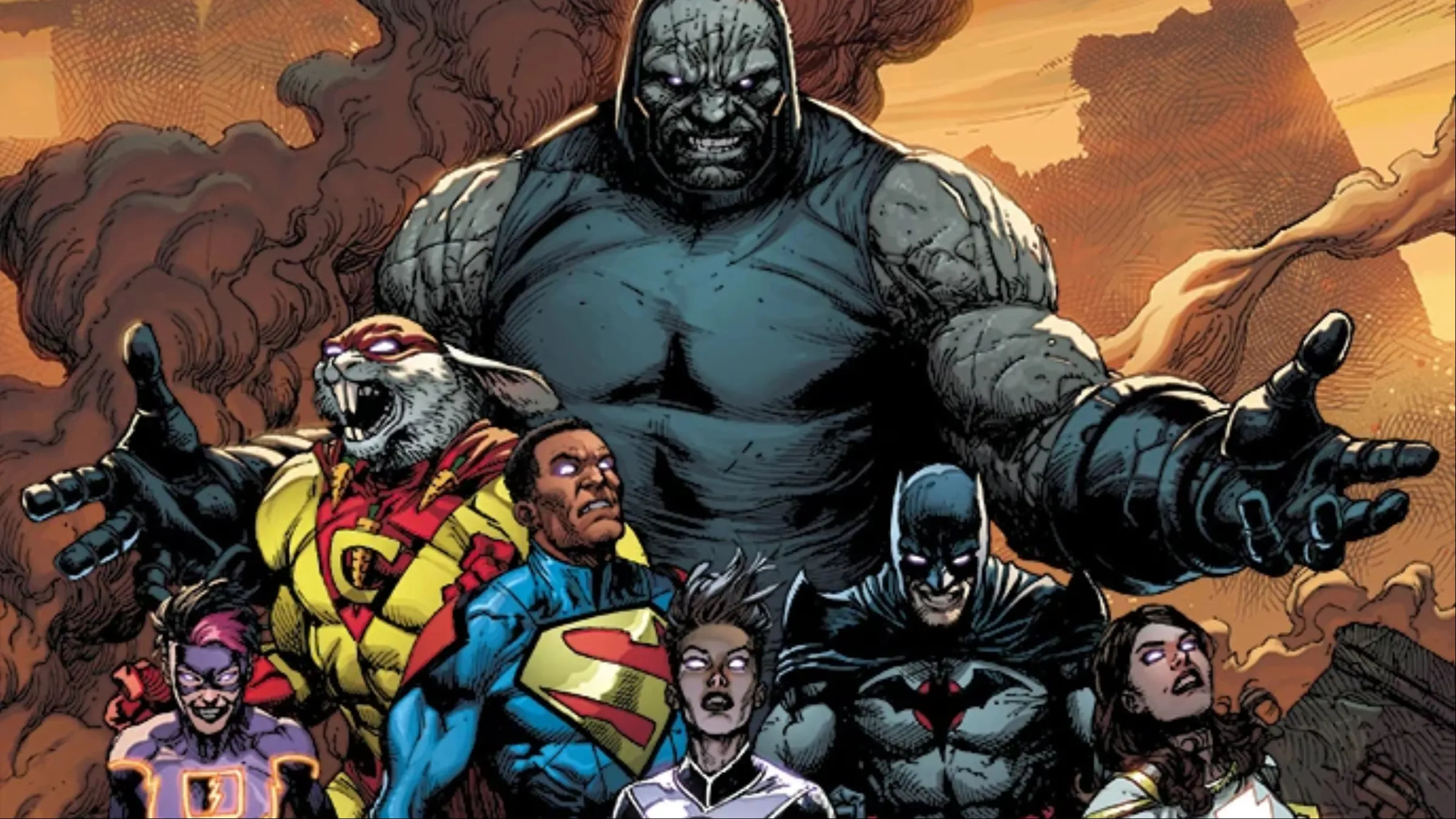
DC Comics has been incredibly successful in 2025 and 2026, and it all began with the ‘Absolute‘ line of comics. These aren’t the large collections DC has been releasing for years (though those are great too!), but a specific series of comics. This new DC Universe is ruled by Darkseid, resulting in a dark and distorted Earth where heroes are controlled by villains. The ‘Absolute DC’ series has been fantastic, featuring top creators reimagining beloved heroes. While many fans believe it started with the excellent DC All-In #1, the groundwork was actually laid years earlier in two overlooked stories.
DC’s recent publishing push, called All-In, follows directly from the previous initiative, Dawn of DC, which ended with the Absolute Power storyline. This came after Dark Crisis on Infinite Earths, a surprisingly good event that brought back the classic idea of a vast, infinite multiverse – though it didn’t get the recognition it deserved. Dark Crisis was built upon two earlier miniseries, Infinite Frontier and Justice League Incarnate, which were essential for creating the foundation of what would become the Absolute Universe. While fans were initially critical of these miniseries, they’re actually quite strong and play a crucial role in the overall story.
Infinite Frontier and Justice League Incarnate Built the Destiny of the DC Multiverse
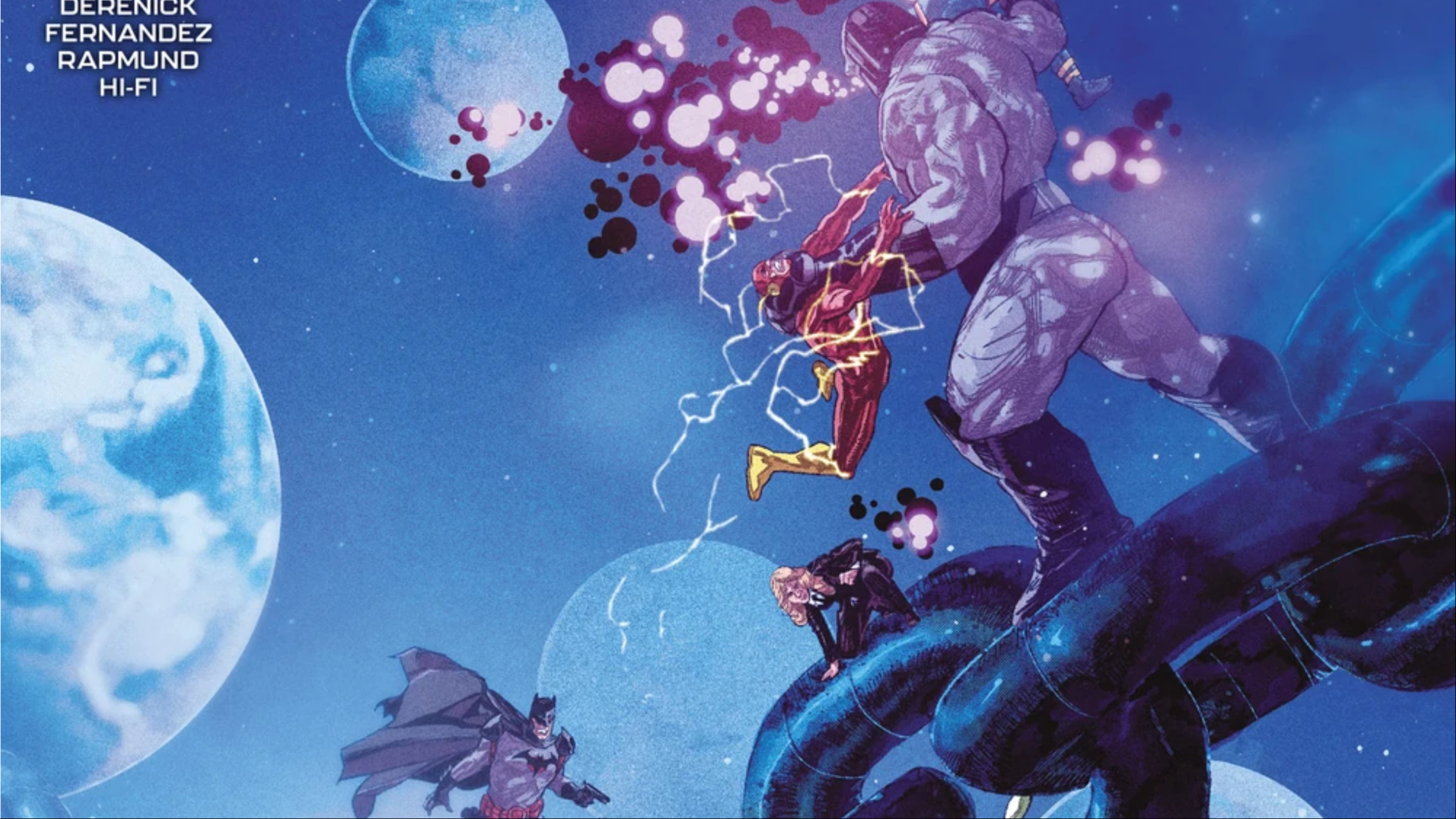
Following the events of Dark Knights: Death Metal (and I promise, no more tracing origins!), the infinite multiverse began to return. However, recreating all those worlds drained the multiverse’s energy, causing major problems. Infinite Frontier focused on a team of lesser-known heroes – including Barry Allen, the Superman from Earth-23, the Batman from the Flashpoint timeline, Agent Cameron Chase, Alan Scott and his children Jade and Obsidian, and the returned Roy Harper – to address these issues.
The story follows two main threads: Darkseid’s attempt to build a new collection of universes to harness a powerful, ancient evil, and the heroes on Earth discovering the secrets behind the DEO and its plans for them – secrets that connect to Darkseid. It feels like a condensed version of the 52 series, but it’s a fast-paced and engaging story with strong characters and a compelling plot. Plus, it features a fantastic Psycho-Pirate costume (a big plus for fans like me!), though it was just the start of a larger story.
The comic series Justice League Incarnate featured the Justice Incarnate team – a group of heroes from across the multiverse first seen in The Multiversity – as they attempted to thwart Darkseid’s schemes. The situation became more complex when Earth-23’s Superman and Doctor Multiverse discovered Darkseid was, surprisingly, partially allied with them – he opposed a greater, unknown enemy obtaining the Great Darkness. Ultimately, this effort failed. It was revealed that Pariah, a character from the original Crisis on Infinite Earths storyline, was the one controlling the Great Darkness. He had manipulated Darkseid, using him to fight on the main Earth, which led to the apparent defeat of the Justice League in Justice League (Vol. 4) #75.
These two stories arrived when many fans had lost faith in DC Comics. The “Infinite Frontier” initiative heavily focused on Batman, with few ongoing series outside of the “Bat-family” and many short-lived miniseries that didn’t gain much attention. These books became a point of frustration for fans, but they were actually essential to the direction DC is taking now. The empty Earth created by Darkseid, known as the Absolute Earth, is a key element, and it’s clear that his plans in these stories laid the groundwork for what happened in DC All-In #1. Interestingly, Joshua Williamson, a co-writer of DC All-In, also wrote these two miniseries. Revisiting them now shows just how important they were, and actually enhances the stories themselves.
Read More
- 10 Most Powerful Versions of Superman, Ranked
- Gold Rate Forecast
- GBP CNY PREDICTION
- 007 First Light: Release Date, Story, Gameplay, Cast, Editions, and Platforms
- Forza Horizon 6 Car List So Far: Confirmed Highlights, Cover Cars, DLC, and Rewards
- DOGE PREDICTION. DOGE cryptocurrency
- EUR CNY PREDICTION
- PI PREDICTION. PI cryptocurrency
- Superman’s 7 Best Power-Ups, Ranked
- Fishbowl Is a Charming and Heartfelt Indie You Won’t Want to Miss (Review)
2026-06-02 20:12