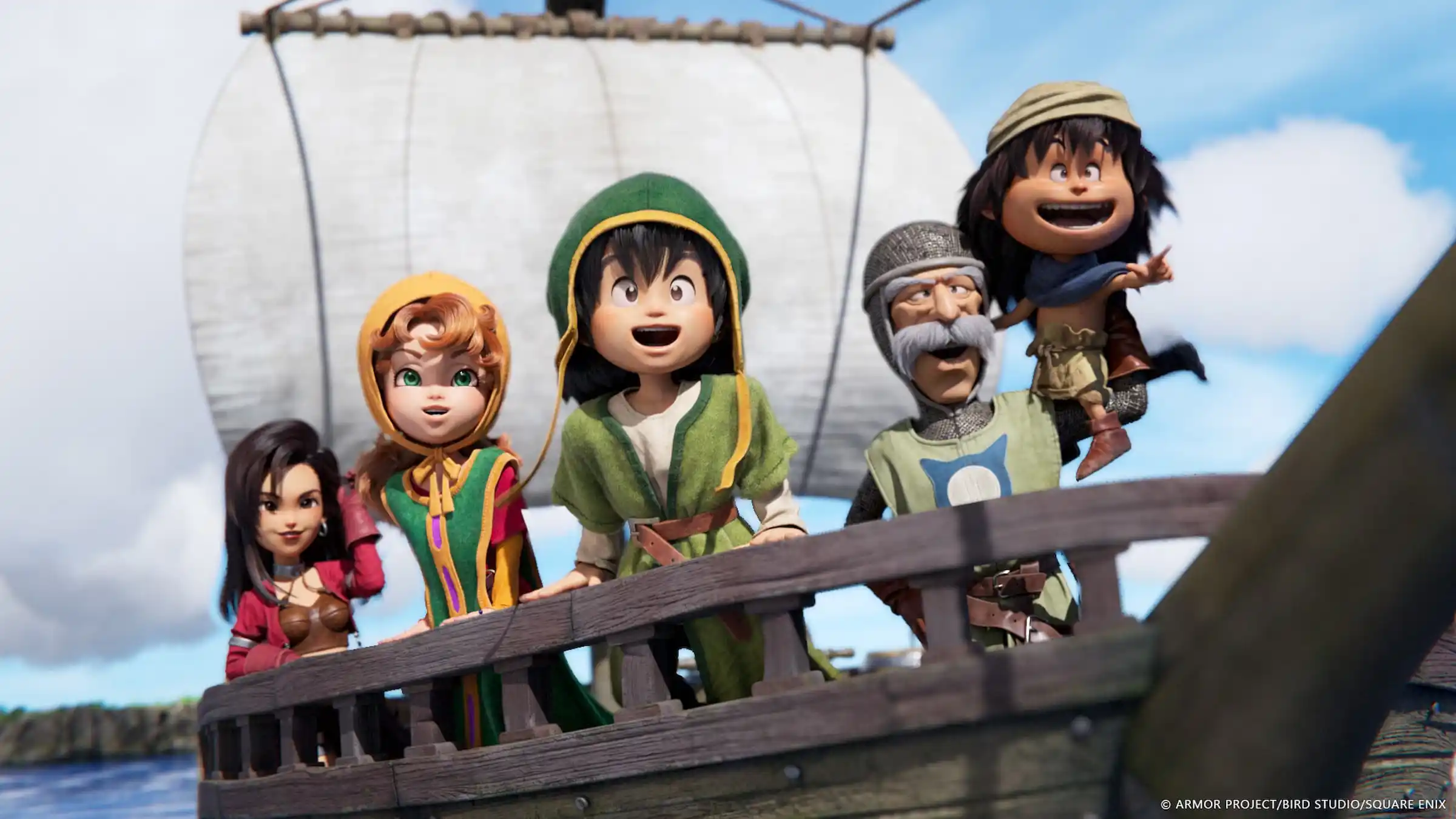
The Dragon Quest series is a cornerstone of Japanese role-playing games, having delighted players for almost 40 years. Created by Yuji Horii and debuting in 1986, it played a key role in shaping the JRPG genre. Unlike many other RPGs that have changed significantly over time, Dragon Quest has stayed true to its roots, offering easy-to-learn turn-based battles, delightful worlds, lovable characters, and a strong spirit of adventure. Its impact can be felt in numerous games, both classic Japanese RPGs and today’s expansive open-world titles.
It’s surprisingly hard to rank the main Dragon Quest games because the series has consistently been good throughout its history. Unlike some other long-running franchises, there aren’t many truly bad entries. What makes one game better than another comes down to things like what fans thought, how much it influenced the RPG genre, how innovative it was, its story, and its lasting impact. Some games changed RPG design entirely, while others simply refined what already existed. Considering all of that, here’s a ranking of every main Dragon Quest game, from least to most enjoyable.
11) Dragon Quest II Luminaries of the Legendary Line

Originally launched for the Famicom in 1987, Dragon Quest II built upon the first game with significant improvements. It added the ability to control a party of characters, a much bigger game world to explore, and a more expansive story. These new elements helped define many of the features we now commonly see in role-playing games.
Although historically significant, this game is often considered one of the most challenging in the series. It becomes incredibly difficult later on, and some imbalances can lead to frustrating and unfair experiences for today’s players.
While Dragon Quest II isn’t ranked highly here, that’s not because it was a bad game. It simply paved the way for much better installments in the series. It introduced many important RPG concepts, but later games perfected them. It had promising ideas, but they weren’t fully realized at the time.
10) Dragon Quest X
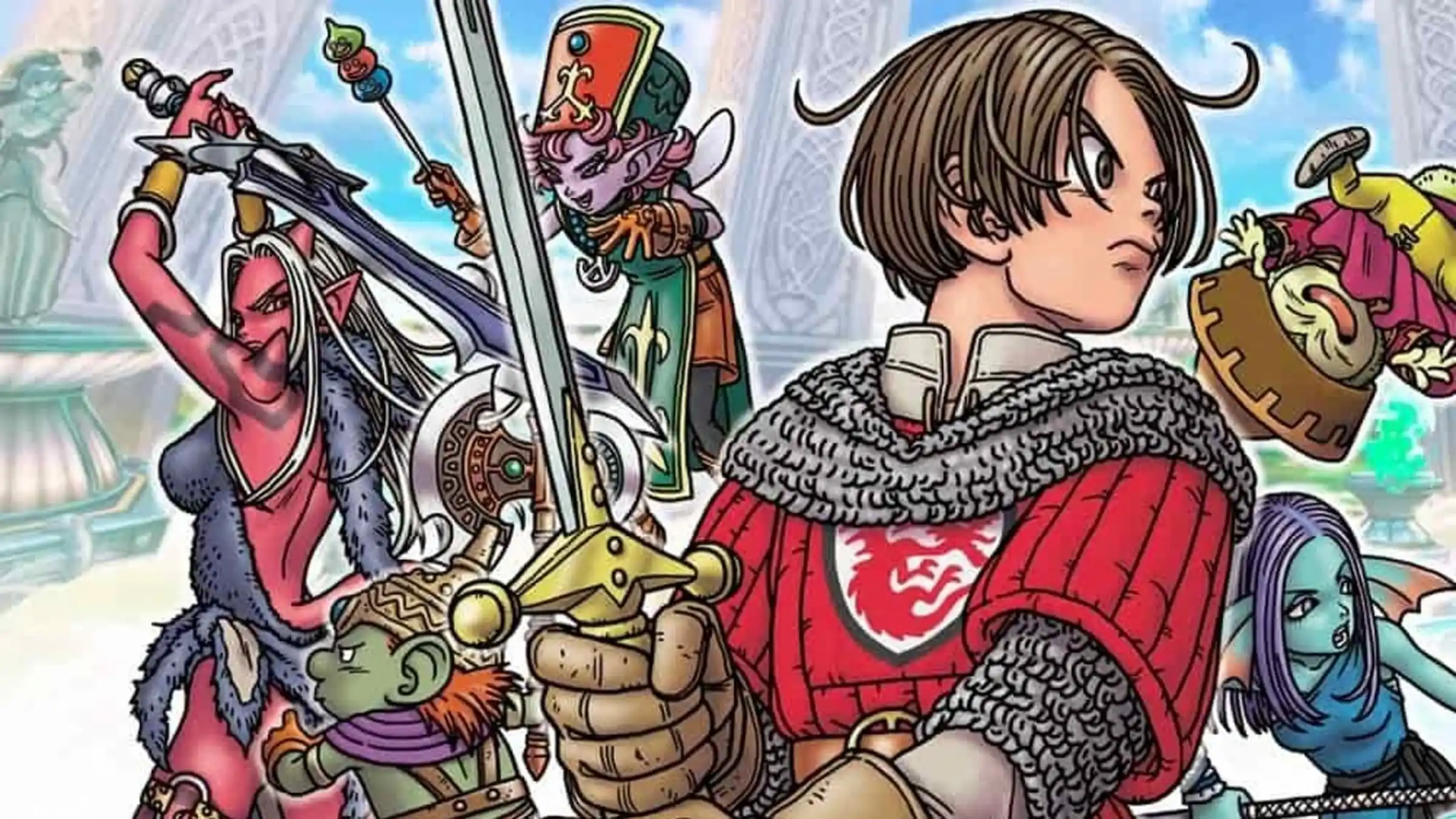
Released in 2012, Dragon Quest X is unique among the main Dragon Quest games because it’s a massively multiplayer online role-playing game (MMORPG). It’s still very popular in Japan and has received many expansions, adding to its world and story. However, this ongoing development has also created some challenges.
A major hurdle for Dragon Quest X has been making it available to players outside of Japan. Since it wasn’t completely translated and released in Western markets, many fans haven’t been able to play it. This has limited its impact and popularity compared to other games in the Dragon Quest series.
Players often appreciate how this game successfully captures the feel and magic of Dragon Quest while offering an online experience. However, because it’s not widely available and differs from the classic single-player games, it’s hard to consider it among the very best in the series.
9) Dragon Quest
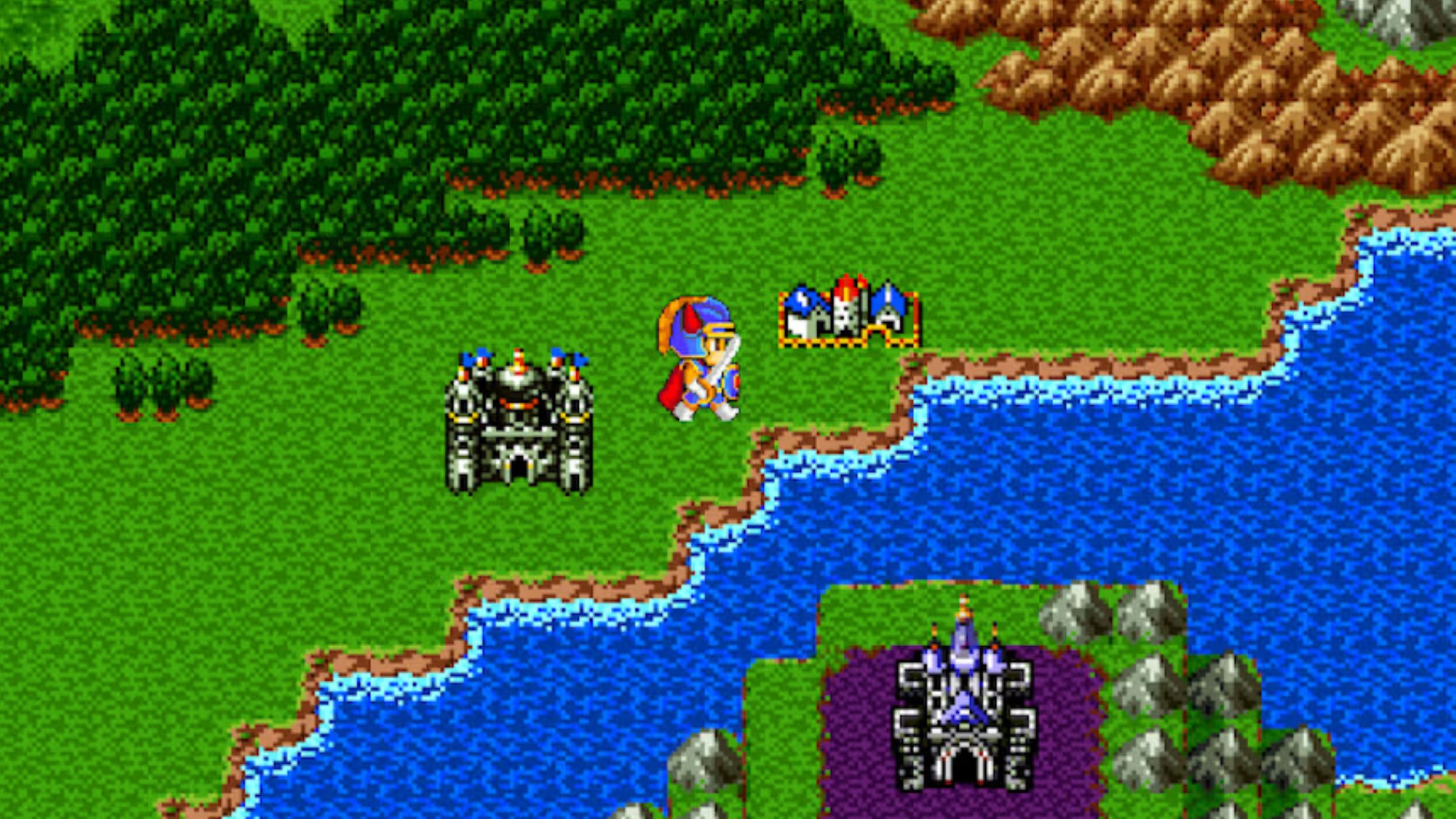
The first Dragon Quest game came out in 1986 and was a turning point for video games. While role-playing games were mostly played on computers at the time, Dragon Quest made the genre easier to pick up and play, and it helped popularize RPGs on consoles. But it’s also important to appreciate the game for what it is, beyond its impact on Japanese role-playing games.
Compared to modern games, the original Dragon Quest feels quite simple. You play as one hero in a direct story, and the battles aren’t as complicated as those in later games. Many of the features that would define the series hadn’t been created yet.
Despite its age, Dragon Quest‘s impact is undeniable. It fundamentally shaped the Japanese RPG scene, and while modern games have advanced beyond it in many ways, its place in gaming history remains crucial for both the series and the RPG genre as a whole.
8) Dragon Quest VI: Realms of Revelation
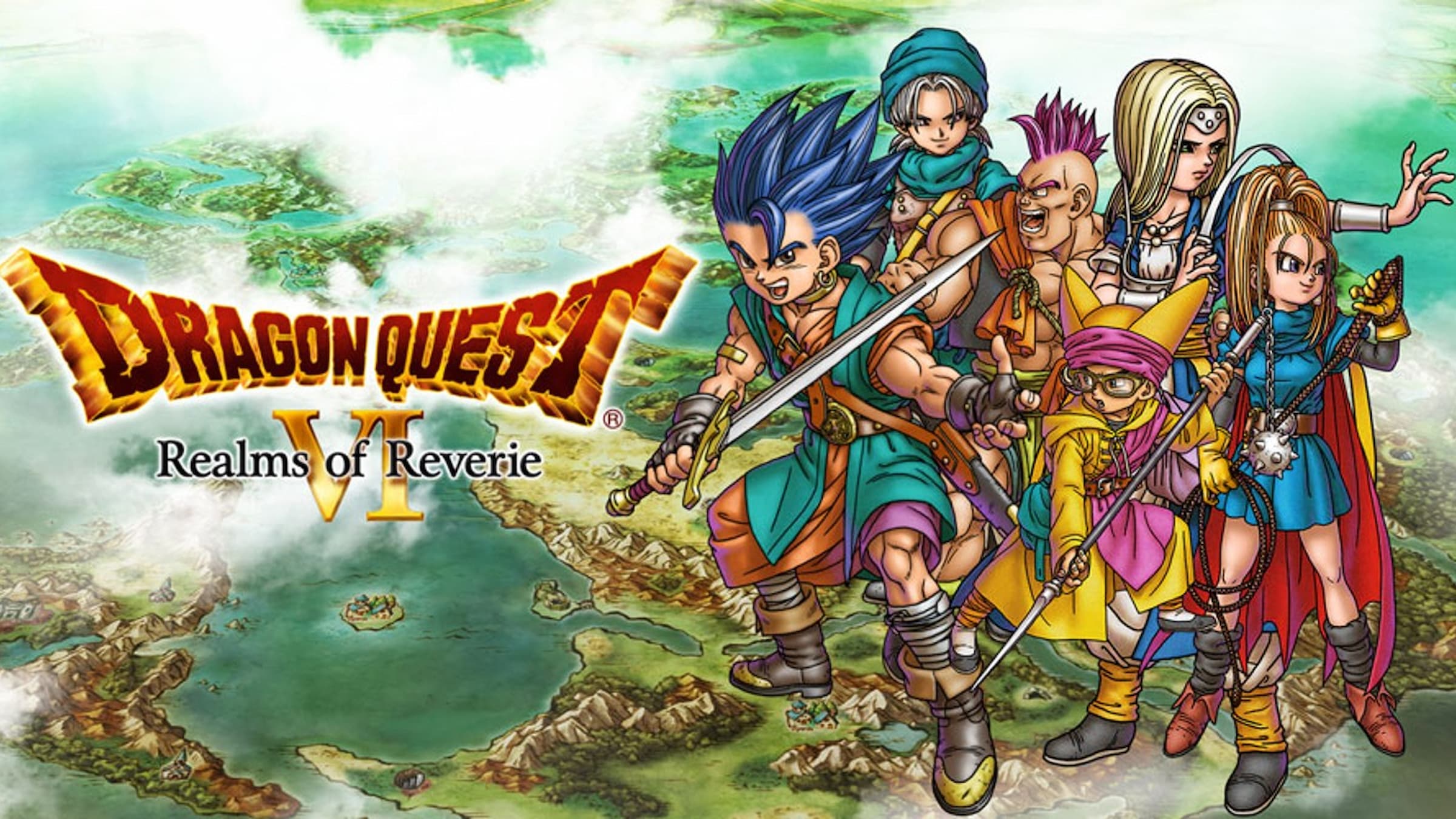
First released in 1995 for the Super Famicom, Dragon Quest VI finished the story started in the Zenithian Trilogy. The game was innovative for its dual-world system, letting players explore both the real world and a dream world – essentially giving them twice as much to play!
One of the game’s best features is its detailed job system. Players have a lot of freedom to customize their characters, letting them try out different builds and strategies. This adds a level of tactical depth that very few Dragon Quest games have achieved, and it still holds up remarkably well today.
While the game’s detailed story and large scope sometimes lack a clear direction, its innovative concepts, extensive character customization, and captivating world make it a worthy addition to this long-running series.
7) Dragon Quest IV: Chapters of the Chosen
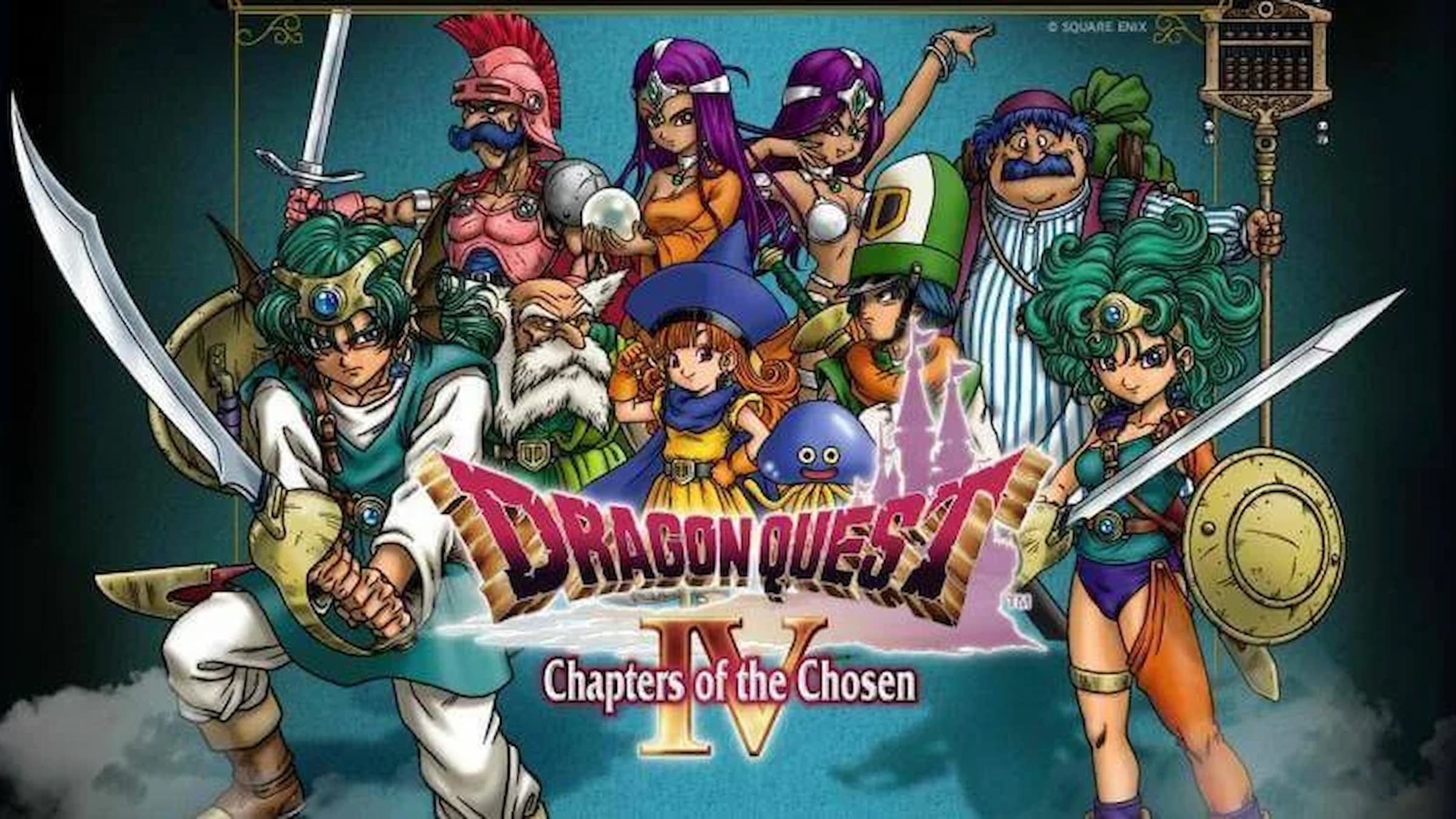
Released in 1990, Dragon Quest IV: Chapters of the Chosen significantly improved storytelling in console role-playing games. It broke the story into several parts, each following a different hero, before uniting them all. This approach is arguably what later inspired Octopath Traveler.
This game’s design was groundbreaking when it was released, allowing for more compelling character development than most other role-playing games. Players felt deeply connected to each hero’s story well before the main plot finished, and each completed quest strengthened that bond.
The way Dragon Quest IV told its story, broken up into chapters, had a big impact on role-playing games that followed. It proved that focusing on characters and their stories could be a key element of what makes the genre great. While many games built on these ideas afterward, Dragon Quest IV should be remembered as one of the first to show how effective this approach could be.
6) Dragon Quest III
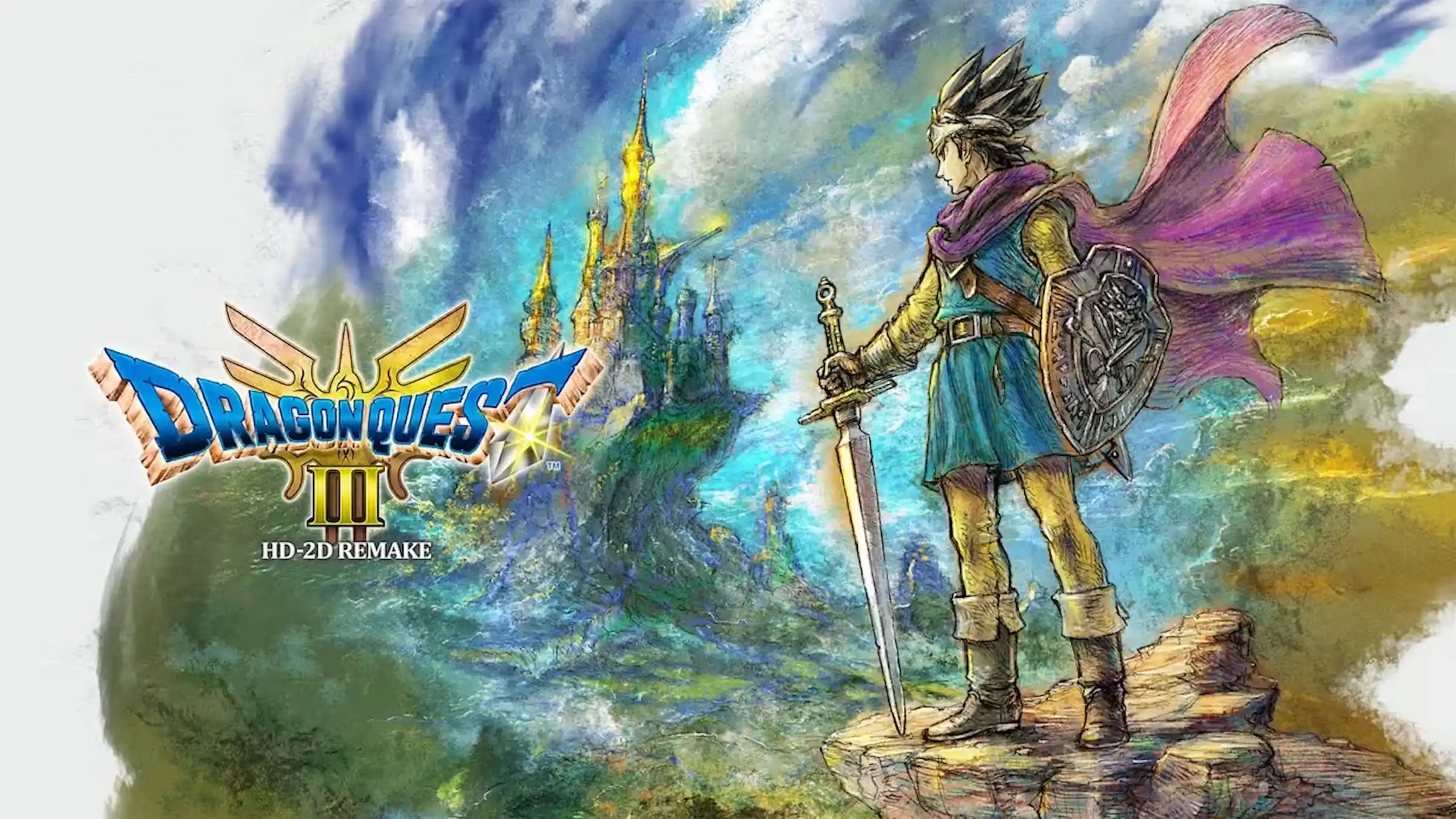
First released in 1988, Dragon Quest III is a landmark role-playing game that had a huge impact on the genre. It greatly expanded on previous games in the Dragon Quest series and pioneered a character class system that let players customize their teams. This innovative system influenced many RPGs, both within and beyond the Dragon Quest franchise.
When it first came out, the game felt groundbreaking thanks to its open exploration and player freedom. You could create a team of characters that perfectly matched how you like to play, and then venture into a world brimming with hidden treasures and surprises. Finding secret items and overcoming tough bosses with a team you built yourself was much more rewarding than in other games at the time.
Many of the common features found in role-playing games today actually started with Dragon Quest III. The game was incredibly influential, and its enduring popularity proves how well-designed it is. The recent remake demonstrated that, even with a simple visual update, Dragon Quest III can still compete with modern games.
5) Dragon Quest IX: Sentinels of the Starry Skies
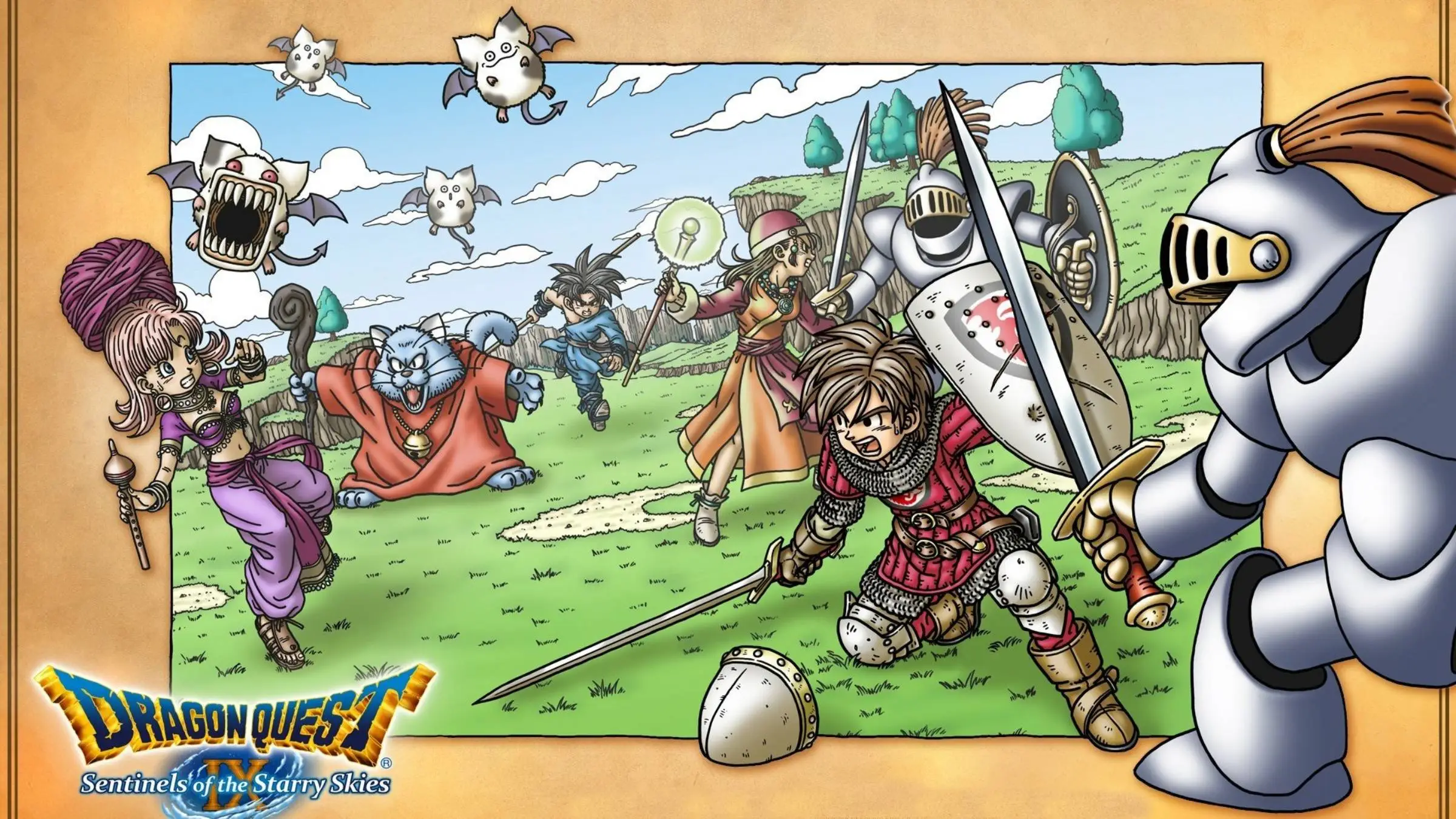
Released in 2009 for the Nintendo DS, Dragon Quest IX marked a turning point for the series. It put a strong emphasis on creating and customizing your character, and added multiplayer features that made playing with others a key part of the experience. While many loved the game, some fans were initially split on changes like the main character and the new multiplayer aspects.
The game’s class system was incredibly versatile, letting players create a huge variety of characters by expanding on ideas from earlier titles. Paired with a ton of content after the main story, this offered dedicated players hundreds of hours of gameplay, making it one of the longest and most detailed games in the series.
In Japan, Dragon Quest IX’s online multiplayer became a huge cultural hit, and its character customization options are still considered the best in the series. While some players favor older Dragon Quest games, IX provided an incredibly rich and detailed gameplay experience. It’s a hard game to rank consistently, as opinions on it vary greatly – some consider it a series highlight, while others rank it much lower.
4) Dragon Quest VII: Fragments of the Forgotten Past
First appearing on PlayStation in 2000, Dragon Quest VII is a particularly expansive game in the series. The story takes place across many islands and different time periods, with a complex plot that slowly unveils the history of a whole world. While it’s known for being a very long game, some players feel the beginning starts a bit slowly.
The way this game tells its story is truly special within the series. By rebuilding lost places and seeing how choices impact different time periods, it creates an epic feeling that’s rare in role-playing games. These smaller, connected stories build up to the main plot, making it all the more impactful.
The game is famously long, which some people love and others don’t. But for many fans, its vastness is a key part of what makes it special. It’s known for its compelling story, unforgettable moments, and incredibly detailed world, which have earned it a dedicated fanbase over time. Even though the original game is great, Dragon Quest VII Reimagining adds several improvements that make it a truly exceptional JRPG.
3) Dragon Quest XI: Echoes of an Elusive Age
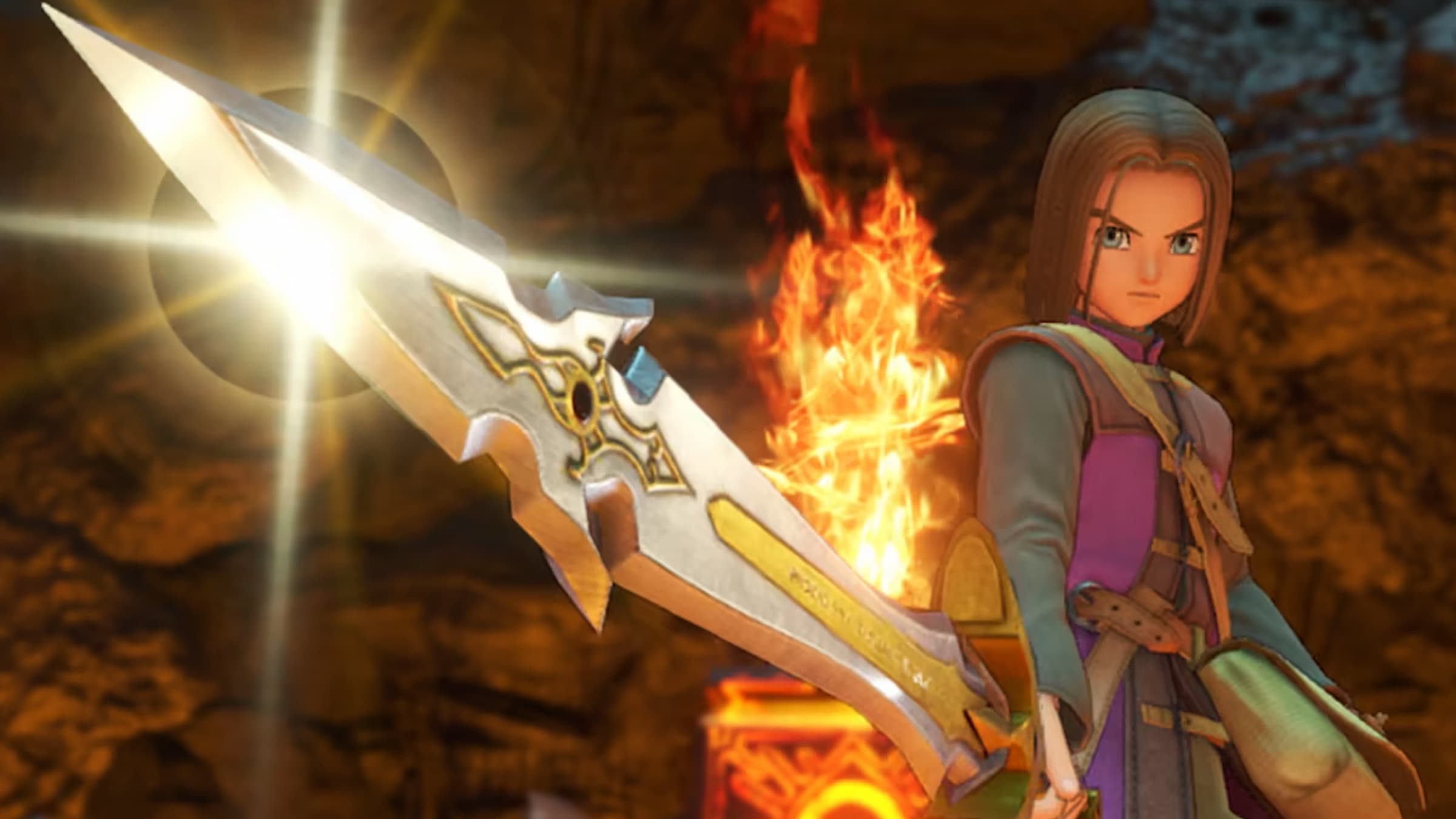
Launched in 2017, Dragon Quest XI proved that classic turn-based RPGs could still be successful in today’s gaming world. While many Japanese RPGs were moving towards faster-paced, action-based combat at the time – and often still are – Square Enix combined traditional gameplay with updated graphics and features to create a truly excellent turn-based experience.
Honestly, I was blown away by this game. The fighting was super smooth and satisfying, and the story really pulled me in – I genuinely cared about the characters. The world was huge, but it didn’t feel like too much to handle, and it totally nailed that classic feel of the series we all love. Plus, the graphics were the best I’ve ever seen in a Dragon Quest game, and they really leaned into the unique art style. It was gorgeous!
Dragon Quest XI stands out because it beautifully blends the classic elements fans love with a fresh, modern feel. It’s a fantastic tribute to the series’ past and also one of its best installments to date. With this success, Square Enix has a great opportunity to make Dragon Quest XII the very best game in the series.
2) Dragon Quest V: Hand of the Heavenly Bride
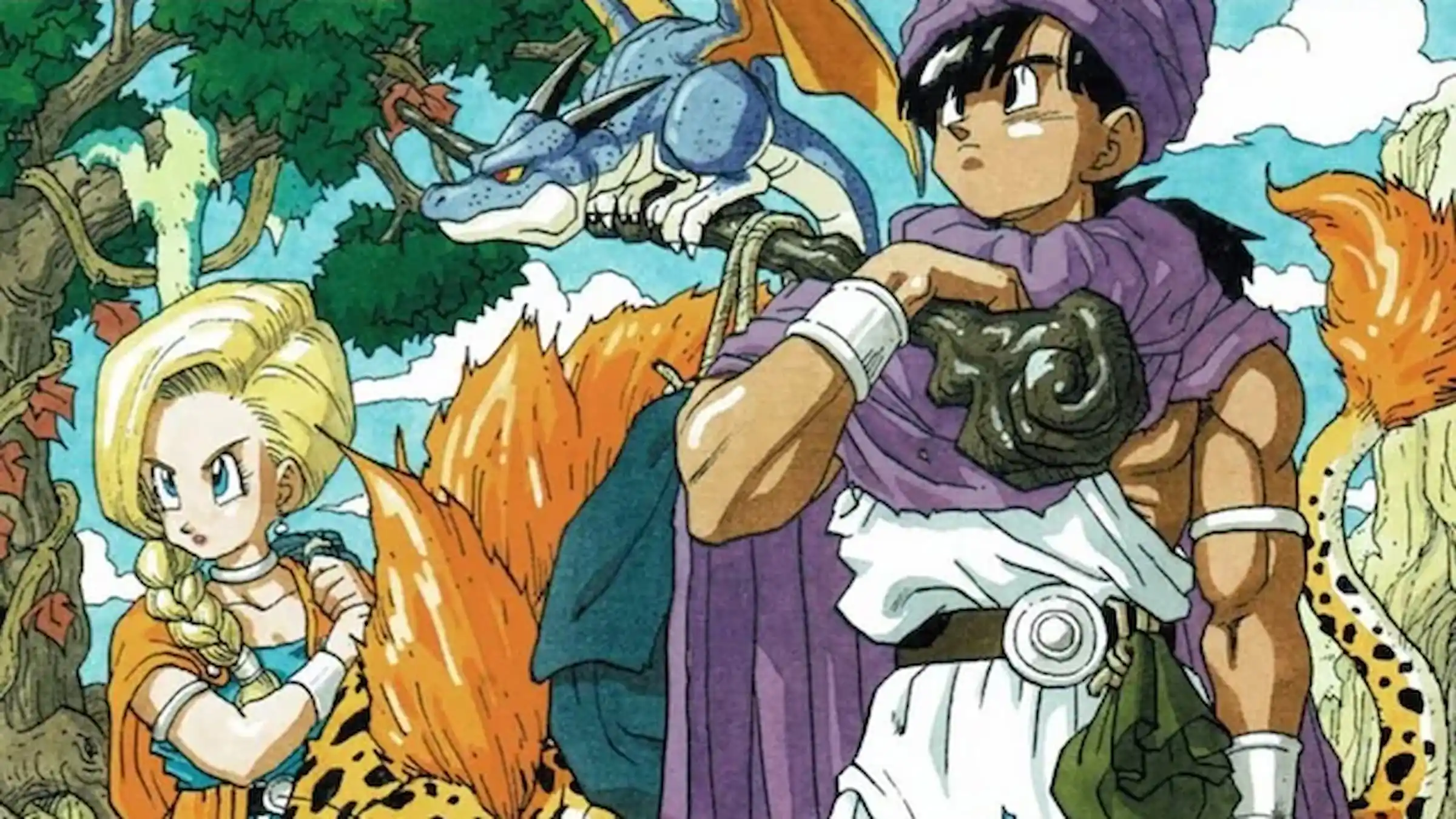
Originally launched in 1992, Dragon Quest V is known for its particularly moving story. The game uniquely follows the main character through different phases of their life, which was a very bold approach for a game at that time. While it doesn’t involve time travel like the classic RPG Chrono Trigger, it shares a similar emotional impact and scope.
What really made this game different from other role-playing games was its emphasis on family, building a lasting legacy, and the protagonist’s personal development. Players experienced the character growing up, which created a deeper emotional bond than was typical for games at the time. This approach was also rare for Japanese role-playing games, where stories usually unfold over a short period, not an entire lifetime.
The game’s unique way of collecting monsters set a trend for many games that followed, most notably the Dragon Quest Monsters series. Along with its compelling story, Dragon Quest V is a fan favorite and played a significant role in the evolution of role-playing games.
1) Dragon Quest VIII: Journey of the Cursed King
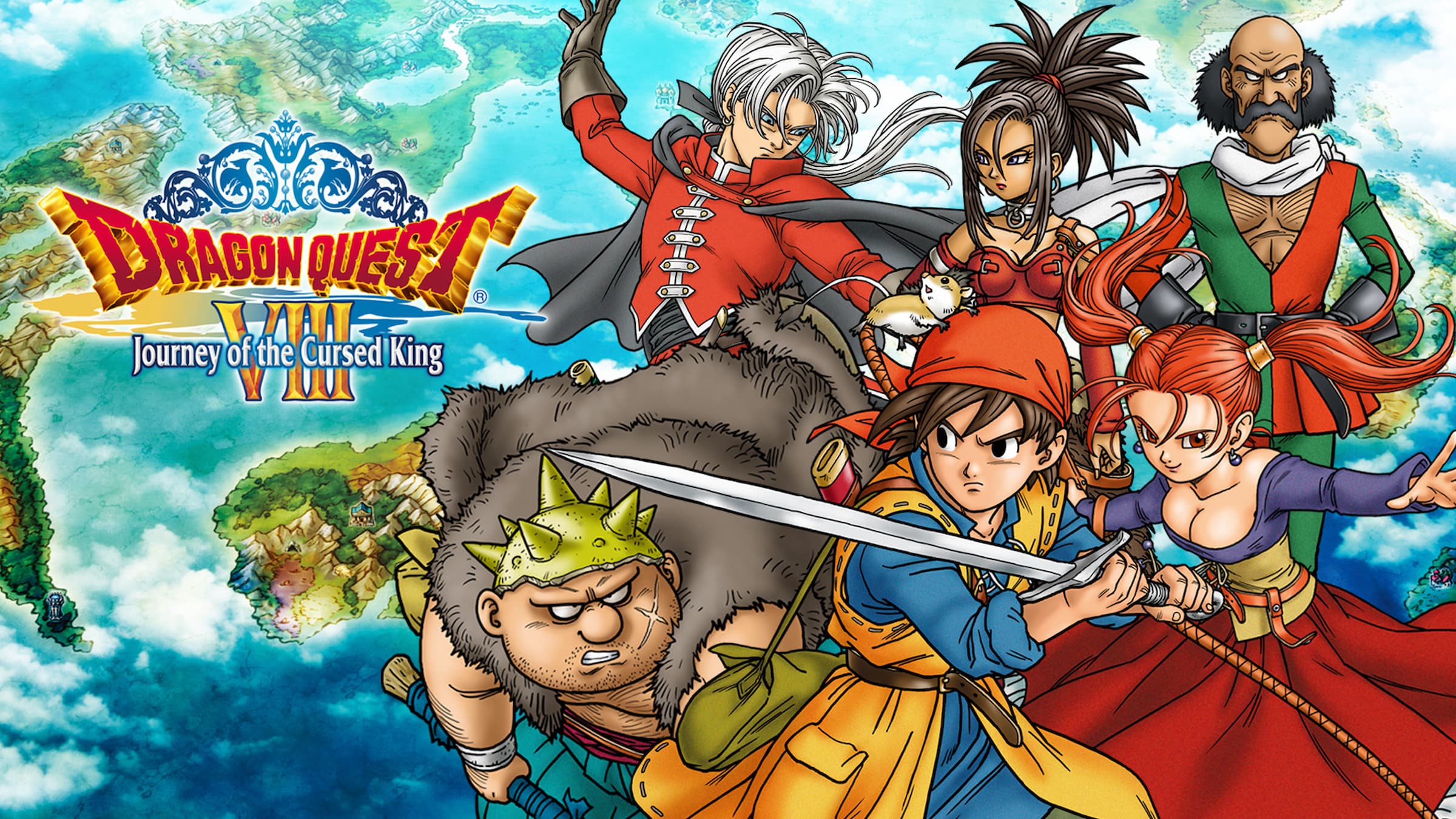
Originally launched for the PlayStation 2 in 2004, Dragon Quest VIII is widely considered the pinnacle of the Dragon Quest series. It brilliantly transitioned the franchise to fully 3D graphics while staying true to the elements fans loved in earlier games. It’s surprising that Square Enix hasn’t yet remade it, though a remake may be in the works following Dragon Quest VII Reimagined.
This game boasts one of the most captivating and detailed worlds ever created in an RPG. It’s genuinely rewarding to explore, filled with memorable characters, and perfectly blends funny moments with heartfelt drama and exciting discoveries. While newer games might excel in certain areas, very few offer such a complete and satisfying experience, making it a true standout title from the PlayStation 2 era.
Dragon Quest VIII perfectly embodies everything that makes the Dragon Quest series so beloved. It looked amazing when it first came out, is still fun to play now, and continues to inspire game developers. Even after almost twenty years, many fans consider it the best Dragon Quest game ever made.
Read More
- SUI PREDICTION. SUI cryptocurrency
- USD HKD PREDICTION
- Gold Rate Forecast
- USD CHF PREDICTION
- USD TRY PREDICTION
- UNI PREDICTION. UNI cryptocurrency
- USD BRL PREDICTION
- EUR CNY PREDICTION
- YouTuber Sentenced After Faking Livestream as Alibi to Kill Girlfriend
- Hell Is a Loop in New Event Horizon: Inferno #3 Preview (Exclusive)
2026-06-07 22:21