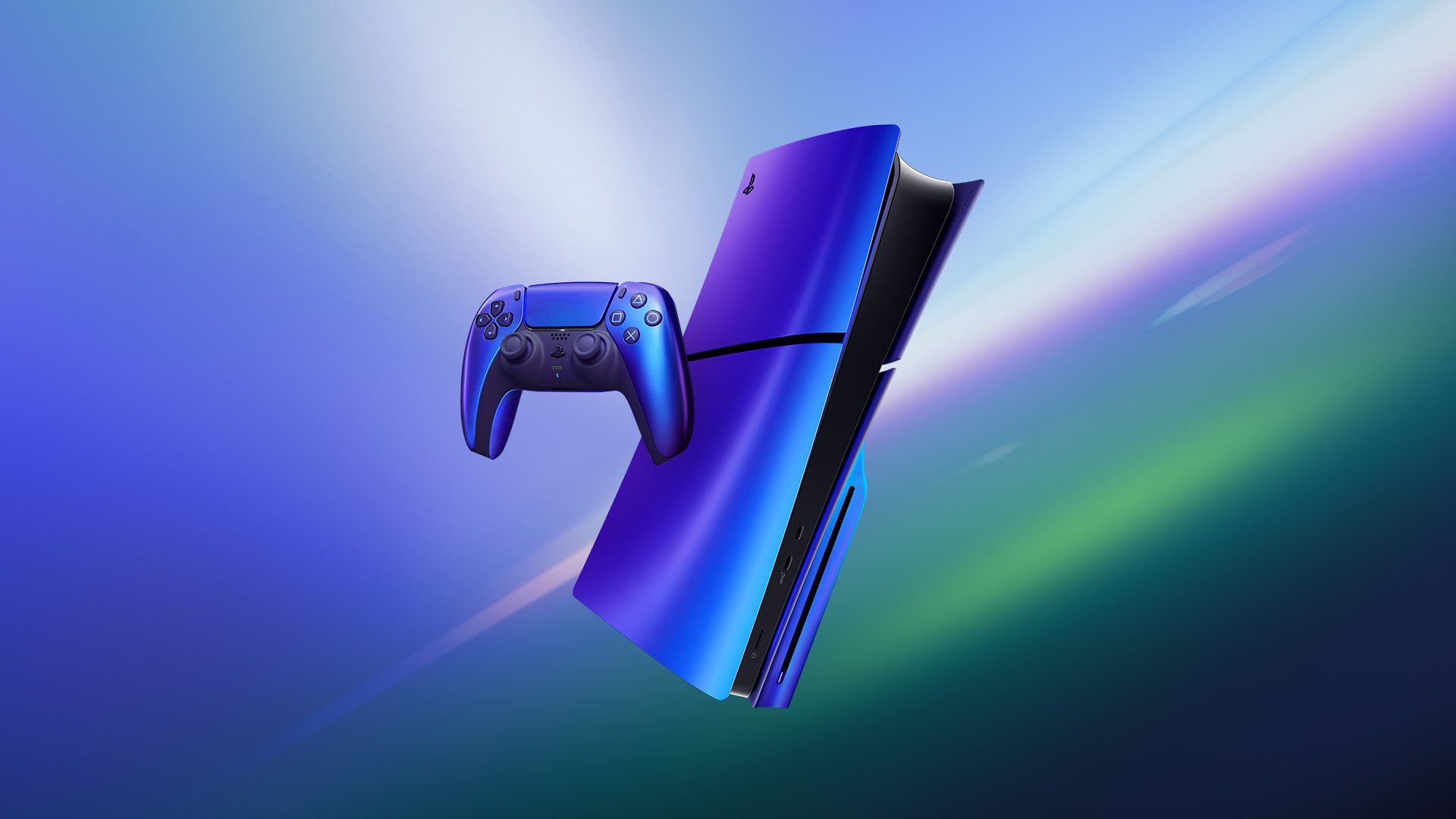
Recent reports suggested the next PlayStation (PS6) and Microsoft’s Project Helix might have a significant power difference – around 30%. However, a new analysis indicates the competition will likely focus on achieving higher frame rates rather than a major difference in processing power. Both consoles are still expected to deliver similar image quality.
A recent video by Moore’s Law is Dead looked at the possible power of the next PlayStation (PS6) and Microsoft’s Project Helix, using information from leaks. It highlighted that Project Helix might have 70 processing units, while the PS6 is expected to have 54. The video also discussed possible clock speeds for each system’s processor.
A YouTuber pointed out that although the Xbox Series X has more processing power than the PlayStation 5, the PS5’s superior cooling system allows it to maintain higher performance for extended periods. The difference in power between the consoles often comes down to comparing the Xbox Series X’s 12.1 teraFLOPS to the PS5’s 10.3 teraFLOPS.
According to Moore’s Law is Dead, the next-generation consoles show a significant 30 percent performance difference compared to the previous generation. However, the actual power of each console is still uncertain because we don’t yet know their clock speeds. If the Xbox runs at a lower clock speed than the PlayStation, the performance gap could be much smaller, or even reversed. Sony might be prioritizing lower power consumption and cooling with a 160-watt design, potentially using a lower clock speed. If that’s the case, Microsoft could have a considerable advantage in processing power.
Following a discussion about memory bandwidth differences between the new consoles, he explained that while the bandwidth gap is smaller than in the previous generation, the processing power difference is a bit bigger. Overall, performance is comparable to the last generation. He believes this suggests one console is designed for gaming at 4K resolution with a fast 144 frames per second, while the other is geared towards 4K gaming at a smoother 60 frames per second.
Moore’s Law is Dead predicts that the technical differences between the PlayStation 6 and Project Helix won’t be very noticeable once games are released. The final performance will mostly depend on how well developers can optimize games for the new hardware. Differences will likely show up as varying frame rates. He also points out that most TVs and monitors only refresh up to 120 times per second, so the PS6’s slightly lower processing power won’t be a significant disadvantage compared to Project Helix’s higher frame rate capabilities.
Sony hasn’t officially said anything about the PlayStation 6, so most of what we know is currently based on speculation. Here’s a look at the biggest rumors circulating. Meanwhile, Microsoft has shared details about Project Helix, its next Xbox console, highlighting significantly improved ray tracing technology compared to the Xbox Series X and S.
Read More
- USD HKD PREDICTION
- SUI PREDICTION. SUI cryptocurrency
- USD TRY PREDICTION
- Gold Rate Forecast
- USD BRL PREDICTION
- USD CHF PREDICTION
- EUR CNY PREDICTION
- Aster’s June 9 Unlock: Will It Be a Smooth Sail or a Hot Mess?
- LEGO’s New 12,060-Piece Set Smashes a 5 Year Old Record (& It’ll Cost You $800)
- UNI PREDICTION. UNI cryptocurrency
2026-06-08 18:14