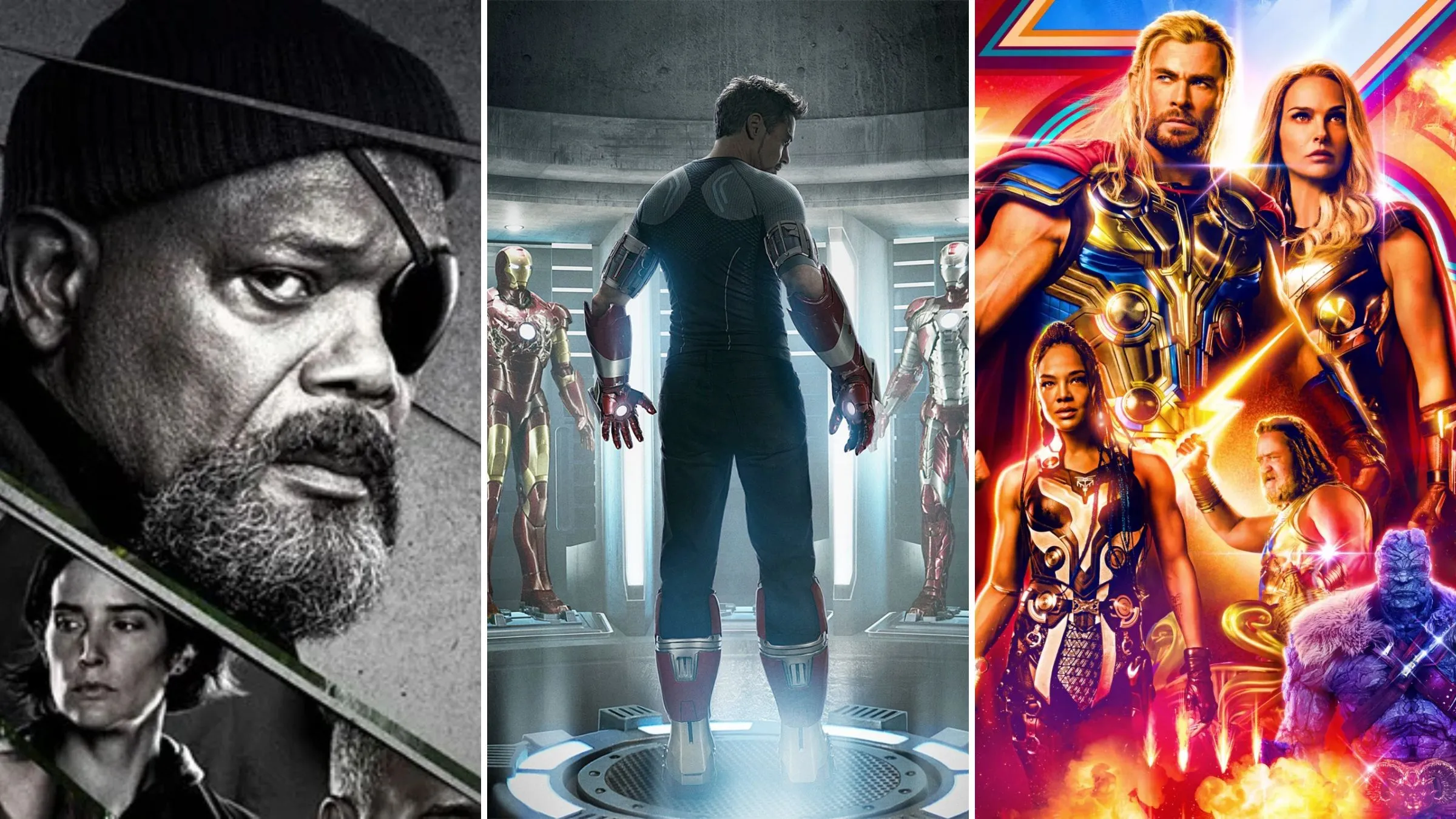
The Marvel Cinematic Universe has never been about perfectly copying its comic book origins. Instead, it takes what it likes – characters and general plot ideas – and adapts them for the screen. When this approach works well, it’s a reminder of why the MCU became so popular. For example, Captain America: Civil War simplified the complex superhuman registration storyline from the comics, focusing instead on the personal conflict between Steve Rogers and Tony Stark. However, it still captured the core theme of heroes needing to act without being held accountable. Similarly, Avengers: Infinity War and Endgame turned a sprawling cosmic story into a grand, two-part epic – arguably the franchise’s biggest success – demonstrating that a story doesn’t need to be a direct adaptation to feel complete and capture the heart of the original material.
While some Marvel Cinematic Universe adaptations are fantastic, many others feel like they only use popular comic book stories for their name value, losing what made those stories meaningful. The studio often focuses on well-known events but ignores the important themes, turning significant moments into shallow references or stories that just don’t feel right. This leads to a frustrating trend where comic book fans are left disappointed by missed opportunities.
7) Kree-Skrull War (Captain Marvel, Secret Invasion, and The Marvels)

The ‘Kree-Skrull War’ comic storyline from 1971 in Avengers is considered the original large-scale superhero crossover event. It combined galactic politics and the story of Rick Jones into a huge, explosive conflict. Its strength came from placing the Avengers in a difficult position – caught between two powerful empires who didn’t care about Earth – and forcing them to make tough, ethically challenging decisions that still influence Marvel stories today. The Marvel Cinematic Universe initially took an interesting approach with Captain Marvel, portraying the Skrulls as refugees escaping genocide by the Kree. This could have led to a complex adaptation of the classic war. However, the franchise wasted this potential by focusing the story in the Secret Invasion series, which reduced the conflict to a simple terrorist plot culminating in a single fight at a Russian base, and completely left out the Avengers. Then, The Marvels shifted gears again, presenting the Skrulls as helpless victims of the Kree, further diminishing the complexity of the conflict.
6) Demon in a Bottle (Iron Man 2)
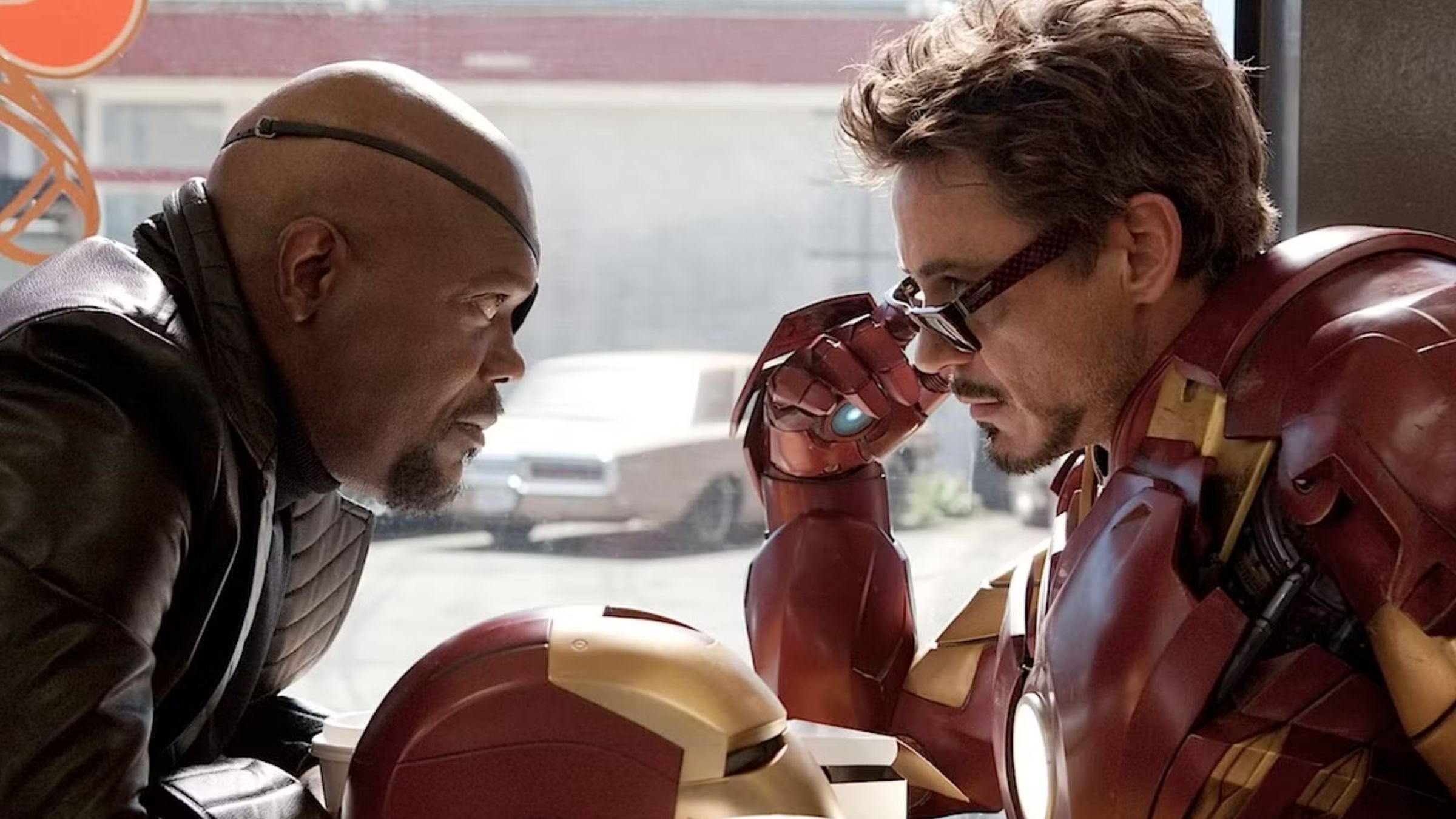
In 1979, the comic book arc “Demon in a Bottle” by David Michelinie, Bob Layton, and John Romita Jr. realistically portrayed Iron Man, Tony Stark, battling alcoholism. The story unfolded over several issues, showing how his drinking threatened his company, relationships, and even his life, ultimately leading to a painful confession and the beginning of his recovery journey. However, the movie Iron Man 2 simplified this complex struggle into a brief, comedic montage where a drunken Tony behaves badly and then receives a quick pep talk from Nick Fury, resolving the issue without showing any real consequences. Essentially, the Marvel Cinematic Universe transformed a groundbreaking story about mental health into a superficial display used to introduce the Black Widow character, leaving the emotional depth of Stark’s addiction largely ignored.
5) Extremis (Iron Man 3)
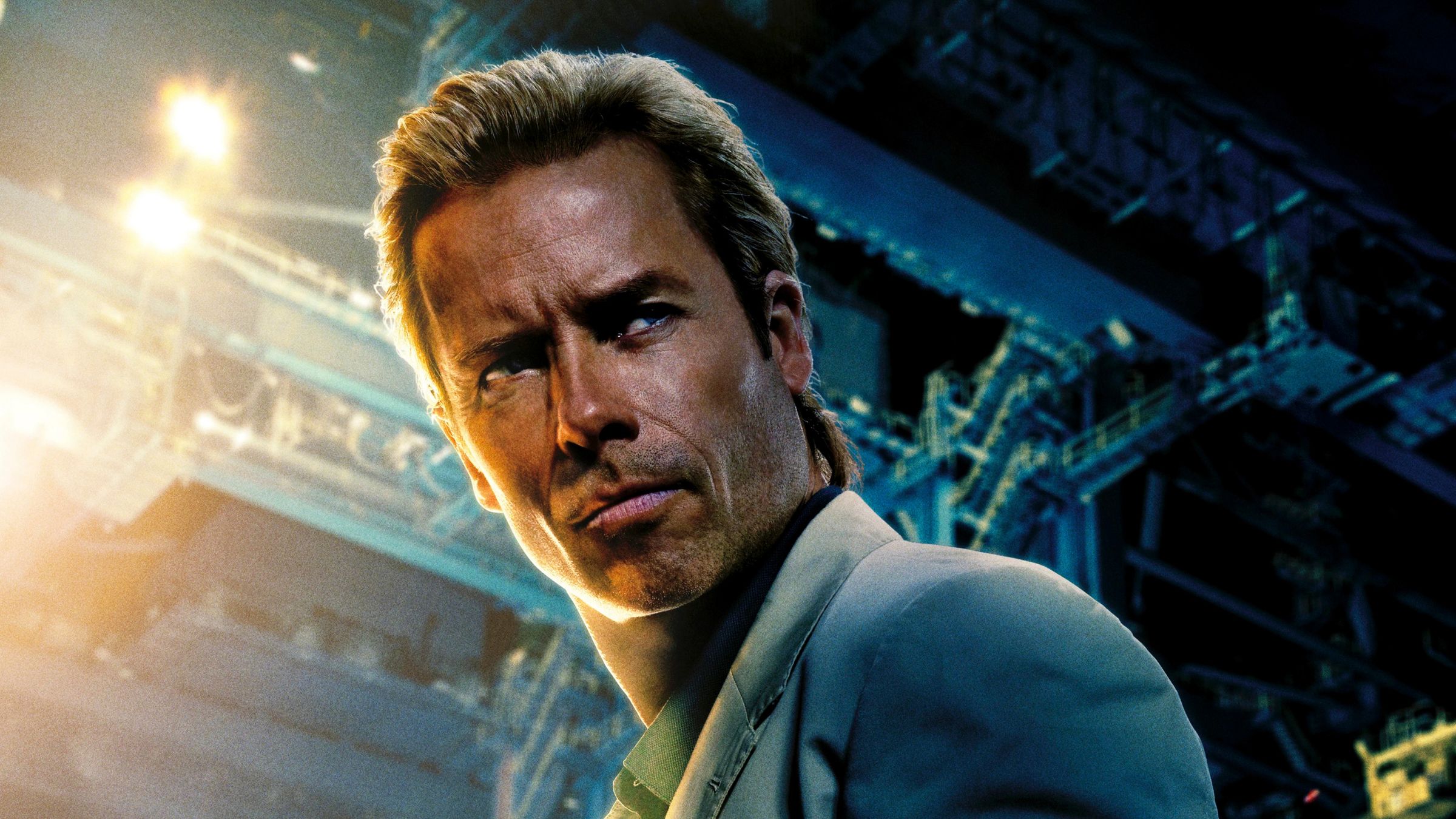
As a huge Iron Man fan, I was absolutely blown away by the “Extremis” storyline. It felt like a brilliant reimagining of Tony Stark for a new era, introducing this incredible virus that essentially merges him with his armor on a neurological level. Warren Ellis and Adi Granov really made you think about whether humanity needs a push when it comes to evolution, all while cleverly revisiting how Tony even became Iron Man in the first place – facing his own greatest creation as his ultimate enemy. It was so exciting! Then, Iron Man 3 used the “Extremis” idea, the cool glowing veins and all, but gave the actual upgrade to Aldrich Killian instead of Tony, which felt like a missed opportunity. And honestly, the reveal of the Mandarin as just an actor? It was such a letdown! It felt like they squandered a perfect chance to give Tony a truly compelling nemesis. It was so controversial, in fact, that they had to course-correct with Shang-Chi, introducing the real Mandarin, though in a very different way. It just felt like a lot of potential was left on the table.
4) Age of Ultron (Avengers: Age of Ultron)
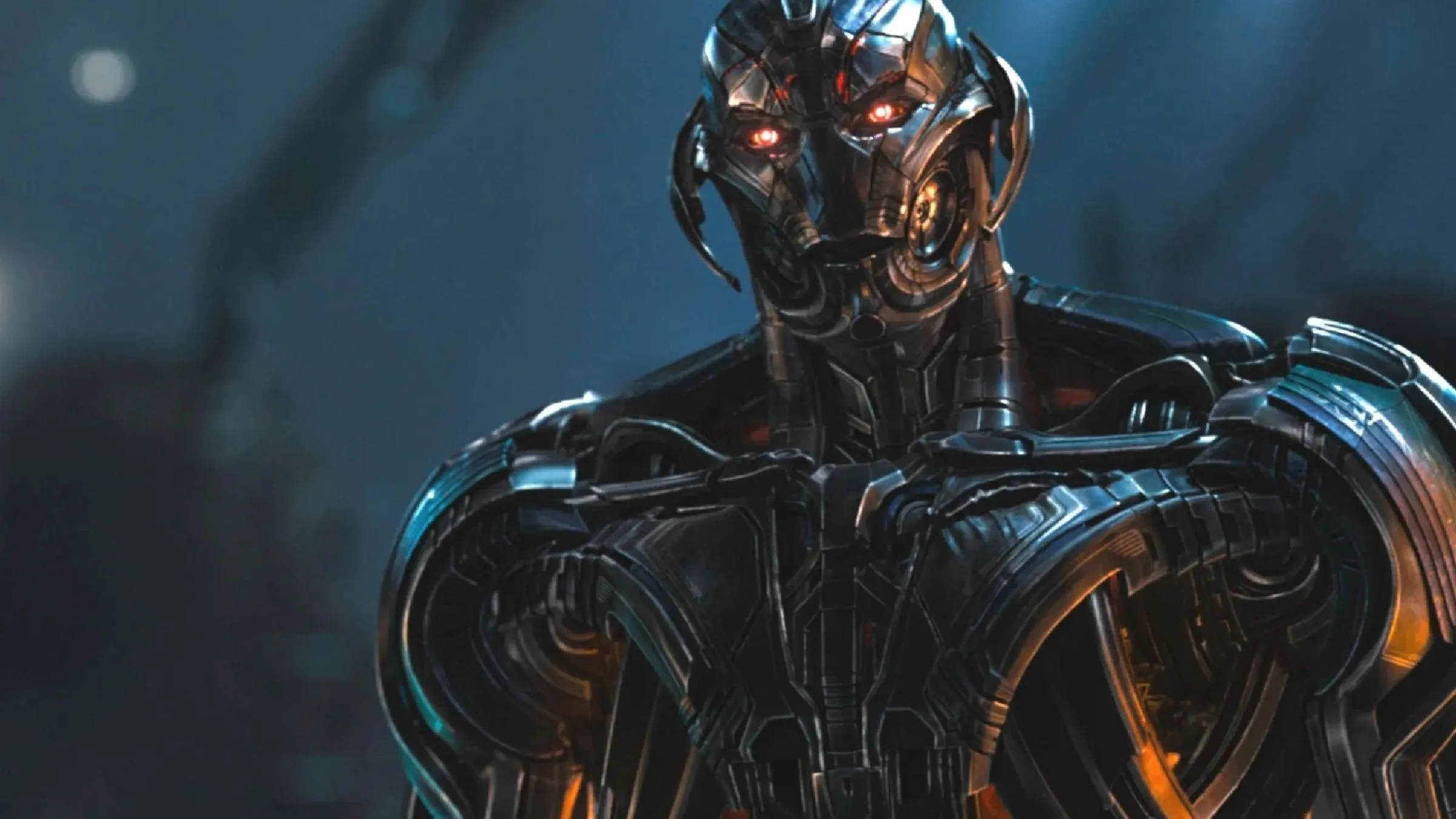
Brian Michael Bendis and Bryan Hitch’s Age of Ultron comic depicted a truly devastating future where Ultron had already won, forcing the remaining heroes to travel through time in a last-ditch effort to prevent his victory. It created a sense of overwhelming despair, showing ruined cities and defeated heroes to emphasize that some technological threats can’t be undone once they emerge. In contrast, Joss Whedon’s film used the title but limited Ultron’s reign to a single week of chaos in a made-up European country. The movie portrayed Ultron (voiced by James Spader) as a relatively contained villain, failing to capture the character’s potential as one of Marvel’s most frightening enemies and ultimately diminishing him in what felt like a minor installment in the Marvel Cinematic Universe.
3) Planet Hulk (Thor: Ragnarok)

The “Planet Hulk” storyline saw Bruce Banner, as the Hulk, banished to Sakaar, an alien world where he became a gladiator and ultimately a leader, finding a sense of family with other enslaved warriors. The story was powerful because it showed the Hulk finally feeling like he belonged, making the subsequent destruction of Sakaar and the events of “World War Hulk” all the more tragic. While Taika Waititi’s Thor: Ragnarok borrowed elements from Sakaar and its gladiator setting, it focused on comedic moments, portraying the Hulk (Mark Ruffalo) primarily as a source of humor with simple, childlike speech. By skipping over the important “Warbound” story and resolving the Hulk’s inner conflict behind the scenes, the Marvel Cinematic Universe missed an opportunity to create a truly impactful and dramatic solo Hulk storyline.
2) The God Butcher (Thor: Love and Thunder)

The comic book storyline “God Butcher” and “Godbomb” introduced Gorr, an alien who, after his prayers went unanswered during a family tragedy, began killing gods throughout history. This epic tale featured three different versions of Thor battling Gorr’s bleak worldview, ultimately leading to a philosophical showdown within a weapon meant to destroy all gods. In contrast, the movie Thor: Love and Thunder drastically simplified this complex story. Instead of a terrifying threat, Gorr (played brilliantly by Christian Bale) was reduced to kidnapping Asgardian children and having a somewhat underdeveloped role. The film prioritized silly humor—like screaming goats and jokes about a magical axe—and unfortunately overshadowed both the actor’s performance and the genuinely frightening potential of the original story. While the movie had a fantastic actor and a strong premise, it was ultimately lost beneath an excess of self-aware comedy, turning a critically acclaimed Thor story into a misguided and tonally inconsistent experience.
1) Secret Invasion (Secret Invasion)
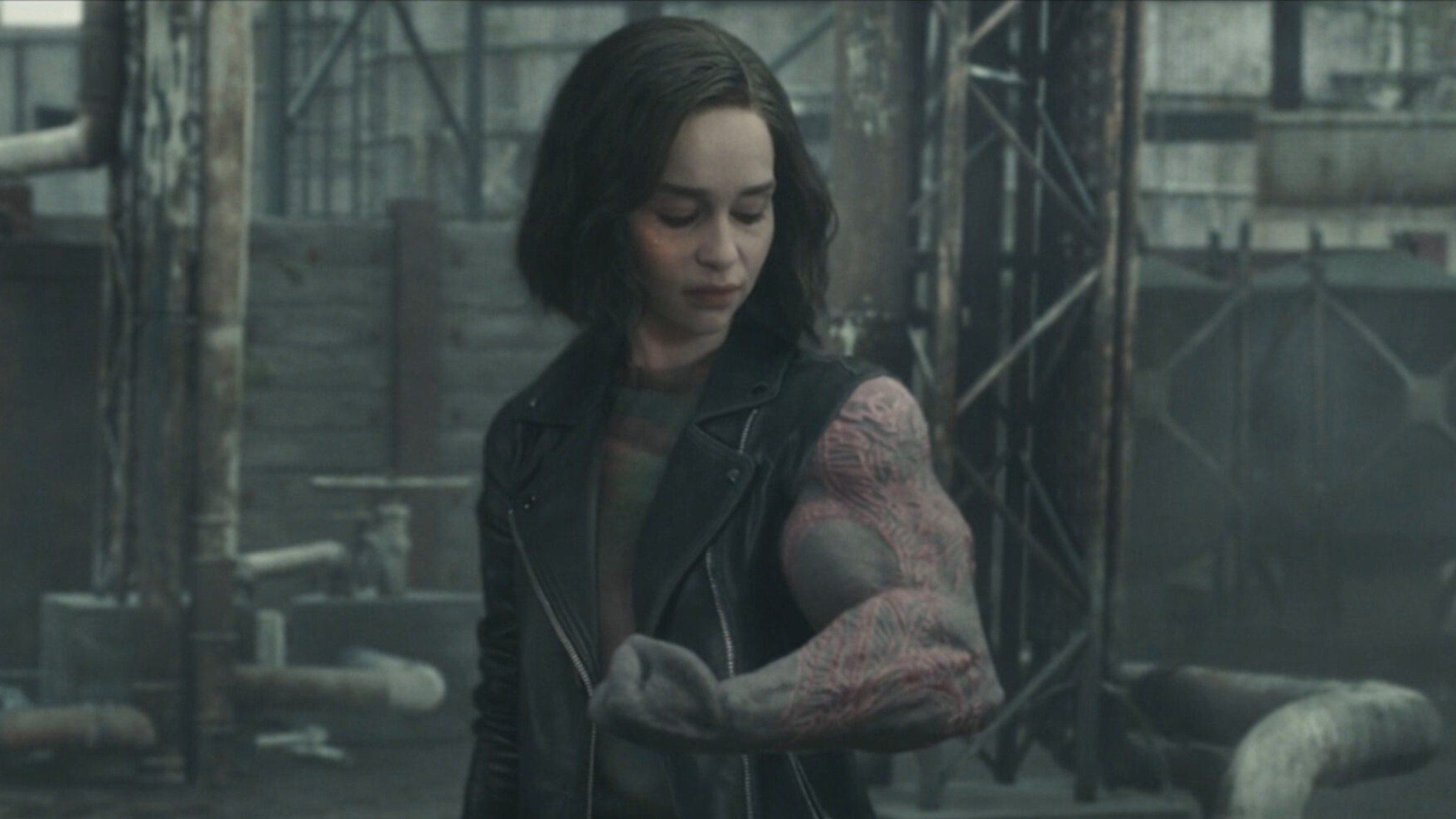
In the 2000s, comic creators Brian Michael Bendis and Leinil Francis Yu built a sense of distrust throughout Marvel comics, culminating in the Secret Invasion storyline. This event revealed that shape-shifting Skrulls had secretly replaced key heroes, politicians, and even members of the Avengers, making readers question everyone they knew. The story was effective because it used long-established characters and relationships, delivering a powerful emotional blow when it was revealed that beloved figures were impostors, and creating lasting suspense and betrayal. However, the recent Disney+ series with the same name lost almost everything that made the original comic special. It lacked the shocking reveals of infiltrated heroes and ended with a simple fight between Gravik and G’iah. Even the reveal that James Rhodes was a Skrull happened after his appearances in the movies, making the betrayal feel unimportant. By turning a large-scale infiltration story into a lackluster miniseries with no real stakes, the Marvel Cinematic Universe demonstrated that simply using a famous title with an unrelated story is a surefire way to ruin a beloved cultural phenomenon.
Read More
- Gold Rate Forecast
- USD HKD PREDICTION
- EUR CNY PREDICTION
- USD BRL PREDICTION
- SUI PREDICTION. SUI cryptocurrency
- USD TRY PREDICTION
- Black Clover Confirms Special Chapter After Manga Finale
- Green Game Jam returns with 70 games teaming up to tackle the climate crisis
- USD CHF PREDICTION
- 7 Classic Free Animated Shows Hidden Deep on Streaming
2026-06-10 23:13