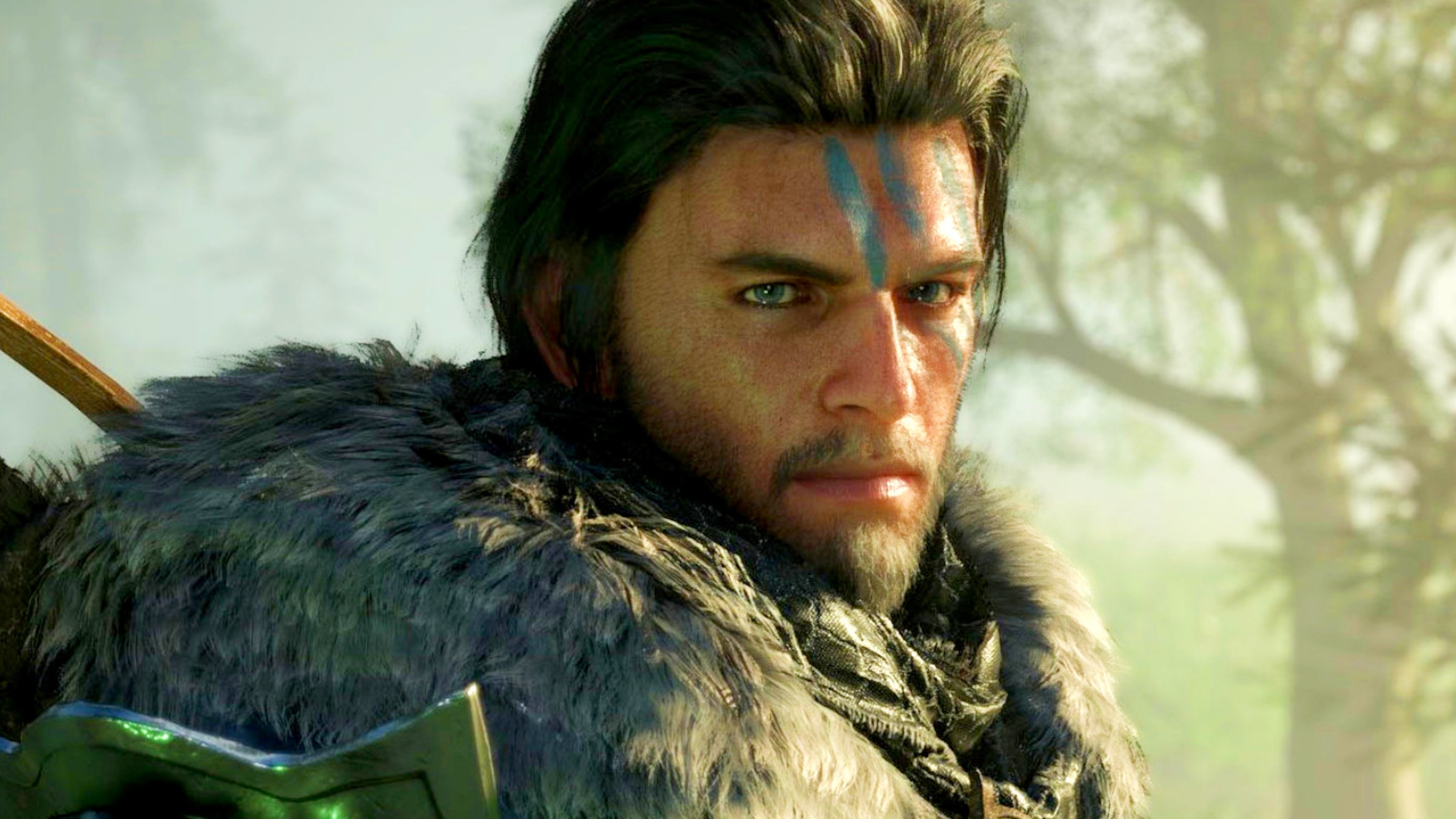
Pearl Abyss’s Crimson Desert, which launched in March, is already a popular success. As a prequel to their 2015 game Black Desert Online, it’s an expansive fantasy adventure where players take on the role of Kliff, searching for his companions among the Greymanes. The game offers hundreds of hours of gameplay and has been consistently improved with updates and patches throughout its development.
The team at Pearl Abyss has no intention of slowing down, either. During an interview with ComicBook during Summer Game Fest 2026, Pearl Abyss’ director of marketing and public relations, Will Powers, sat down to discuss the success of Crimson Desert, the importance of player influence on the development team, and what the roadmap for the game’s future looks like.
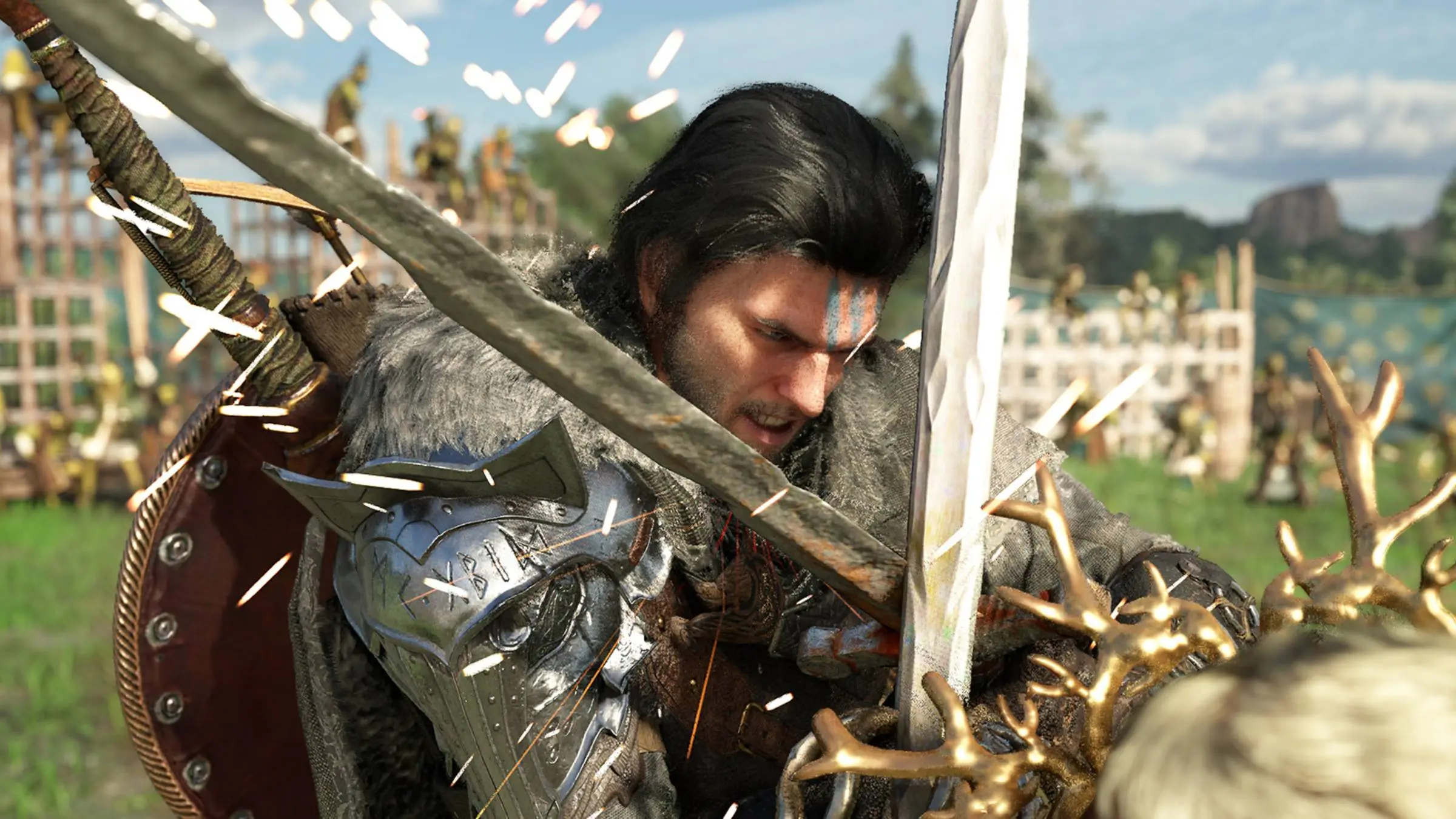
CB: It’s a crowded field out there right now in online gaming — what does the roadmap for Crimson Desert look like going forward, and how does it differ from how other studios are approaching the concept?
Will Powers: I don’t think there’s any wrong answer to monetization. If it works for you and your company, as long as you’re respectful to your customer, it’s fine. I think the core approach from a company that operates in a service model — we’re all creating art that is being purchased. We’re at the service of our customers, the gamers who are consuming the content. Your model has to be reflective and respectful of their time, their money, and ideally both. If we’re asking $70 from you, we are going to be giving you hundreds of hours of content. We’re continuing to make that investment appreciate over time by adding more content. We haven’t discounted the game once. Not because we can’t. If we wanted to, we could get more players into it.
But we don’t want to spurn the fans that were there on day one by making them regret purchasing it then, when they could have saved money by waiting. Instead, we’re adding investment. It would be egotistical not to look around and see other models and reflect and learn from them. I think it’s important to take a bespoke approach with every individual title. What makes sense for this game? We don’t have a live-service model with microtransactions.
I’m not criticizing other games; our game is designed to be different. We’re building a vast, evolving world. The initial learning process can be challenging, but that’s more due to what players expect from games, not the game itself being difficult. This learning phase impacts how long it takes people to start enjoying the game and how long they continue playing. We need to consider how a typical player will experience the game – how many hours should each quest take? It really comes down to each player’s individual approach. The key is to encourage players to move beyond comparing it to games like Soulslike titles, The Witcher, or Skyrim*.
How can we make players truly invested in this as a game in itself? Since everyone experiences the game at a different pace, how do we fairly reward them for their time and money? And, crucially, how do we keep them coming back for more? The answer lies in how we design the game’s economy. There are so many games trying to be everything to everyone, but it’s vital to respect your dedicated players while you grow. If you focus on creating a fantastic experience for your core audience and treat them well, they’ll likely remain loyal and supportive. This game is special because it offers hundreds of hours of content, giving it the potential to keep players engaged for a very long time.
Look, making this game took a massive seven and a half years with tons of developers working on it – we know most companies wouldn’t take that risk on something brand new. So, we’re really excited to announce we’re officially working on some DLC! I’m super careful with how I talk about things because words matter. Everything we’ve released so far, we’ve called updates or patches, and yeah, they’ve been pretty big. But what we’re building now as DLC is different – it’s a real step up in terms of scope and size. You’ll hear more details later, but we’re using the term ‘DLC’ deliberately – it’s not the same as those free updates and patches we’ve been doing.
The rest of our discussion with Will Powers continues below, including the importance of taking criticism alongside accolades, what makes Crimson Desert unique in the gaming landscape, and the importance of the player community on the future of the title.
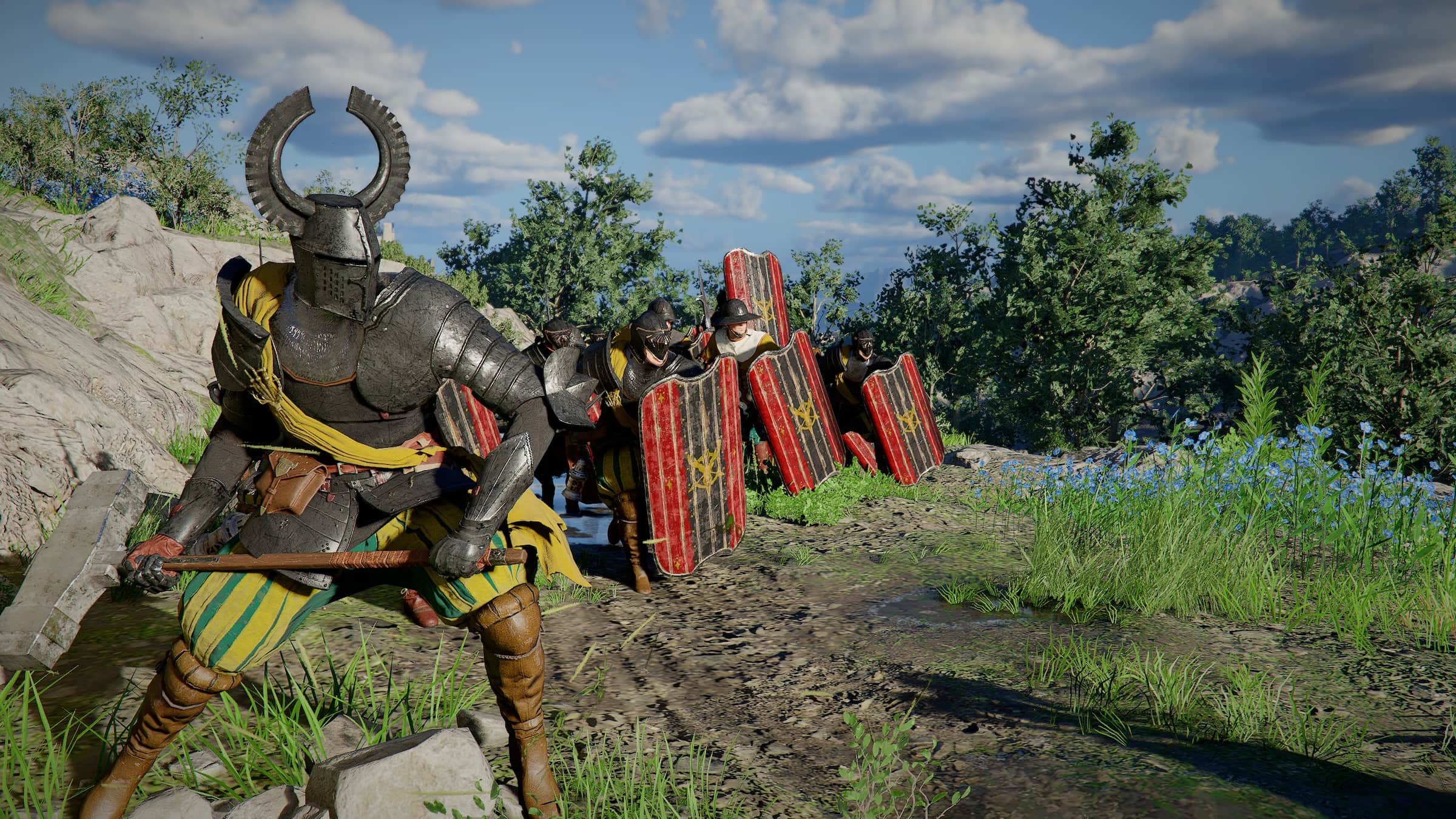
Looking at the success of Crimson Desert with players and critics alike, what has been the reaction internally from the team?
Okay, so it feels like there are two big things people are wondering about with this new project. First, what does all the feedback mean, and then, what does it mean for us as the developers. Honestly, thinking about it, this feels a lot like making a second album as a band. Our first game, Black Desert Online, was a huge success – 55 million players and over $1.7 billion earned! That was amazing for a first try. Now we’re trying to figure out how to top that. We’re switching things up with how we make money too. Instead of the small purchases and microtransactions, we’re going with a straight-up premium model.
We’re trying to match that scale. We’re trying to earn another $1.7 billion. If it has a $70 price tag, then we need to sell 30 million copies to equate the same level of success. That’s the landscape. We were like, okay, even on our best day, we probably won’t be as successful. Okay, challenge accepted. So instead of comparing ourselves to what you were, let’s invest in what this one is. I think once we pivoted there, it became okay. It became about creating Crimson Desert‘s own identity.
Once it stopped living in the shadow of Black Desert and became its own thing, that’s where we saw some resonance. The DNA of the game and the company is the community. If there’s no community, there’s no Black Desert. If there’s no Black Desert, there’s no Crimson Desert. Players in the community are incredibly important to not only the culture of the company but also the sustained success of the company, so being able to have the critical momentum and community feedback is at the forefront of what we do.
What have been the lessons from the rollout that the team is using to inform the rest of the roadmap?
I think it’s interesting… art is inherently subjective. If you’re writing, when are you done writing? When is it perfect? It’s inherently subjective. You need an editor to be able to tell you. Similarly, if you’re creating a game, when is it done? When there’s no demand for it. If there’s a community that’s continuing to be involved in the game, even if we’re not selling them new content, the game is growing. It’s every update, every patch that we’ve done since launch, with almost nearly weekly updates being free added content for players to continue to build and have a bigger experience within the world we’re creating for them. What I think is fascinating is that, going back to the subjectivity of art and the interpretation of art, I’m actually validating criticism, too. If a review says something, it’s not wrong. That is the lived experience with the game.
The team has found the feedback really motivating. We’re focusing on how to use it to make the game better, and we want to be upfront about addressing those criticisms. In my 20 years in this industry, I haven’t seen a single-player game commit to improving its main story after release – and that’s beyond just adding new content or DLC. To be clear, we’re refining the existing story, not rewriting it.
Since launch, our focus has been on adding to the game, not replacing what’s already there. We want to appreciate our long-time players while also offering new and exciting content for those who continue to enjoy the game. We can expand the story with more details about supporting characters, or simply introduce completely new things without affecting the existing experience.
We’ve consistently focused on building upon what we have, and we plan to continue that with our future updates. Instead of making drastic changes, we want to add to the experience. We saw this with the controls – the initial system was controversial because it differed from what players expected. So, we didn’t replace it; we added alternative control schemes as an option, giving players a choice.
What can fans expect from the future of Crimson Desert?
If there’s a demand for something, there’s a world where we’re continuing to make content. There’s a type of marketing where the community does the marketing for you. Maintaining a high player count on Steam is worth marketing. It’s an approach that rewards the personal community by giving them more content so they stay in the experience longer and feel good about spending $70 on the game. I’d rather not buy ads, personally. It has to come from the perception and the DNA of the company.
For a live service game to thrive, consistently tracking daily players is essential. We prioritize maintaining a strong daily active user base, even though it doesn’t directly impact our revenue. Because we don’t have server costs, we’re focused on simply providing a world people enjoy, offering compelling content, and keeping them engaged.
This approach is a big departure from the standard way most big-budget, single-player games make money, because the path to profit isn’t immediately clear. As a public company, we’ve already earned $110 million in profit – not just revenue, but actual profit – after seven and a half years of development. And we’re still adding more content, which is exciting as a gamer. We’re focused on what we can offer players, not how much money we can extract from them, and that comes from prioritizing our community.
Looking back, what’s been the most unexpected part of Crimson Desert’s development and launch?
One thing that really stood out to me was how humble the creative team is. It’s easy for people who lead successful, profitable projects to develop an ego and think they have all the answers. But this team – the developers and creative leads – have stayed remarkably open to ideas coming from anywhere. As someone from the US, I don’t often see that, and it’s incredibly welcome.
I think that humility isn’t something we commonly associate with success. I think humility and success aren’t antitheses of each other. I think they’re just indirect correlations sometimes. Sometimes, humility begets success. We’re seeing that in our approach. How pre-launch, they listened to and worked with the community. Humility is what makes us stand out in the AAA landscape, and it’s what continues to make the game stand out.
Crimson Desert is now available for macOS, PlayStation 5, Windows, and Xbox Series X/S
Read More
- Green Game Jam returns with 70 games teaming up to tackle the climate crisis
- Gold Rate Forecast
- EUR CNY PREDICTION
- USD BRL PREDICTION
- USD TRY PREDICTION
- DOGE PREDICTION. DOGE cryptocurrency
- Fairy Tail Creator Teases Natsu & Lucy’s Romantic Future Ahead of Revival
- Seven Snipers Review: A Sharpshooter Action Movie That Misses More Than It Hits
- SUI PREDICTION. SUI cryptocurrency
- USD HKD PREDICTION
2026-06-11 22:15