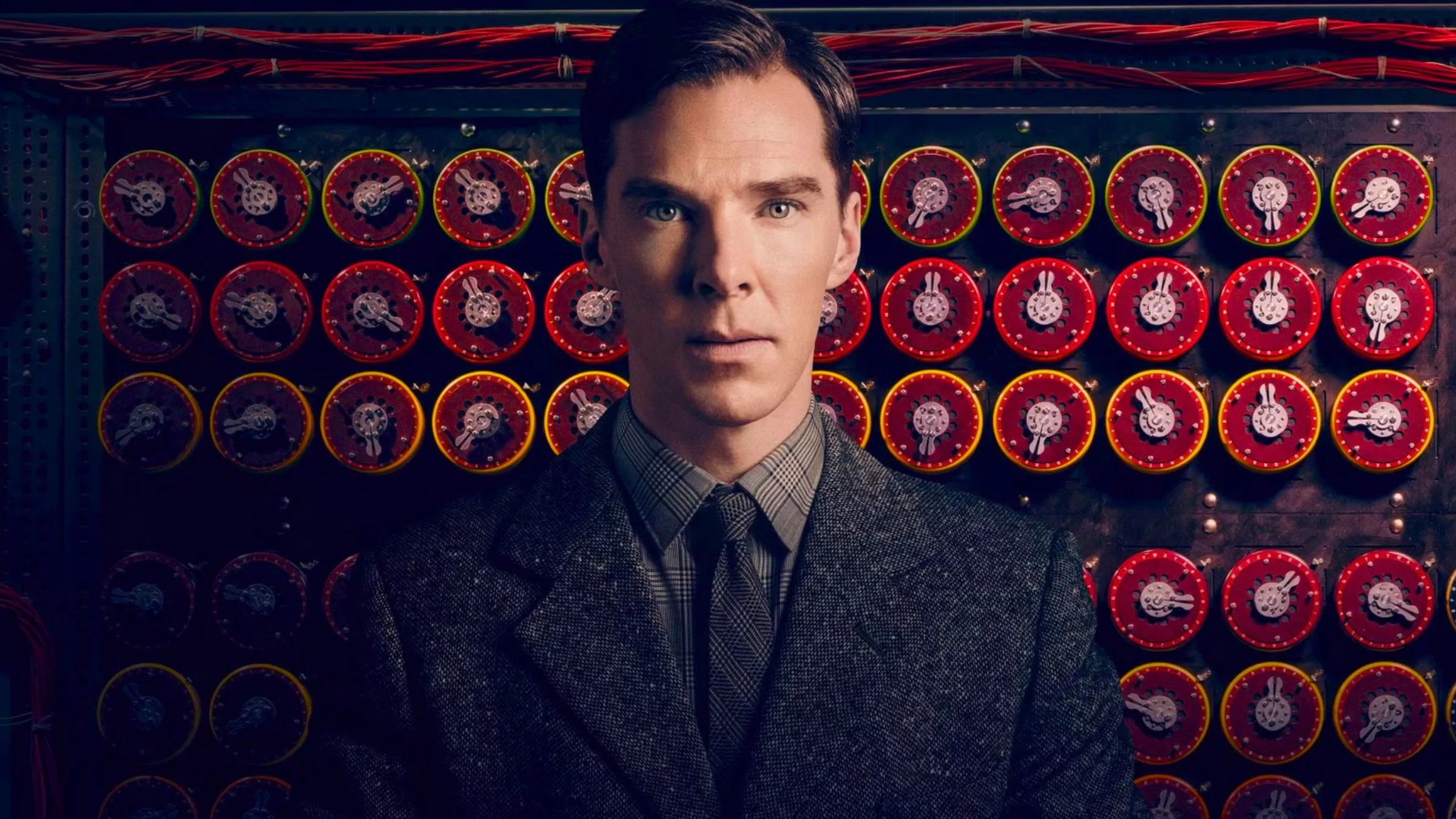
War movies are often spectacular, showcasing the impressive scope Hollywood offers. World War II, in particular, has been featured in many beloved films like Saving Private Ryan, Schindler’s List, Dunkirk, and The Pianist. However, it’s important to remember that these movies don’t always present accurate history. While often advertised as being based on true stories, they frequently change or omit key details for dramatic effect. This creates films that are enjoyable and exciting, but may offer a distorted view of the past.
Sometimes, filmmakers need to make stories easier to understand, which can involve simplifying complicated events. Other times, they create fictional characters, change when things happened, or even change who participated in key moments of the war. Curious about which movies take these liberties? Here’s a ranked list of World War II films that aren’t historically accurate.
5) Red Tails
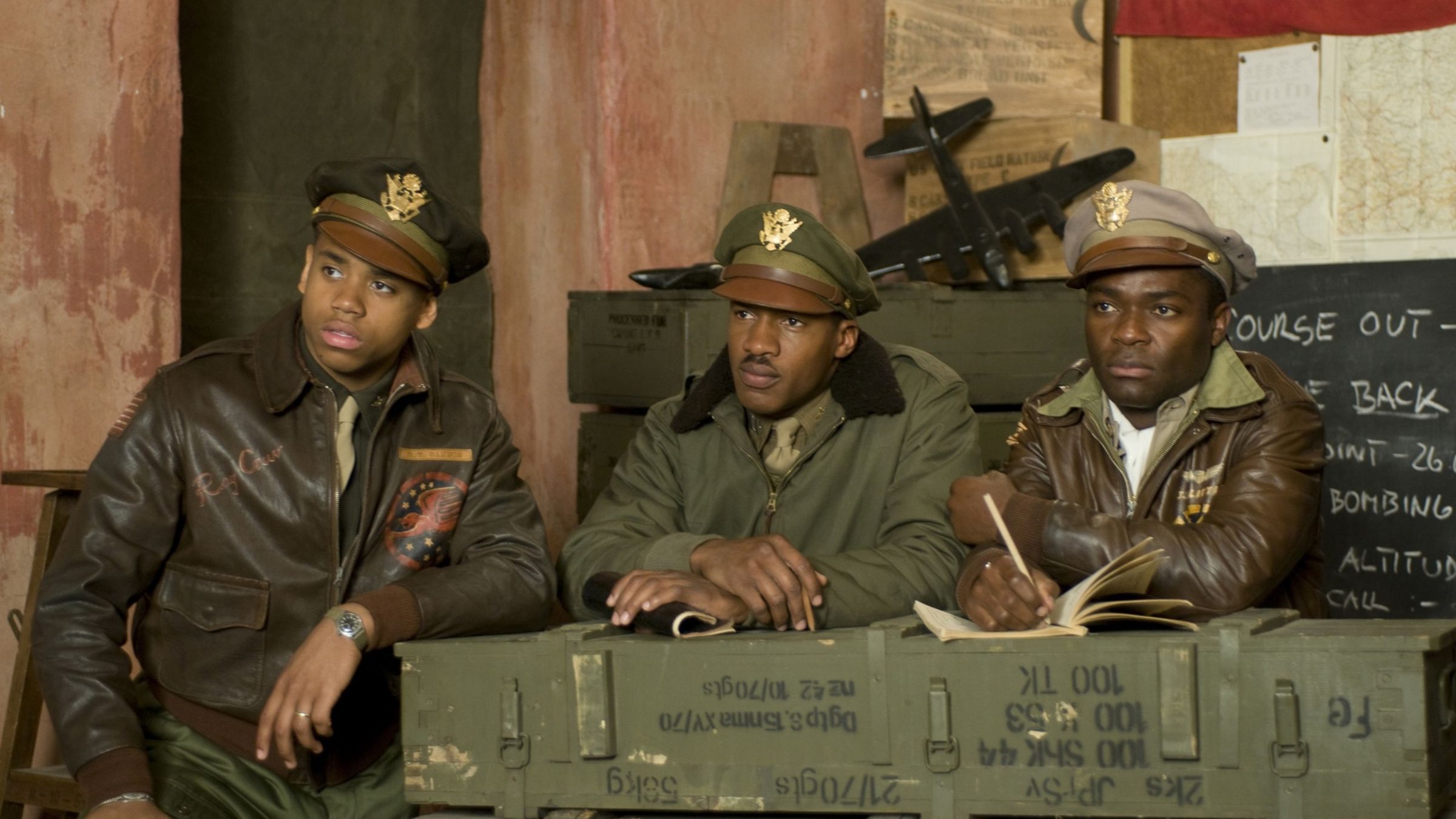
The movie Red Tails tells the story of the Tuskegee Airmen, a group of African American pilots who faced discrimination while serving in World War II and striving to demonstrate their skills. While their story is inspiring and could have made for a powerful film, Red Tails relies too heavily on fictionalized events and exaggerations. Though based on real history, the movie prioritizes excitement over accuracy.
The movie Red Tails could have been more impactful by focusing on the true achievements of the Tuskegee Airmen. Instead, it relies heavily on exaggerated action and unrealistic stunts typical of many war films. While it doesn’t entirely misrepresent their story, these fictionalized elements hold it back, making it a weaker portrayal of their real accomplishments. It would have been much better if the film had stuck closer to what actually happened.
4) The Imitation Game
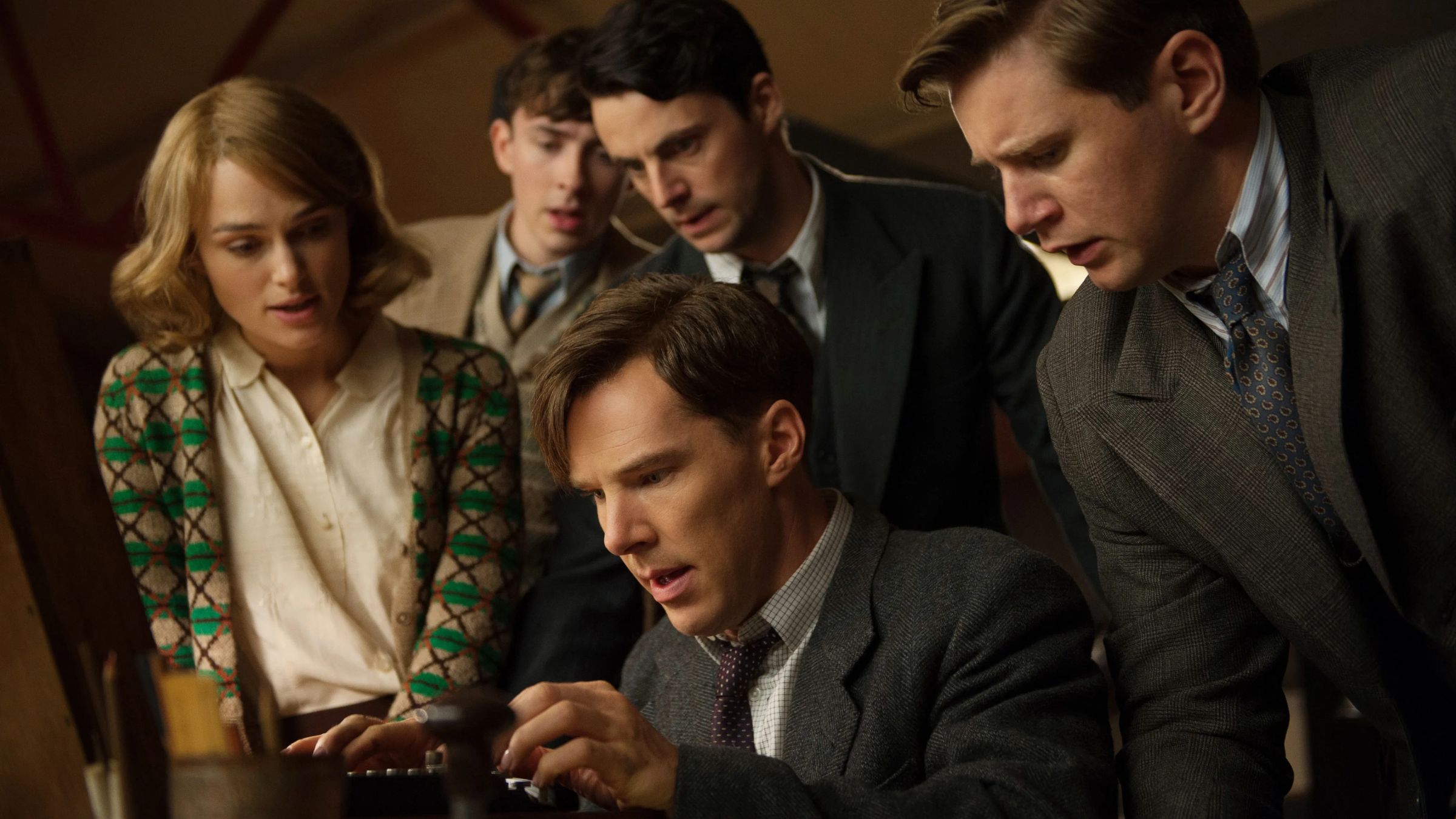
The film The Imitation Game received a lot of positive attention, but it’s often been criticized for presenting a simplified historical narrative. While the movie accurately portrays Alan Turing (played by Benedict Cumberbatch) and his vital work breaking the Enigma code during World War II – an effort that significantly helped the Allied forces – it incorrectly suggests he worked largely alone. In reality, cracking the code was a huge team effort, not the achievement of a single individual.
To make the story more exciting, The Imitation Game adds fictional conflicts, simplifies important connections, and creates challenges that weren’t entirely real. While this doesn’t ruin it as a movie – it’s still very entertaining – it does mean the film takes liberties with historical facts. It’s a compelling and well-made movie, but it often prioritizes dramatic effect over strict accuracy.
3) Enemy at the Gates

Many viewers first learned about the Battle of Stalingrad from the movie Enemy at the Gates, which likely explains its continued popularity among war film enthusiasts. The film centers on Soviet sniper Vassili Zaitsev (played by Jude Law) and his role as a symbol of defiance during the incredibly harsh fighting of World War II. However, while drawing on real history, the movie mixes in myth, guesswork, and dramatic license, ultimately presenting a Hollywood-style take on events rather than a truly accurate portrayal.
What makes Enemy at the Gates stand out—and also problematic—is that some of its most iconic scenes actually perpetuated inaccurate ideas about the Soviet Army. Even today, historians continue to debate whether the central sniper battle depicted in the film really happened as shown. This doesn’t make it a poor movie; however, it prioritizes creating suspense, competition, and emotional impact over historical accuracy regarding the events at Stalingrad.
2) U-571
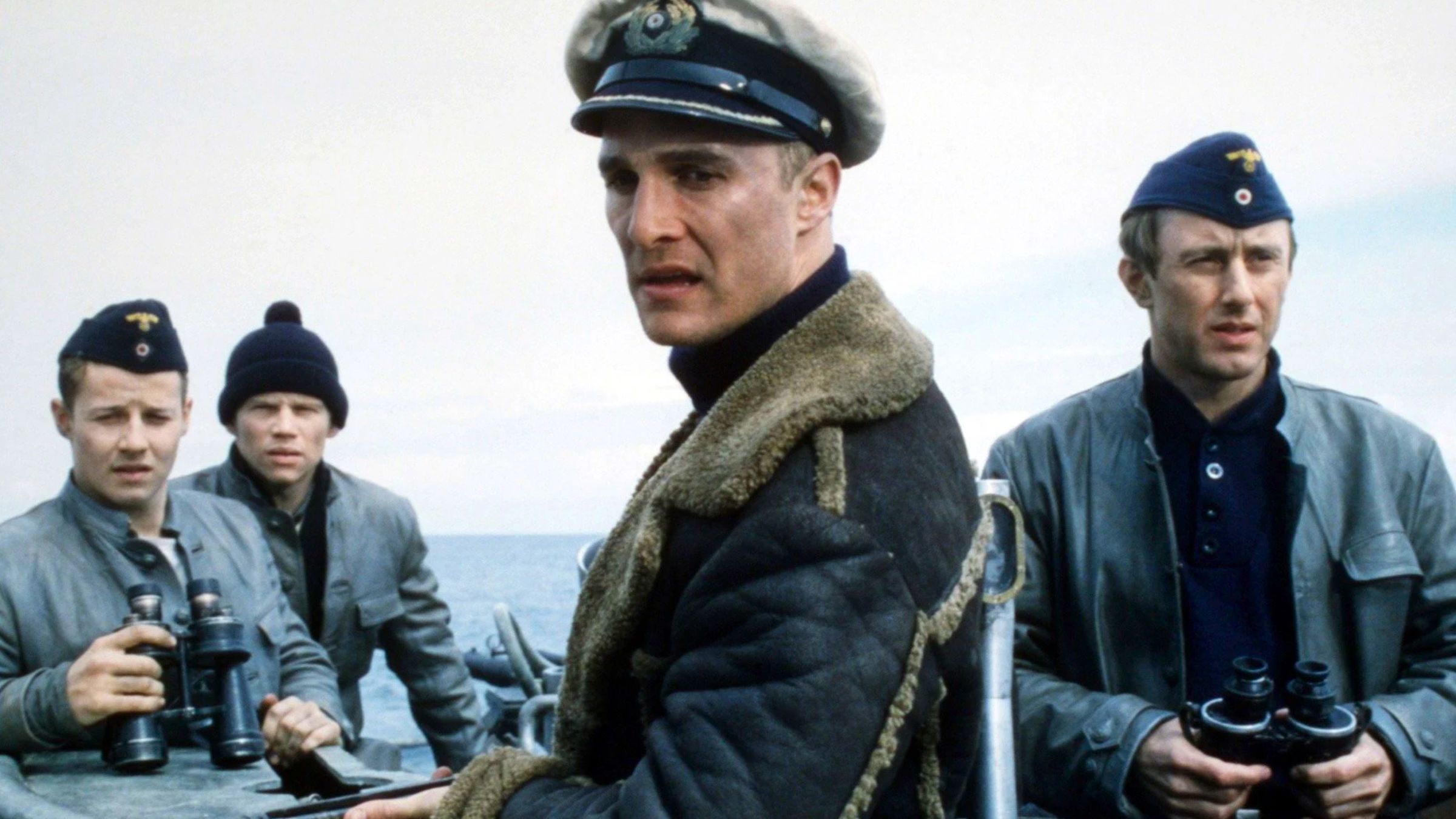
Now, things get tricky. While some movies take liberties with history, others completely rewrite it – and U-571 is a prime example. The film depicts American sailors undertaking a perilous mission to seize a German Enigma machine (as also seen in The Imitation Game). However, the real story is that this wasn’t an American accomplishment; it was British codebreakers who actually carried out these operations.
The film U-571 sparks debate because it doesn’t simply take liberties with history—it drastically alters the true story of a crucial codebreaking achievement during wartime. This historical inaccuracy became so well-known that it overshadows the plot itself. While the movie is genuinely thrilling as entertainment, it’s difficult to ignore the controversy surrounding its depiction of events.
1) Pearl Harbor
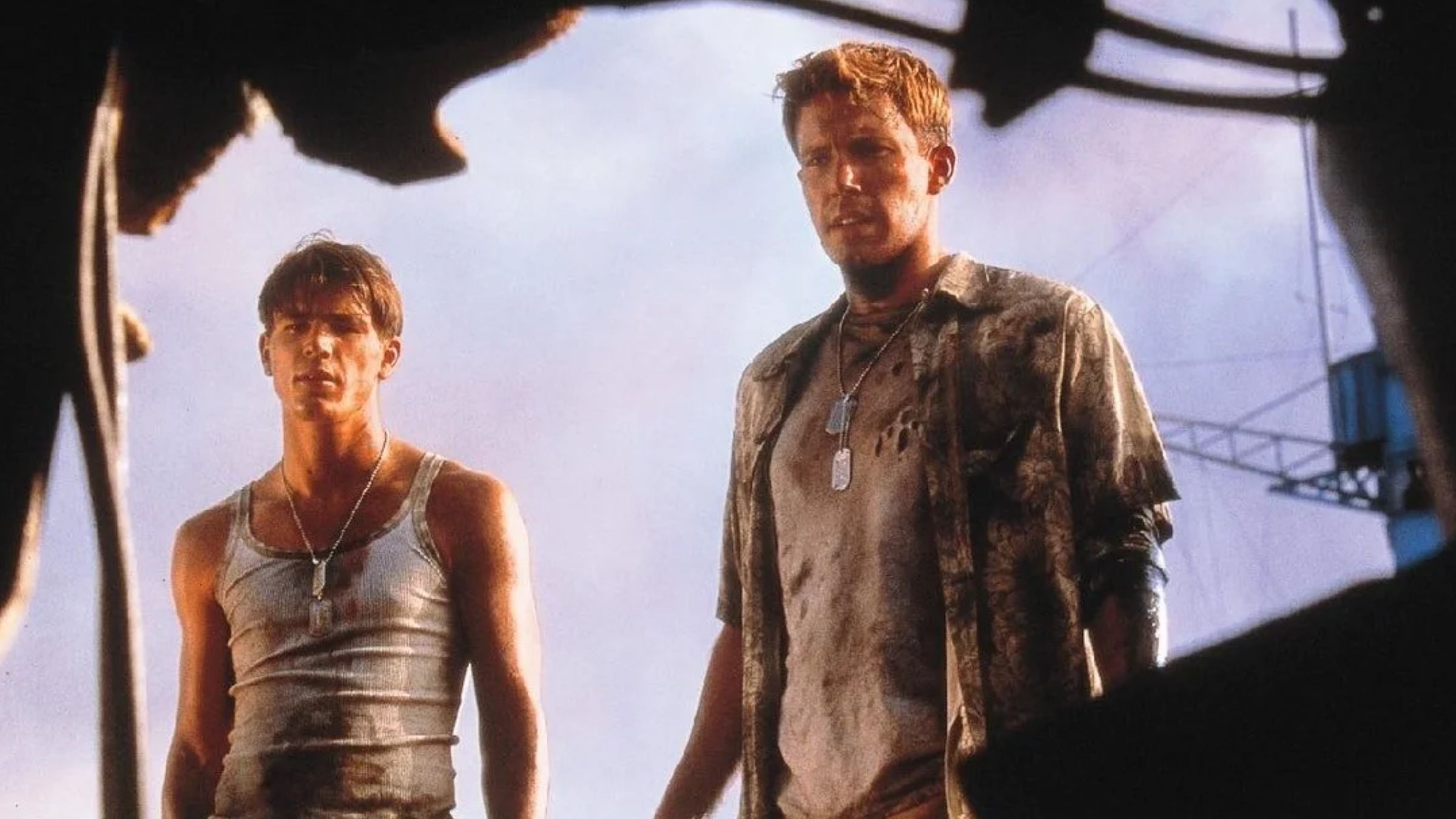
While Pearl Harbor is a well-known war film, it prioritizes grand visuals over getting the history right. The story centers on Rafe and Danny, two pilots, and Evelyn, a nurse, who are involved in a romantic triangle as the attack on Pearl Harbor – which led to America entering World War II – unfolds. It sounds like a promising historical drama, but the movie frequently bends the truth for dramatic effect.
Throughout the film, actual historical events feel secondary to exciting action scenes and romantic storylines. The movie places made-up characters in the middle of important moments, changes when things happened to make the story more dramatic, and focuses on heroic portrayals. Essentially, Pearl Harbor is a classic blockbuster designed to evoke strong emotions, look impressive, and provide entertainment – even if it sacrifices historical accuracy.
Read More
- Green Game Jam returns with 70 games teaming up to tackle the climate crisis
- Gold Rate Forecast
- PI PREDICTION. PI cryptocurrency
- EUR CNY PREDICTION
- USD BRL PREDICTION
- USD HKD PREDICTION
- USD TRY PREDICTION
- DOGE PREDICTION. DOGE cryptocurrency
- EUR KRW PREDICTION
- SUI PREDICTION. SUI cryptocurrency
2026-06-12 18:14