
Padmé Amidala quickly became a standout character when she first appeared in Star Wars: Episode I – The Phantom Menace. Initially, she cleverly disguised herself as both queen and handmaiden, fooling even those around her. But once her true identity was known, audiences could see she was a brave, wise, and complex person.
Even early on, the story suggested Padmé Amidala would become Anakin Skywalker’s love interest and the mother of Luke Skywalker and Leia Organa, despite the noticeable age difference between the actors. This hinted she’d play a major role in the following two films, which she did. However, her character wasn’t developed as well as it could have been throughout the prequel trilogy – it actually took six years of subsequent Star Wars movies and TV shows to fully realize her potential.
Padmé’s Characterization Was Diminished Later In The Prequels
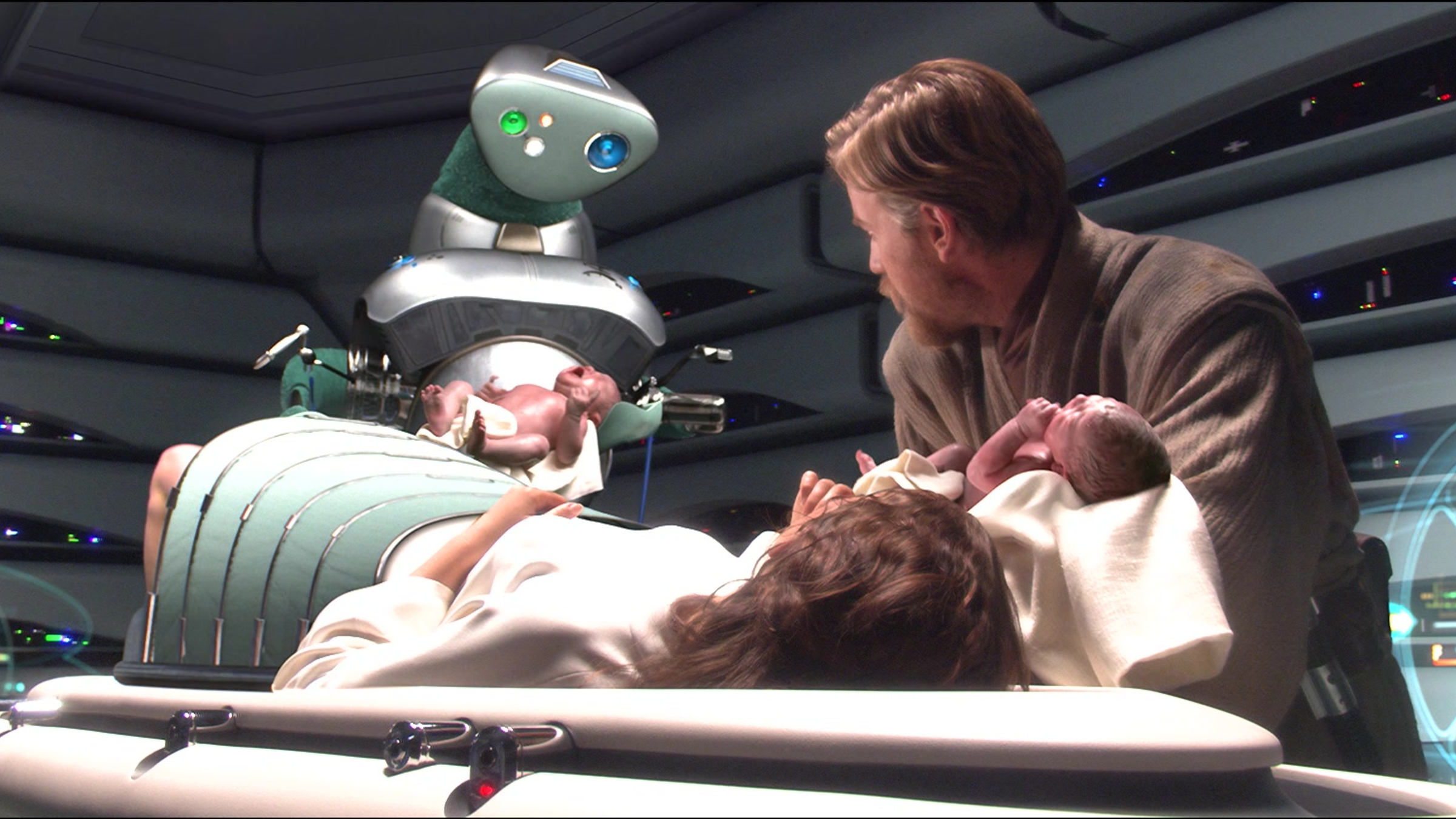
As we saw in The Phantom Menace, Padmé was established as a capable and smart individual. Even as a teenager, she bravely faced the Battle of Naboo and risked her life going undercover to protect her people. When Attack of the Clones started and showed Padmé as a senator facing new dangers, it appeared this strong portrayal would continue.
That’s not quite how things played out, though. Although Padmé initially appeared unchanged, her relationship with Anakin gradually diminished her personality and the qualities fans had grown to appreciate. A particularly problematic moment was when Anakin admitted to murdering the Tusken Raiders – including women and children – and Padmé surprisingly responded by saying anger was a natural emotion. This felt very different from the Padmé we met in The Phantom Menace, who would never have so easily dismissed such a horrific act of violence.
Unfortunately, Star Wars: Episode III – Revenge of the Sith didn’t improve things for Padmé Amidala. Although she had some strong moments, like her famous speech about freedom, her story mostly revolved around Anakin Skywalker. Similar to how she reacted after his attack on the Tusken Raiders, she continued to justify his actions. Disturbingly, she even travels to Mustafar knowing Obi-Wan believes Anakin has committed terrible acts – murdering children – and still tries to convince him to run away with her.
Even more troubling, Revenge of the Sith doesn’t clearly explain Padmé’s death, and none of the possible explanations are satisfying. Many fans believe she died of heartbreak, but the movie only states she lost her will to live. This feels out of character for Padmé, who was always a strong fighter and wouldn’t have abandoned her newborn twins in such a dangerous world.
A popular fan theory tries to explain some of the issues with Padmé’s death: it suggests Palpatine used her life force to heal Anakin after his duel on Mustafar. However, even that doesn’t fully address why Padmé, in her final moments, focused on believing there was still good in Anakin instead of asking Obi-Wan to protect their children. Overall, Padmé’s character felt weaker throughout the prequel films. Fortunately, a Star Wars story released six years after Attack of the Clones helped improve this.
Padmé Holds Anakin Accountable In The Clone Wars
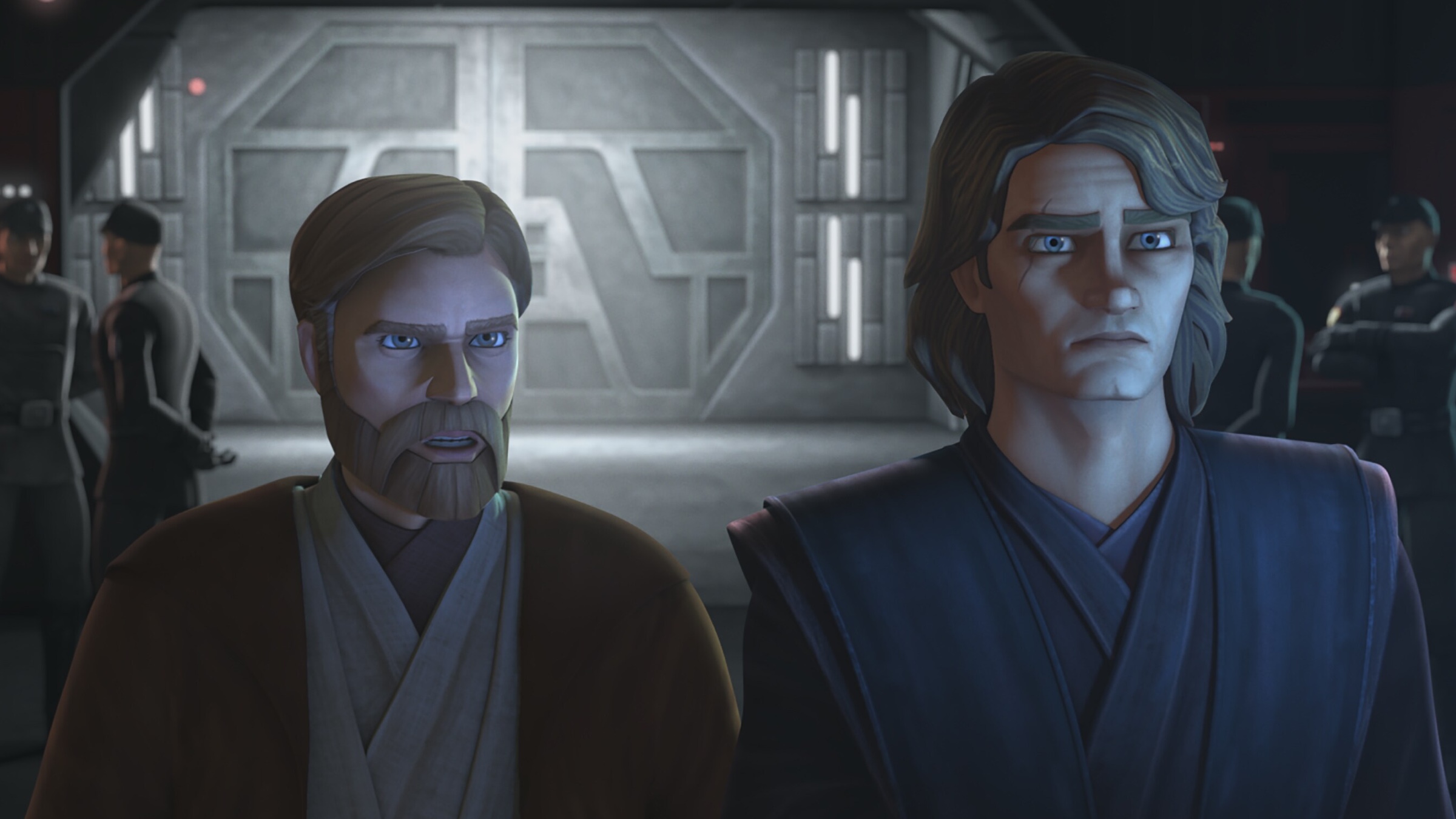
A major problem with Padmé’s character in the Star Wars prequels, especially towards the end, is that she often accepts Anakin’s questionable and sometimes terrible actions, like what happens with the Tusken Raiders. However, the Clone Wars animated series, which came out six years after Attack of the Clones, shows a different side of Padmé. In that series, she actually challenges Anakin and holds him responsible for his behavior in ways we don’t see in the films.
A key moment highlighting Padmé’s character occurs when Anakin violently attacks Rush Clovis. Instead of accepting Anakin’s rage, Padmé ends their relationship, leading to their most difficult period. This demonstrates a new side to Padmé, and while it’s troubling she seemed more concerned about Clovis’s well-being than the deaths of Tusken children, it was a significant step forward in showing her strength and boundaries.
Padmé Was A Political Hero In The Clone Wars

Padmé’s character is more fully developed in The Clone Wars, and thankfully, her story isn’t defined solely by her romance with Anakin. The show also gives her a much larger role in galactic politics. While The Clone Wars had seven seasons to explore her character compared to the movies’ limited runtime, it still made a big difference. We even learn that Padmé nearly succeeded in brokering peace with the Separatists through her bond with Mina Bonteri, but Palpatine and Count Dooku intervened to stop them.
It’s particularly disappointing that deleted scenes from Revenge of the Sith showed a much stronger and more proactive side of Padmé, even illustrating her role in starting the Rebellion with characters like Bail Organa and Mon Mothma. The finished film, unfortunately, presented her mainly as Anakin’s grieving wife who lost hope. Luckily, The Clone Wars series helped to restore her character and show her full potential.
Read More
- Green Game Jam returns with 70 games teaming up to tackle the climate crisis
- PI PREDICTION. PI cryptocurrency
- Gold Rate Forecast
- Black Clover Confirms Special Chapter After Manga Finale
- USD HKD PREDICTION
- Brent Oil Forecast
- USD THB PREDICTION
- USD AUD PREDICTION
- EUR KRW PREDICTION
- USD CAD PREDICTION
2026-06-14 23:19