
As a gamer, I’ve been watching the industry change, and honestly, it’s a bit worrying. It should be getting better with all the new tech, but lately it feels like things are going in the wrong direction. Games are getting crazy expensive to make, which means studios are getting bigger and taking way longer to finish projects. Coming up with cool new ideas also costs a fortune. What’s happening is we’re seeing fewer games actually come out, and even worse, studios are shutting down, people are losing their jobs, and promising games are just getting canceled. It’s a tough time, and it makes me wonder where things are headed.
The world of high-budget game development is becoming increasingly shaky, and its long-term prospects are unclear. The industry is moving too quickly, and if things continue at this pace, we’re likely to see more game studios close and talented developers lose their jobs. Luckily, there’s a potential fix – one we’ve known about for a while but haven’t fully embraced: focusing on making smaller games and scaling back the pursuit of increasingly expensive and complex technology. This approach is viable, but significant changes need to happen quickly.
Photorealistic Visuals Need To Be A Thing Of The Past

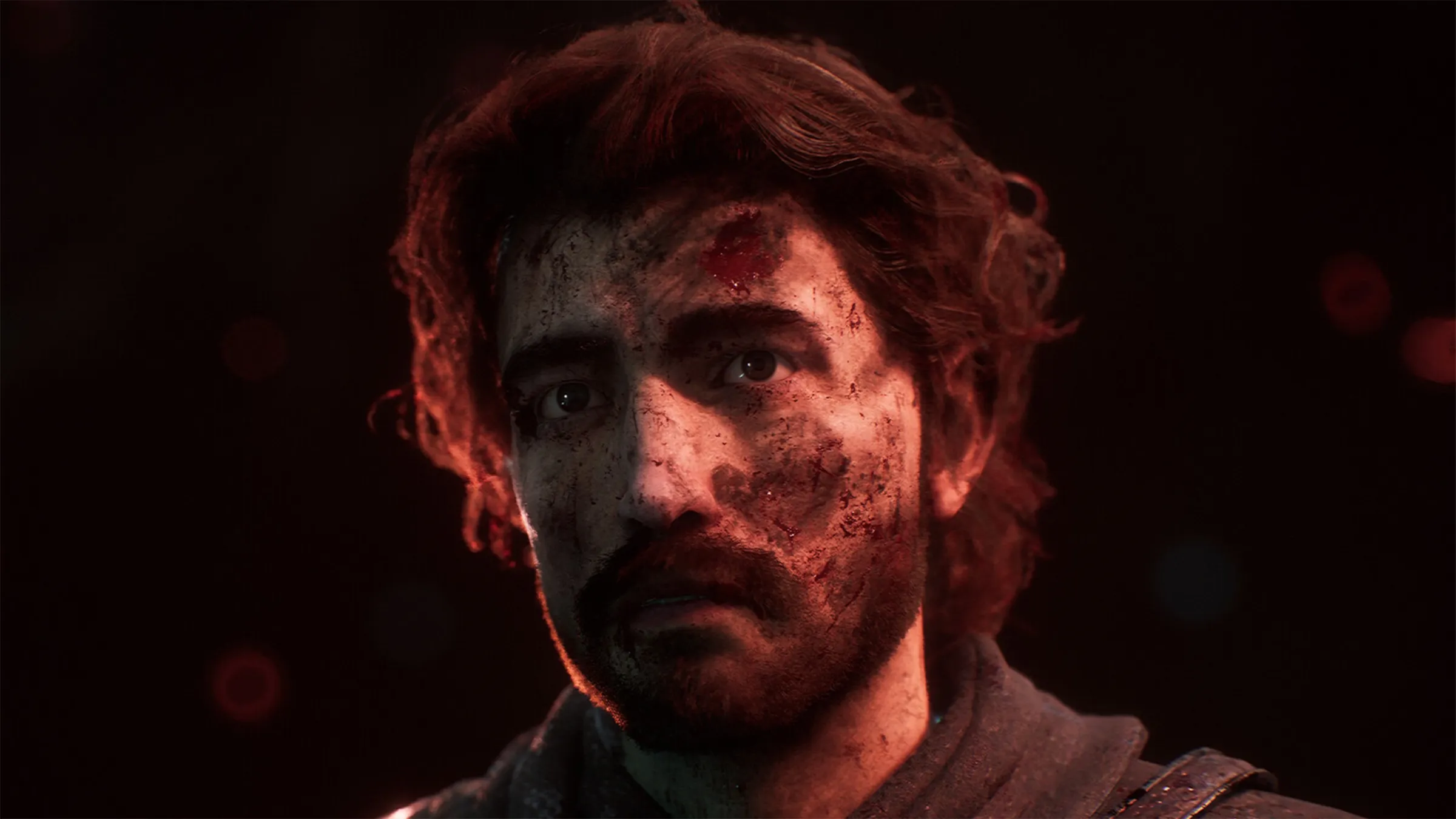
It’s easy to understand why so many big game developers chase incredibly realistic graphics. They often prioritize stunning visuals over a unique art style, aiming for a cinematic look that can powerfully convey emotion – much like a movie. While this can blur the line between games and film, it’s a sensible approach. Realistic graphics offer a way to present a story in a way that feels familiar and high-quality to players, which is especially important now that games are becoming more expensive. Ultimately, it’s simpler to impress people with a game’s graphics in a trailer than to explain complex new gameplay mechanics.
The drive for increasingly realistic graphics in games has led developers to overlook what makes gaming special, and it’s also made game development much more expensive. As studios invest more in photorealistic visuals – particularly if they create their own game engines – the cost of games for players goes up, and this trend is likely to continue. Unlike stylized graphics, realistic visuals quickly look outdated, forcing developers to constantly spend even more money to stay current and avoid looking old-fashioned.
The focus on increasingly detailed graphics isn’t limited to cutscenes; it’s driving up the overall cost of game development. This explains why game file sizes are growing so rapidly and why it takes longer and longer to create games. I believe it’s also hindering innovation in gameplay. It’s becoming a real issue for the industry that games can take five years to develop, only to feel similar to titles released a decade earlier. This is likely why sales are declining for established franchises like Call of Duty and Assassin’s Creed, even though these games look impressive.
To stay relevant, video games need to focus on innovative gameplay, not just better graphics. While visuals are important, truly great games are built on how fun they are to play. This is why smaller, independent studios can often create incredibly successful and influential games, even without the huge budgets needed for photorealistic graphics. While some games, like Kingdom Come: Deliverance 2, benefit from those high-end visuals, the constant push for technological advancement is generally harming the gaming industry and actually making big-budget AAA games less enjoyable.
Consistently Released Smaller Games Are The Way Forward
It’s a pattern we’ve seen before: the video game industry is facing similar problems to the blockbuster movie industry. Movies are now incredibly expensive to make—often costing hundreds of millions of dollars—yet they often feel unoriginal and look no different than lower-budget films. They’ve lost the creativity, visual style, and strong storytelling of older, independent films, instead relying on quick CGI effects, famous actors whose popularity fades quickly, and well-known franchises. Ultimately, many viewers don’t find them worthwhile, and that’s showing up in lower ticket sales for major movie studios.
Luckily, companies like A24 and Neon have found a smart solution: make movies with smaller budgets. This allows them to profit significantly when a film becomes a hit. Because the initial cost is much lower than for big-budget blockbusters, they can take chances on creative projects from up-and-coming directors. This strategy works because if even one of their independently made or distributed films gains traction – and social media and word-of-mouth often help with that – the profits can easily cover any losses from other films. This is a proven model, similar to how successful indie games like Kingdom Come: Deliverance, Baldur’s Gate 3, and Clair Obscur: Expedition 33 have become popular and financially successful.
Honestly, I think Nintendo’s onto something. They really focus on making fun games and getting them out regularly, instead of chasing super-realistic graphics that other big companies seem obsessed with. Even though their Switch isn’t as powerful as the PlayStation or Xbox, they’re doing great! They haven’t had to lay off a ton of people or shut down studios, and we don’t see nearly as many of their games get cancelled. It just feels like they’re doing things the right way.
Instead of pouring all their resources into a few games that follow predictable patterns, big game studios should release one major title and a variety of smaller, more original games. I’m not saying we should get rid of realistic graphics altogether – they still have a place. However, I believe large studios would be more successful if they went back to older design principles, stopped striving for impossible technological advancements, and instead focused on creating many well-made, less expensive games that emphasize strong gameplay and distinctive art styles.
The Games Industry Needs To Change, And Fast
It’s not just realistic graphics causing problems in the video game industry. Other issues are at play, including poor handling of popular game series and development teams. Global events, like the pandemic, also contributed, leading to companies hiring too many people and setting financial goals they couldn’t achieve in the long run.
Honestly, it’s kinda frustrating seeing everyone rush to make the next big live service game. They keep adding costs and hoping enough players stick around for the long haul, which is super hard when there are so many games competing for our time. It’s actually what led to layoffs at big companies like NetEase, the team making Marvel Rivals – it’s a tough situation all around.
The industry needs to adapt to continue its success without resorting to layoffs and studio closures. I believe a good first step would be to prioritize gameplay over cinematic presentation. We should focus on innovative mechanics, fresh takes on established franchises, and creating experiences unique to the world of video games.
Just like Disney’s live-action remakes often fall short compared to the original animated films, overly realistic graphics in video games tend to highlight technical flaws instead of improving the core gameplay. We should focus on what makes video games unique and deliver amazing experiences that only talented game developers can create, rather than trying to mimic movies.
What ideas do you have to improve the gaming industry? Share your thoughts in the comments and join the discussion on the ComicBook Forum!
https://comicbook.com/gaming/list/mmos-never-released/embed/#
Read More
- Surprise Isekai Anime Confirms Season 2 With New Crunchyroll Streaming Release
- The Super Mario Galaxy Movie: 50 Easter Eggs, References & Major Cameos Explained
- Starfield (PS5) Review – A Successful Cross-Console Voyage
- 10 Best Free Games on Steam in 2026, Ranked
- All 7 New Supes In The Boys Season 5 & Their Powers Explained
- Preview: Sword Art Online Returns to PS5 as a Darker Open World Action RPG This Summer
- ‘Project Hail Mary’: The Biggest Differences From the Book, Explained
- Skate 4 – Manny Go Round Goals Guide | All of the Above Sequence
- Frieren: Beyond Journey’s End Gets a New Release After Season 2 Finale
- Sydney Sweeney’s The Housemaid 2 Sets Streaming Release Date
2026-03-02 23:17