I’ve been reading Stephen King for years, and it’s amazing to think he’s been consistently publishing books for over fifty years! Even when one of his stories isn’t a total knockout, you can still tell he’s a master of creating believable worlds and characters. He’s just so good at building suspense and making you genuinely scared, whether it’s with vampires, rabid dogs, haunted places, or terrifying clowns. He really pulls you in for a good nightmare! And what’s really impressive is that he hasn’t had a bad decade yet. A lot of people think his 70s work is his best – with books like Carrie, ‘Salem’s Lot, The Shining, The Stand, and The Dead Zone – but it’s not like he hit his peak early on. He’s still delivering great stories!
He burst onto the scene with a strong beginning and consistently produced a diverse collection of novels throughout the 1980s, releasing an impressive 18 books – including novels, short story collections, and a picture-rich novella. We’ve ranked them all, because even a remarkably talented author like Stephen King can’t maintain peak quality while writing so prolifically. While many are excellent, some simply aren’t as strong. We’ve excluded his nonfiction work, Danse Macabre, and the art book Nightmares in the Sky: Gargoyles and Grotesques from this ranking.
18) The Tommyknockers
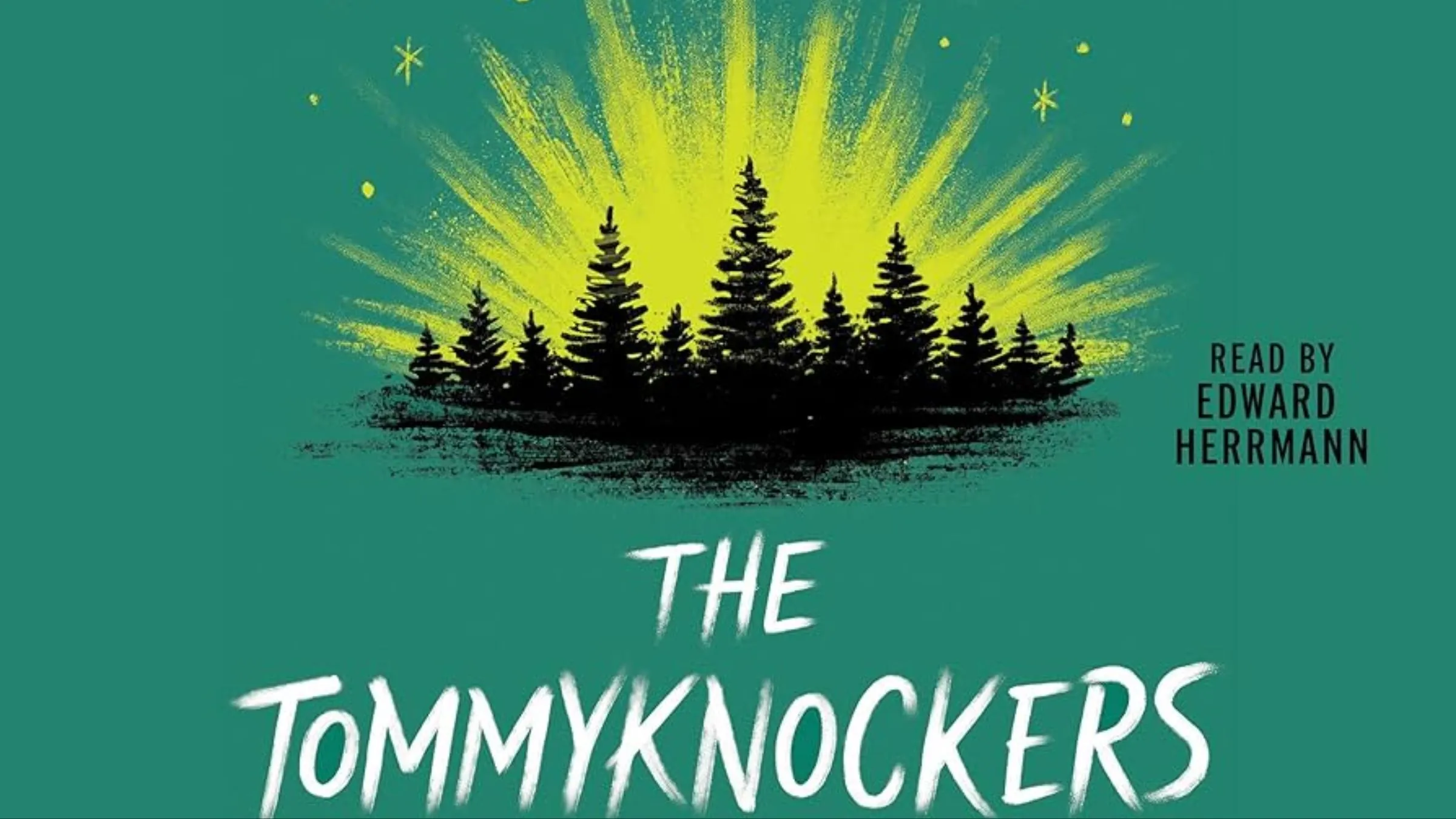
Similar to Dreamcatcher, The Tommyknockers is a science fiction horror novel that Stephen King has openly criticized. He was struggling with addiction while writing it, and he acknowledges that this led to a bloated story that could have been much more concise. Even if the story were tighter, it still wouldn’t rank among his best works.
17) Roadwork
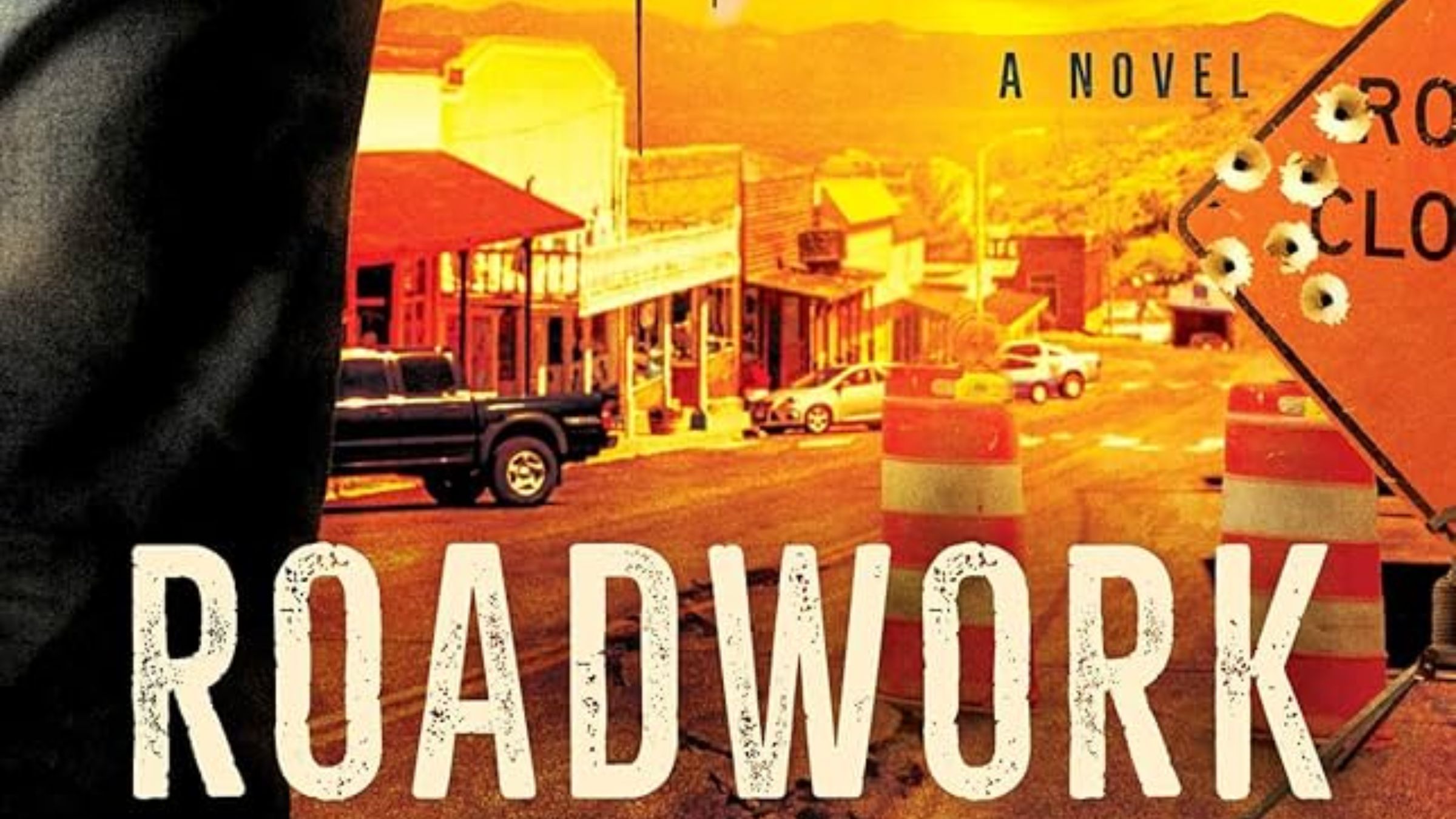
Stephen King published seven books under the name Richard Bachman, and three of those came out in the 1980s: Roadwork, The Running Man, and Thinner. While two of these books aren’t essential reads, The Running Man stands out. Roadwork is better than The Tommyknockers because it’s a focused story, but it’s a fairly standard tale of one person against the world and doesn’t feel uniquely King.
16) Thinner
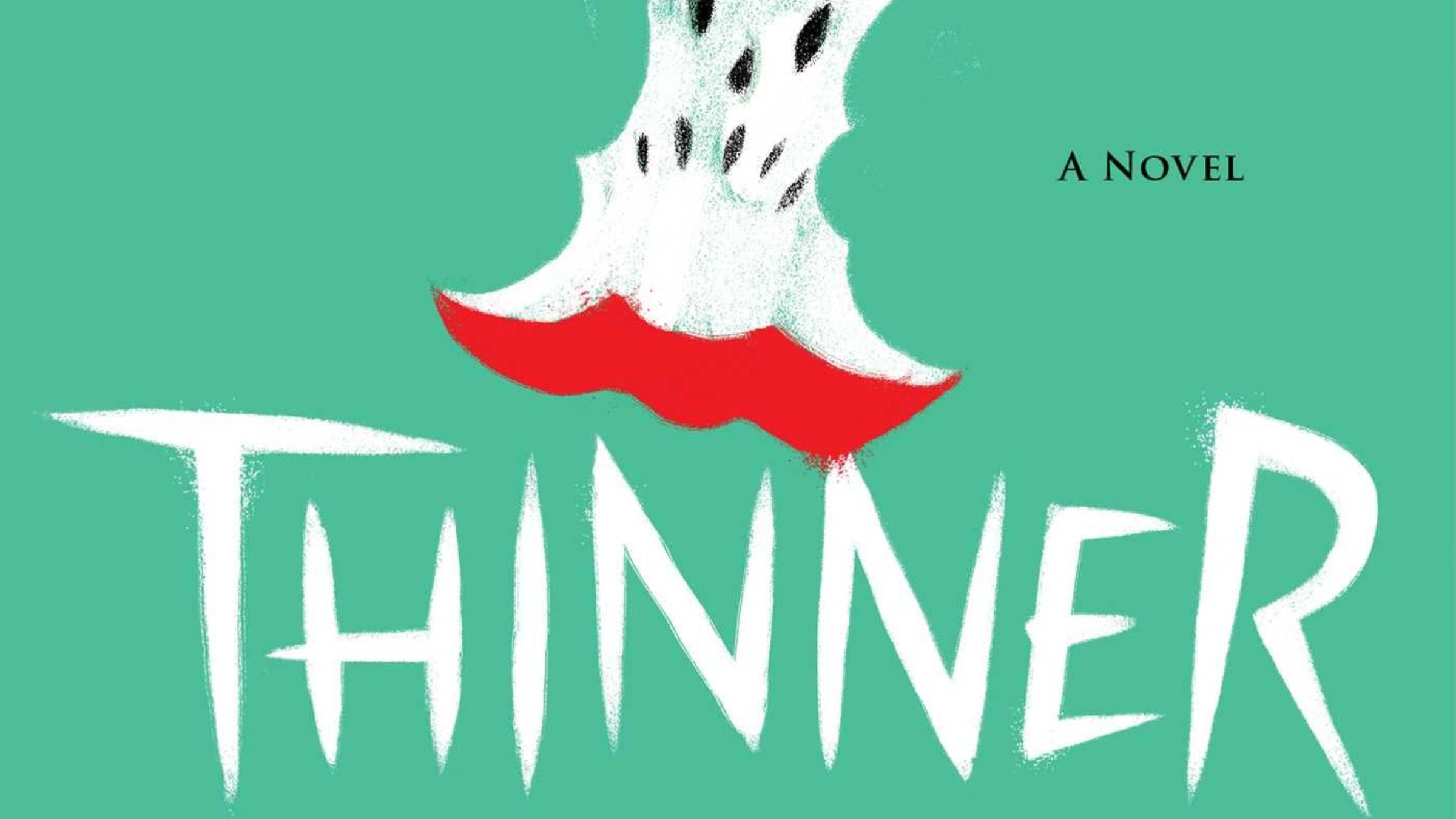
While Thinner is a bit better than its film adaptation, the difference isn’t huge. The story, about a lawyer who causes the death of a Romani woman and is then cursed, suffers from having a protagonist who is difficult to root for – he’s just not very likable, making it hard to connect with the story. The book has a strong concept and a truly impressive, dark conclusion, but overall, it’s a fairly minor work by the author.
15) The Eyes of the Dragon

In 1984, Stephen King largely moved away from writing horror, experimenting with other genres. He published Thinner, as well as two fantasy novels: The Talisman (co-authored with Peter Straub) and The Eyes of the Dragon. The Eyes of the Dragon represented a significant departure for King, and the negative response from readers partly inspired him to write Misery. While it wasn’t as poorly received as some fans claimed, it’s a young adult fantasy novel written by someone relatively new to the genre. The inclusion of the character Randall Flagg is a nice touch, but otherwise, The Eyes of the Dragon is mostly for dedicated King enthusiasts.
14) The Talisman
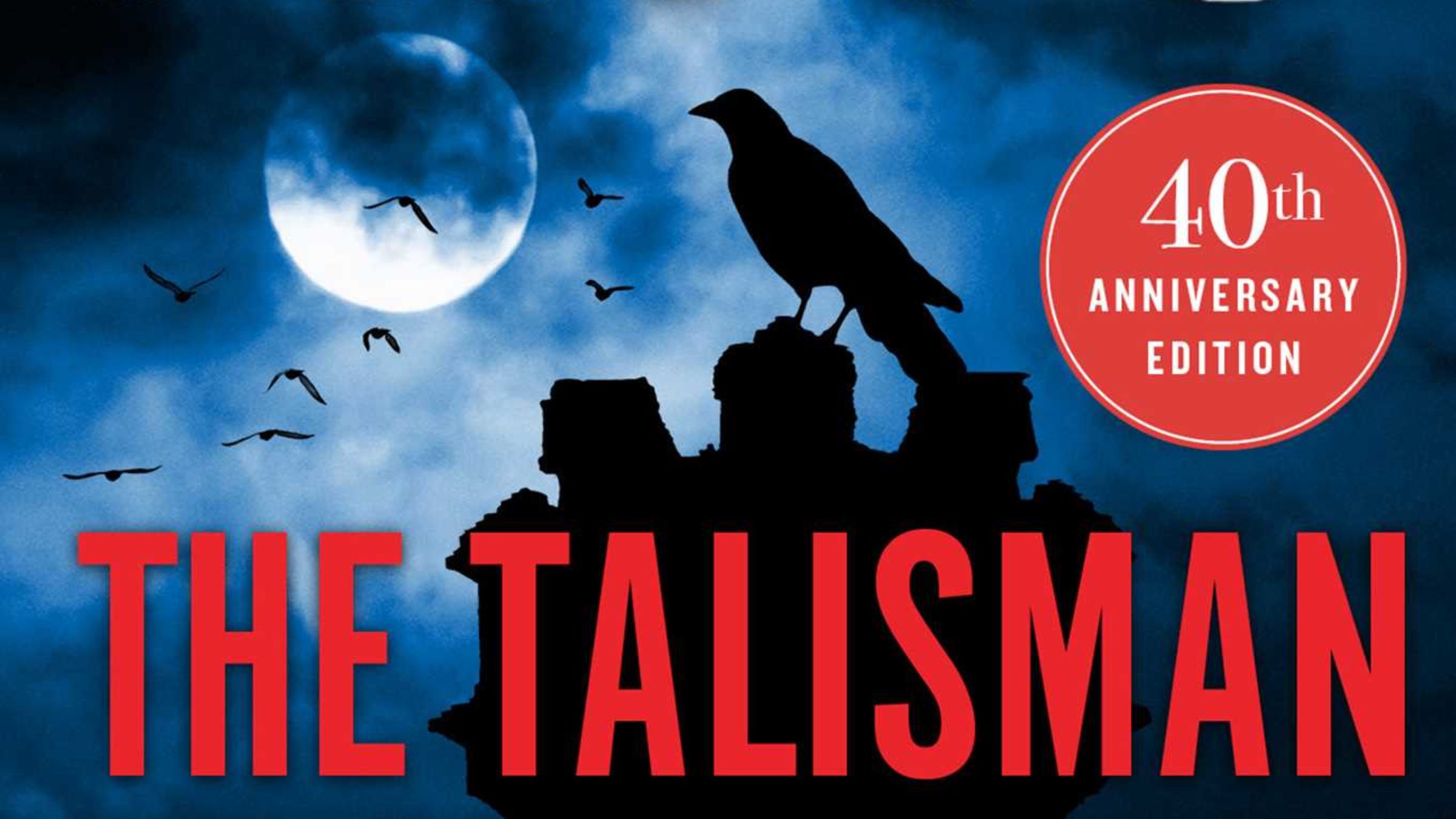
Both The Talisman and The Eyes of the Dragon show King stepping outside of his usual writing style and experimenting with new ideas, though not without some issues. The Talisman, in particular, is interesting because it was a collaboration with another author, which sometimes leads to conflicting writing styles. Despite this, the story’s emotional core—a son trying to save his dying mother by venturing into another dimension—is compelling, and the book works well when it stays focused on that central plot.
13) The Dark Tower: The Gunslinger
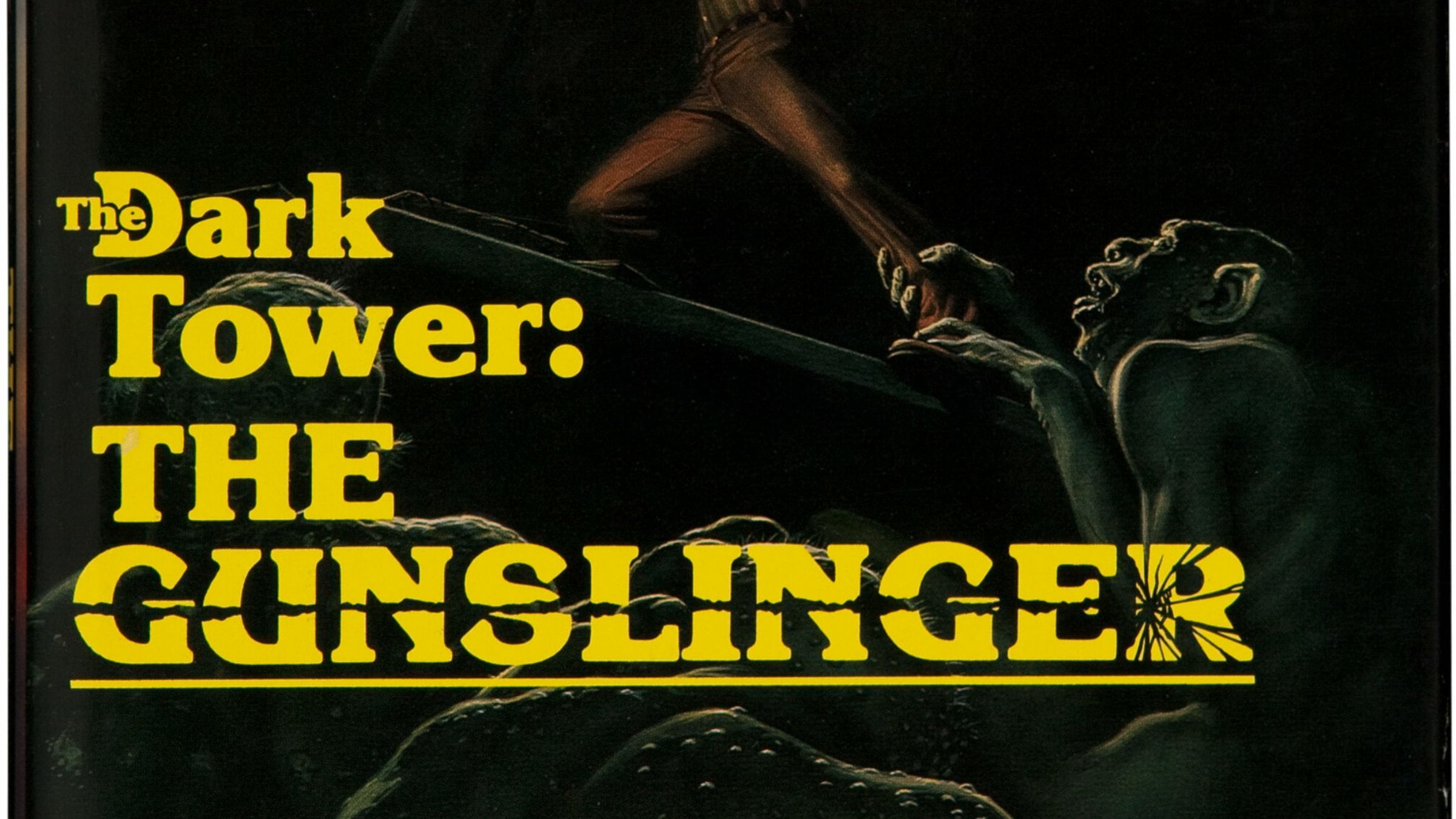
Stephen King’s The Dark Tower: The Gunslinger was a labor of love, taking over a dozen years to complete its 224 pages. It’s a fantastic introduction to King’s most ambitious and interconnected world, and shares similarities with The Stand, especially through the recurring character of Randall Flagg, also known as The Man in Black. While it’s a fantasy novel like The Talisman and The Eyes of the Dragon, it feels more personal and distinctly King-like in its writing style. This book is particularly noteworthy because the ranking reflects the improved 2003 revision, which fixed some inconsistencies in the story.
12) Firestarter
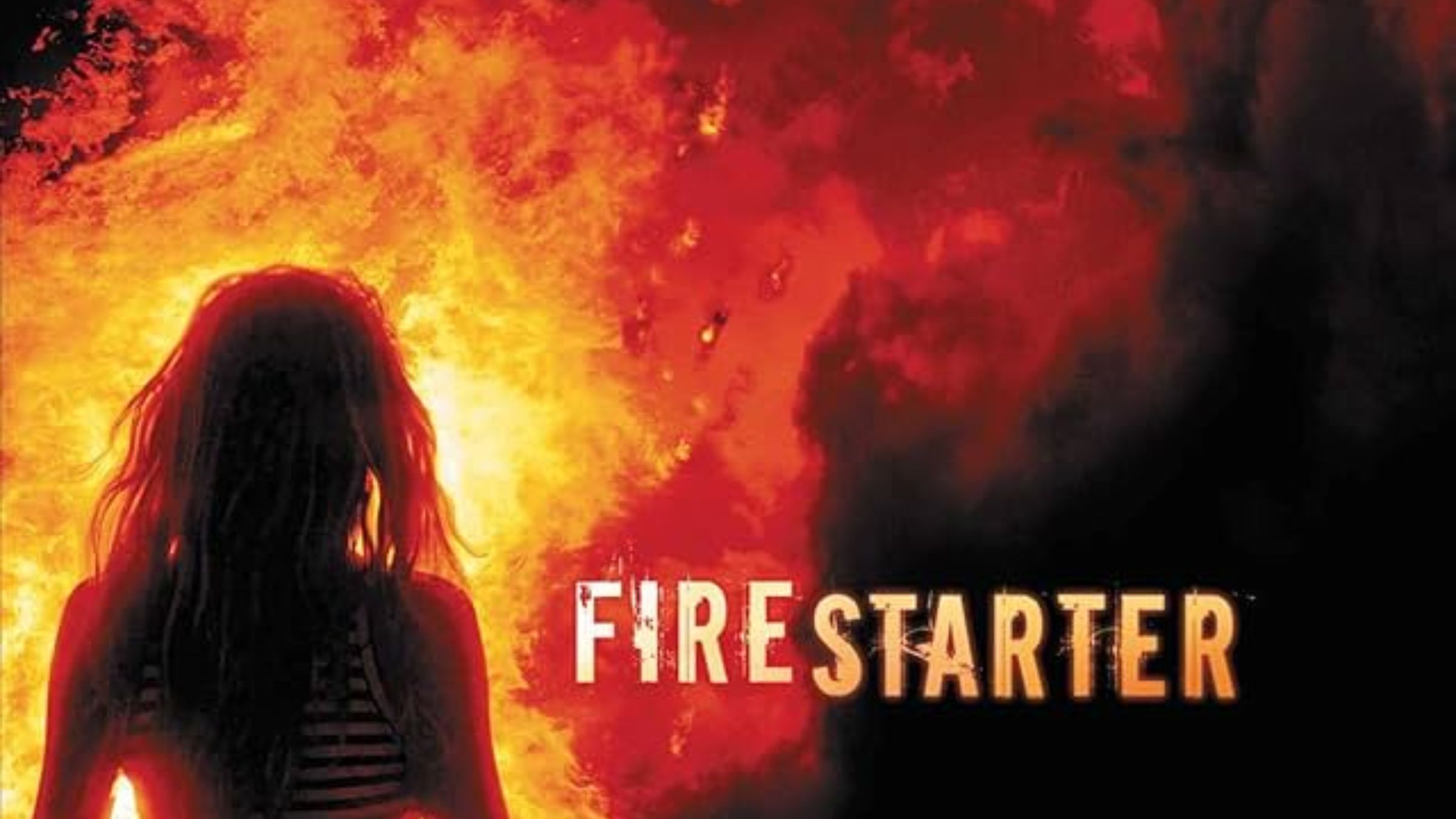
Stephen King’s first novel of the 1980s was a significant work, and it’s clear that the character of Eleven from Stranger Things owes a debt to Charlie McGee. The book also stands out for its storytelling style, starting in the middle of the action rather than at the beginning – a technique King doesn’t often use. While it isn’t a particularly frightening story, the strong connection between the father and daughter at its heart makes the pursuit by mysterious enemies genuinely suspenseful. However, compared to other classic King novels from the 80s, this one is arguably his weakest, largely due to a slow and often unnecessary section in the middle.
11) Cycle of the Werewolf
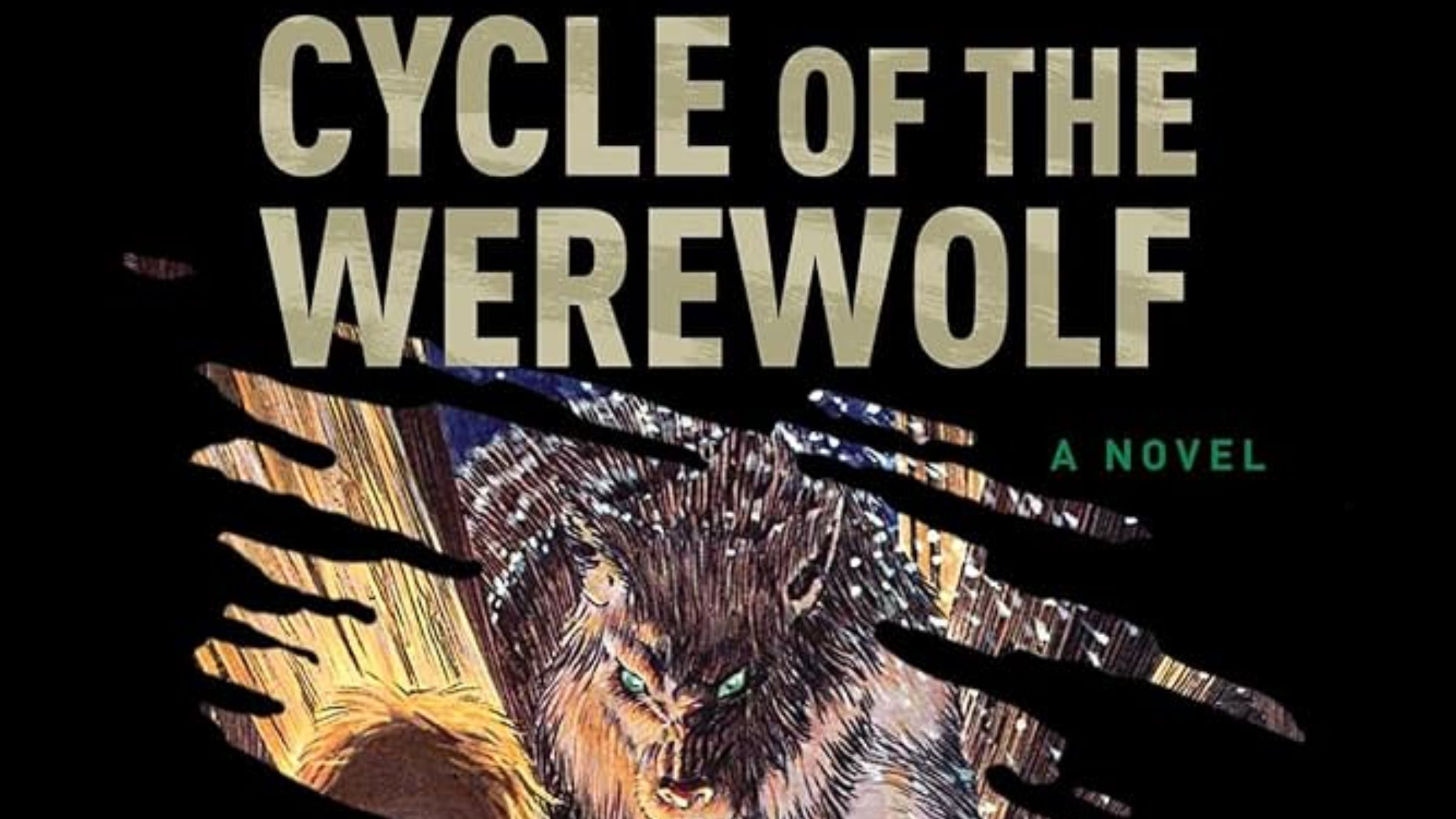
Stephen King’s novella, Cycle of the Werewolf, which inspired the film Silver Bullet, is one of his most enjoyable and fast-paced works. At just 127 pages, it’s a genuinely fun read, cleverly structured around the changing seasons. The story follows Marty Coslaw, a likable protagonist, and his heartwarming relationship with his uncle. While the novella prioritizes exciting werewolf action over in-depth character studies, it strikes a good balance between the two.
10) The Running Man
Considered the strongest of Stephen King’s books written under the pseudonym Richard Bachman, The Running Man is a fast-paced, thrilling novel. The only real drawback is that the main character isn’t particularly likable—a flaw that both film adaptations thankfully fixed. The book also features a fantastic ending, which the movie directed by Edgar Wright unfortunately changed (though understandably so). While none of the Bachman books are masterpieces, The Running Man is definitely very good. It’s also remarkable that King wrote it in only a week, even though it wasn’t published for ten years.
9) The Dark Half
In his last novel of the 1980s, The Dark Half, Stephen King revisits the theme of a struggling writer, but this time the writer’s biggest challenges come from his own internal struggles. The book was inspired by the exposure of King’s pseudonym, Richard Bachman. While not as gripping as Misery, it’s a fast-paced and suspenseful story with a satisfying conclusion – something King isn’t always known for delivering.
8) The Dark Tower II: The Drawing of the Three
The Drawing of the Three, the second book in The Dark Tower series, is a significant step up from the first. The characters really start to develop here, and the world’s unique rules become clear. Plus, it kicks off with an attack by a lobster monster – a definite highlight! If you were to rank all the Dark Tower books, this one would easily be among the best.
7) Cujo
At 319 pages, Cujo is a relatively quick read for a Stephen King novel, making it a great place to start for new fans. The story cleverly taps into our relationship with dogs – we love and care for them, but a part of us also recognizes their primal nature. While the characters aren’t King’s most complex, the book quickly builds suspense once you’re with Donna and Tad Trenton, and it doesn’t let up. Add in what many consider to be King’s boldest ending ever, and Cujo truly earns its acclaim.
6) Christine
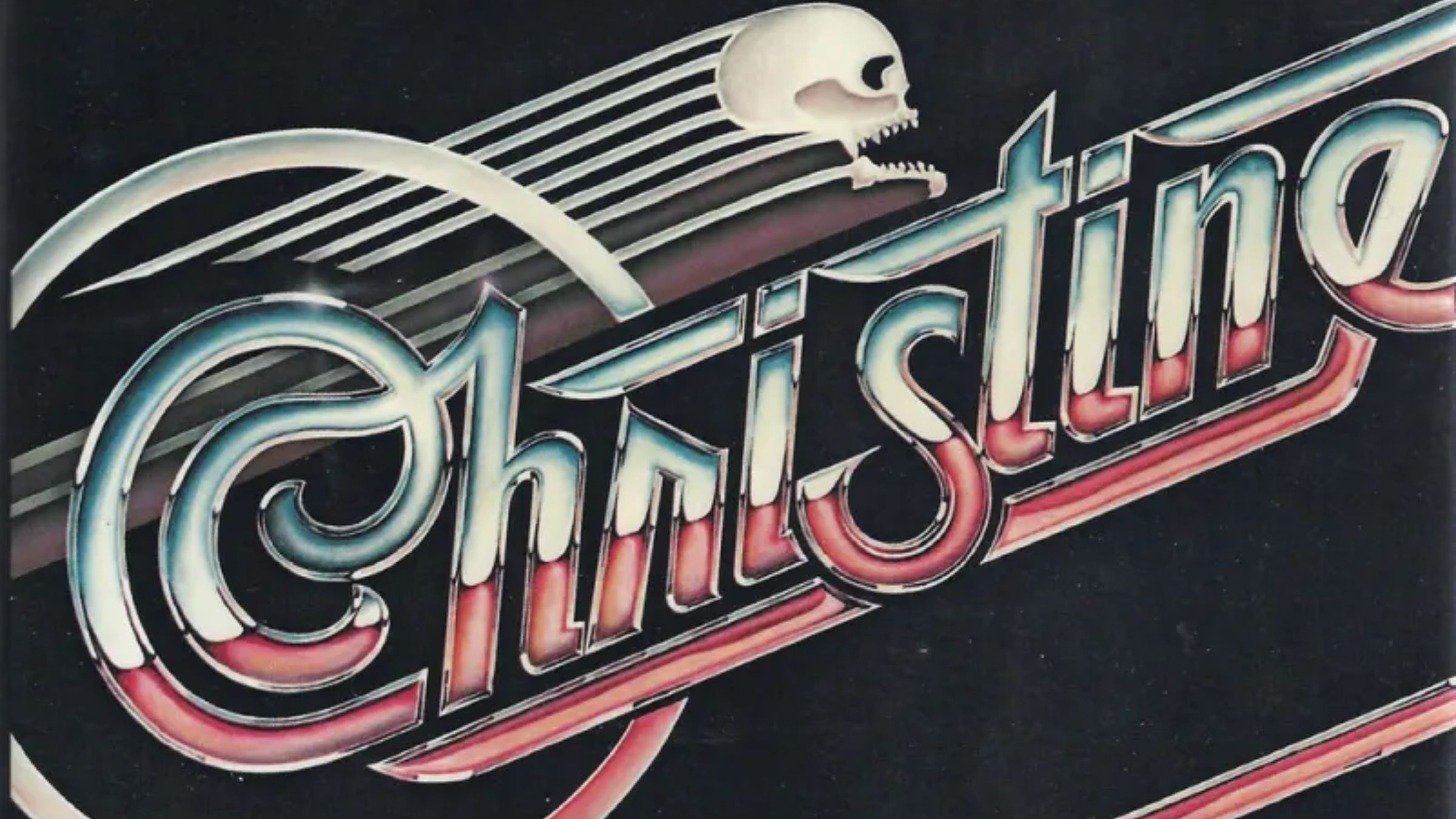
The idea of a killer car might seem ridiculous at first. However, Stephen King pulls it off brilliantly. The story’s success isn’t really about the car itself – a red 1958 Plymouth Fury – but about how easily influenced and vulnerable the main character, Arnie Cunningham, is. While the film adaptation has a stronger ending, this book contains all the elements that made the movie a well-regarded, though often overlooked, success.
5) Different Seasons
Following his first collection, Night Shift, Stephen King’s Different Seasons showcases a completely different side of his writing. Moving away from horror, this collection proves King’s talent for emotionally resonant storytelling. It features four novellas, all of which are excellent. Rita Hayworth and Shawshank Redemption and The Body (which became the film Stand by Me) are both well-known favorites, while Apt Pupil and The Breathing Method skillfully transform dark premises into touching stories.
4) Skeleton Crew
After publishing Different Seasons, Stephen King returned to the style of his earlier work with his 1985 collection, Skeleton Crew. While not flawless, it’s a remarkably strong collection, showcasing King’s talent for quickly immersing readers in compelling worlds, even within the constraints of short stories and novellas—some only 40 pages long. Standout stories include The Mist, “Word Processor of the Gods,” “The Raft” (which was effectively adapted for Creepshow 2), and “The Monkey.”
3) Pet Sematary
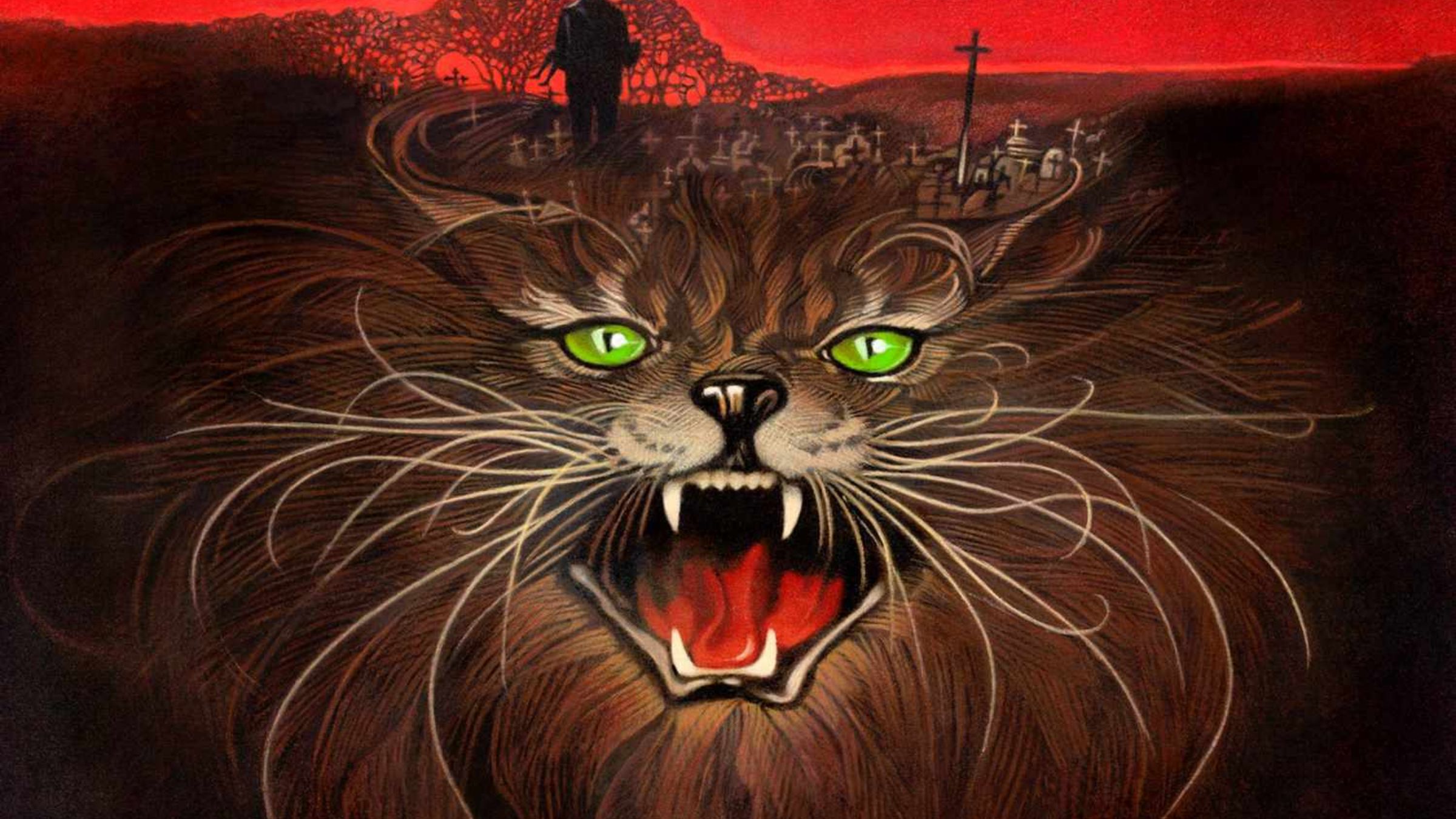
Stephen King taps into a universally painful experience in Pet Sematary: the loss of a pet. Even the death of a friend’s animal can be deeply upsetting. But King doesn’t stop there. He takes that initial grief and introduces a resurrected, but decidedly unpleasant, cat. He then escalates the horror with the death of a child, leading to another return from the grave with similarly frightening results. Pet Sematary is a truly haunting novel that remains one of King’s most memorable works.
2) Misery
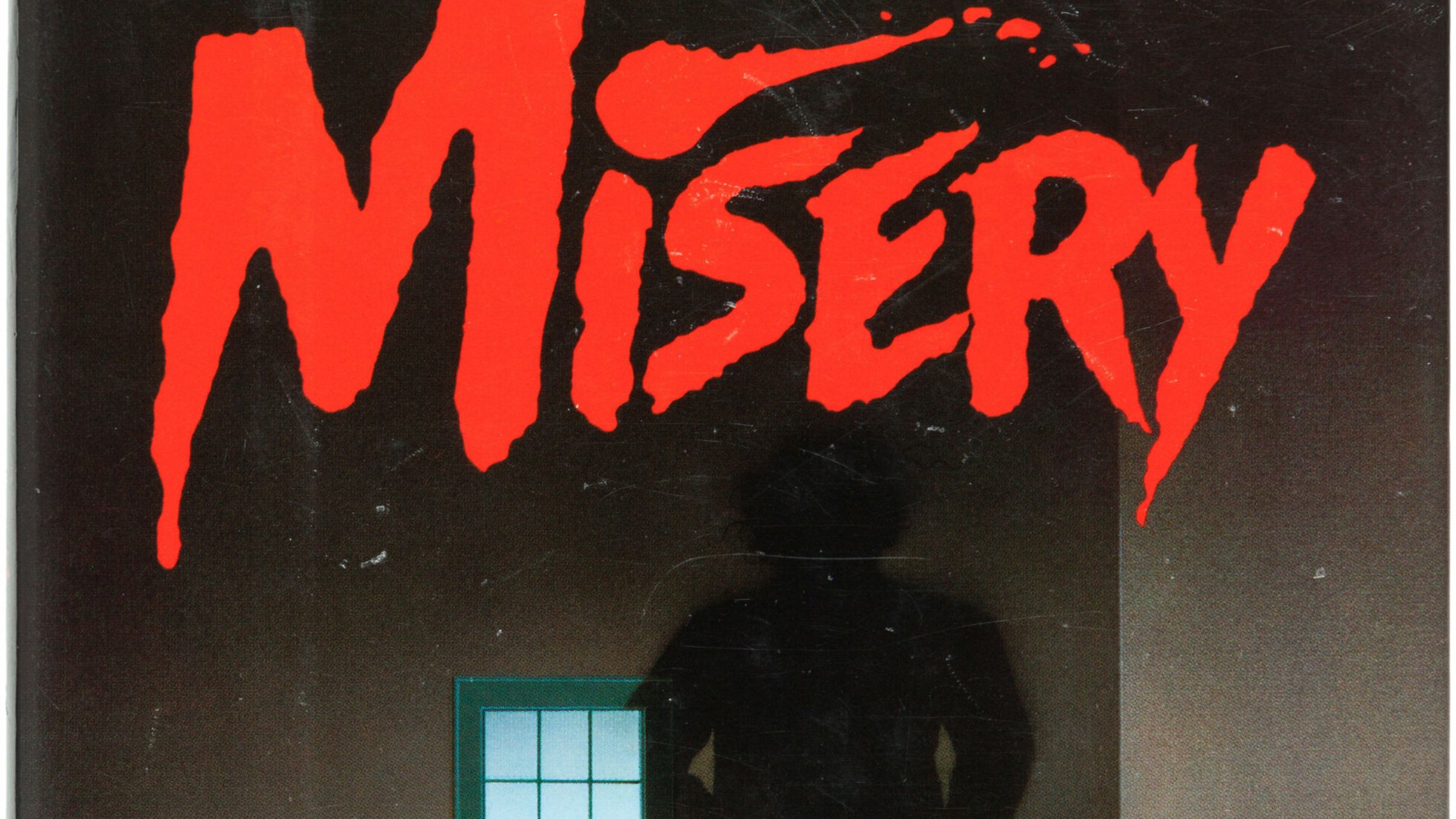
Few books offer such a direct glimpse into Stephen King’s mind as Misery. It served as a way for him to explore the complicated dynamic between writers and their fans, putting those feelings on full display. Beyond that, it’s a remarkably suspenseful and disturbing novel. Like another book on this list, Misery features a truly compelling villain. But Annie Wilkes stands out because she’s a complex character – a lonely woman whose life is lacking, and who evokes both sympathy and horror with her actions and surprisingly simple way of speaking.
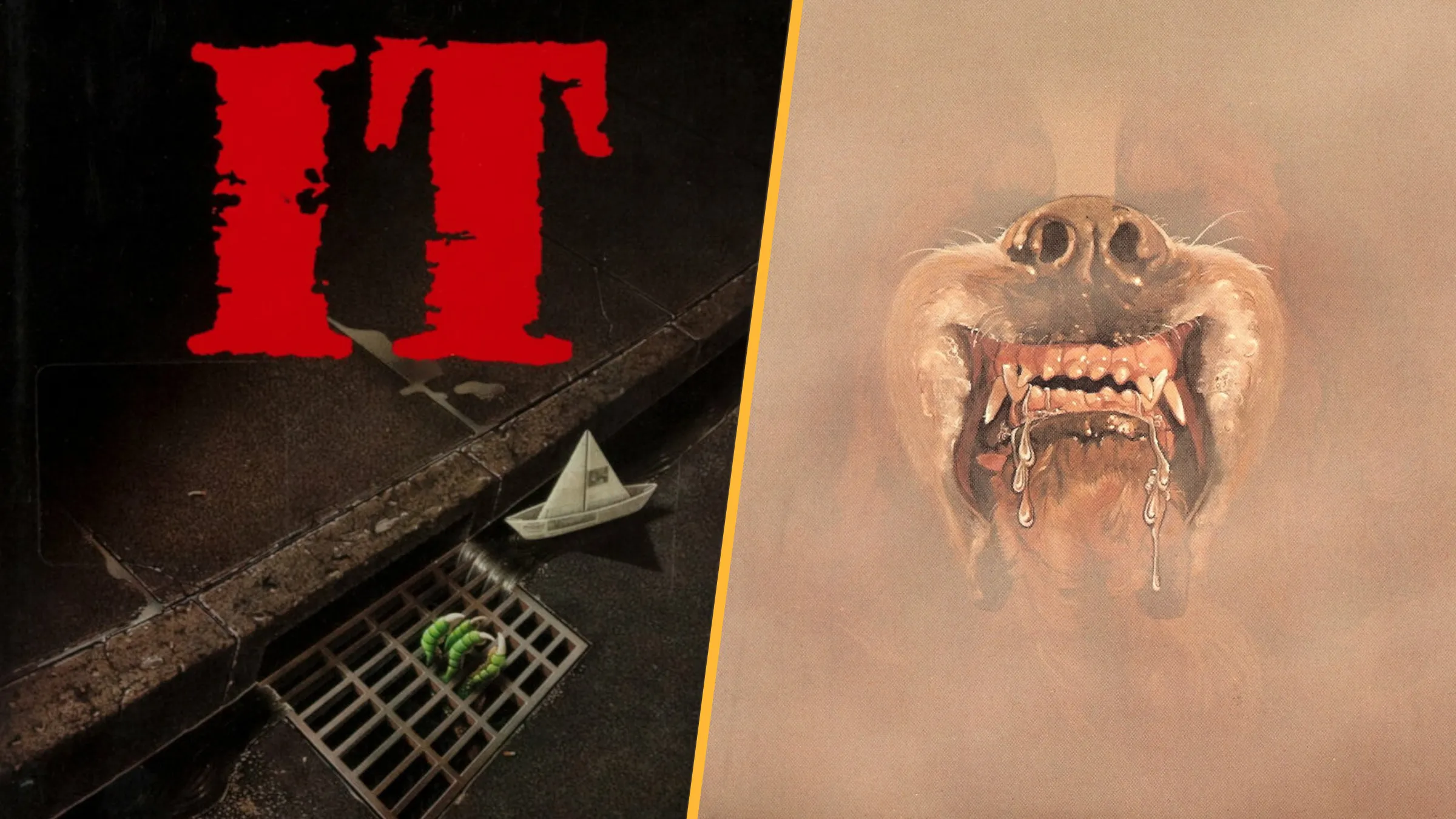
1) It
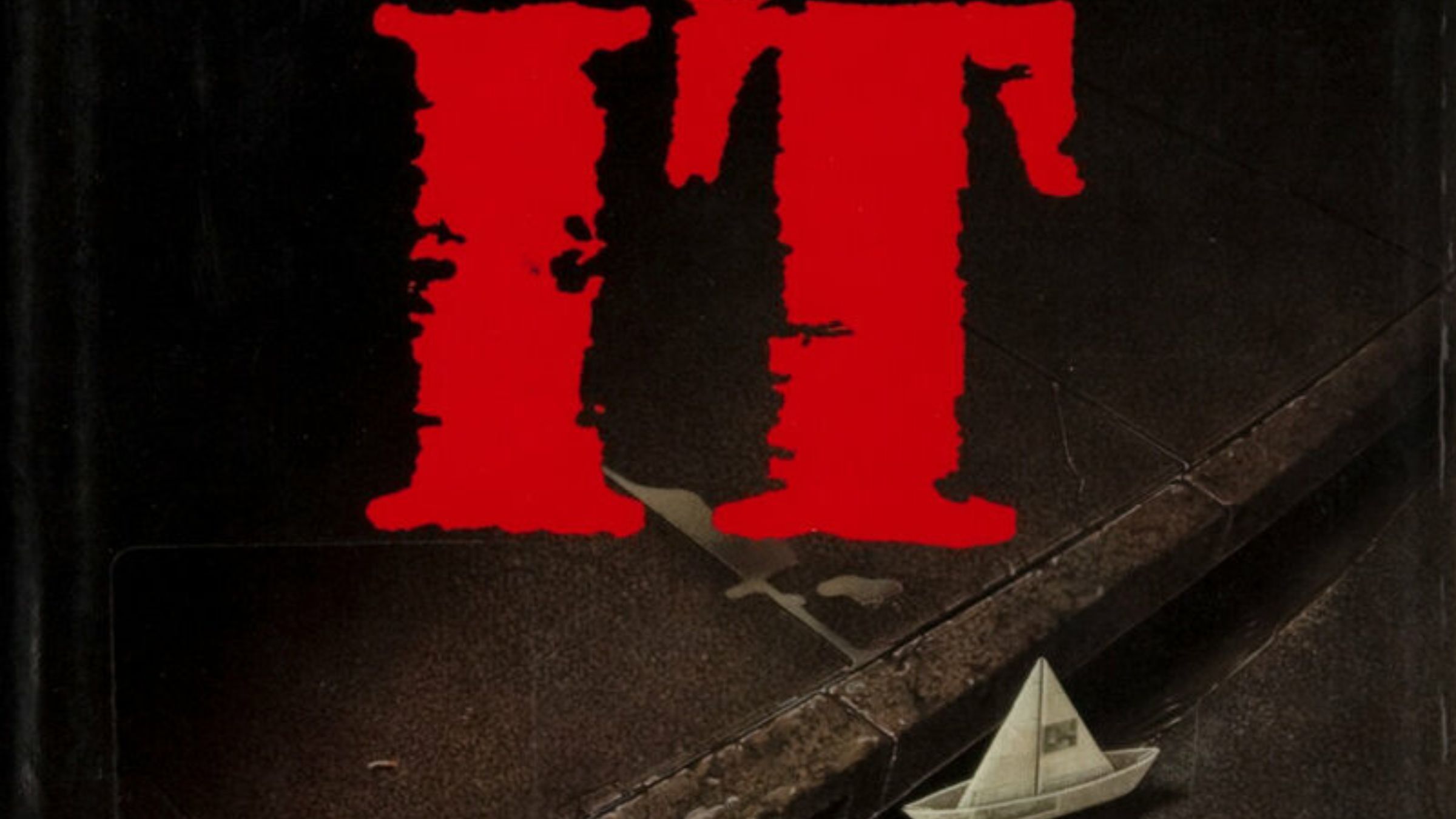
Some people question whether It deserved the gold medal, mainly because of its famously disappointing ending – something neither the TV miniseries nor the feature films ever quite resolved. However, it remains a powerfully effective epic, even if it’s a bit lengthy. The story is truly masterful when focusing on the characters as children (aside from one problematic scene), and even as adults, it’s among Stephen King’s most genuinely scary works. And when it comes to King’s villains, it’s hard to think of one more terrifying than Pennywise the Dancing Clown. Between Pennywise and the realistic connection between the members of the Losers’ Club, It remains one of King’s best, no matter when it was released.
What’s your pick for the best Stephen King book, short story collection, or novella from the 1980s? Share your thoughts in the comments and discuss it with other fans in the ComicBook Forum!
Read More
- The Super Mario Galaxy Movie: 50 Easter Eggs, References & Major Cameos Explained
- Surprise Isekai Anime Confirms Season 2 With New Crunchyroll Streaming Release
- 10 Best Free Games on Steam in 2026, Ranked
- ‘Project Hail Mary’: The Biggest Differences From the Book, Explained
- Skate 4 – Manny Go Round Goals Guide | All of the Above Sequence
- Starfield (PS5) Review – A Successful Cross-Console Voyage
- Sydney Sweeney’s The Housemaid 2 Sets Streaming Release Date
- Why is Tech Jacket gender-swapped in Invincible season 4 and who voices her?
- Preview: Sword Art Online Returns to PS5 as a Darker Open World Action RPG This Summer
- Every Real Housewives Series Ranked: Worst to Best
2026-03-22 01:46