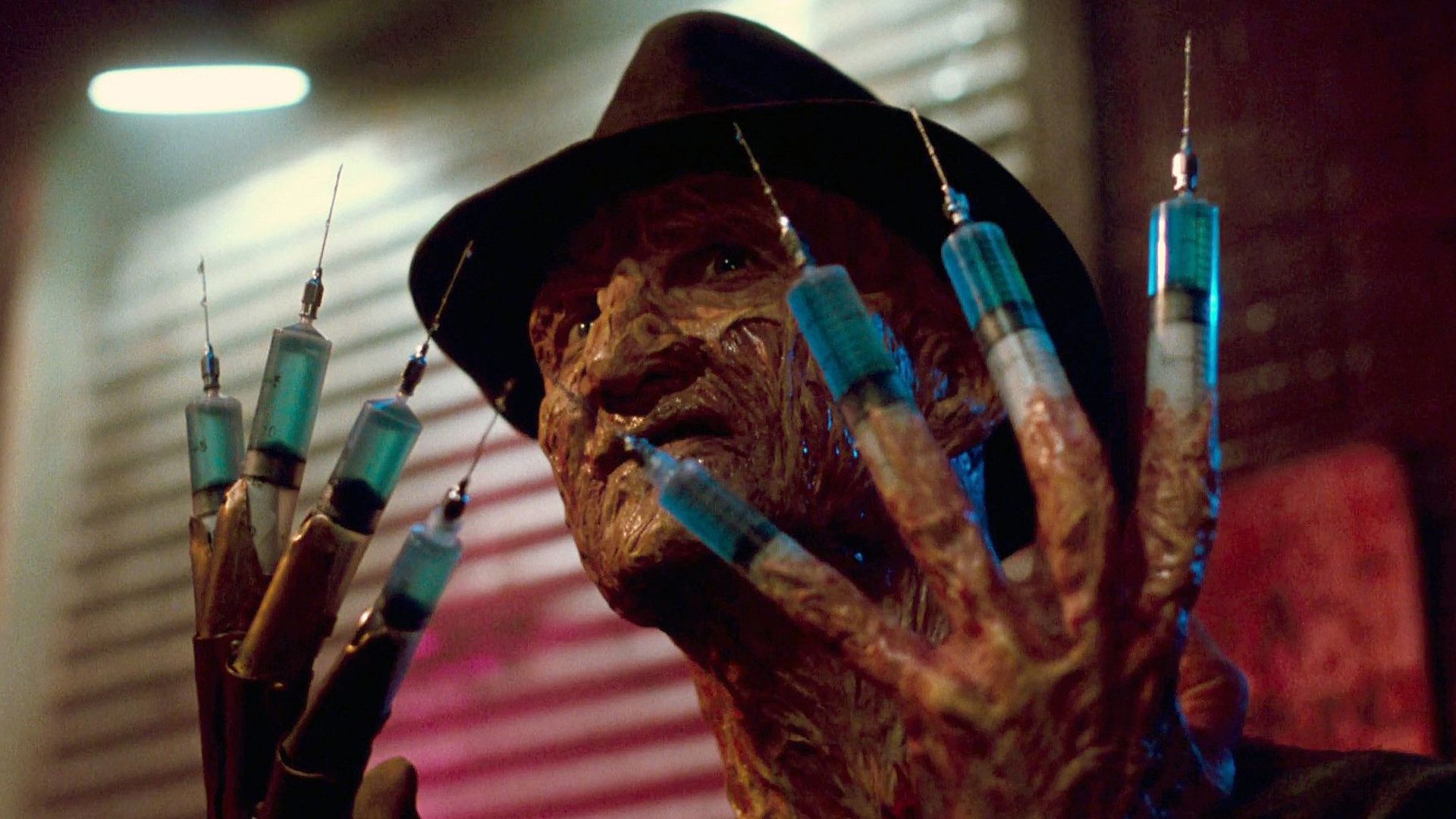
The Nightmare on Elm Street series gave us many scary moments, though some films were better than others. What really set this franchise apart was its core idea: Freddy Krueger hunting people in their dreams. This allowed for incredible imagination, but the quality of the dream sequences themselves wasn’t always consistent.
The core idea behind Nightmare on Elm Street let each movie explore new and creative ways to scare audiences. Instead of relying on realistic violence like many other horror films, this series excels at using bizarre visuals, unpredictable scenarios, and dreams that can quickly change from normal to frightening.
Throughout the Nightmare on Elm Street series, Freddy Krueger changes from a frightening, mysterious figure into a more theatrical villain, and this transformation affects how genuinely scary the dream sequences are. The first movies focus on creating a creepy mood and a sense of unease, but the later films tend to emphasize over-the-top visuals, comedy, and complex dream landscapes.
The later films are still fun to watch, but when it comes to truly frightening moments, some are much scarier than others. This ranking looks at how effectively each movie delivers on Freddy Krueger’s terrifying nightmares, from surreal dream sequences to over-the-top mayhem.
Freddy’s Dead: The Final Nightmare (1991)
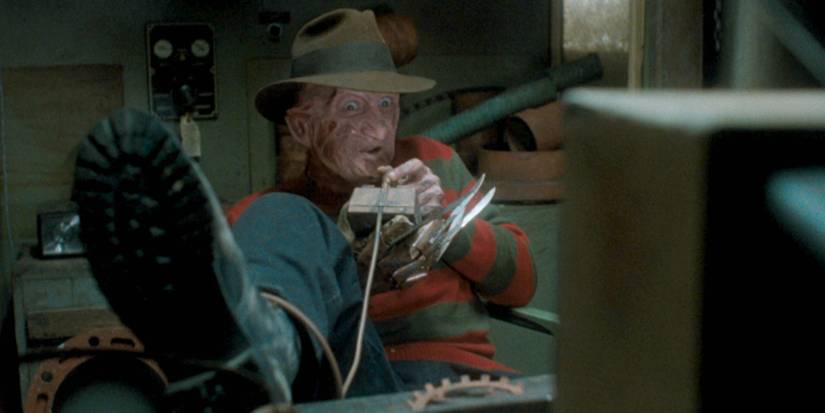
By the time of Freddy’s Dead: The Final Nightmare, the Freddy movies had become mostly comedic, and that’s reflected in the dream sequences. Instead of being scary, the dreams felt like long jokes, relying on over-the-top humor instead of actual fear.
While the movie has some clever, video game-like deaths, they come across as comical, like something from a classic Looney Tunes cartoon, rather than scary. Freddy Krueger relies too much on jokes, ruining any suspense that might develop. Even the film’s more inventive moments are delivered with a playful nudge to the audience, preventing them from ever feeling genuinely frightening.
While Freddy’s Dead tried some innovative early 3D effects, they weren’t very successful. Although there are moments of imagination, the film focuses more on being different than on being frightening. This makes it the least scary installment in the series when it comes to its dream sequences.
A Nightmare On Elm Street 5: The Dream Child (1989)
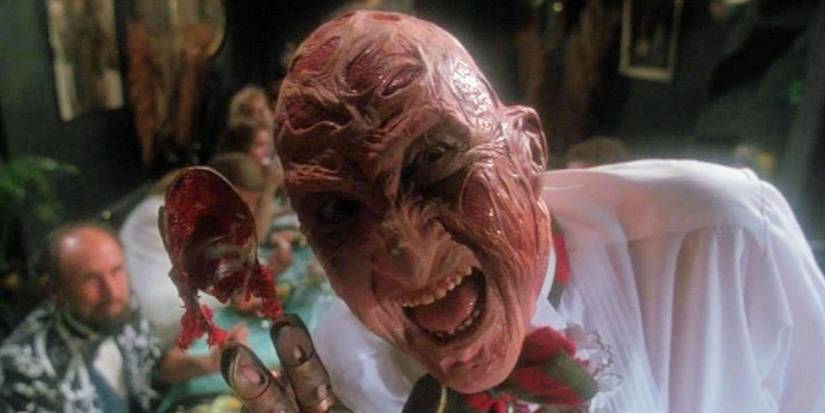
While The Dream Child presents a truly disturbing premise – Freddy Krueger influencing dreams through an unborn baby – the film doesn’t quite deliver on that potential. The idea is frightening in theory, but falls a bit flat when you actually watch it.
The main problem with Dream Child is that it can’t decide what kind of movie it wants to be. It switches between trying to be a scary gothic horror and something more like a cartoon, which makes the story feel disjointed and less effective. While some scenes, like the death sequence inspired by comic books, are visually creative, they don’t build enough suspense to be truly frightening.
The game hints at a disturbing undercurrent, particularly through its strange and unsettling visuals. Unfortunately, these ideas don’t quite coalesce, making the scary moments in Dream Child more perplexing than frightening.
A Nightmare On Elm Street 4: The Dream Master (1988)
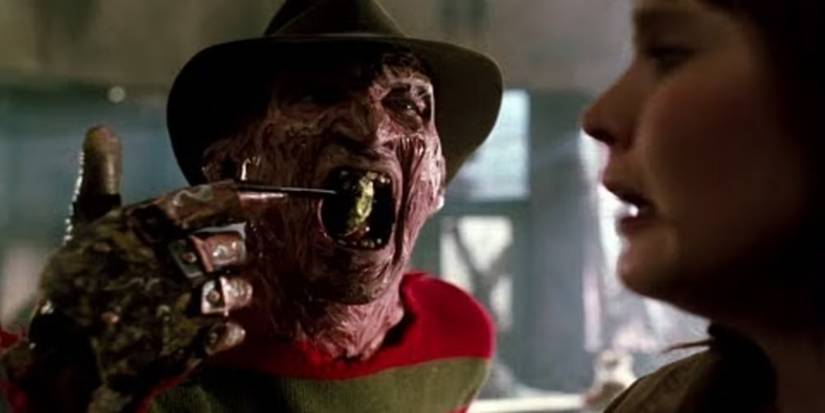
The Dream Master is known for its imaginative visuals, but it focuses more on impressive scenes than creating a truly scary atmosphere. The nightmares are detailed and visually striking, but they lack suspense.
While nightmares in the series, like the disturbing cockroach scene, are certainly unforgettable, they often feel more shocking than truly frightening. Freddy Krueger has also become more of a comedian, constantly cracking jokes that break the suspense.
The film’s change in tone makes it very enjoyable, though it’s not as scary. It still has that dreamlike quality and some visually impressive moments, but it feels less surprising than previous installments. Instead of feeling unpredictable, it’s more carefully crafted and even a bit lighthearted.
Freddy Vs. Jason (2003)
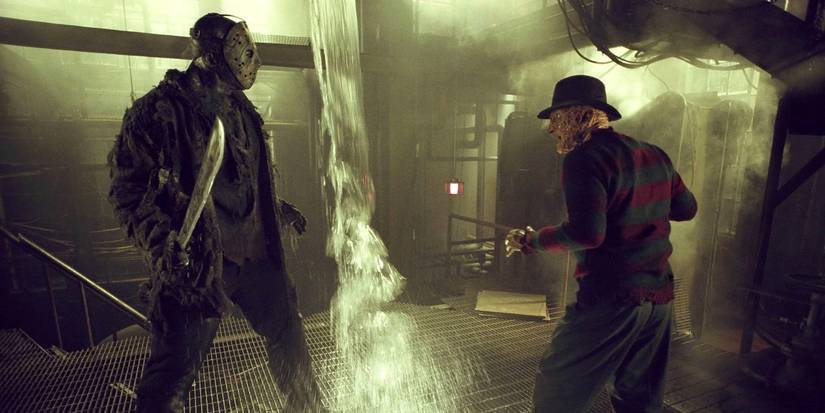
Freddy vs. Jason has a stylish, early 2000s feel, especially in its dream sequences. It creates a genuinely spooky atmosphere with darker imagery and a more serious mood than some of the later Nightmare on Elm Street movies.
While the nightmares in the game aren’t consistently strong, some concepts feel a little thin and rely too much on visuals. That said, the bathtub scene with Mark is a standout moment – it’s genuinely unsettling and well-executed.
Ultimately, Freddy vs. Jason prioritizes the excitement of seeing these two icons clash over delivering genuine scares. It’s an enjoyable, visually impressive film with some creepy moments, but it doesn’t quite reach the level of the most terrifying movies in the Freddy and Jason series.
A Nightmare On Elm Street (2010)
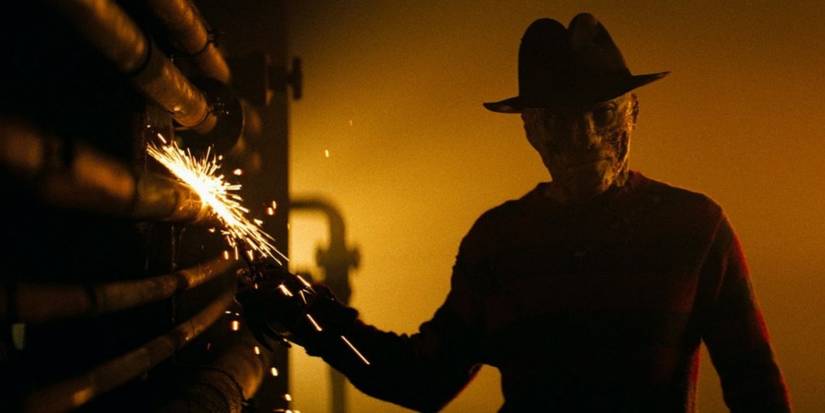
While the recent remake of A Nightmare on Elm Street doesn’t quite succeed as a movie overall, its dream sequences are visually striking. Thanks to updated special effects, the film creates a seamless and mesmerizing blend between the dream world and reality – something the original movies couldn’t fully accomplish with the technology available then.
Many of these recent horror concepts actually revisit ideas from the 1984 film, diminishing their effect. Viewers have encountered similar scary scenarios before, even if this time they’re presented with more impressive visuals. This pre-existing knowledge makes it harder to genuinely frighten audiences.
The new film also lacks Robert Englund, who brought a unique and terrifying energy to the original movies. His presence could have greatly improved the updated effects and made this reboot truly stand out. While the nightmares are visually striking, they don’t often feel genuinely frightening.
Wes Craven’s New Nightmare (1994)
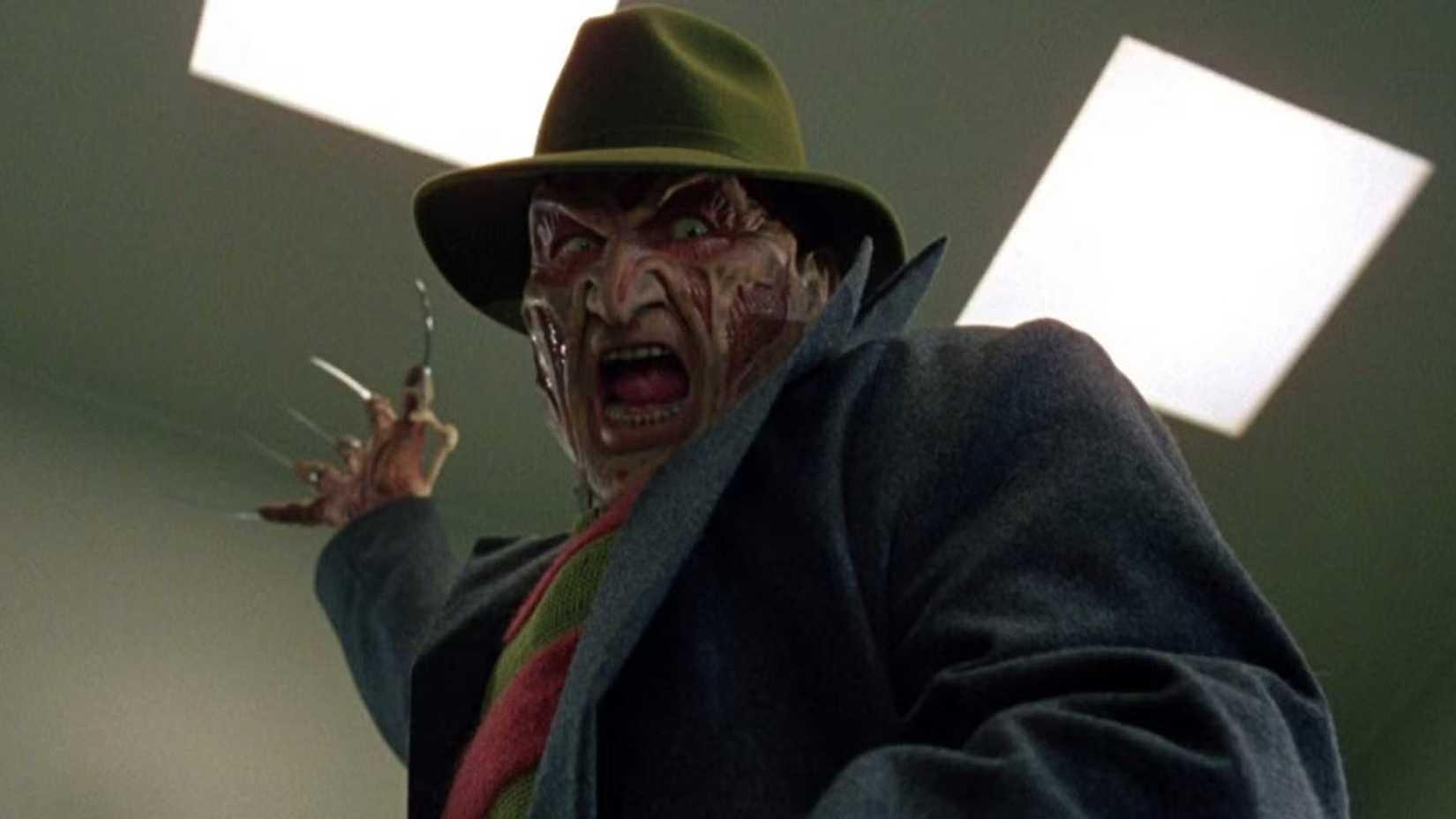
Wes Craven’s New Nightmare is unique because it brings the horror into the real world, making it feel very personal. Freddy Krueger is portrayed as an older, more terrifying force, which significantly increases the impact and fear of the dream sequences.
Instead of using confusing dream sequences, the movie deliberately mixes what’s real and what isn’t, making the audience feel constantly unsettled. When scary images do show up, they feel jarring and unexpected, which increases the suspense.
One of the film’s strengths is its subtlety. Freddy Krueger isn’t showy or over-the-top; he’s a truly unnerving force. New Nightmare relies on atmosphere rather than jump scares, and it’s a testament to the idea that a more restrained approach can be far more frightening and memorable.
A Nightmare On Elm Street 2: Freddy’s Revenge (1985)
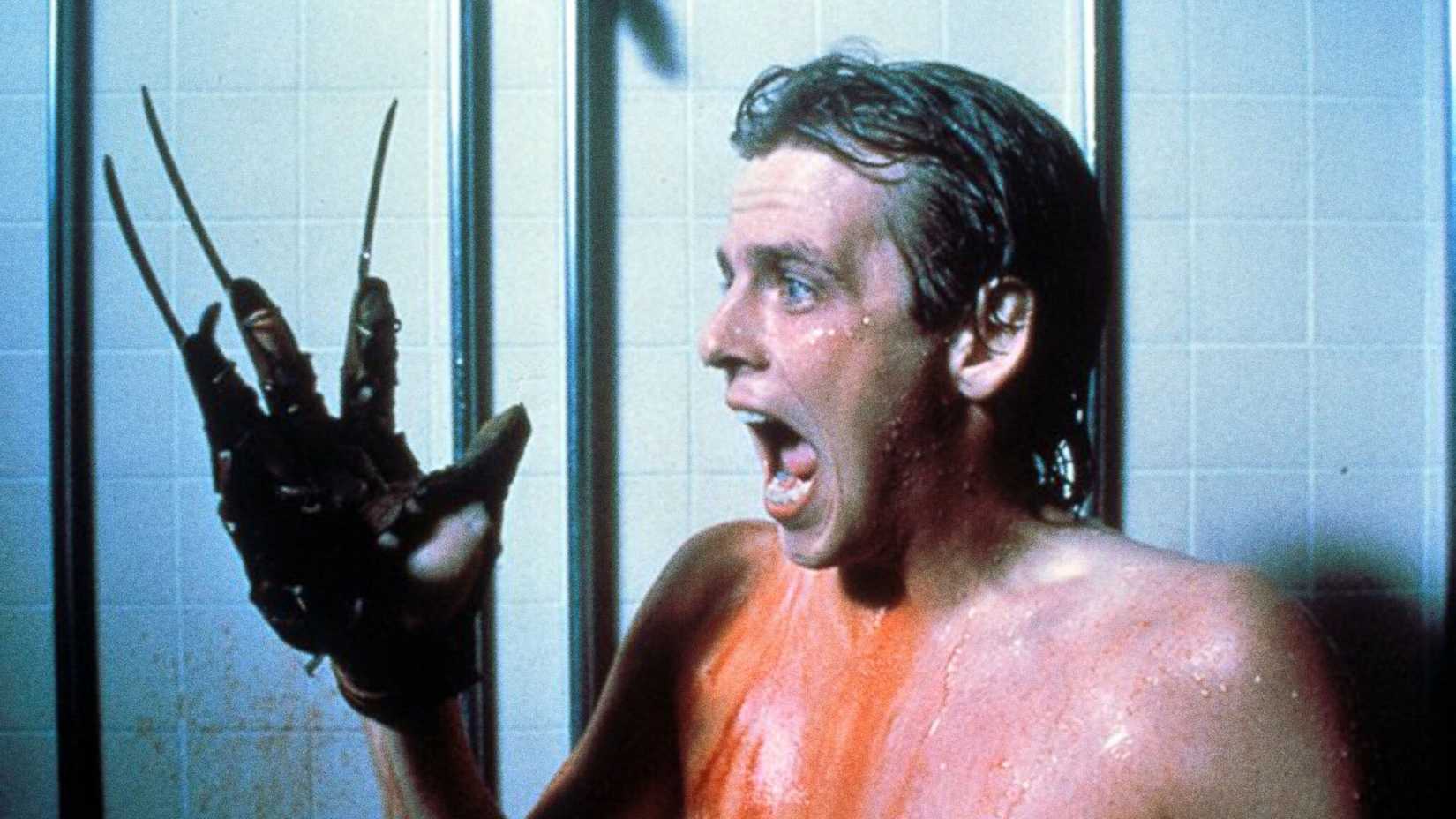
While often considered one of the less impressive Nightmare on Elm Street films, Freddy’s Revenge stands out for its genuinely disturbing take on nightmares. Rather than showcasing fantastical dream worlds, the movie centers on a much more frightening idea: the feeling of losing control.
Freddy Krueger’s power starts to affect reality, causing the main character to question what’s real and eventually transform into Freddy himself. The fear comes from within, focusing on a disturbing change and loss of control rather than just frightening events.
While the movie loses its impact with the chaotic ending at the pool party, the shower scene and Freddy’s final change are truly frightening. “Freddy’s Revenge” isn’t a polished film, but it’s surprisingly unsettling, and the nightmares it portrays feel deeply personal and disturbing.
A Nightmare On Elm Street 3: Dream Warriors (1987)
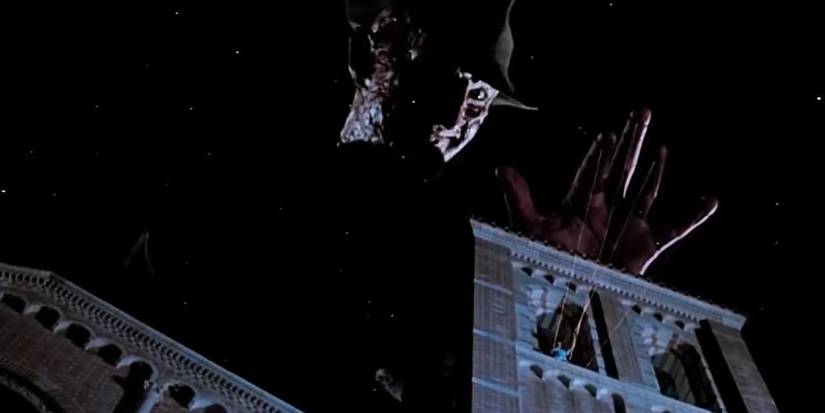
Dream Warriors expertly blends inventive visuals with genuine scares, delivering some of the most memorable nightmares in the series without losing any of the suspense. It’s in this film that the series really focuses on individual fears, crafting dream sequences specifically designed to terrify each character based on their personal anxieties.
The scene with the puppet strings and the deaths shown on television are particularly striking, transforming a basic concept into something truly unsettling, affecting viewers both visually and emotionally. Freddy Krueger has more dialogue in this installment, and while he’s often funny, his humor doesn’t diminish the horror; it actually makes his interactions even more menacing.
The power of these nightmares comes from how deeply personal they are. They target each person’s weaknesses, making the scares truly frightening. Dream Warriors is creative, disturbing, and genuinely scary even today.
A Nightmare On Elm Street (1984)
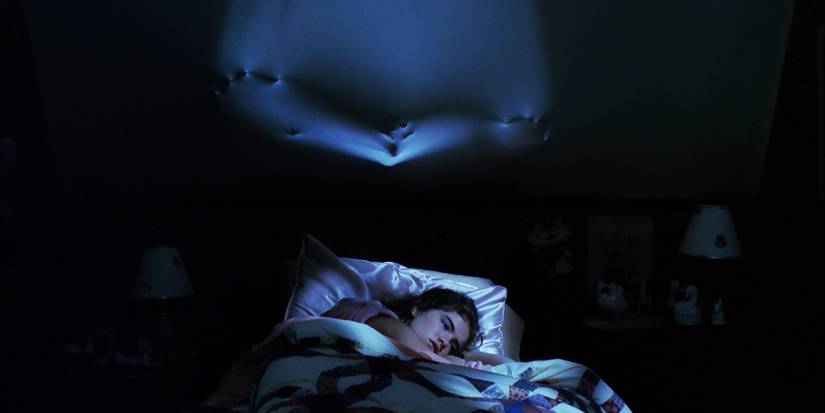
The first A Nightmare on Elm Street is still the most frightening because its nightmares feel so realistic and relatable. Wes Craven skillfully makes the dream scenes similar enough to real life that they’re truly disturbing.
Even straightforward concepts—like Tina being pulled across the ceiling or Nancy dozing off in the tub—are handled with remarkable skill. The scenes aren’t needlessly complicated or explained; they rely on a chillingly realistic nightmare logic. The moment Freddy breaks through the wall above Nancy is particularly frightening.
Freddy Krueger is at his scariest in this film. He’s less focused on taunting and more of a silent, overwhelming threat – a force of nature rather than someone putting on a show. This subtlety, along with the genuinely creepy mood of A Nightmare on Elm Street, builds a level of fear that the later movies struggle to reach, making it the best one by far.
Read More
- Gold Rate Forecast
- 10 Most Powerful Versions of Superman, Ranked
- GBP CNY PREDICTION
- 007 First Light: Release Date, Story, Gameplay, Cast, Editions, and Platforms
- Forza Horizon 6 Car List So Far: Confirmed Highlights, Cover Cars, DLC, and Rewards
- DOGE PREDICTION. DOGE cryptocurrency
- Superman’s 7 Best Power-Ups, Ranked
- 10 Greatest Wii U Games of All Time, Ranked
- What happened to Soldier Boy in The Boys?
- Kingdom Come Deliverance Update 1.002 Enables Trophies to Be Transferred
2026-04-21 18:54