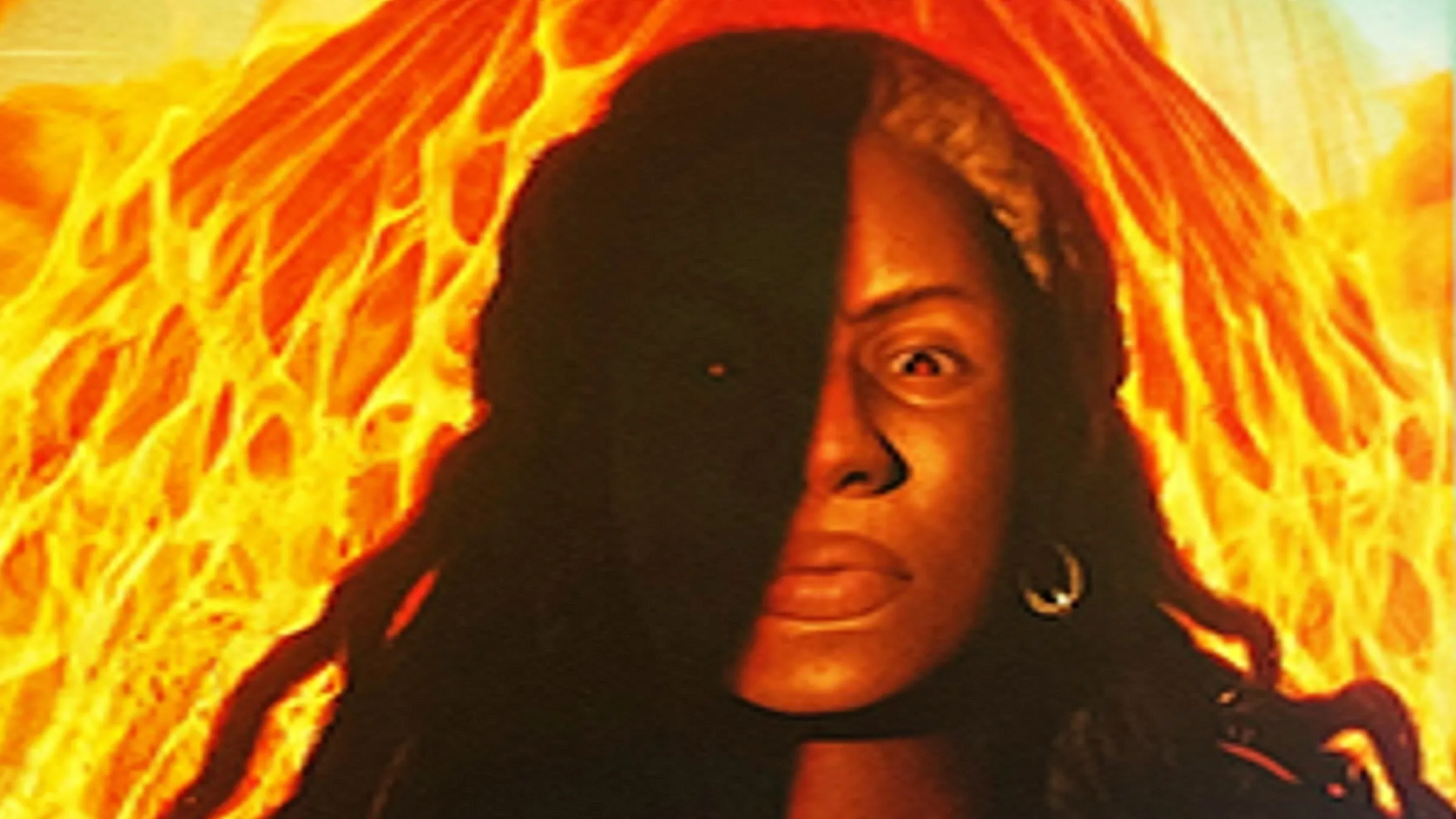
Literature and film have inherent differences that make adaptation challenging. Books offer writers vast space to develop complex worlds and explore characters’ inner lives in detail, something film, limited to around two hours, struggles to achieve. This explains why some ambitious fantasy novels are considered impossible to film; for example, Steven Erikson’s Malazan Book of the Fallen has never even been considered for adaptation due to its sheer scope. Past attempts, like the film version of Philip Pullman’s The Golden Compass and the TV series based on Mervyn Peake’s Gormenghast, often failed to capture the essence of the original stories. However, successful adaptations like Peter Jackson’s The Lord of the Rings films demonstrate that it is possible, fueling optimism that N.K. Jemisin’s Broken Earth trilogy could also become a captivating film or series.
Adapting N.K. Jemisin’s work for the screen first attempted in 2017 with a planned TV series on TNT, but that project fell apart for unknown reasons. In 2021, TriStar Pictures acquired the rights to the entire trilogy after a competitive bidding process, and Jemisin was hired to write the screenplay. By October of that year, Michael B. Jordan’s production company, Outlier Society, joined the project, demonstrating a strong commitment to the franchise. Jemisin confirmed in February 2023 that she had submitted the first script. However, as of 2026, there’s been no public announcement about a director, cast, or release date. While this level of silence isn’t uncommon for complex projects like this one, it does leave some wondering if the movie will ever actually be made.
Why Is The Broken Earth So Hard to Adapt?

N.K. Jemisin’s The Broken Earth trilogy—including The Fifth Season, The Obelisk Gate, and The Stone Sky—takes place on the supercontinent of the Stillness, a world plagued by devastating earthquakes and volcanic eruptions called Seasons that regularly destroy civilization. The story centers on Essun, a woman with the ability to control earth’s energy—a power called orogeny—which has led to a lifetime of discrimination. Each book in the trilogy unfolds a piece of a larger, interconnected narrative. What initially appear as three separate stories, told from different perspectives and timelines, gradually converge into a single, unified tale. This masterful storytelling is the trilogy’s greatest strength, and it earned Jemisin a Hugo Award for Best Novel for each of the three books—making her the first author to win the award for every volume in a single trilogy.
As a fan of The Broken Earth trilogy, I think one of the biggest hurdles in adapting it to the screen is the way it’s written. N.K. Jemisin uses ‘you’ throughout the books, speaking directly to the main character. This isn’t just a stylistic choice; it’s central to a major reveal! The way the story unfolds relies on the reader slowly realizing who ‘you’ really is – something that’s incredibly difficult to capture in a movie. A voiceover could try to mimic that ‘you’ feeling, but it would lose the really personal, internal experience of reading those words and understanding they’re meant for you as the reader.
As a movie reviewer, I see a real challenge in adapting these novels. While the books cleverly weave together three different timelines, it works beautifully on the page because we readers can process information at our own pace and keep everything straight. But film is a different beast. A movie audience experiences everything as one continuous flow, so juggling those multiple storylines would require very clear signals to avoid confusion. The core of the story actually relies on us not immediately understanding how those timelines connect, and the author carefully controls those reveals. Translating that subtlety to the screen will be incredibly difficult.
The complex world-building adds to the challenges of adapting the story. The planet in the trilogy, called the Stillness, isn’t naturally unstable – its instability was intentionally created, a detail revealed gradually throughout the books. The magical abilities of the orogenes are based on scientific principles linked to the planet’s core, strange floating structures, and a past disaster that isn’t fully understood until later. A successful film adaptation needs to slowly reveal these key details, building suspense and keeping viewers engaged. However, the fact that Jemisin is writing the screenplay herself is a major reason to be optimistic, as she uniquely understands how much information the audience needs – and when – to stay invested in the story.
Is giving N.K. Jemisin complete creative control over the screenplay the best way to adapt The Broken Earth for the screen? Share your thoughts in the comments and join the discussion in the ComicBook Forum!
Read More
- 10 Most Powerful Versions of Superman, Ranked
- Gold Rate Forecast
- GBP CNY PREDICTION
- 10 Best Free Games on Steam in 2026, Ranked
- 007 First Light: Release Date, Story, Gameplay, Cast, Editions, and Platforms
- Superman’s 7 Best Power-Ups, Ranked
- Forza Horizon 6 Car List So Far: Confirmed Highlights, Cover Cars, DLC, and Rewards
- 10 Greatest Manga Endings of All Time
- DOGE PREDICTION. DOGE cryptocurrency
- The Boys Officially Sets Up 4 Supes for Jensen Ackles’ Soldier Boy Spinoff
2026-04-19 02:42