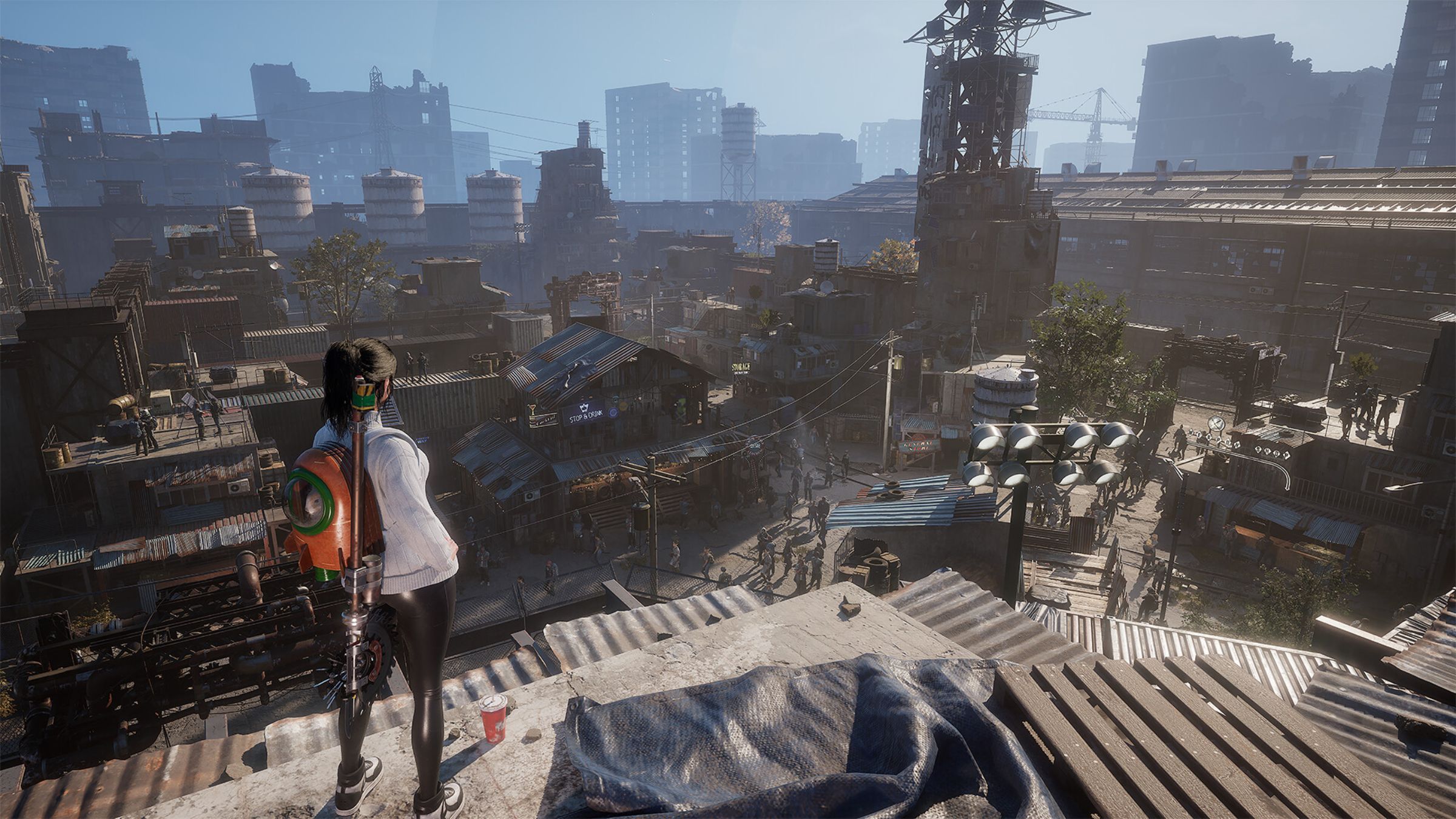
Creating a new online multiplayer game is a big gamble these days. While some “live service” games have become incredibly popular, many others have failed spectacularly. We’ve seen several promising games collapse, sometimes even right after—or before—they were released.
The challenges facing live service games are becoming widespread, even affecting popular titles like Fortnite. Recently, The Cube, Save Us, a promising new game, announced it will close its servers just weeks after its official launch. This points to deeper issues with the MMO game format itself, and the difficulties these games face in today’s crowded gaming market.
The Cube, Save Us Is Just The Latest Live-Service MMO Game To Go Down
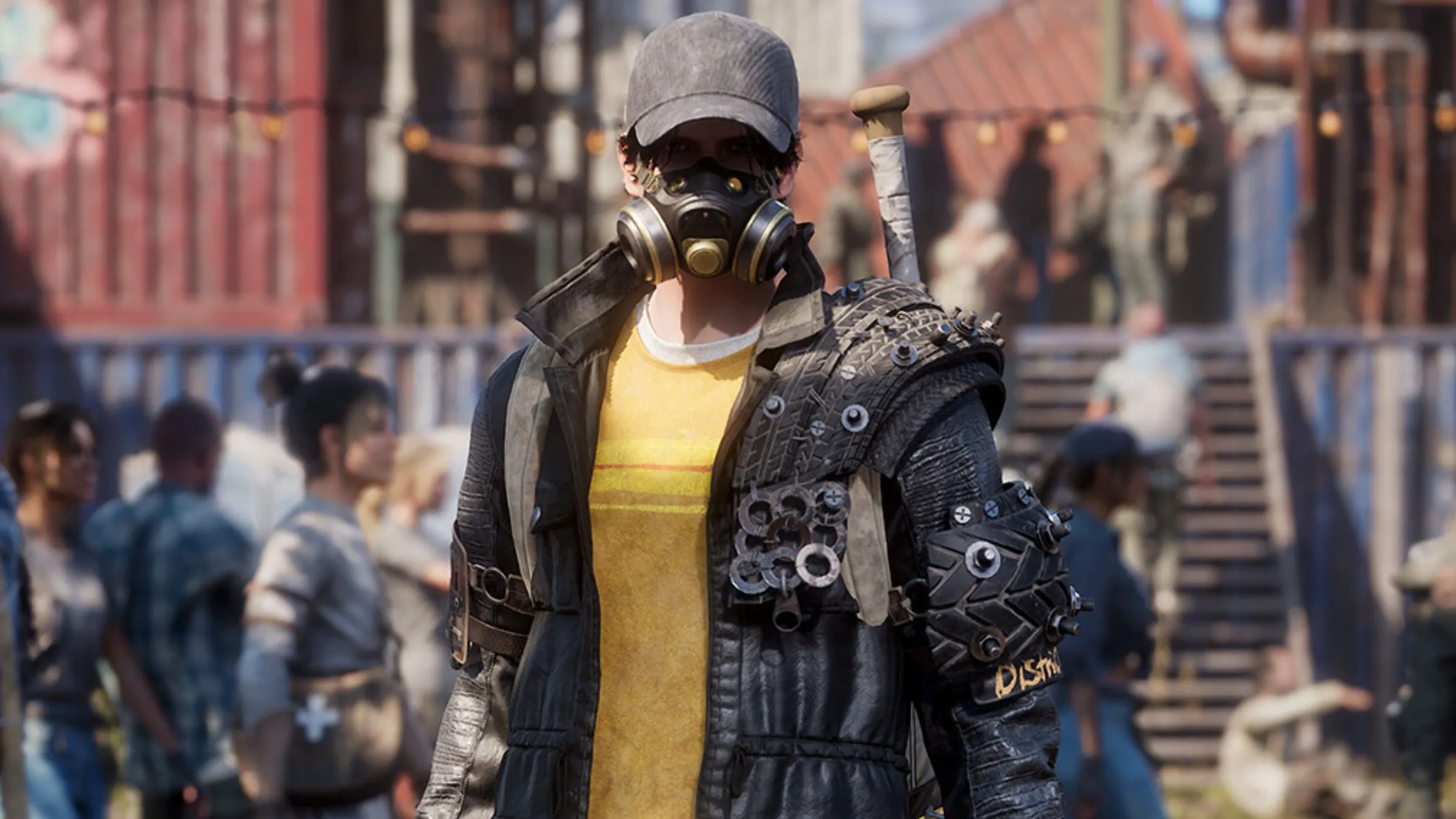
Recently, many online games that are constantly updated (often called “live-service” games) have been failing. We’ve seen popular shooting games like Highguard shut down quickly, and even massive hits like Fortnite are finding it harder to keep players engaged. This has been particularly tough for fans of massively multiplayer online games (MMOs). The recent cancellation of The Cube, Save Us is just the latest example. While the game’s demo was very popular during Steam Next Fest in 2025, it couldn’t attract enough players after its full release.
The game launched on March 17th to disappointing player numbers and negative reviews. Now, just over a month later, it will close its servers on May 8th. Fortunately, XL Games is offering refunds to players who bought items or weapons within the game. This is a positive outcome compared to other unsuccessful games released this year, like Ashes of Creation, which went from being a promising, fan-supported project to a story of internal problems.
The recent cancellation of The Cube, Save Us isn’t unexpected, considering declining player numbers and negative public opinion. It’s another sign of the challenges facing games that require a constant internet connection. These games are expensive to develop, making them risky investments, but that’s not the only issue. The entire genre of large, online multiplayer games appears to be struggling right now.
Why The MMO Game Is In Trouble
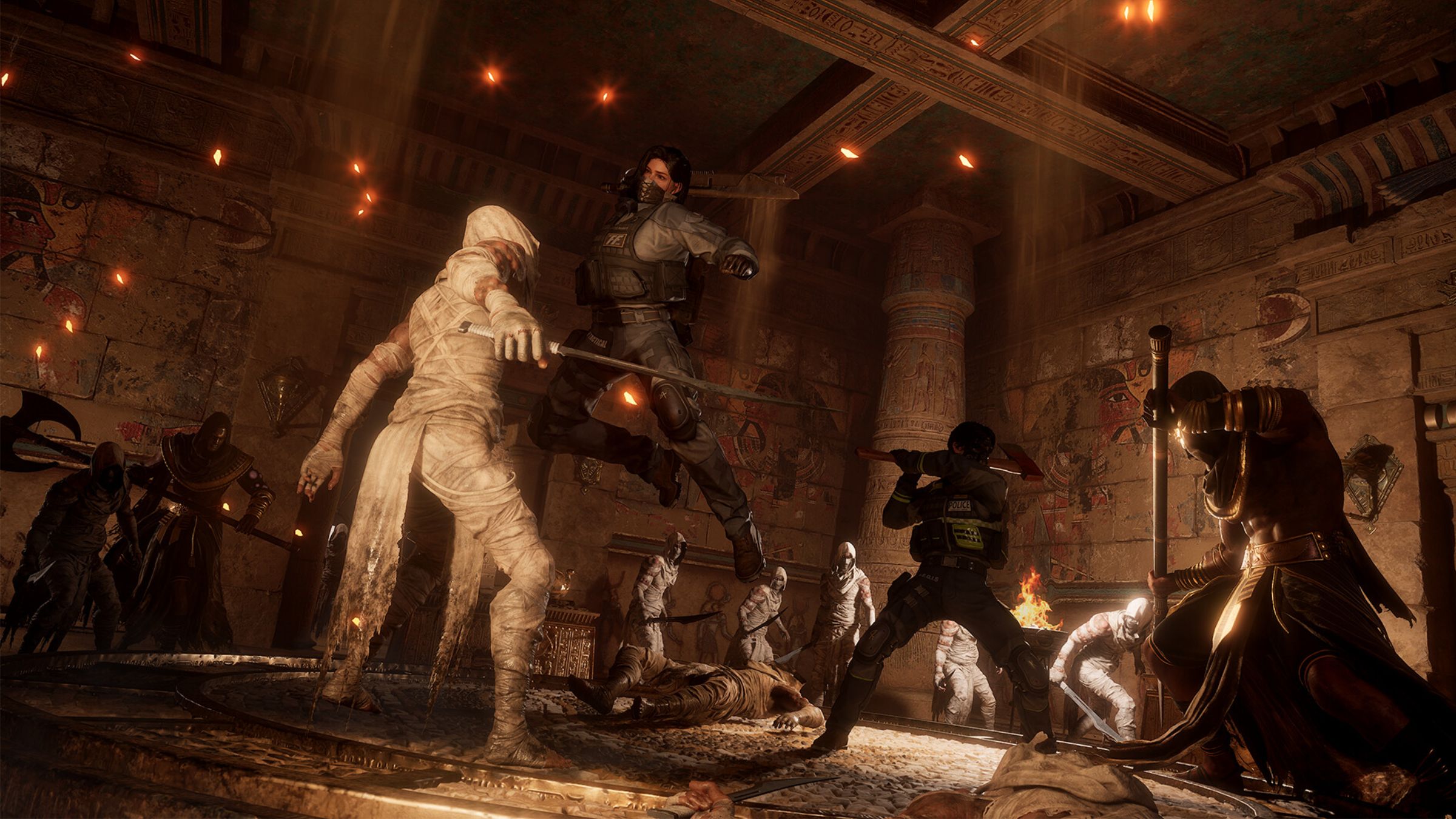
Massively multiplayer online games, or MMOs, come in many forms, and some continue to thrive – World of Warcraft has been popular for over two decades, and games like ARC Raiders show how quickly online games can build a dedicated community. However, creating and maintaining MMOs and other games that require ongoing live services is becoming increasingly challenging and risky for developers. The high costs and the need for a large, consistent player base can be overwhelming, even for big companies.
Big companies like Sony are quick to cancel games that don’t immediately succeed, like they did with Concord after just two weeks. They’ve decided the effort and money needed to make new games popular isn’t worth the risk. This is happening even though many players still enjoy playing games with others online. Traditional massive multiplayer online games (MMOs) are facing challenges, and even high-budget, single-player games aren’t attracting younger players like they used to. Instead, players are increasingly drawn to open-world games like Minecraft and Roblox over more polished, story-driven titles such as Highguard or New World: Aeternum. Mobile games are also gaining popularity, taking away from the success of games on other platforms.
Even popular games like Elder Scrolls Online have struggled lately, losing players and heading towards being discontinued. At the same time, independent games are finding success thanks to platforms like Steam and the growing popularity of online gaming. These games can become incredibly popular very quickly and unexpectedly. Meanwhile, highly anticipated, big-budget games are failing and being cancelled after just a few months, weeks, or even days – or never launching at all.
Games that require ongoing service and massively multiplayer online games (MMOs) are facing unusual challenges. Although titles like ARC Raiders, and established franchises like Battlefield and World of Warcraft demonstrate that people still enjoy online gaming, it seems the traditional, always-online MMO format isn’t as popular as it once was. It will be interesting to see how game developers respond to these changing preferences – who adapts and thrives, and who falls behind.
Read More
- The Super Mario Galaxy Movie: 50 Easter Eggs, References & Major Cameos Explained
- 10 Best Free Games on Steam in 2026, Ranked
- Surprise Isekai Anime Confirms Season 2 With New Crunchyroll Streaming Release
- ‘Project Hail Mary’: The Biggest Differences From the Book, Explained
- Why is Tech Jacket gender-swapped in Invincible season 4 and who voices her?
- Preview: Sword Art Online Returns to PS5 as a Darker Open World Action RPG This Summer
- Sydney Sweeney’s The Housemaid 2 Sets Streaming Release Date
- Skate 4 – Manny Go Round Goals Guide | All of the Above Sequence
- The Super Mario Galaxy Movie Is An Amusing Sequel (And an Improvement) [Review]
- All 13 Smash Bros. Characters in the Super Mario Galaxy Movie
2026-04-11 20:40