Generative AI is dramatically changing the tech world, and major companies like Microsoft, Google, and Amazon are investing billions of dollars to be a part of it.
Bill Gates, the co-founder of Microsoft, has expressed concerns about OpenAI. Last year, Microsoft’s CEO, Satya Nadella, shared that Gates actually cautioned against the company’s $1 billion investment in OpenAI back in 2019, predicting it would be a waste of money. He reportedly warned, “You’re going to burn this billion dollars.”
Bill Gates, the co-founder of Microsoft, believes we’re currently experiencing an AI bubble, similar to the dot-com boom of the late 1990s. He says this is driven by high investor excitement and companies being valued too highly, and predicts that many of the current AI investments won’t succeed. “There are a ton of these investments that will be dead ends,” he explained.
The executive recently warned that artificial intelligence could be used for bioterrorism if it fell into the wrong hands. In his yearly letter, titled “Optimism with footnotes,” he stated that AI will likely have a more significant impact on society than anything humans have ever invented.
Back in 2015, I spoke at TED, cautioning that the world wasn’t prepared for a pandemic. Had we taken those warnings seriously and prepared for COVID-19, the impact on people’s lives would have been far less severe. Now, we face an even bigger threat: the possibility of a terrorist group using readily available AI technology to create a biological weapon.
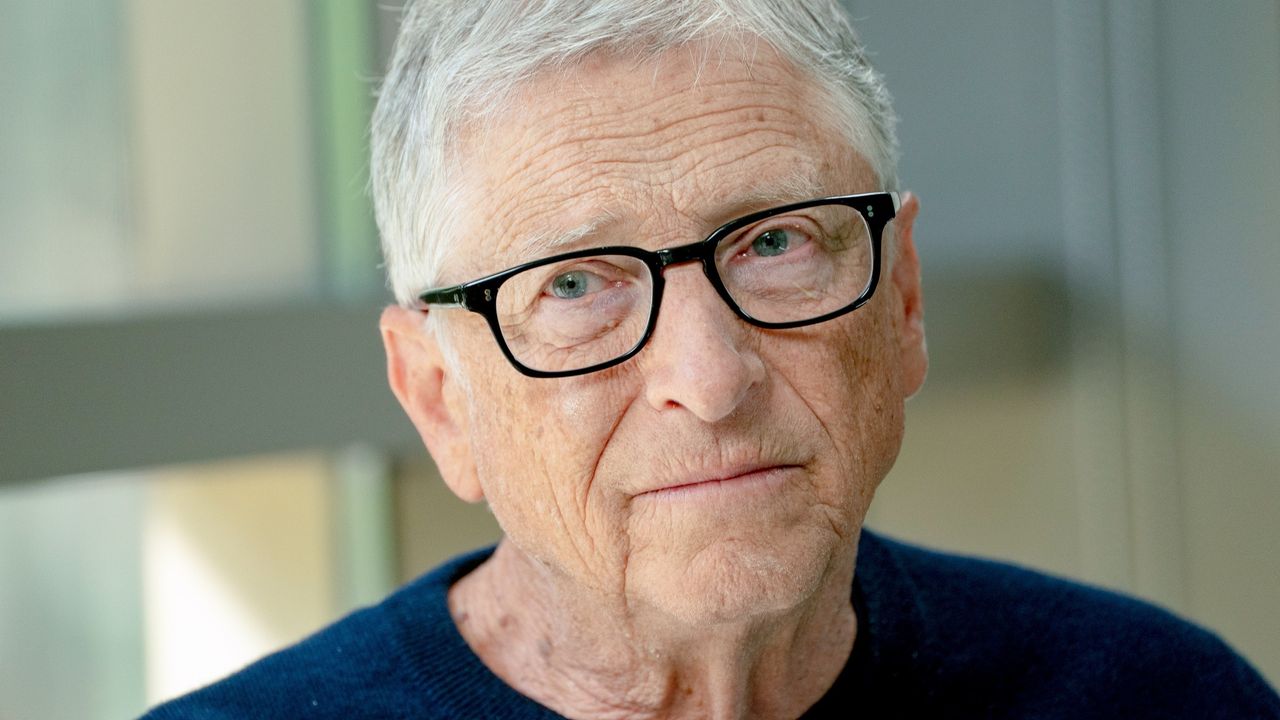
Microsoft co-founder, Bill Gates.
Artificial intelligence is rapidly improving and offers exciting possibilities in fields like technology, education, and healthcare. However, it also presents a serious risk to people. Demis Hassabis, the CEO of Google DeepMind, recently stated that powerful AI is on the horizon, but expressed concern that we aren’t prepared for its arrival, admitting he worries about the potential consequences.
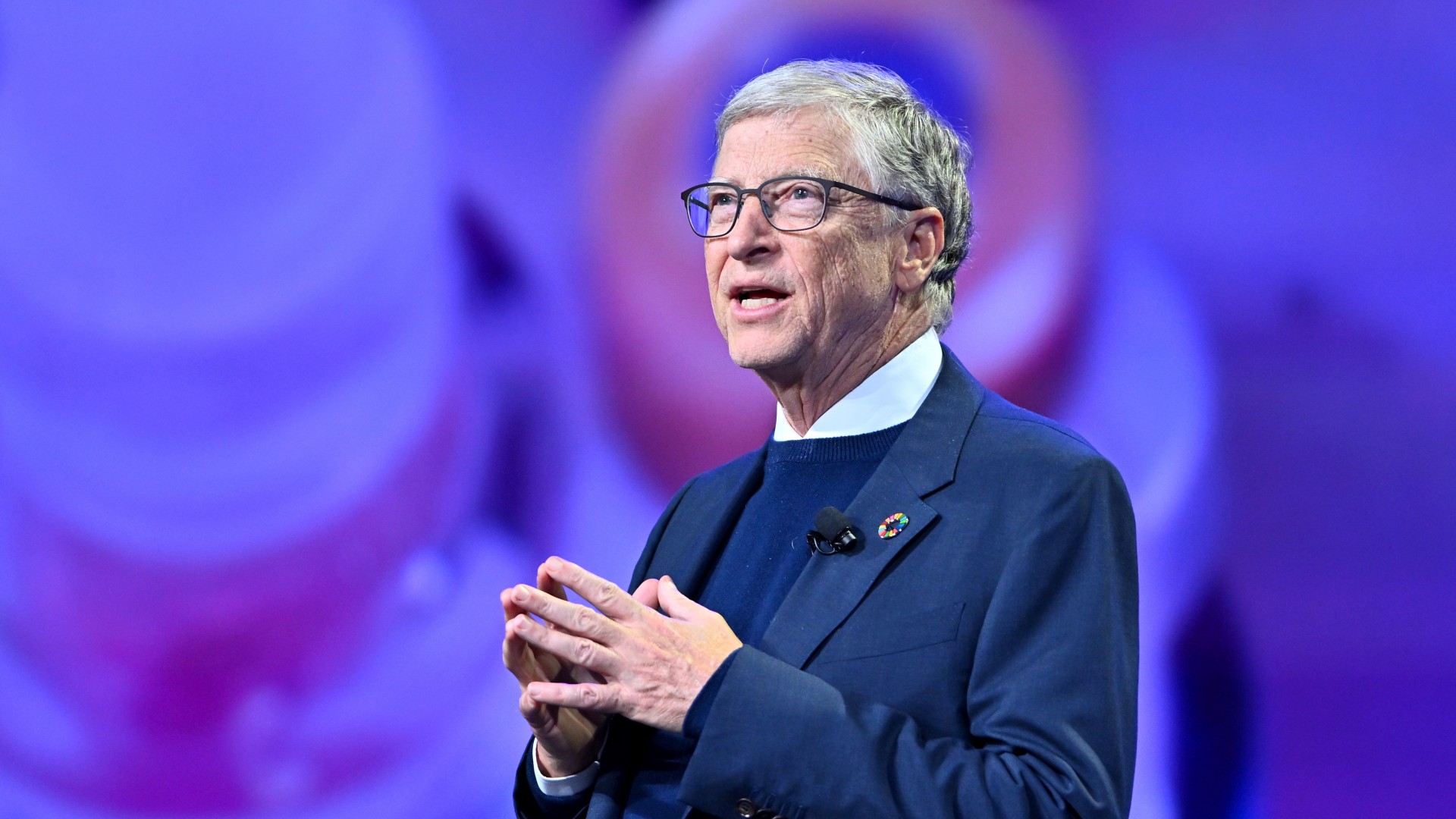
The executive stressed the need for strong rules and oversight when creating and using artificial intelligence. He cautioned that AI could potentially become infinitely intelligent, meaning there’s no foreseeable limit to its capabilities.
Recent news highlights concerns that AI development may be slowing down because of a shortage of good data to train AI models. Although OpenAI’s Sam Altman and former Google CEO Eric Schmidt both deny this, suggesting there’s no proof of a slowdown, reports indicate leading AI research labs could struggle to create more sophisticated AI in the future.
“I believe the advances will not plateau before exceeding human levels,” Gates indicated.
Bill Gates recently discussed how AI might change the job market. He believes AI will eventually be able to do most jobs currently done by people. However, he also pointed out that we’ll still have control over what tasks remain uniquely human. As he playfully suggested, people would likely prefer to watch humans play baseball rather than computers.

Read More
- What Song Is In The New Supergirl Trailer (& What It Means For The DC Movie)
- Gold Rate Forecast
- Eurogamer Gives ARC Raiders 2/5 Over AI Voices, Dropping Metacritic Score from 94 to 84
- Crimson Desert – 15 Things I Wish I Knew Before Diving In
- How to Get the Bloodfeather Set in Enshrouded
- Han Solo’s Most Confusing Line in The Empire Strikes Back Isn’t “I Know”
- Steve Rogers’ Return Means the MCU Can Finally Solve Avengers: Endgame’s Last Mystery
- This One Stranger Things Theory Explains a 9-Year-Old Season 1 Mystery, Sets Up the Finale, & is the Key to Future Spinoffs
- 7 Classic TV Shows With Criminally Low Rotten Tomatoes Scores
- Homura Hime coming to Switch 2 in 2026
2026-01-12 15:39