Fallout co‑creator leaves retirement to rejoin Xbox’s Obsidian Entertainment, fueling speculation about future games. — “Don’t bother guessing, you’re not gonna guess right.”

Tim Cain, a well-known game designer, is coming out of semi-retirement to rejoin Obsidian Entertainment, a role-playing game studio owned by Xbox Game Studios. He announced on Friday, through his YouTube channel, that he’s already been back working with the team for a little while. Cain is currently involved in a new, unannounced project, and he playfully suggests fans won’t be able to guess what it is. He also plans to continue sharing stories and insights from his long career on his personal YouTube channel as long as he has interesting things to share. You can watch his full announcement video below.

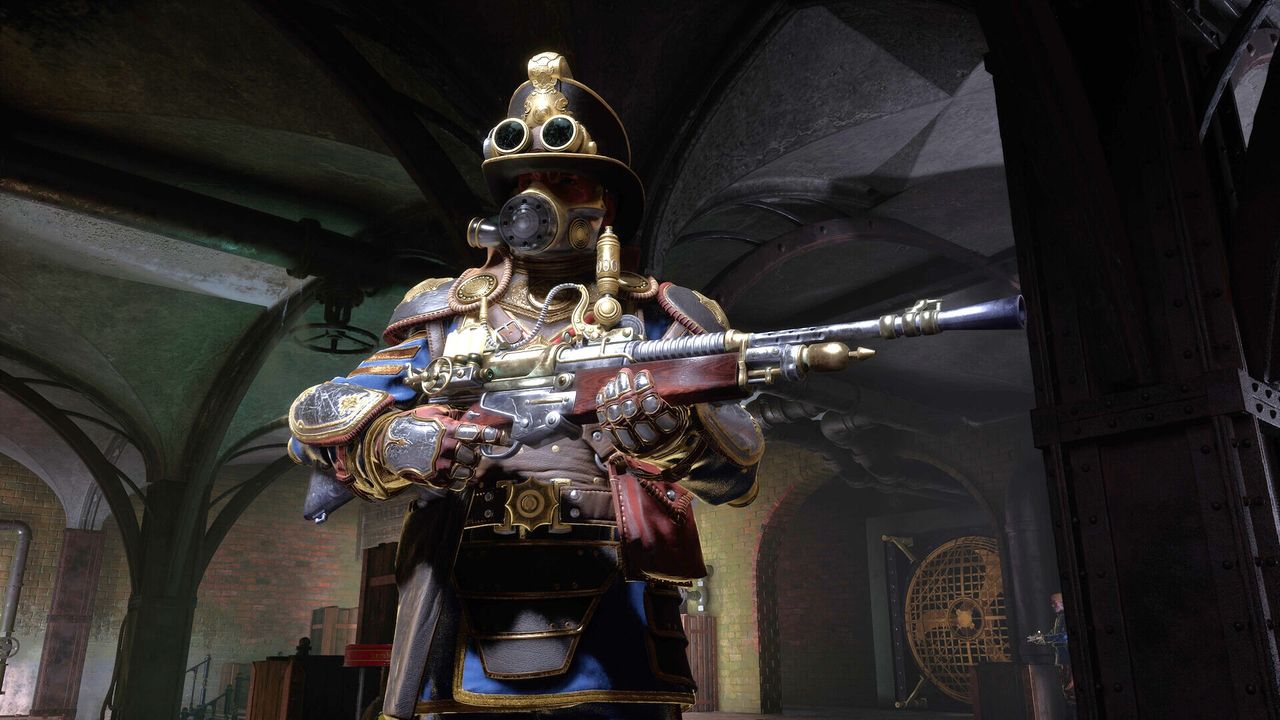
“The most complex game I’ve ever worked on.” Legendary Fallout dev making Xbox’s Clockwork Revolution teases crazy depth — and a feature I’m dying to see

I’ve noticed Xbox Game Studios has been consistently releasing large-scale RPGs lately – titles like Avowed, Grounded 2, and the upcoming The Outer Worlds 2, often with Obsidian Entertainment at the helm. But their next big RPG isn’t coming from Obsidian; it’s Clockwork Revolution, being developed by inXile Entertainment, the team behind Wasteland 3.

Does Fallout TV show Season 2 make a New Vegas ending canon? Creators say they took a “fog of war approach” — here’s what that means

Ever since the first season ended with a hint of a ruined city, fans have been speculating about where the story would go. The recent trailer revealed at Gamescom confirmed those suspicions – the next season will be set in the iconic city from the beloved 2010 game. Marketing materials also showcase familiar groups and characters from the game, including the Kings, Caesar’s Legion, and the city’s founder, Robert House (Mr. House).

ChatGPT ads for $200/month Pro users might be OpenAI’s biggest fumble yet — but an overall necessity for its financial woes

Many people are hesitant to upgrade to Windows 11 not just because of its strict hardware needs and design issues, but also due to Microsoft’s increasing use of ads within the operating system, even as support for Windows 10 ends. Interestingly, Linux is becoming more popular, likely because it doesn’t include ads or track user data.