Christopher Nolan is arguably the most impactful filmmaker of the 21st century. He’s one of the rare directors whose films almost guarantee success, as audiences expect a truly original and unforgettable experience. With eight Oscar nominations and over $6 billion in box office earnings, Nolan has cemented his place as a highly respected and influential cinematic artist, and he’s still actively making movies.
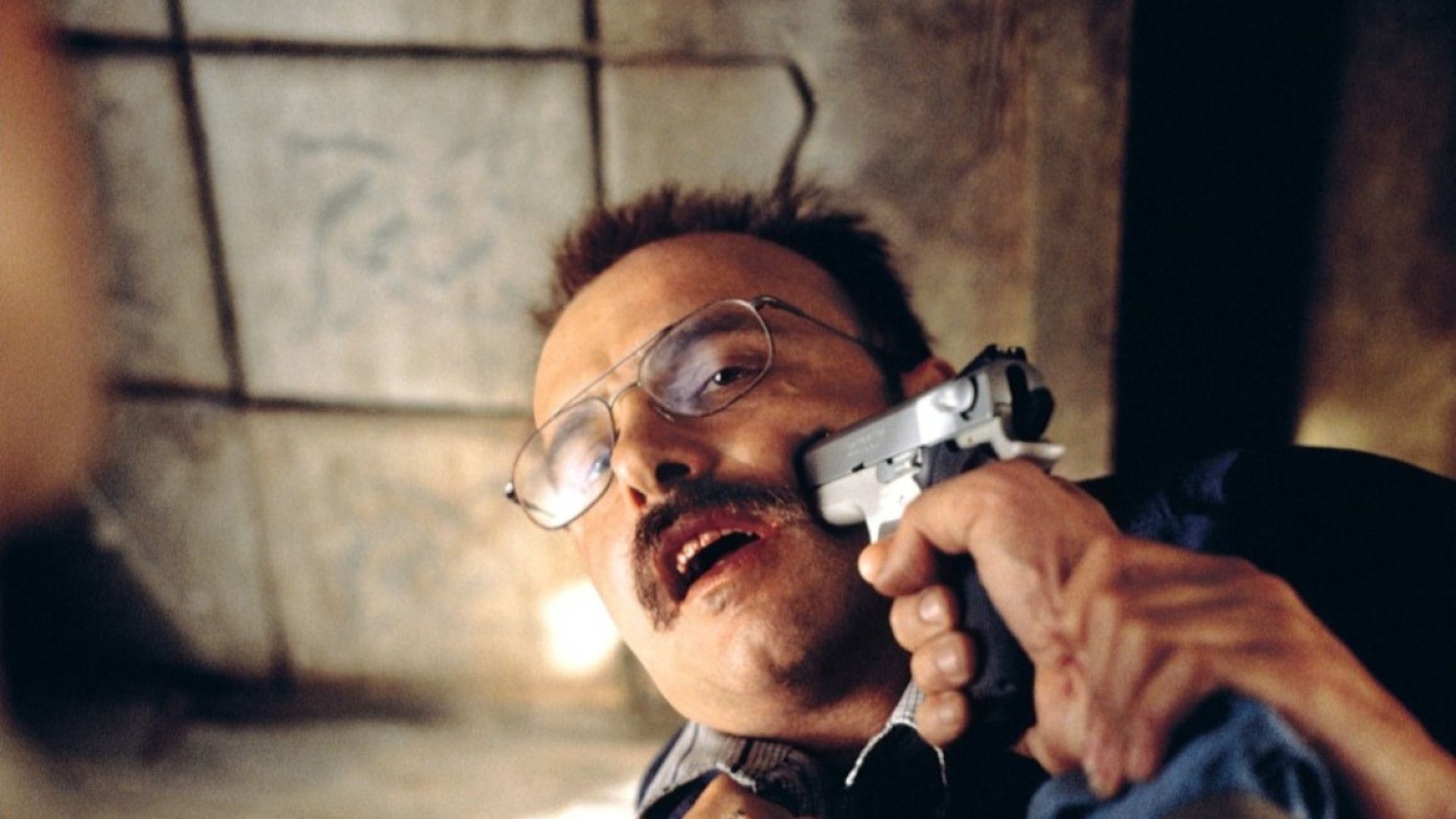
Though Christopher Nolan is famous for huge films like Oppenheimer, Interstellar, and the Dark Knight series, many consider his earlier film, Memento, to be his most important work. Memento, starring Guy Pearce, Carrie-Anne Moss, and Joe Pantoliano, tells the story of a man who can’t form new memories. He’s trying to solve the mystery of his wife’s murder and figure out who caused his memory loss. Despite being made with a small budget of under $10 million, Memento continues to stand out as a defining film in Nolan’s career.
‘Memento’ Is Where Christopher Nolan First Established His Trademark Style
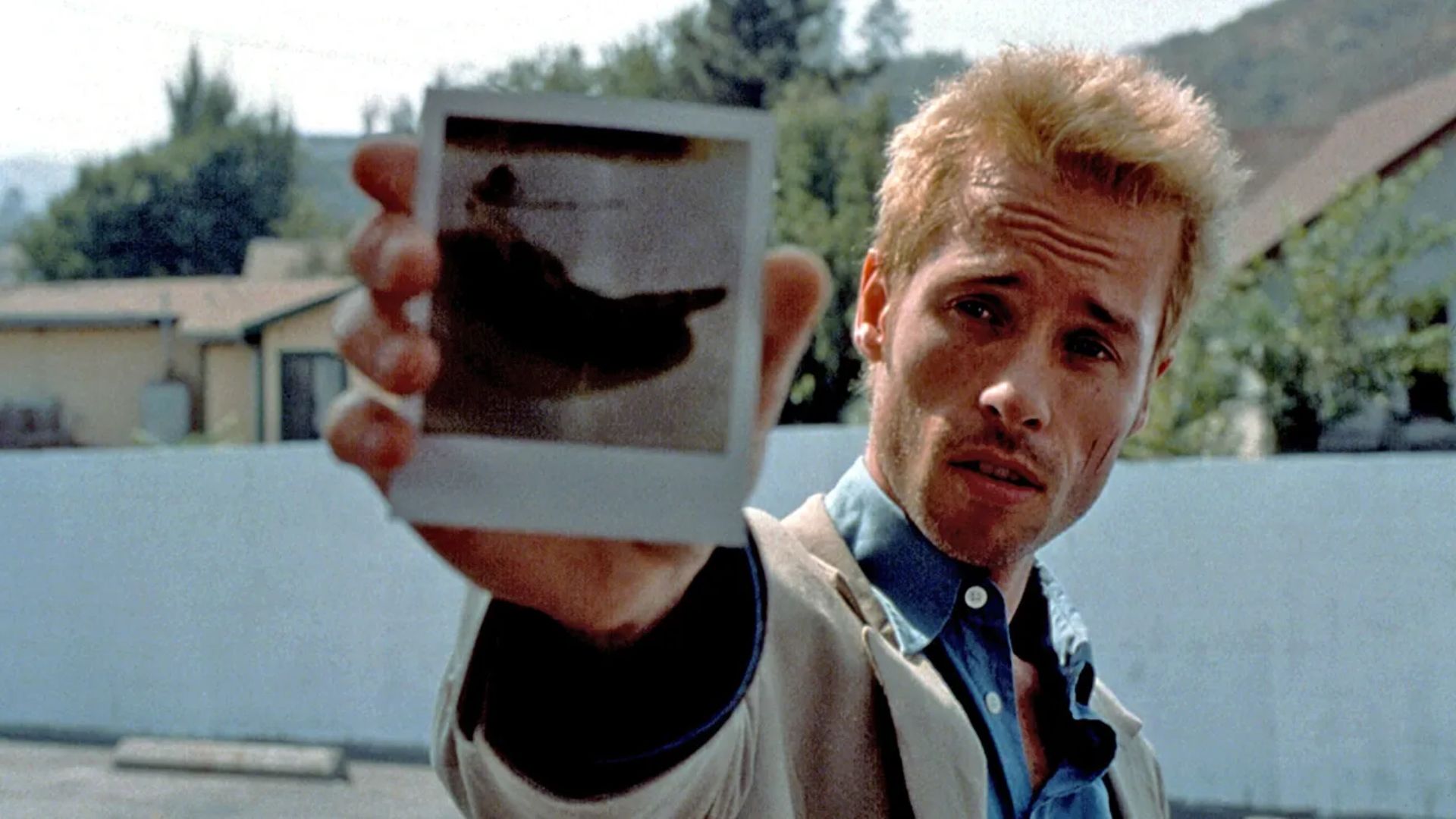
Christopher Nolan is known for making films that are both intellectually stimulating and emotionally resonant. He prefers a realistic, hands-on approach to filming, avoiding excessive computer effects in favor of natural lighting and unique camera angles best seen on the big screen. His characters are rarely simple; they’re often haunted by their pasts and operate in morally ambiguous situations.
I remember being completely blown away by Memento when it first came out, and it really cemented Christopher Nolan as a director to watch. What’s interesting is that because it was made on a smaller budget, his unique style actually shines through even more clearly. He puts you right inside the mind of Leonard, making you feel just as lost and confused as he is with his memory loss. Looking back at his later films, Memento feels like the perfect starting point for understanding his whole approach to filmmaking – it really set the tone for everything he’s done since.
‘Memento’ Introduced Nolan’s Use of Nonlinear Storytelling and Shifting Perspectives
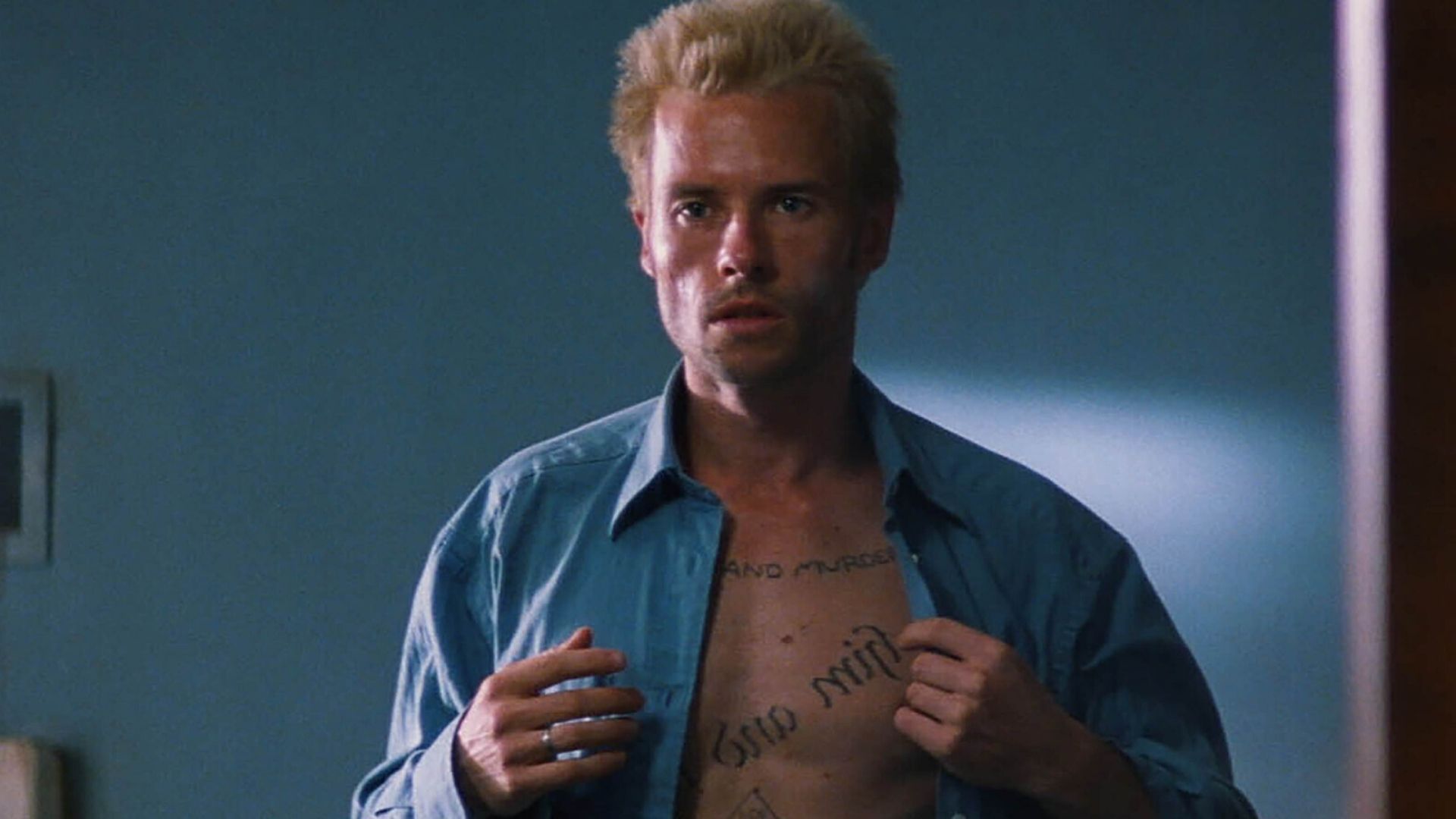
Christopher Nolan’s most famous films often delve into the ideas of time and what’s real, all while telling a compelling story. While many filmmakers explore similar themes, Nolan uniquely creates a viewing experience that bends your perception of time and reality. He famously does this through techniques like nonlinear storytelling, as seen in Memento. The film puts the audience directly into the mind of the main character, Leonard Shelby, by jumping around in time with his investigation. This keeps the mystery alive until the very end, when all the pieces finally connect.
This technique became a signature element of Nolan’s filmmaking, frequently culminating in a moment where the entire story clicks into place. It’s not a trick or a deliberate attempt to mislead, but rather a careful unveiling of the full picture until the very end, letting the audience piece things together alongside the characters. His films often end with a revelation of how the fragmented, nonlinear storytelling all connects. Nolan doesn’t present time as a simple progression, or reality as clear-cut; everything hinges on how his characters – and, consequently, the audience – interpret events.
Nolan Still Employs Many of ‘Memento’s Most Prominent Filmmaking Techniques Now
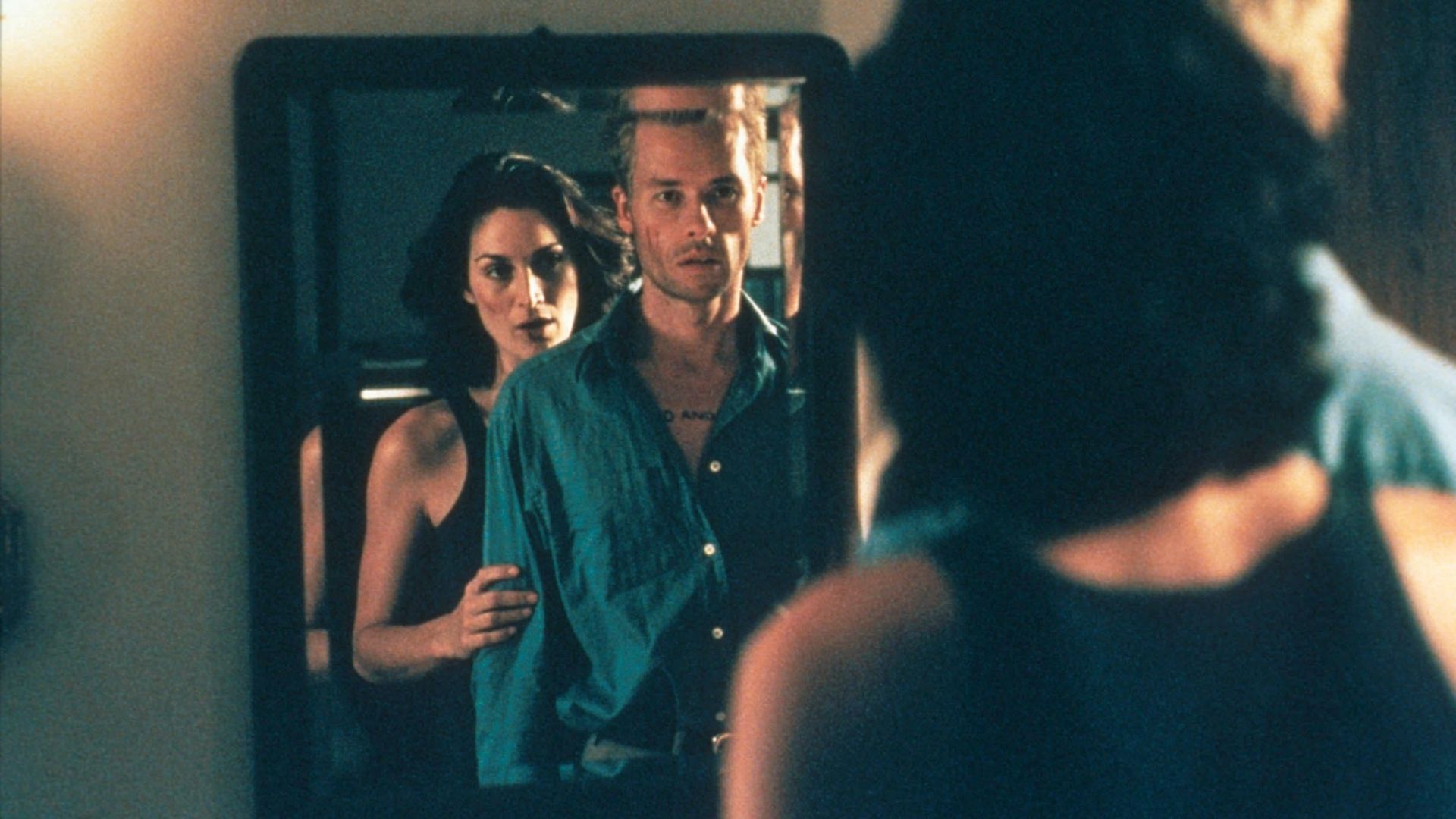
Beyond its unique narrative structure, Memento marked the beginning of Christopher Nolan’s now-famous filming style. A key technique he introduced was “elliptical editing,” where he intentionally left out scenes considered unnecessary – like a character simply walking across a room. This wasn’t just a stylistic choice; it played with the viewer’s perception of time, creating suspense and a sense of urgency.
Christopher Nolan frequently uses a handheld camera technique, and it’s prominent in Memento. The camera closely follows Guy Pearce’s character, Leonard Shelby, almost as if it is another person present or walking alongside him. This creates a sense of realism that’s effective throughout Nolan’s work, but it’s particularly crucial in Memento. It initially tricks the audience into believing Shelby’s experiences are genuine, even though the film later reveals his perception of reality is flawed and untrustworthy.
The film Memento relies heavily on authentic locations to create a believable world, something often lacking in movies filmed on sound stages. Leonard Shelby’s environment – from rundown hotels and warehouses to ordinary city streets – feels incredibly real because it is real. This dedication to detail and realism is crucial to Nolan’s filmmaking; it draws the audience in by making each setting feel like a place they could actually encounter.
Read More
- What Song Is In The New Supergirl Trailer (& What It Means For The DC Movie)
- Dune 3 Gets the Huge Update Fans Have Been Waiting For
- TV legend Carol Kirkwood reveals the reasons why she decided to retire after 28 years with BBC
- Unforgotten legend Nicola Walker stars in first look at all-new “outrageously witty” comedy drama series
- Avengers: Doomsday Release Date Change Being Discussed – Report
- Grab These Resident Evil PSN Avatars for Free This Month
- Gold’s March Madness: Plumbing, Panic, and Polish Central Banks
- Whales, Channels, and the Inevitable Dance of Folly
- The War Film Harrison Ford Completely Disowned Finally Returns to Streaming – “A Terrible Experience”
- Steam Giving Away Two PC Games for Free for Next 72 Hours
2026-04-05 23:48