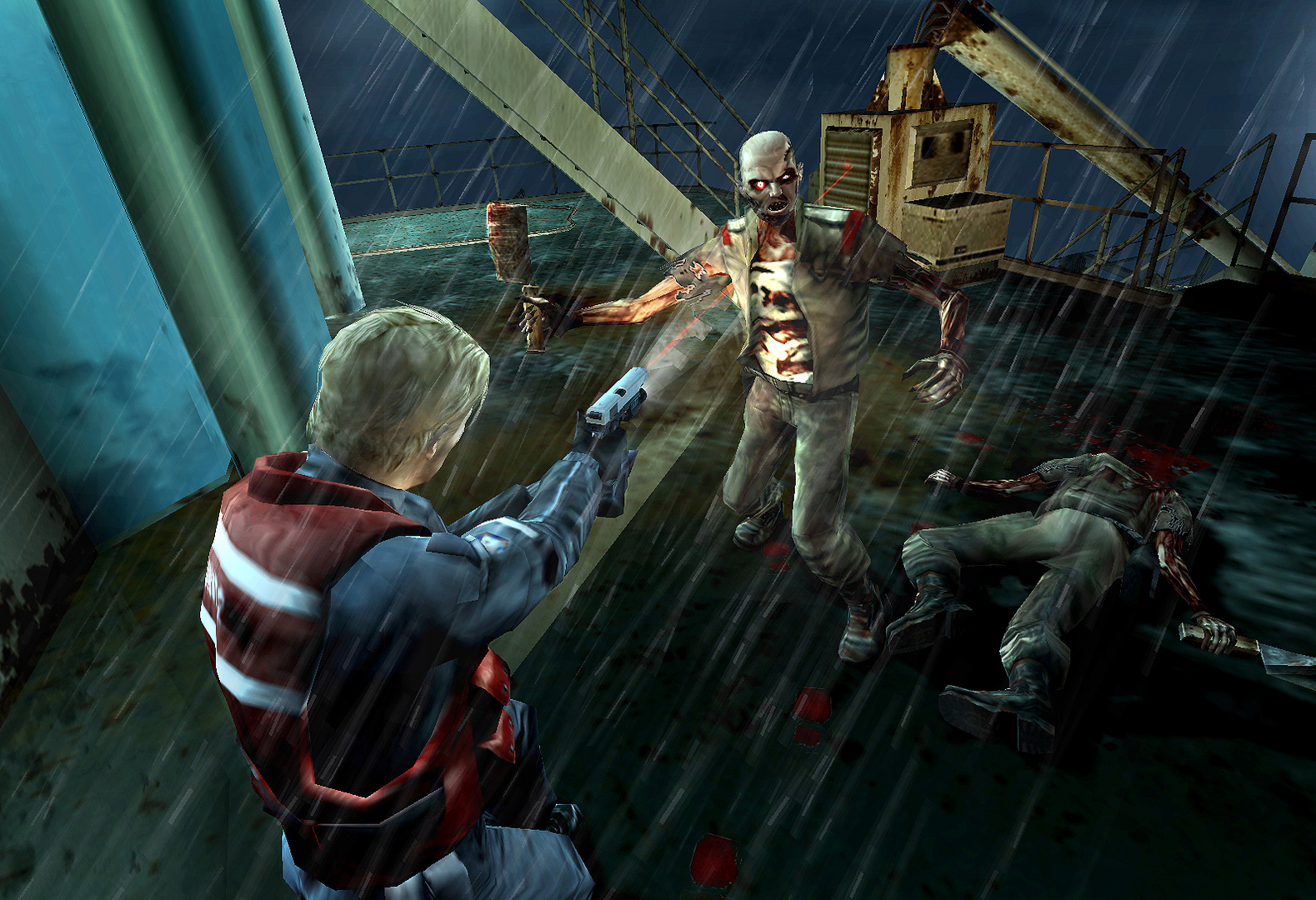
It’s exciting to see classic video game ideas reimagined for today’s players, especially when developers improve the gameplay and fix problems from the original. This approach also lets them update the experience with modern features and make it more enjoyable for everyone.
Modern gaming has shown that well-crafted remakes can be very successful. Thinking about games that offered something truly different, we were reminded of one from the past that stood out: Cold Fear. This survival horror game is particularly intense and might not be for everyone, especially those sensitive to unsettling experiences.
The game’s clever design turns the environment itself into the biggest challenge, demanding skillful maneuvering. So, why did such an original game become so forgotten, with its groundbreaking ideas lost to history?
Let’s take a look back at Cold Fear, a horror game that had the potential to be truly great, despite a few rough edges. Prepare for an adventure!
The Eye of the Storm
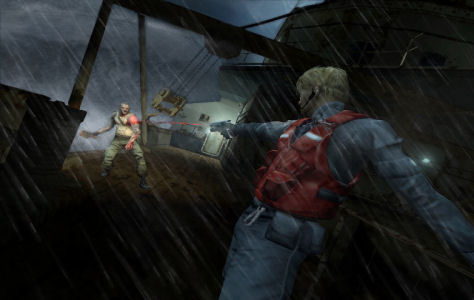
The story of Cold Fear starts with a straightforward mission: you’re a Coast Guard officer sent by the CIA to look into strange events aboard a Russian fishing boat caught in a violent storm. When you arrive, your team is quickly eliminated by terrifying creatures, leaving you stranded with a group of frightened Russian mercenaries and no clear idea of what’s going on. You must try to figure out the truth, but there’s a twist.
That storm we talked about earlier might actually be more dangerous to your character than the Exos – those terrifying, zombie-like creatures created by a failed virus. You might wonder why a regular storm could be so threatening, especially when it could just add to the game’s atmosphere. The reason is that Cold Fear goes to great lengths to make the experience realistic, and that includes physically rocking the ship during the storm as you play.
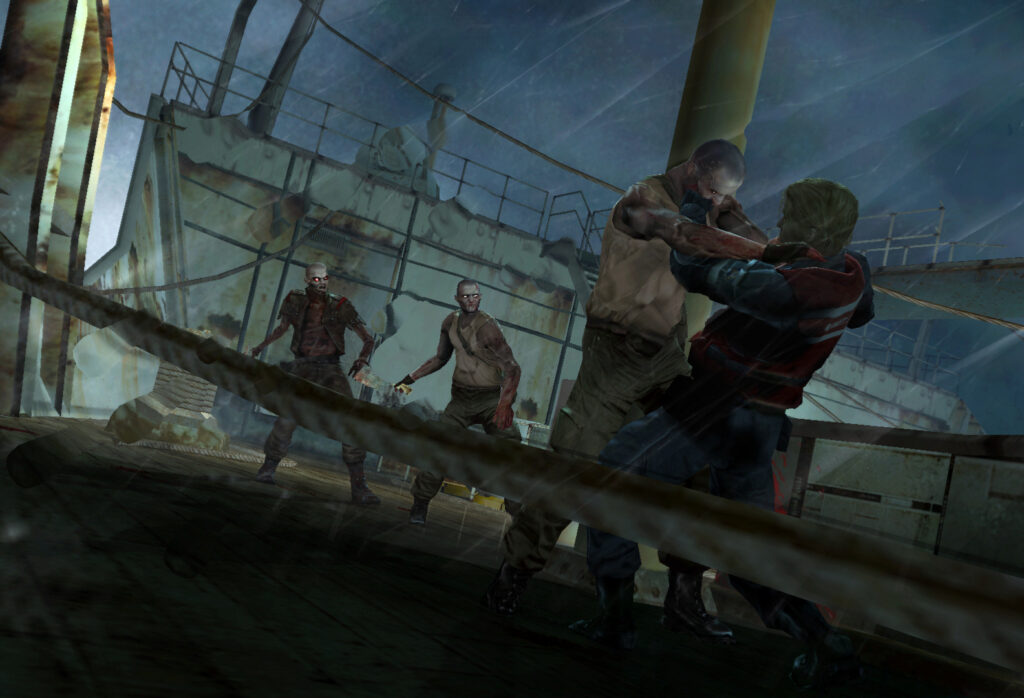
It’s going to be very difficult to stay balanced, as the boat is tossed around by the rough waves. Navigating the game’s levels will be a real adventure. You’ll face attacks from the Exos and frightened mercenaries while struggling to stay on your feet, and the game is built to keep you constantly on edge. Sounds like a thrilling experience, doesn’t it?
The storm impacts everything in the game – your character, enemies, and the environment – and significantly changes how you play. When you’re outside, be careful not to start battles near edges, as the ship’s movement could throw you into the water. You have limited stamina to hold on and climb back aboard, so failing to do so means falling into the sea. And getting hit by a wave on deck is extremely dangerous.
Staying aware of your surroundings on the ship is key to survival. You’ll have to dodge broken wires and other dangers that can cause damage. The game itself actively tries to push you into these hazards, making it feel like everything is out to get you. Even the camera moves with the storm, adding to the feeling of disorientation and making you truly believe you’re struggling on a ship at sea.
The game’s levels felt incredibly satisfying to complete, offering a unique sense of reward. It’s surprising this hasn’t been replicated much since, particularly with modern features like haptic feedback, adaptive triggers, and ray tracing, which could really enhance what made Cold Fear special.
So, how did the developers at Darkworks create such a captivating game? It seems they relied on a lot of clever new ideas.
The Calm Before the Storm
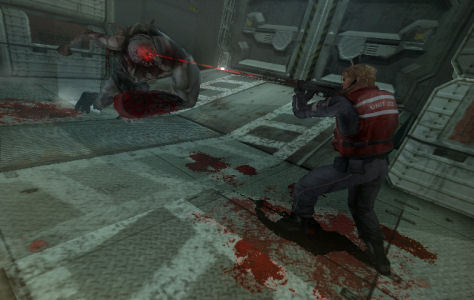
The challenging, tilting environments in Cold Fear were made possible by a strong combination of advanced technology and creative vision. The game’s unique survival horror experience relied on the Darkwave Physics system, built with a custom engine that realistically simulated the rocking motion of a ship at sea. This system impacted every aspect of the game, allowing for a huge range of character animations, a redesigned camera that moved naturally without clipping through walls, and physics that convincingly mimicked how objects would behave on a shifting, unstable surface.
The game Cold Fear was innovative in making the environment itself a danger to players and enemies, and its systems worked well together. However, these same systems contributed to its commercial failure. The player character’s awkward movement made exploring the ship uncomfortable, and this quickly diminished the game’s appeal, ultimately stripping away what made it special.
The awkward controls made fights feel slow and frustrating, which was especially disappointing for a game aiming to be scary and exciting. The camera system was also problematic, particularly in tight areas, and often hindered visibility when you needed to clearly see what was happening.
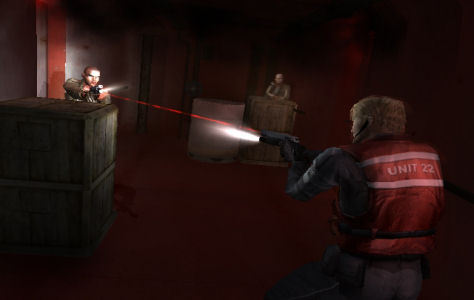
The story is somewhat typical, and later levels lose the intense, rocking motion that made the game special. While the main character, Tom Hansen, is likable, the mystery behind the danger isn’t as impactful as it could be with stronger writing. Overall, the experience feels predictable, which is a bit jarring considering the exciting and unpredictable moment-to-moment gameplay of Cold Fear.
Despite a promising start and a unique concept – simultaneously managing the environment and the dangers within it, something rarely seen in horror games – Cold Fear was let down by outdated visuals and a lack of diverse enemies. This is unfortunate because the game successfully made even simple actions, like walking or aiming, feel challenging and realistic, contributing to an immersive experience, even if the game wasn’t perfect.
Missed Opportunities
It’s disappointing that Cold Fear didn’t fully realize its unique approach to survival horror. Despite this, it remains a fascinating experiment held back by technical constraints and issues with how it was made.
If a game’s environment subtly reacts to everything within it – players and creatures alike – it could be a really effective way to draw players in and keep them hooked, as long as the rest of the game works well. The biggest problem with Cold Fear wasn’t a lack of potential, but that it didn’t fully utilize its own interesting ideas.
Okay, so the game had this really interesting idea where your actions were tied to movement, which could have been amazing if it worked consistently. Honestly, it just didn’t quite land when it first came out, but I really think the developers are talented enough to try that concept again. Maybe they could use it in a new game where it would fit better – a game built from the ground up to really showcase what that unique movement-based gameplay can do. I’d love to see them give it another shot!
A remake could really elevate the game, letting modern hardware finally realize its original ambitious vision. It’s surprising that Cold Fear hasn’t gotten more attention, considering how unique it is, but it could offer something fresh to the horror genre.
This is particularly noticeable given how today’s games are already using advanced technology to create incredibly immersive and frightening experiences. It’s exciting to think about how a fresh idea like this could look and play with modern techniques, and the captivating gameplay it could offer.
Let’s hope this unique take on survival horror isn’t forgotten, and that it returns even stronger soon.
Please be aware that the opinions shared in this article belong solely to the author and don’t reflect the official stance of GamingBolt.
Read More
- Gold Rate Forecast
- Looks Like SEGA Is Reheating PS5, PS4 Fan Favourite Sonic Frontiers in Definitive Edition
- Dune 3 Gets the Huge Update Fans Have Been Waiting For
- Arknights: Endfield – Everything You Need to Know Before You Jump In
- Jack Osbourne Shares Heartbreaking Tribute to Late Dad Ozzy Osbourne
- Dungeon Stalkers to end service on June 9
- Disney Promotes Thomas Mazloum To Lead Parks and Experiences Division As Josh D’Amaro Prepares To Become CEO
- Antiferromagnetic Oscillators: Unlocking Stable Spin Dynamics
- 22 actors who were almost James Bond – and why they missed out on playing 007
- 5 Weakest Akatsuki Members in Naruto, Ranked
2025-12-31 23:27