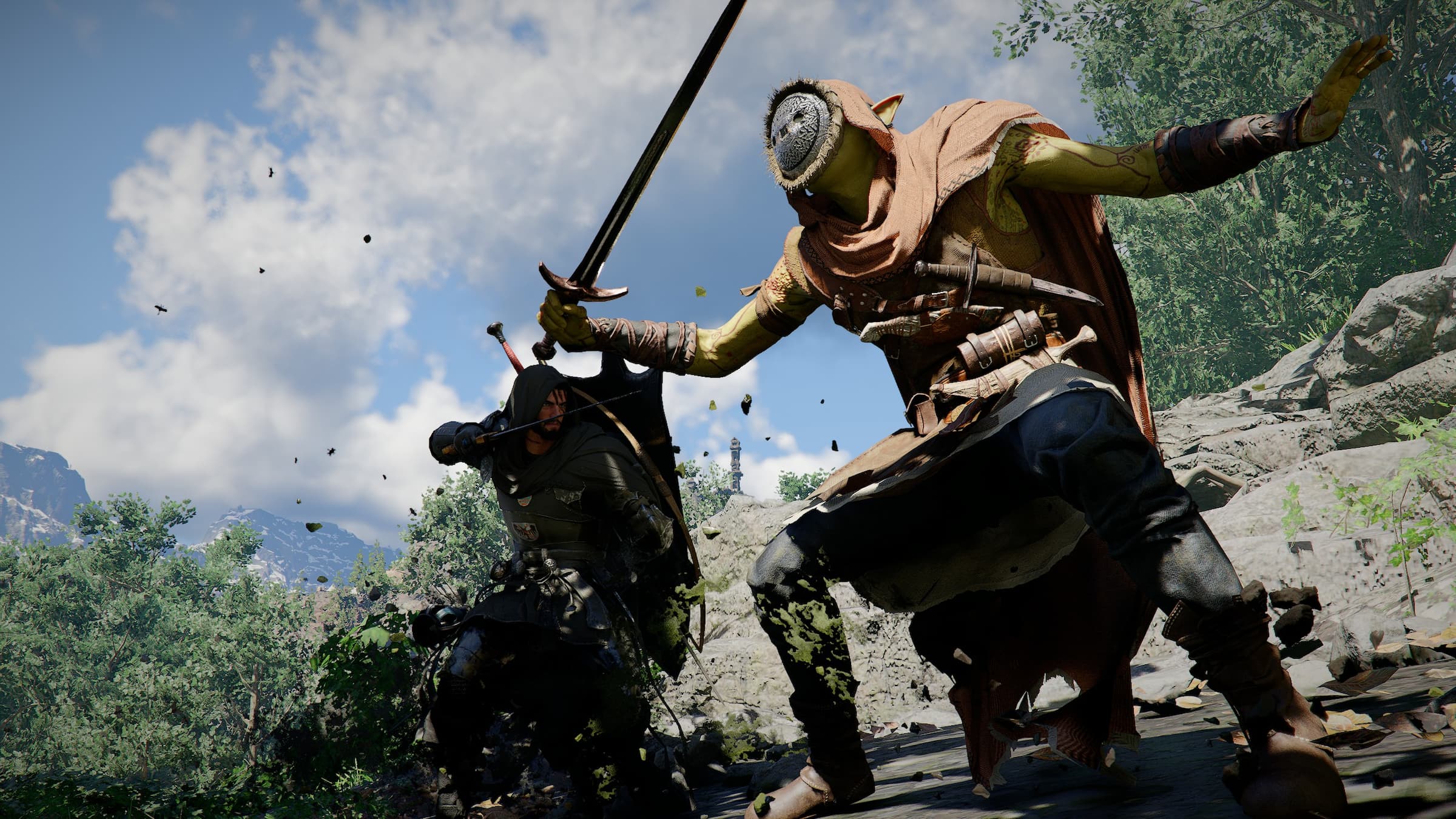
Though Crimson Desert doesn’t try to imitate Souls-like games, players often notice similarities. The combat feels weighty and the battles unfold slowly, creating a familiar sense of challenge. It’s not an obvious copy, but a subtle feeling that builds through the game’s tension and the knowledge that even a small error can lead to failure. Players familiar with Souls-like games will immediately recognize this demanding, yet rewarding, experience.
The game feels familiar, but it’s not a copy of others; it’s a natural fit. Crimson Desert recognizes something many recent games overlook: real challenges make gameplay rewarding. It allows players to make mistakes, learn from them, improve, and come back stronger. This creates a satisfying flow similar to the best ‘Souls-like’ games, even if it doesn’t strictly adhere to that genre. The final product is surprisingly fresh and feels carefully designed.
Boss Fights That Punish Mistakes and Reward Mastery

Boss battles in Crimson Desert aren’t just about quick reactions – they also demand self-control. Simply mashing the dodge button won’t save you. The game penalizes poorly timed rolls, even by a small margin. Repeatedly dodging quickly will actually change to a short backstep, which sounds helpful, and can be if used deliberately. It can even set up special attacks if you know how. However, this feature is often a trap. The backstep offers less protection than a proper dodge, meaning your instinctive panic-rolling can actually cause you to get hit. The game isn’t just punishing errors, it’s discouraging ingrained, bad habits.
The game’s design fundamentally changes how you handle combat. Simply mashing buttons to roll and survive, like in many action games, won’t work here. Crimson Desert demands precise timing with every action, making you think before you react. Blocking isn’t a safe option either, as your stamina is limited and can be quickly depleted. You’re constantly making choices – should you dodge, block, or back away completely? This creates a focused, deliberate style of combat similar to Souls-like games, where skillful control is more important than fast reflexes.
The battles are intentionally paced to emphasize strategic thinking. Bosses effectively control the arena and quickly punish reckless attacks. Many fights aren’t just about getting harder; they change significantly as they progress. An enemy that seemed predictable can suddenly become faster, combine attacks in new ways, or add new dangers, forcing you to react quickly. If you relied on memorizing patterns, the game removes that advantage, giving you only a visual cue – a phase change and a refilled health bar – to prepare.
What’s special about these fights is how they’re designed to help you improve as a player. At first, you’ll likely struggle and feel defeated, but as you learn the enemy’s patterns, your responses become more focused. Instead of flailing, you’ll time your dodges perfectly, and instead of rushing in, you’ll find the right moment to attack. When you finally win, it doesn’t feel like you just beat a boss – it feels like you figured out a system that was always there, waiting to be understood. This is the core of the combat in Crimson Desert, similar to the feeling in Souls-like games.
There Are Hidden Souls-Like Lessons in Every Boss Encounter
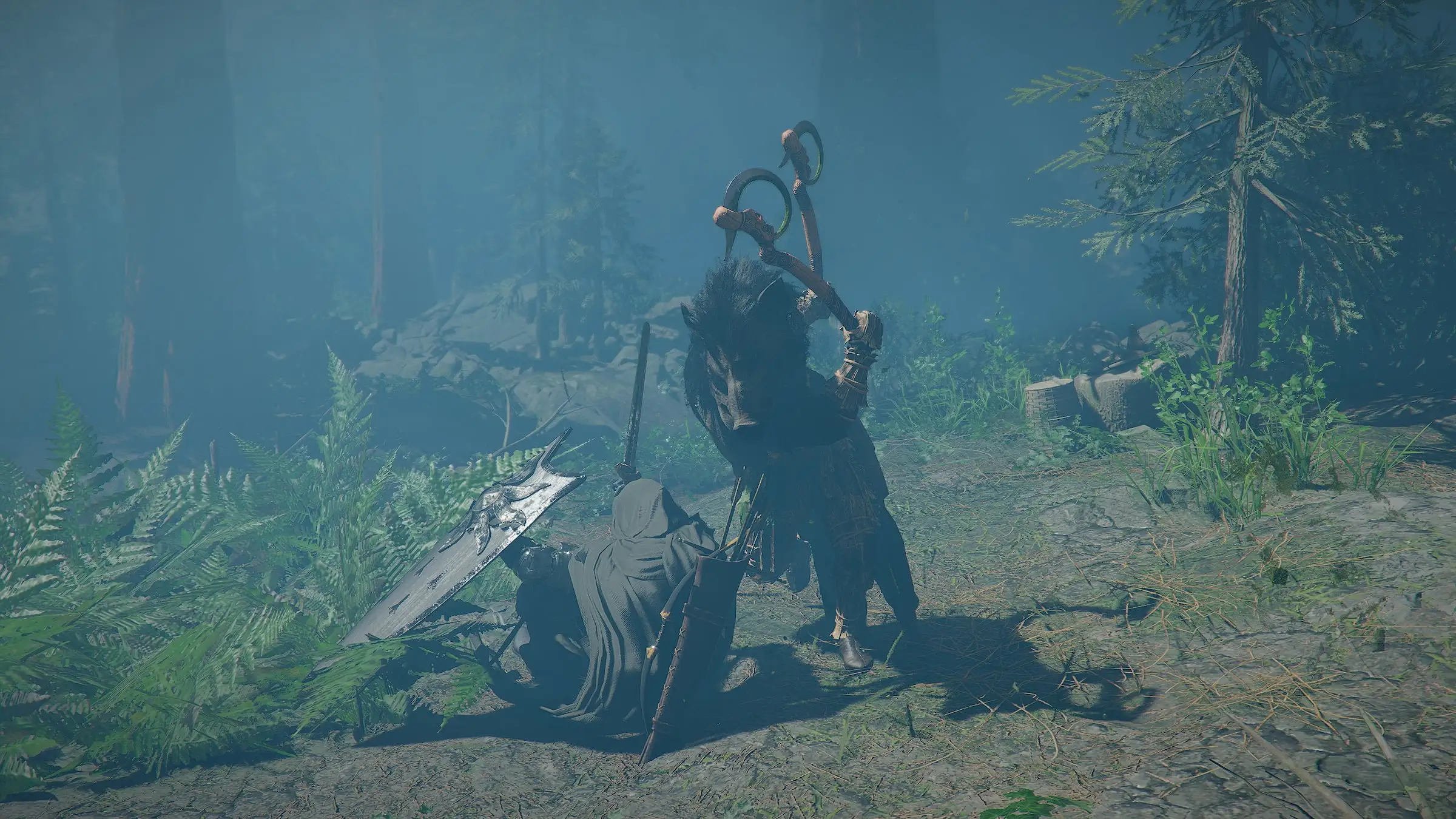
Crimson Desert excels at teaching through experience, rather than explanation. It throws you into challenging situations where you’ll likely fail, prompting you to figure out why things went wrong. Instead of offering guidance, the game lets you learn from the consequences of your actions. This can be frustrating, but that frustration is actually key to the game’s depth. You improve by experimenting, and each mistake helps you understand the game better, slowly building your knowledge through trial and error.
As you play, you start to notice a hidden order. The timing of enemy attacks, how often you face challenges, and the flow of combat all begin to feel deliberate, not just random. What once seemed unfairly difficult starts to feel balanced and carefully crafted, as if the game is teaching you its rules. You shift from seeing challenges as roadblocks to understanding them as intentional design choices – something to learn from, not just struggle through. This is what turns frustration into enjoyment, and it’s a key reason why so many gamers love Souls-like games.
This is where Crimson Desert truly embodies the spirit of Souls-like games. It doesn’t simplify things to make it easier; instead, it deliberately creates challenges, believing players will overcome them. Those who do are rewarded not just with progress, but with a more meaningful experience. The game demands more effort, but offers a greater payoff in return, making the difficulty feel satisfying. Facing a boss in Crimson Desert is often an intense, demanding encounter.
What do you think? Leave a comment below and join the conversation now in the ComicBook Forum!
Read More
- Dune 3 Gets the Huge Update Fans Have Been Waiting For
- Looks Like SEGA Is Reheating PS5, PS4 Fan Favourite Sonic Frontiers in Definitive Edition
- Gold Rate Forecast
- Pluribus Star Rhea Seehorn Weighs In On That First Kiss
- Kelly Osbourne Slams “Disgusting” Comments on Her Appearance
- Tomodachi Life: Living the Dream ‘Welcome Version’ demo now available
- Antiferromagnetic Oscillators: Unlocking Stable Spin Dynamics
- Arknights: Endfield – Everything You Need to Know Before You Jump In
- The Smiling Friends’ Creators Have Bad News For Fans
- Goat 2 Release Date Estimate, News & Updates
2026-03-30 02:41