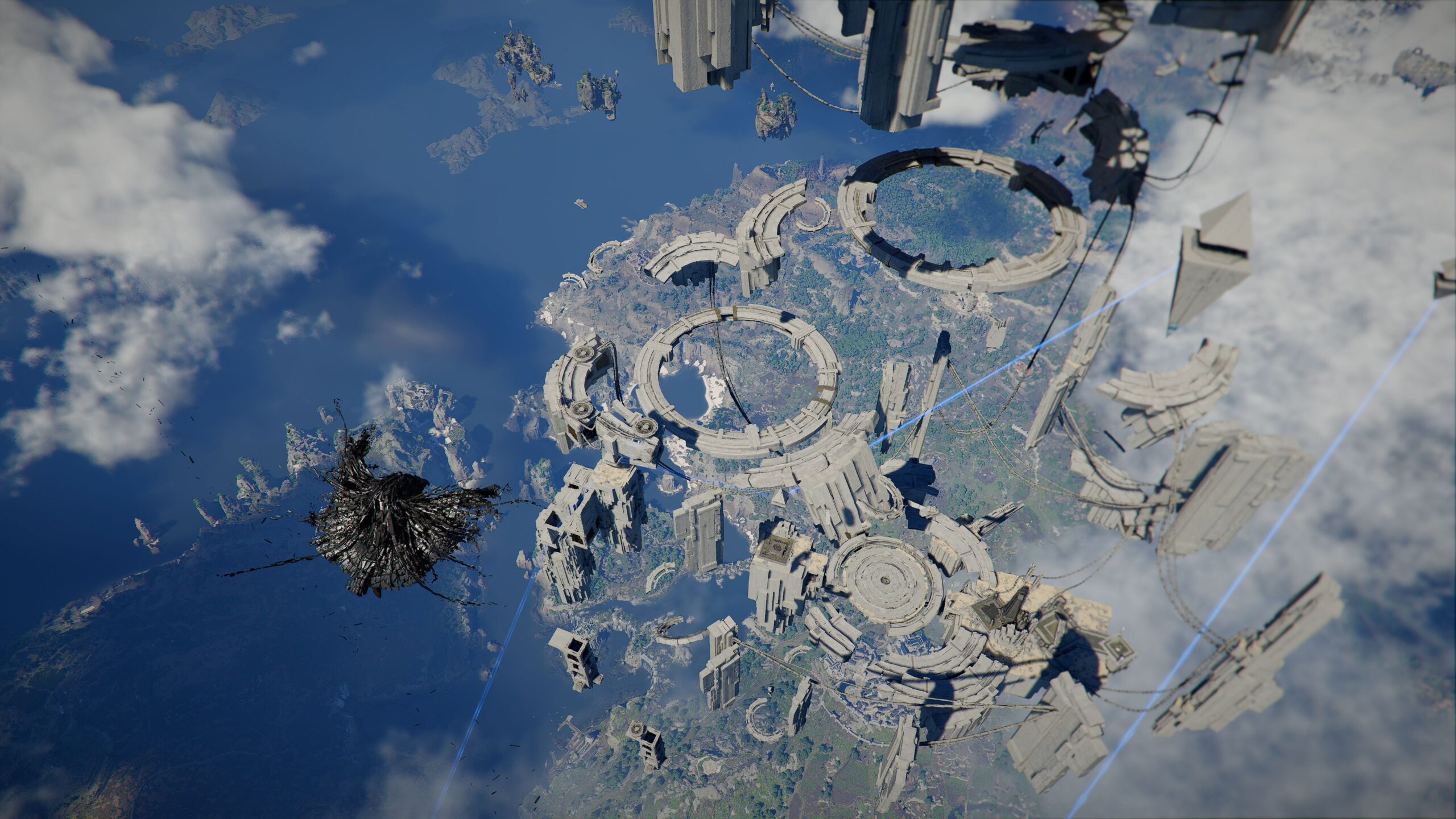
I’m a big fan of Crimson Desert. I especially enjoy its expansive open world and how it lets you explore and interact with the world of Pywel in a really freeform way. The combat is fantastic, particularly after equipping Daminane with better gear and upgrades. I’ve also had a lot of fun developing my Greymane camp. The game’s environments, like The Abyss, are stunning, and I’ve enjoyed the challenge of figuring out all the intricate machinery.
That section really took me back to playing on the PS3, when games weren’t as focused on guiding you every step of the way. Characters weren’t as talkative either, and you often struggled with them to overcome challenges. Luckily, the internet was always there to connect you with other players facing the same issues. Playing Crimson Desert brought all those memories flooding back, and I found myself, for the first time in years, constantly checking Google on another device while exploring the world of Pywel.
Pywel brings back the feeling of classic gaming communities, where players helped each other overcome challenges and celebrated those who found solutions. It reminds me of a time when even single-player games fostered strong online connections, with players offering support and encouragement when needed.
Crimson Desert truly immerses players in its world. It’s impressive how it achieves this sense of connection, especially considering many games like it are often played solo. Let’s explore the many interesting ideas and systems that have kept me thinking while playing.
A Sense Of Mystery and Intrigue
It felt strange to need a guide so soon after Elden Ring showed me that even looking up information couldn’t help me find everything in that game. Now, a few years later, I’m in the same situation with this game, but it’s not because the puzzles are broken—the secrets are just well-hidden, and the game doesn’t offer much help. The clues are vague, unlike many other games that provide hints.
I used to spend hours figuring out older games, and that’s actually why I started writing about them. Games like Skyrim were incredibly complex, and I relied on experienced players to help me understand everything. The Souls series was the same way – they still excel at keeping secrets! These games always felt like a personal research project, driven by my curiosity and a desire to uncover everything, which kept me engaged even when things got tough.
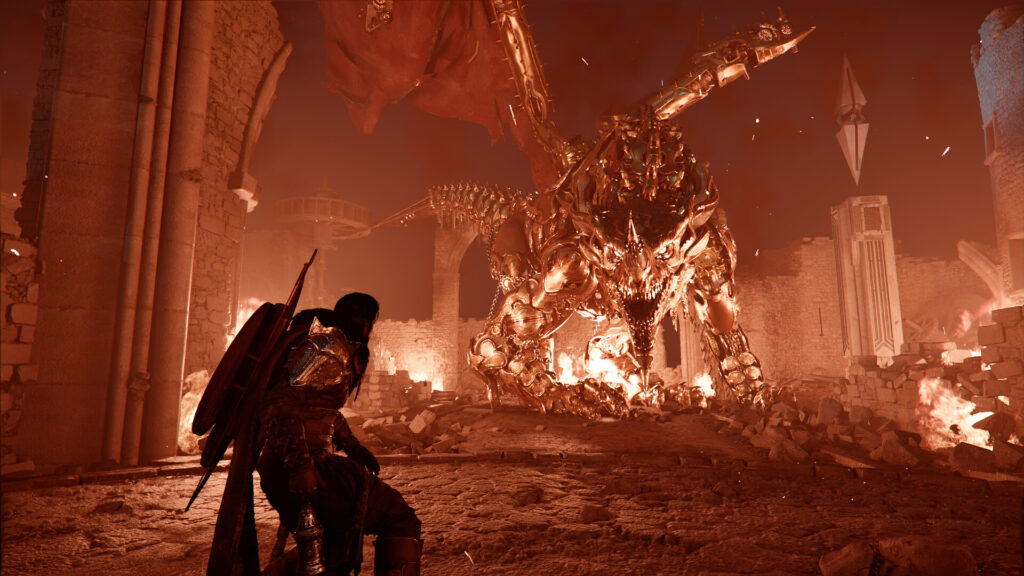
Crimson Desert really captured that same immersive feeling, and because Pywel is so vast, I decided getting some help would be beneficial. However, needing help doesn’t necessarily mean the game is difficult. The puzzle solutions section was added alongside the walkthrough, providing guidance whenever I returned to explore Pywel in Crimson Desert.
In my experience, the Abyss areas are the most challenging part of the game. I learned this the hard way when I first fought the Karin Quarry boss with my starting equipment, not knowing how powerful Abyss Gear could be. I hadn’t even encountered Hornsplitter yet! Just reaching the Abyss through any of the Spires is a real struggle. It reminded me of Prince of Persia (2008) – that game also featured tricky puzzles, and while you had a helpful companion, they were just as worn out as you were trying to solve them.
Games like Skyrim and the puzzles in Zelda often require players to really think things through. Hell Is Us, released last year, was particularly demanding – I found myself constantly taking notes to keep track of everything. While new games like that can be challenging, many games from the PlayStation 3 era were notoriously difficult. It’s great that Crimson Desert has adopted this approach, because the world of Pywel is captivating and full of intriguing mysteries.
Maybe it’s just me, but I enjoy the challenge of figuring things out on my own, even if it means hitting a wall and eventually looking up the answer. There’s something satisfying about realizing the solution was obvious all along! I can laugh about completely forgetting a simple trick I’d seen before – like how to rotate puzzle pieces – but it still stings to remember wasting two hours trying to solve it, especially since I’d focused so much on developing my Axiom abilities.
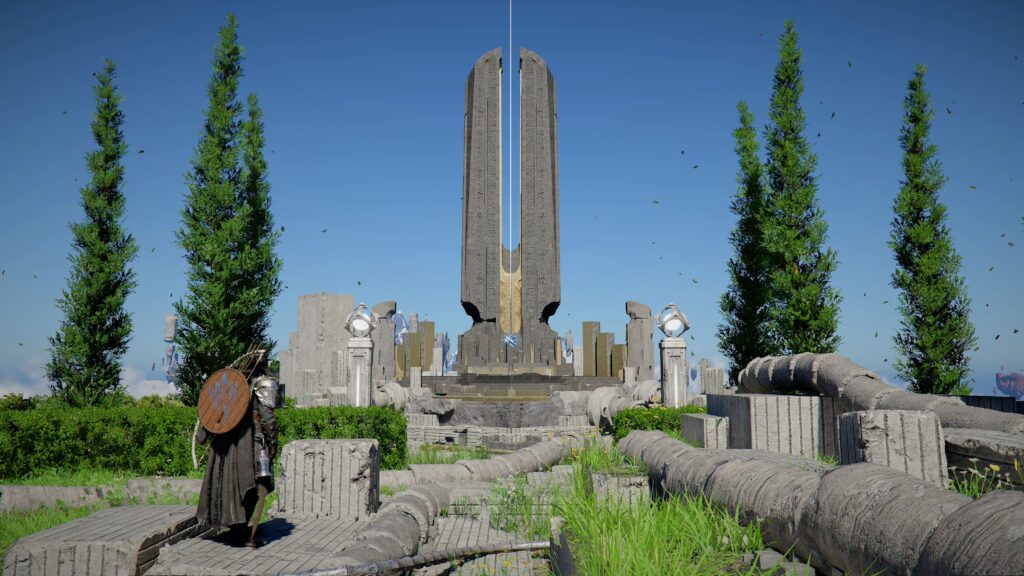
There was a time when this was common in games, and I really missed it as it became increasingly rare. Thankfully, Crimson Desert has reintroduced it. And now, there’s even more to explore and interact with.
The Fear Of Failure
When I first started playing Crimson Desert, the initial sections focused on issues I was already aware of. However, I was curious about what hidden problems or unexplored areas the game held. As I completed more and more quests for the people of Hernand, two new sections opened up, and I felt a growing worry that I might accidentally break something by venturing too far and discovering things I wasn’t supposed to.
Like with any anxiety, it’s reassuring to know others are going through the same thing. I spent time on the game’s online forum and discovered a lot of people who were either worried about unsolved problems or excited about discoveries they’d made. I definitely fell into the excited group after seeing someone successfully use Kliff’s fighting style, which immediately made me want to try out unarmed attacks and their skills in my own game.
I’ve connected with other players who love games as much as I do, and it reminds me of the joy of first experiencing Skyrim or sharing frustrations about tough bosses in the Souls series. It was great when other players would chime in – those who’d already conquered the boss would offer helpful advice, and I’ve used those recommendations to win countless battles. Crimson Desert brought back that same sense of community and shared discovery, which was fantastic.
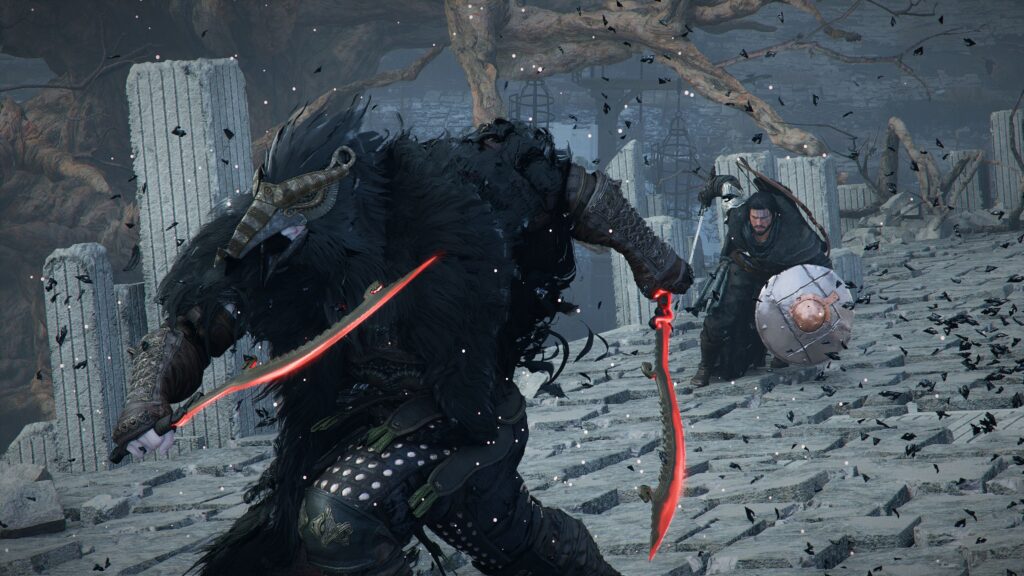
I also keep running into a problem where I worry about what will happen because of my choices. You’ve probably heard of the Fruit of Life by now – if not, seriously, don’t pick it up until the game tells you to! I found that out the hard way. I grabbed it because it looked important, then had to pause and ask other players online that I’d accidentally messed up a quest. I thought about starting the game over, but after spending 80 hours exploring, I decided to just accept the mistake and watch a guide online instead.
Many games from the PlayStation 3 era felt like they had two phases. The first time you played, you were figuring things out, and the second time, you truly understood the game’s systems and could use them to your advantage. You learned through trial and error, then joined online communities to discuss strategies. Since I started playing Crimson Desert, I’ve been spending a lot more time on my phone – and that’s because I’m diving deep into the game and its community.
What really makes Pywell special isn’t just seeing what’s there, it’s what you can do with it. It’s not about exploration for me, it’s about overcoming challenges and building something. That’s where my head goes when I’m really playing, thinking about all the possibilities. It’s those thoughts that fill up the last parts of my brain when I’m deep in the game.
Stubborn and Proud Greymanes
Taking on the Pywel challenge was ambitious, and it was particularly difficult when Crimson Desert first launched. The game was still being updated, and early versions had issues, but players worked together to find solutions and overcome obstacles. I was able to get my legendary horse thanks to a helpful tip that simplified the taming process – it was much easier than trying to control the horse while it bucked and threw me around!
I’ve found video guides much more helpful for solving puzzles than text guides. Often, the written explanations were too confusing and didn’t give me the clues I needed. For example, I was stuck on a key Abyss puzzle – the one that unlocks elemental attacks – for a long time. I tried many solutions before someone suggested checking my camp for missing items, which finally solved it. Now, the Frost Mantle is a crucial part of how I play as Kliff.
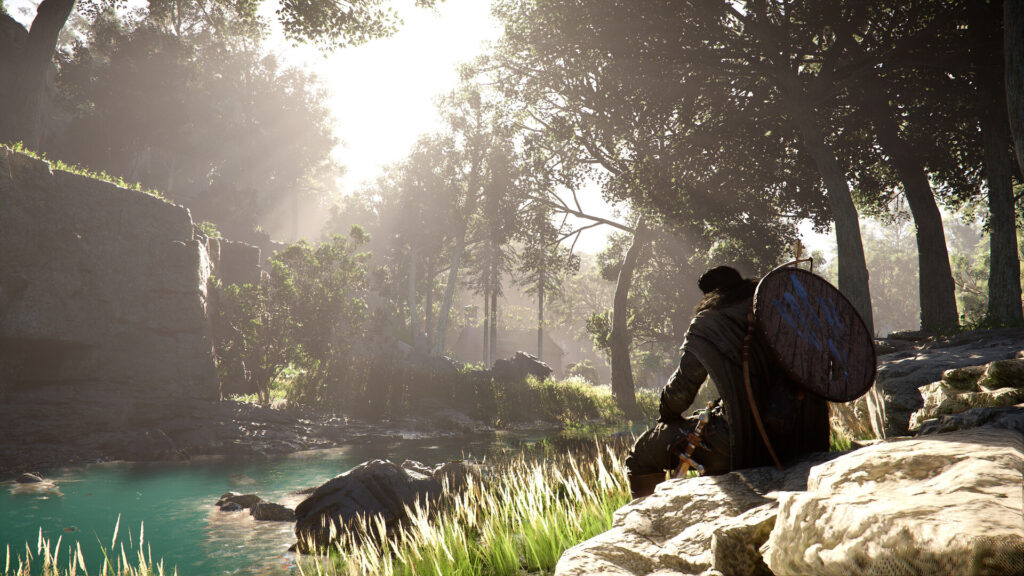
I’m clearly really captivated by Crimson Desert. I see that as a good thing! The game brings back memories of when I used to explore and experiment more in games, rather than just focusing on efficiency. That combination could sometimes lead to trouble – I’m reminded of my time with Witcher 3 – but it also created some truly amazing experiences, like the hours I spent battling a tough boss in Nioh 2.
Pywel isn’t just a way to escape into another world; it reminds me of when I had the time and energy to stay up all night playing truly captivating games. These days, I need more sleep and have less free time for gaming. But for special games like Crimson Desert and those it takes inspiration from, I’m willing to sacrifice a few hours of sleep to recapture that feeling of playing games from the PS3 era. And that, ultimately, is what makes Pywel so impressive.
The opinions shared in this article are the author’s own and don’t reflect the official stance of GamingBolt.
Read More
- Gold Rate Forecast
- 10 Most Powerful Versions of Superman, Ranked
- GBP CNY PREDICTION
- 10 Best Free Games on Steam in 2026, Ranked
- 007 First Light: Release Date, Story, Gameplay, Cast, Editions, and Platforms
- Superman’s 7 Best Power-Ups, Ranked
- Forza Horizon 6 Car List So Far: Confirmed Highlights, Cover Cars, DLC, and Rewards
- 10 Greatest Manga Endings of All Time
- DOGE PREDICTION. DOGE cryptocurrency
- The Boys Officially Sets Up 4 Supes for Jensen Ackles’ Soldier Boy Spinoff
2026-04-13 17:23