
With so many big sequels and blockbuster franchises competing for viewers this year, Supermassive’s new game, Directive 8020, is different. It’s not aiming for huge size or complicated gameplay. Instead, it focuses on what Supermassive does best: building a gripping story where your choices matter and every decision has consequences.
Many games try to impress with long lists of features, but Directive 8020’s simplicity might actually be its greatest asset. It doesn’t seem like a major release for 2026 at first glance, but the more you look at what it’s aiming for, the more you realize it could become a surprisingly influential game and spark a lot of discussion.
The game’s strong potential comes from its story, which explores feelings of loneliness, doubt, and how easily people can break under stress. Set in a tense, futuristic world, Directive 8020 puts players in a dangerous situation where simply staying alive is a challenge, and the real dangers aren’t always clear. What’s particularly interesting is how much your choices matter – the story changes based on what you do, significantly impacting the outcome, which is typical of games made by Supermassive.
Characters aren’t simply figures in a story; they’re dynamic elements that change and react to events. As relationships develop, break down, or end based on choices made, the story becomes a uniquely personal experience.
What makes Directive 8020 stand out is how personal it feels. Many story-based games offer choices, but those choices often don’t really matter – they only lead to slight differences in the end. This game is different because your decisions have real impact, not just right away, but throughout the entire experience.
Even small choices, like a pause before acting or a simple conversation, can have big consequences and change the game’s story in surprising ways. This unpredictability is what keeps players truly invested – it’s not just about following a plot, but about actively creating it as you play.
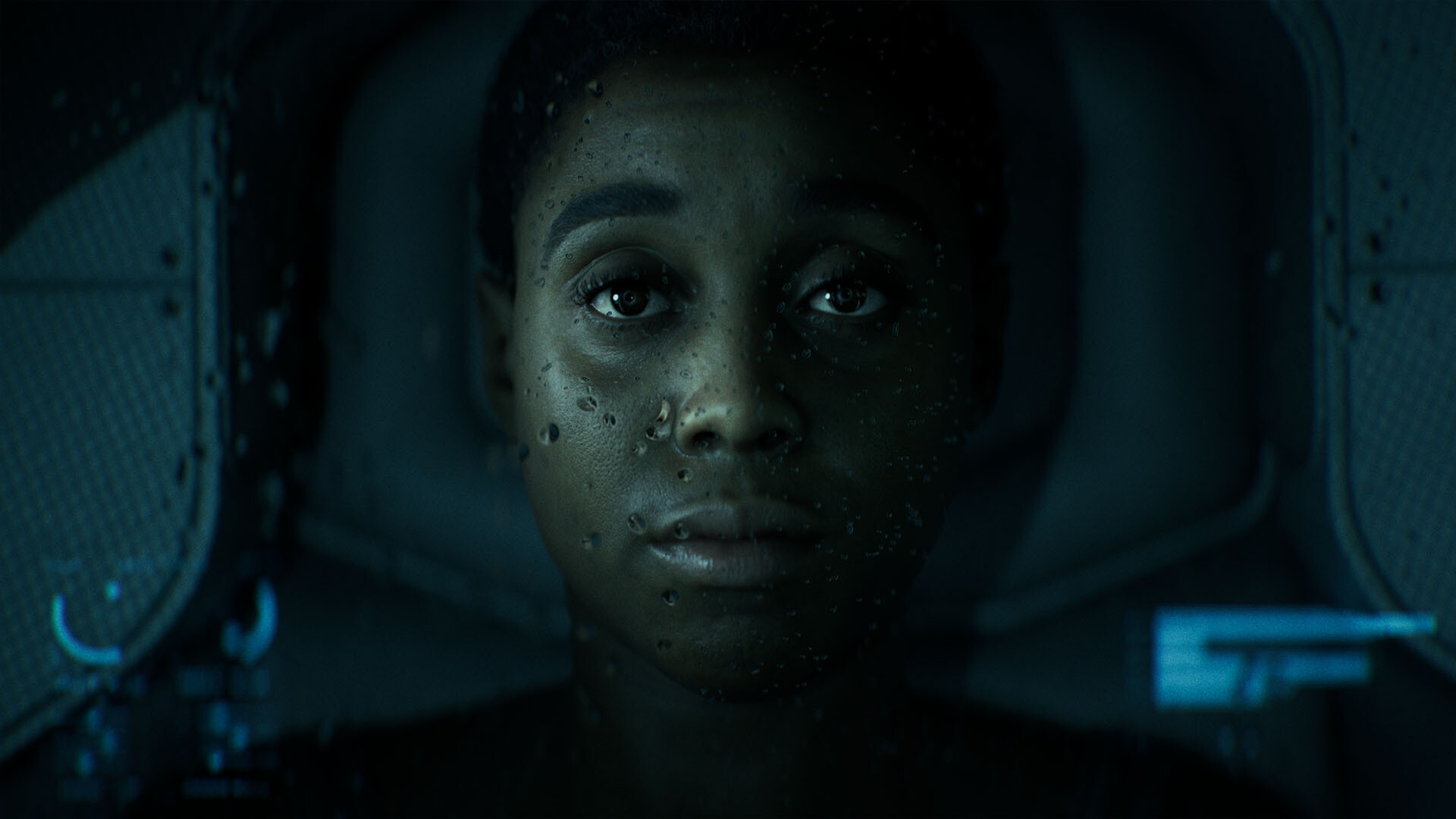
The game’s approach to mechanics reinforces that philosophy, and that’s not something that most developers would dare to do in today’s day and age. Directive 8020 doesn’t appear to rely heavily on traditional combat systems or power fantasies. Instead, it seems to prioritize decision-making under pressure. Moments of danger aren’t simply about reacting quickly or executing precise inputs – but those constraints force you to mak judgments.
When things fall apart, how do you react? And who do you rely on? What dangers are worth facing, and which could ruin you completely? While there’s plenty of action, it mostly builds suspense instead of being the suspense. There’s no way to simply ‘fail’ – every choice has lasting consequences, forcing you to live with them. This focus on consequences is key, making every moment feel important and impactful.
The game isn’t just about doing things; it’s about carefully considering your choices and what might happen as a result. This design allows for unique stories to unfold naturally, something few games achieve. Instead of relying on pre-planned scenes, Directive 8020 seems to create memorable moments through how its systems interact. The best experiences aren’t from set pieces, but from situations where things could have easily gone wrong. A split-second decision to save one character but not another, a mistake with lasting consequences, or a gamble that unexpectedly pays off – these are the moments players will remember and share. They also make the game more replayable, as players will want to explore different possibilities and discuss what happened.
One of the best things about Directive 8020 will likely be how much you want to play it again. Because the game’s story changes based on your choices, each playthrough can be unique. This also encourages players to share their experiences and discuss how their game unfolded, making it a really engaging community experience.
Players discuss different strategies, argue about what could have happened, and consider other ways things could have played out. This continued involvement keeps the game interesting and talked about long after it’s finished. In a fast-moving gaming world, being able to maintain that level of discussion can naturally boost the game’s popularity.
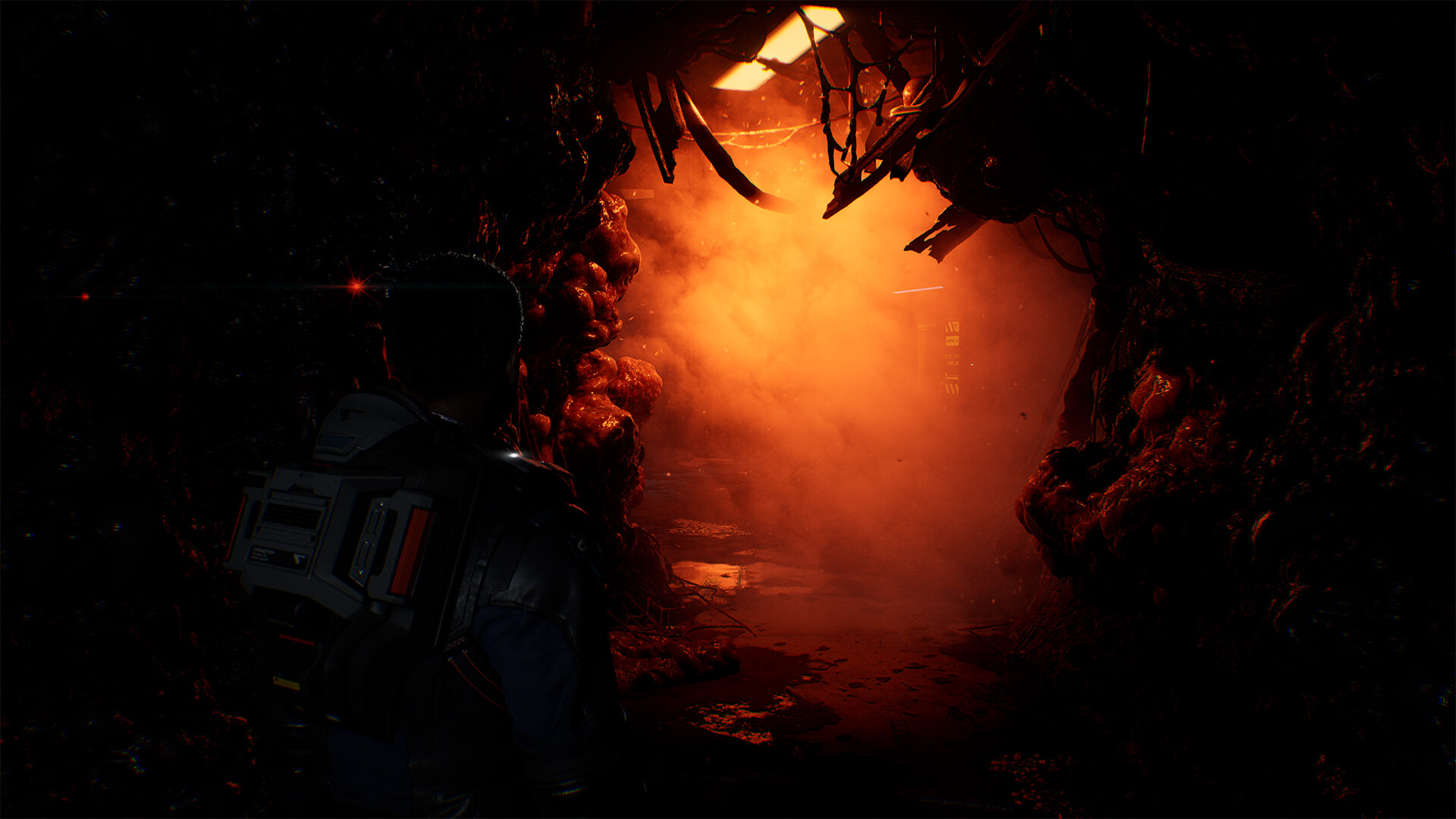
The location in Directive 8020 isn’t just for show; it really builds the tension and makes things feel unpredictable. The story takes place in a small, dangerous sci-fi setting, which is ideal for creating high-stakes moments, and the creators are using this to great effect. Being cut off from help makes every choice feel important, and there’s a constant sense that something bad could happen at any time.
The game’s environment isn’t just scenery; it’s a key element that strongly influences how players feel about danger and security. Creating a believable and immersive world seems to be a major focus for the developers.
Okay, so Supermassive Games always nails the graphics, and Directive 8020 is no exception. The environments look really well made – tons of detail, and they clearly put a lot of work into the lighting and how everything is laid out. It doesn’t try to blow you away with flashy effects, though. Instead, it feels like they focused on making the places you explore feel real and like you’re actually there. I noticed a lot of subtle storytelling in the environments too – little details and objects that hint at bigger things happening in the world. It all just feels really cohesive and like everything is there for a reason, which I appreciate – nothing feels out of place or just thrown in for show.
The game’s pacing could also be a key to its success. Many recent games struggle to find the right balance – they’re either non-stop action or have moments that feel too slow. Directive 8020 seems to be taking a more measured approach, building suspense gradually and then releasing it at just the right moments. Supermassive Games is known for creating this kind of engaging rhythm, which is especially important for horror and suspense games, making the intense moments feel genuinely earned and impactful.
Ultimately, whether this game succeeds, like any other, comes down to how well it’s made. Player choices need to feel impactful, not just like window dressing. The story has to make sense, even with different paths players can take. And the game needs to stay exciting without becoming predictable. These are tough hurdles for even experienced developers, but if the team behind Directive 8020 can pull it off, the results could be really impressive.
What’s really promising about Directive 8020 is its potential to become popular through word-of-mouth. Games that let players create their own unique stories often gain traction naturally, as players share their experiences and get others involved. We’ve seen this happen with games like Breath of the Wild and Valheim, which have become lasting parts of pop culture. It’s not just about how many copies a game sells at first, but about keeping players engaged and the conversation going long after release – and that could be a major benefit for Directive 8020.
In conclusion, what really makes Directive 8020 stand out is its strong sense of self. The game has a clear vision for the experience it wants to create, and everything is designed to support that central idea. This focused approach is a welcome change in an industry often filled with games that try to be everything to everyone. It allows Directive 8020 to hone its best qualities and ensure that every part of the game feels meaningful, which is why it’s poised to be a major release in 2026.
This game isn’t aiming to be the biggest or most complex, but it could be truly memorable. If it lives up to its potential, it won’t just blend into the many games released this year – it could become one of the most important and talked-about titles of the year.
The opinions shared in this article are the author’s own and don’t reflect the official stance of GamingBolt.
Read More
- Best Controller Settings for ARC Raiders
- FRONT MISSION 3: Remake coming to PS5, Xbox Series, PS4, Xbox One, and PC on January 30, 2026
- Mark Zuckerberg & Wife Priscilla Chan Make Surprise Debut at Met Gala
- Meet the cast of Good Omens season 3: All the actors and characters
- Nippon Sangoku Is The Best New Post-Apocalyptic Anime of Spring 2026
- Review: Final Fantasy Tactics: The Ivalice Chronicles (PS5) – Still the Benchmark for Turn-Based Tactics
- 7 Great Marvel Villains Who Are Currently Dead
- Welcome to Demon School! Iruma-kun season 4 release schedule: When are new episodes on Crunchyroll?
- Wistoria: Wand and Sword Season 2 release schedule: When are new episodes out?
- The Boys Season 5 Officially Ends An Era For Jensen Ackles’ Soldier Boy
2026-04-27 16:16