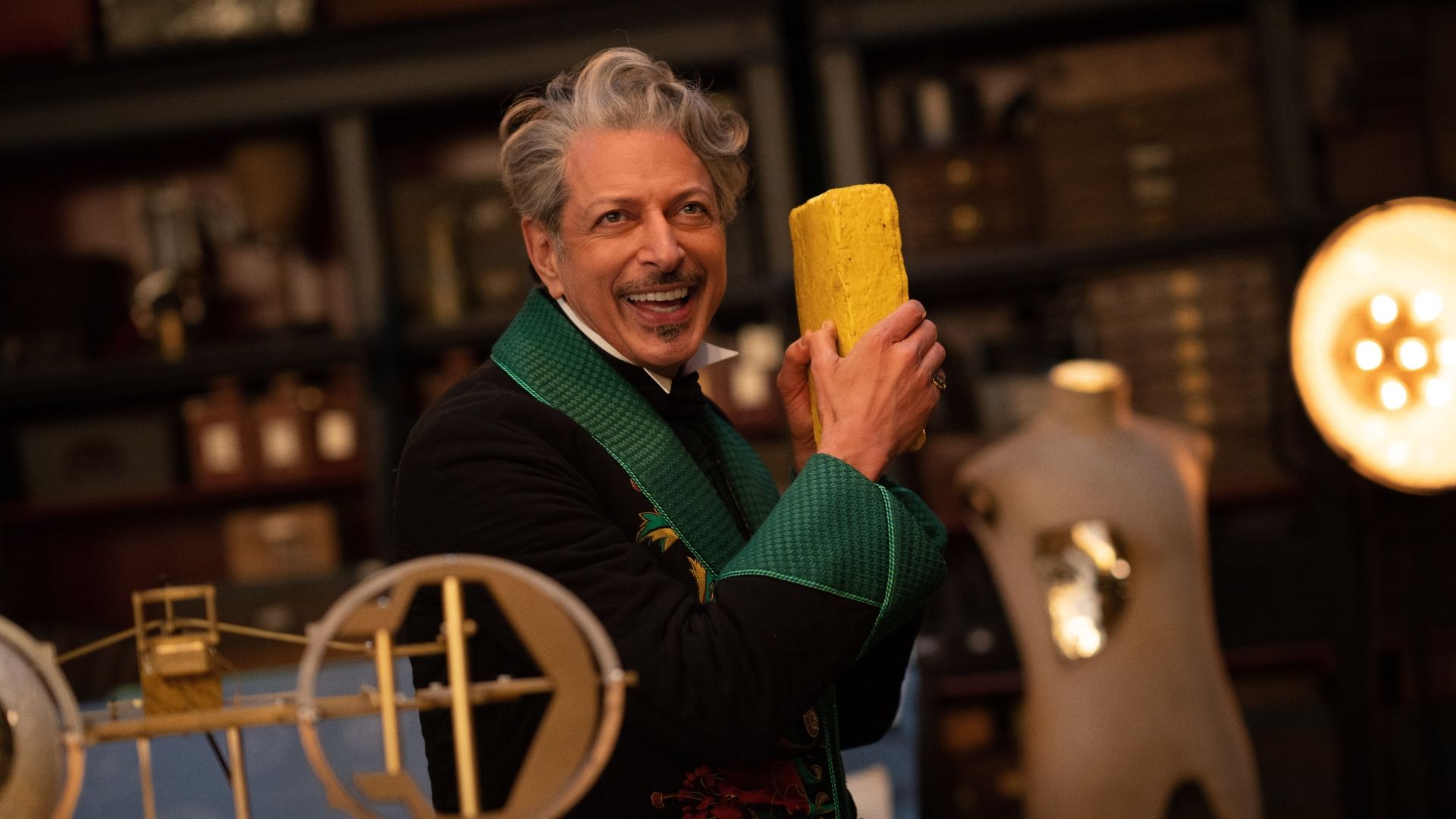
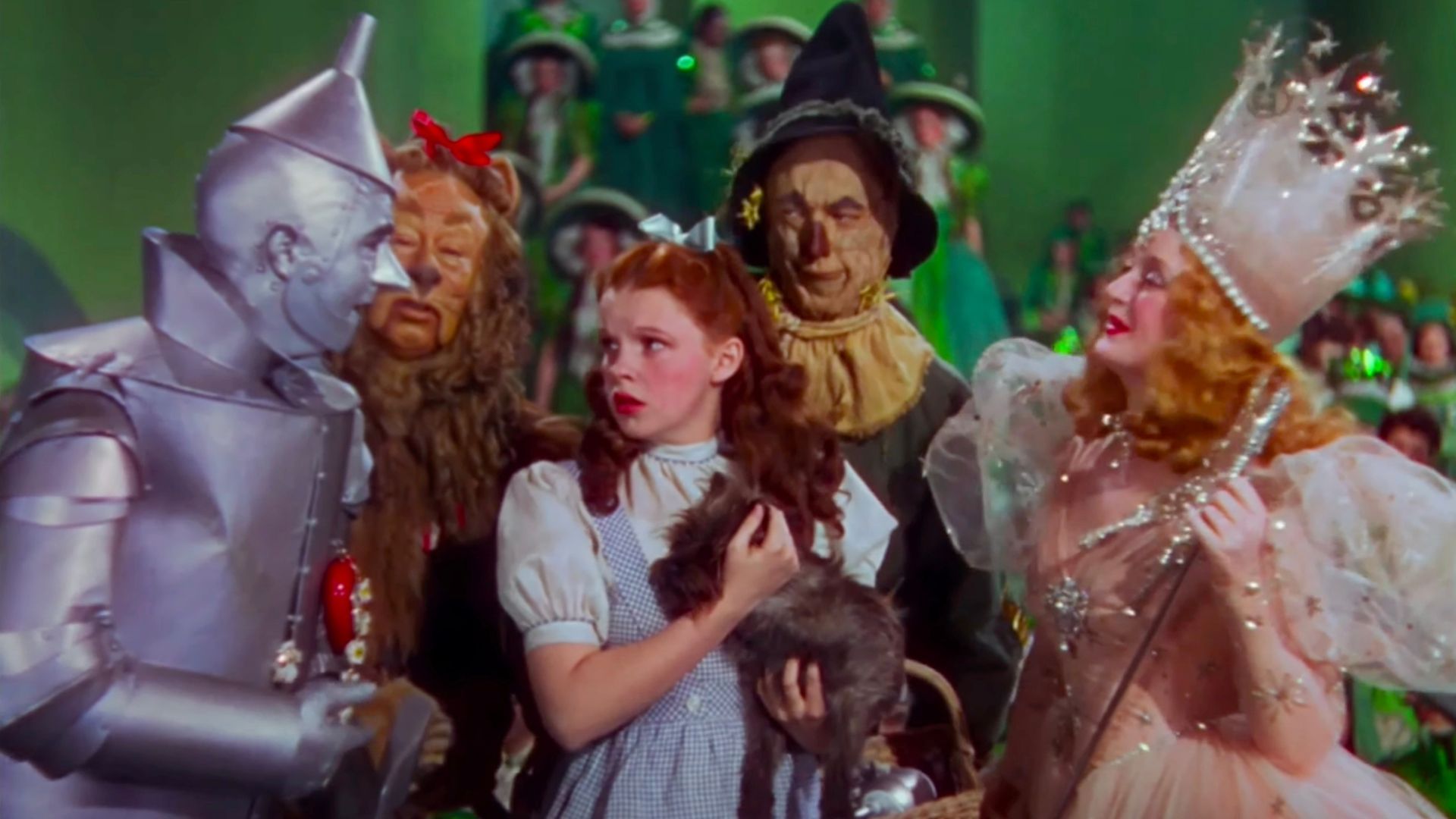
While Wicked: For Good might change how people see the classic film The Wizard of Oz, it’s worth remembering the original’s impact. Wicked is based on L. Frank Baum’s books and the famous 1939 movie. The Wizard of Oz, directed by Victor Fleming, is a truly iconic and influential film, celebrated for its cinematic wonder. Its use of Technicolor was groundbreaking in 1939, bringing the colorful world of Oz to life like never before.
Both the Wicked movie series and the Broadway musical are based on Gregory Maguire’s novel, Wicked: The Life and Times of the Wicked Witch of the West. The book offers a fresh perspective on the classic story of Oz by L. Frank Baum, reimagining the Wicked Witch of the West as a young woman who was rejected by society. Wicked delves into the question of whether people are born evil or shaped by their experiences, suggesting the Witch was actually a victim of circumstances within Oz. This new understanding encourages us to rethink the roles and motivations of all the characters in Oz.
Be warned: this contains spoilers for the new Wicked movie! However, if you’re familiar with The Wizard of Oz, you likely won’t be surprised.
‘Wicked: For Good’ Shouldn’t Change How You View ‘The Wizard of Oz’
MGM
If we reimagine the story of The Wizard of Oz and remove the Wicked Witch of the West as the villain, the focus shifts to the Wizard himself. He becomes the antagonist, secretly controlling Oz and making Elphaba appear to be the bad guy. This idea works well because the Wizard has always been a bit mysterious, and the story suggests he uses trickery to stay in power. While the 1939 movie doesn’t show him as truly evil, he’s definitely not honest about who he is. Similarly, the character of Glinda is more complex in Wicked. She cares deeply for Elphaba, but they disagree strongly about the best way to keep Oz safe.
The biggest change in Wicked is how it portrays Dorothy and her friends from The Wizard of Oz. In the original story, they’re heroes who conquer their weaknesses and defeat the Wicked Witch. But Wicked presents Dorothy as someone manipulated by Glinda and the Wizard to eliminate Elphaba. While I don’t expect audiences to leave Wicked: For Good disliking Dorothy or seeing her as a villain, even portraying her simply as a tool used to kill Elphaba is a significant departure from the original story.
The Wizard of Oz is a beloved story, and Judy Garland’s portrayal of Dorothy is iconic as a heroic figure. While both Wicked and The Wizard of Oz are fantastic films that share a similar setting, they should be seen as separate narratives. Wicked isn’t a backstory to the 1939 movie; it’s a fresh take on the story. Instead of simply adding new context, it completely rebuilds the world and explores an alternate possibility – asking ‘What if things had happened differently?’
I might be exaggerating, but I truly believe The Wizard of Oz is a hugely important film and a foundational part of our culture. Dorothy, the Tin Man, the Scarecrow, and the Cowardly Lion are all heroes who deserve to be celebrated as such. In an era where studios constantly rely on existing stories and try to create franchises, it’s vital that we appreciate these films for their unique value and meaning. Let Wicked: For Good stand on its own merits, and let The Wizard of Oz remain the timeless classic it has always been.
Read More
- FRONT MISSION 3: Remake coming to PS5, Xbox Series, PS4, Xbox One, and PC on January 30, 2026
- Best Controller Settings for ARC Raiders
- Mark Zuckerberg & Wife Priscilla Chan Make Surprise Debut at Met Gala
- Meet the cast of Good Omens season 3: All the actors and characters
- ‘The Boys’: 6 Characters Most Likely To Die in Season 5
- Wistoria: Wand and Sword Season 2 release schedule: When are new episodes out?
- AVAX PREDICTION. AVAX cryptocurrency
- JUP PREDICTION. JUP cryptocurrency
- Gold Rate Forecast
- Is Netflix’s Untamed Inspired by a True Story? Find Out the Shocking Truth!
2025-11-08 18:35