
Electronic Arts (EA) is a major player in the video game world, known for popular franchises like Madden, The Sims, and Battlefield. Like all companies, EA is constantly seeking ways to boost profits and reduce expenses, particularly as the cost of making high-quality games continues to rise. Recently, they’ve been testing things like adding more advertisements within their games as one potential solution.
EA recently made a significant internal investment in expanding advertisements within its games. The company has created a dedicated division focused on this area – something they’ve done before, particularly with their sports titles. This move signals that EA believes in-game promotions will be a major part of its future. However, gamers might find this concerning, as it could potentially lead to frustrating changes in how EA games are made and released.
EA Advertising Is Coming To Plenty Of Future Games
Recently, the gaming industry has been increasingly testing out advertising. Microsoft, for example, has tried offering cheaper subscriptions with ads, which some gamers haven’t liked. Now, Electronic Arts (EA) is launching a new division called EA Advertising, dedicated to adding more ads and sponsored content to its games. This could include everything from ads that change in real-time to special items or experiences within the games themselves.
This new strategy allows companies to completely sponsor goals, storylines, and in-game items. EA Sports games are being highlighted as examples of how this could work. The big question is how noticeable these sponsorships will be and how much they’ll affect the actual gameplay. While ads in a Madden game might blend in – similar to what you see at a real sporting event – ads in other game genres could be disruptive or pull players out of the experience. EA learned from past experiences that players don’t respond well to overly intrusive advertising.
EA Has Been Doing Product Placement In Their Games For Years Now
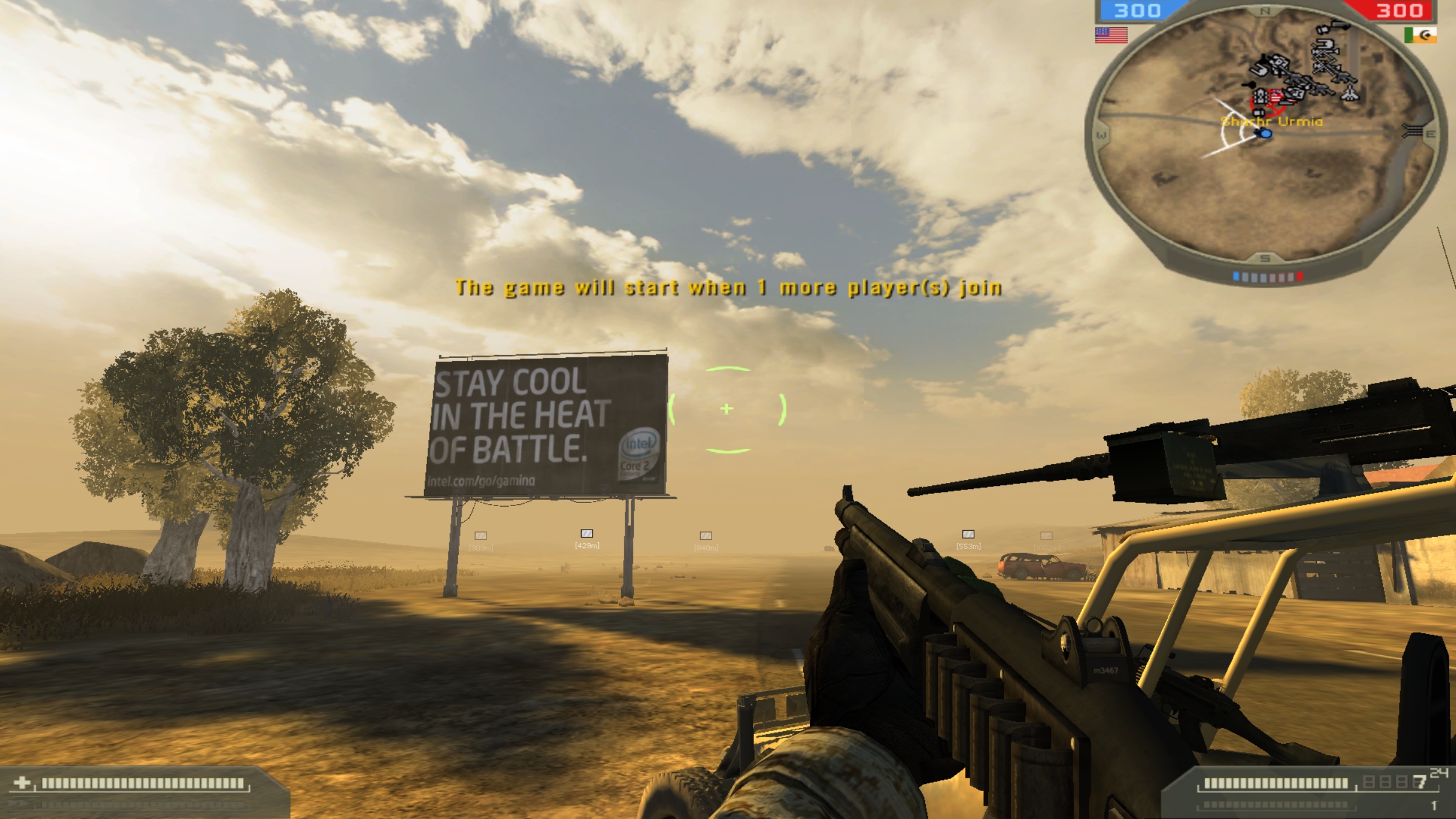
This isn’t the first instance of the publisher adding ads to its games; EA has become well-known for increasingly including advertisements. For example, Battlefield 2 displayed billboards advertising Intel computers, and Battlefield 2142 featured Pepsi ads. In sports titles, College Football 26 included a Mountain Dew-sponsored area called DEW University, and EA Sports FC 26 offered team packs sponsored by Xfinity.
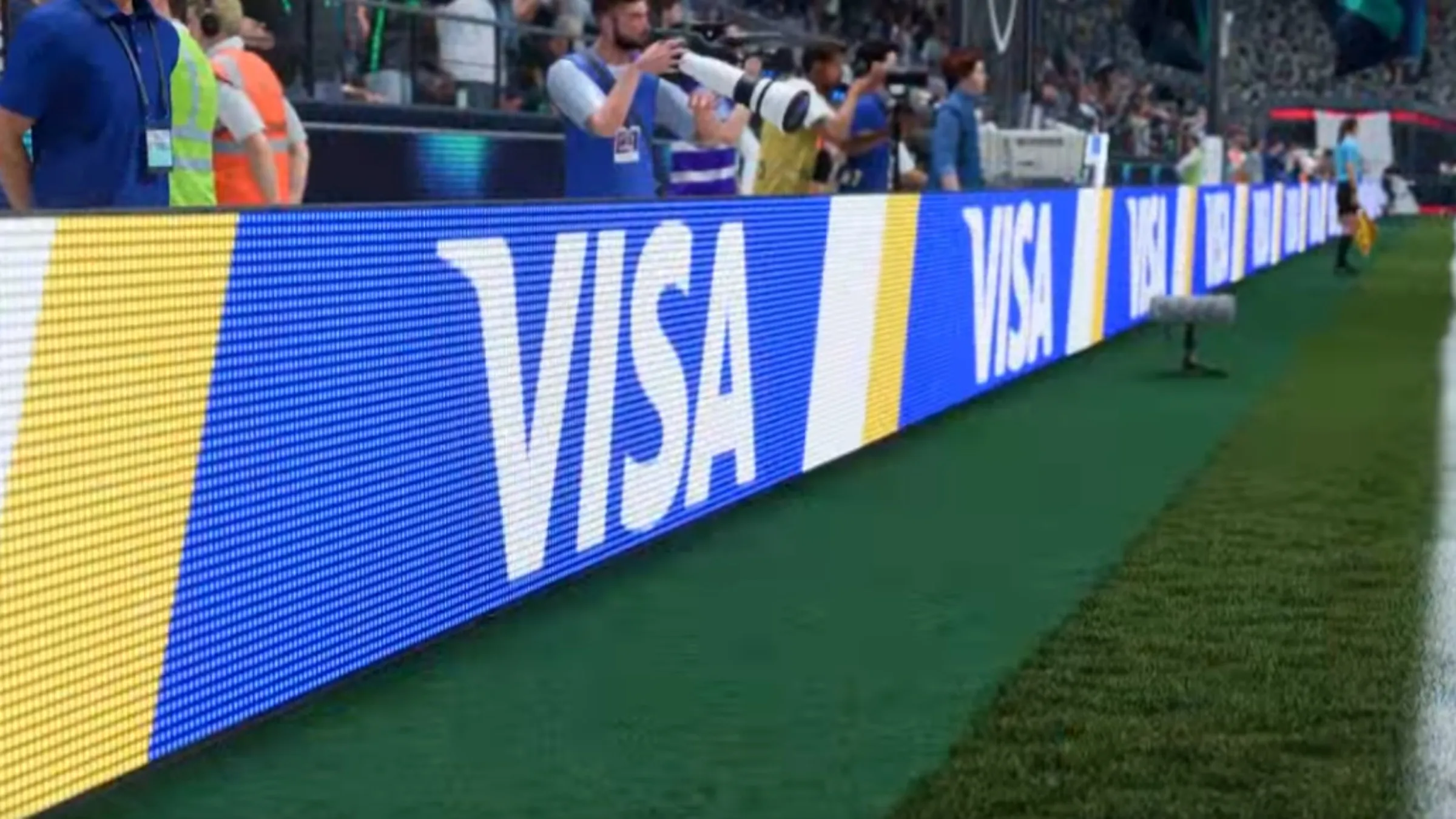
When playing games like Madden or FC, you might notice ads for companies such as Loew’s, Visa, and Red Bull appearing in the game environments. While seeing a Red Bull ad felt realistic given how many commercials appear during real sports broadcasts, this new advertising approach from EA feels similar to the controversial billboards featured in older Battlefield games – something players strongly disliked when they were first introduced.
Why EA’s New Ad Initiative Is So Worrisome

EA isn’t alone in trying to add ads to video games, but other companies have already shown how much this can bother players. Microsoft faced criticism in 2024 for its attempt, as the ads were disruptive and appeared during gameplay. While Microsoft claimed it would help lower development costs, players still paid full price for the games and were subjected to constant advertising. EA’s plan to include ads could lead to similar problems and further frustrate gamers.
Forcing unskippable ads into games risks ruining the experience players want, and can feel like a purely money-driven decision. There’s a concern that ads could eventually include political messaging, disrupting players’ desire to escape real-world issues. Companies might also pressure developers to add sponsored content, leading to extra work and stress. Furthermore, sponsors could offer powerful in-game items only available through purchases, creating an unfair advantage and alienating players who can’t afford them.
This issue also touches on the ongoing tension between art and commerce in entertainment. Video games are incredibly engaging storytelling platforms, but jarring advertisements – like a billboard for software appearing within the game – can ruin the immersive experience. A compelling fantasy adventure loses its impact if players encounter unnatural product placement, such as a “Sword of Mountain Dew,” immediately pulling them out of the game. While adding ads makes financial sense for EA, there’s a real risk of overwhelming players, and I worry the company won’t be able to resist the temptation. Future EA games could end up being packed with so many ads that it harms the overall experience and ultimately becomes a problem for the company.
Read More
- Green Game Jam returns with 70 games teaming up to tackle the climate crisis
- PI PREDICTION. PI cryptocurrency
- Gold Rate Forecast
- USD HKD PREDICTION
- Brent Oil Forecast
- Black Clover Confirms Special Chapter After Manga Finale
- USD JPY PREDICTION
- USD AUD PREDICTION
- USD CHF PREDICTION
- EUR HKD PREDICTION
2026-06-15 23:10